Collections
Editorial discovery lists. Each one answers a real traveler question: where to sleep, what is worth the detour, how long to give a place, and what to eat where it is made.
Spain Beyond the Circuit
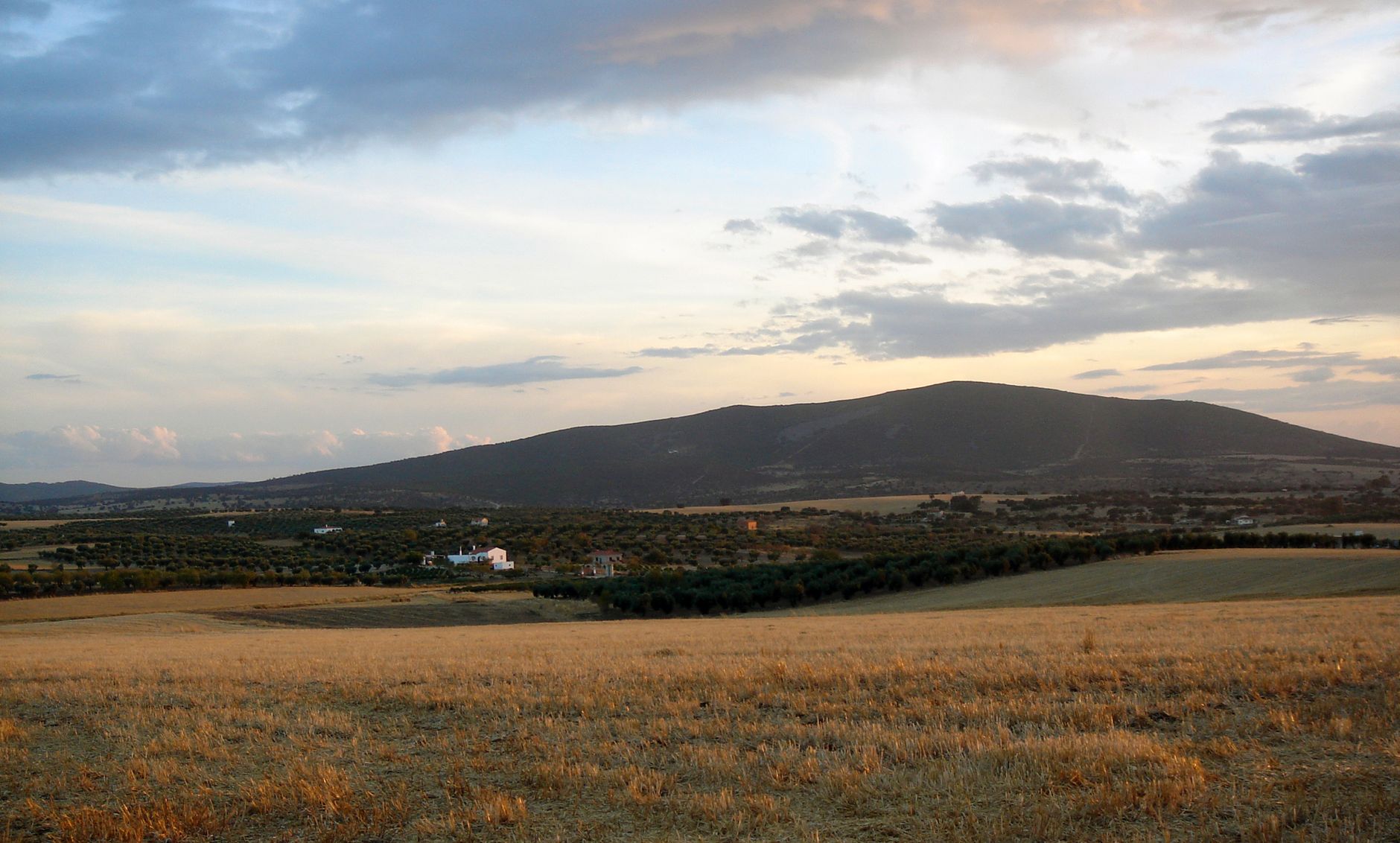
Nineteen microregions the international travel funnel never explains, from the Ancares mountains of Galicia to the Alpujarra of Almería: valleys, ranges and comarcas to be travelled slowly rather than ticked off.

Inland Water: Where Spain Swims
Spain's summer without the coast: cold river pools, mountain reservoirs and gorge swimming holes, with the towns and monasteries that share the valley.

Spain's Best Food Cities
Seven cities where the eating is the point of the trip, from pintxos counters to the densest concentration of starred restaurants in Spain.

Wine Regions Worth Traveling For
Five wine regions that justify a trip in their own right, plus the towns to sleep in and the one visit worth booking.
Great Places Without a Car
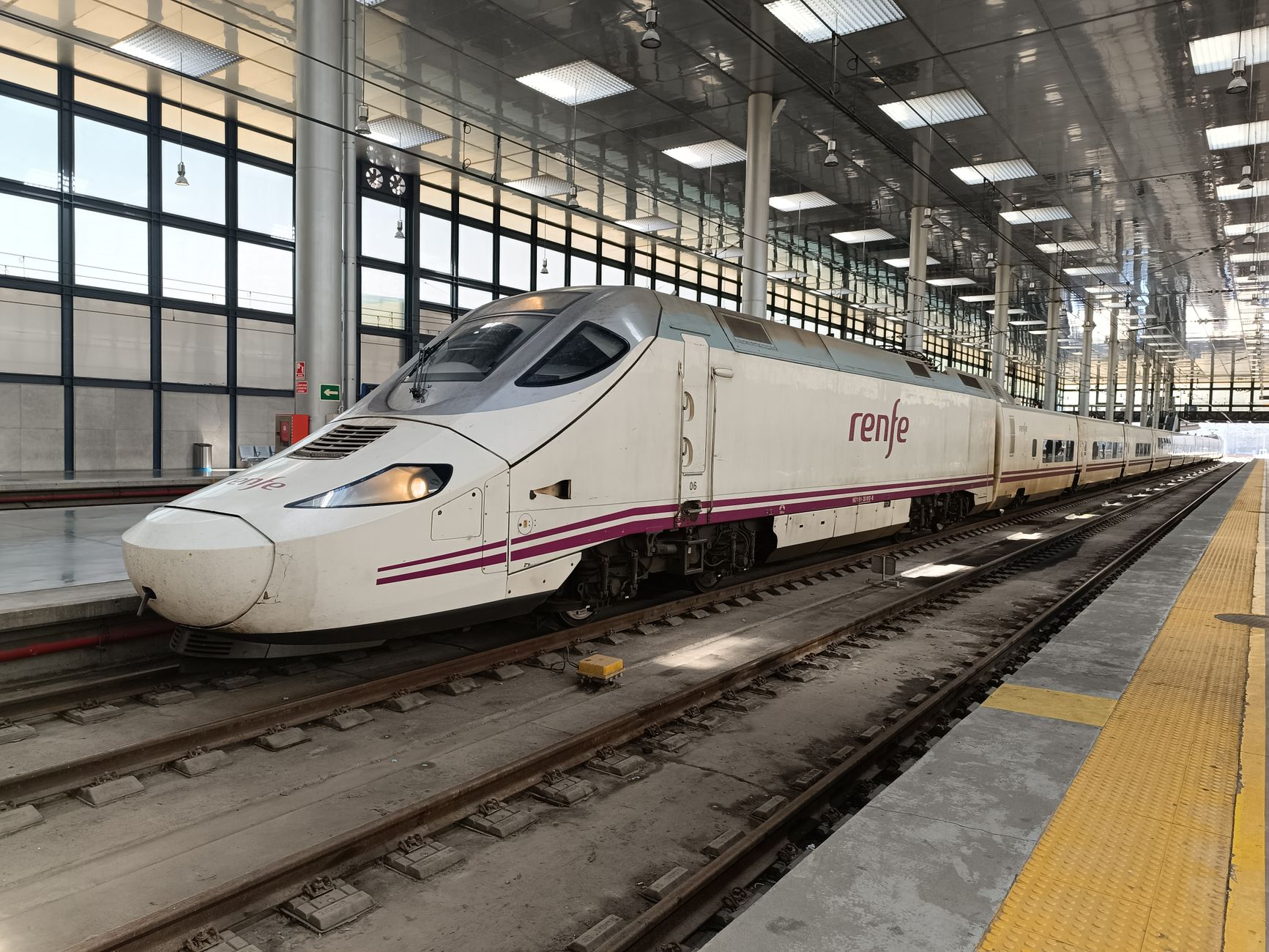
Eleven Spanish cities that work on arrival, with fast trains between them and centres you can cross on foot, so nobody has to hire a car.

Where We'd Spend Three Nights
Eight places where a third night is a better use of time than a fourth destination, and what each one gives you once you stop moving.
Worth the Detour
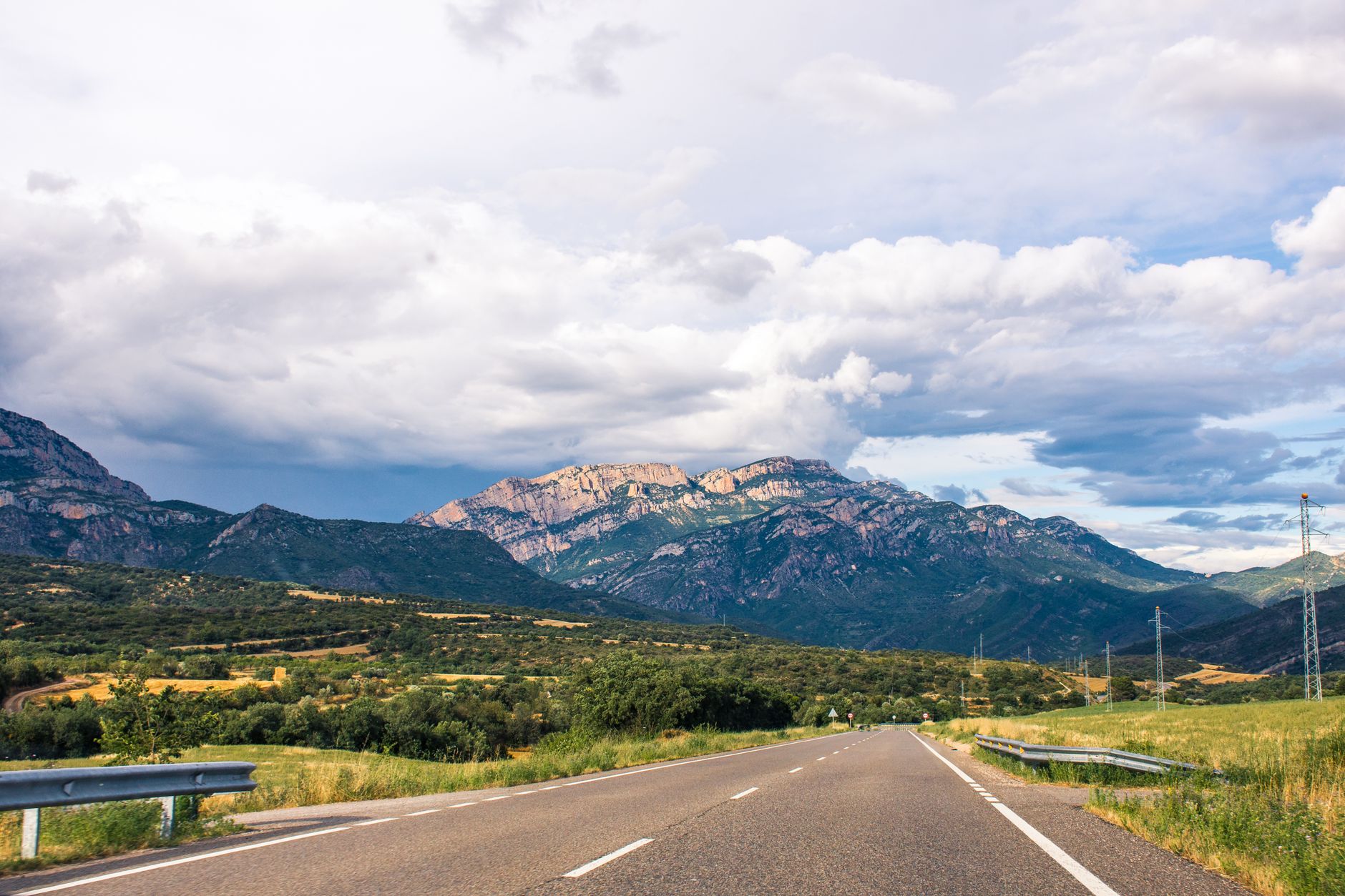
Six places that are not worth building a trip around, and are worth an extra hour of driving to reach.

Spain's Best Small Towns
Towns and villages small enough to cross on foot in an afternoon and good enough to keep you a night, from the Basque coast to the white hill towns of Andalusia.

Spain for Hikers
Spain is one of Europe's great hiking countries, and most travelers never know it. The Picos, Ordesa, the Canary Island calderas, the Camino, and the gorge-walk of the Cares — six trails to build a trip around.

Inland Basque: Cider, Markets and Mountains
Away from the coast: market towns, cider houses, the sanctuary valleys and the mountains between Bizkaia and Álava.

Under-the-Radar Spain
Twelve places that most first-time visitors miss — and shouldn't. Extremadura's stone towns, the Basque hideaways, a Roman theatre in Cartagena, a Mudéjar masterpiece in Teruel. The Spain you find when you've already done the big three.

Bodegas to Visit
Spain's wine country is best seen through the cellars themselves — architect stunners (Ysios, Marqués de Riscal), 19th-century cooperages (López de Heredia), and the sherry soleras of Jerez. Twelve to book a tasting at.


Eat Your Way Through Spain
A dish-led tour of Spain — the plates that define each region. Paella in Valencia, pintxos in San Sebastián, jamón in Jabugo, cocido in Madrid, bacalao al pil-pil in the Basque Country, pulpo in Galicia.

The Camino Staging Towns
The towns you'll actually sleep in on the Camino Francés — the ones with the albergues, the menus del peregrino, and the early mornings. Each carries its own editorial judgment beyond being a stage.

The Basque Coast, End to End
From the French border to the river at Bilbao: the fishing villages, surf beaches and cliffs of Gipuzkoa and Bizkaia, in roughly the order you would drive them.

Wine Without the Crowds
Spanish regions that make serious wine and receive almost no visitors: old-vine Garnacha, slate-grown reds, mountain vineyards and the coast's dry whites.

Northern Spain in Two Weeks
Green Spain — the Atlantic coast from the Basque Country to Galicia. Pintxos, surf, the Picos, the Bay of Biscay, and the wettest, greenest, least-Spanish Spain there is.

Industrial Spain
Mining towns, salt terraces and a mineral railway: the industrial layer that shaped whole regions of Spain.

Working Ports: The Fishing Coast
Harbours that still land fish for a living, from Galicia to the Cantabrian coast, and the food that comes off them.


High-Speed Spain: Cities the AVE Reaches
Spain has Europe's largest high-speed rail network, and these are the cities it threads together — the ones you can do with zero flights and zero cars, hopping AVE to AVE.
Winter Sun in Spain
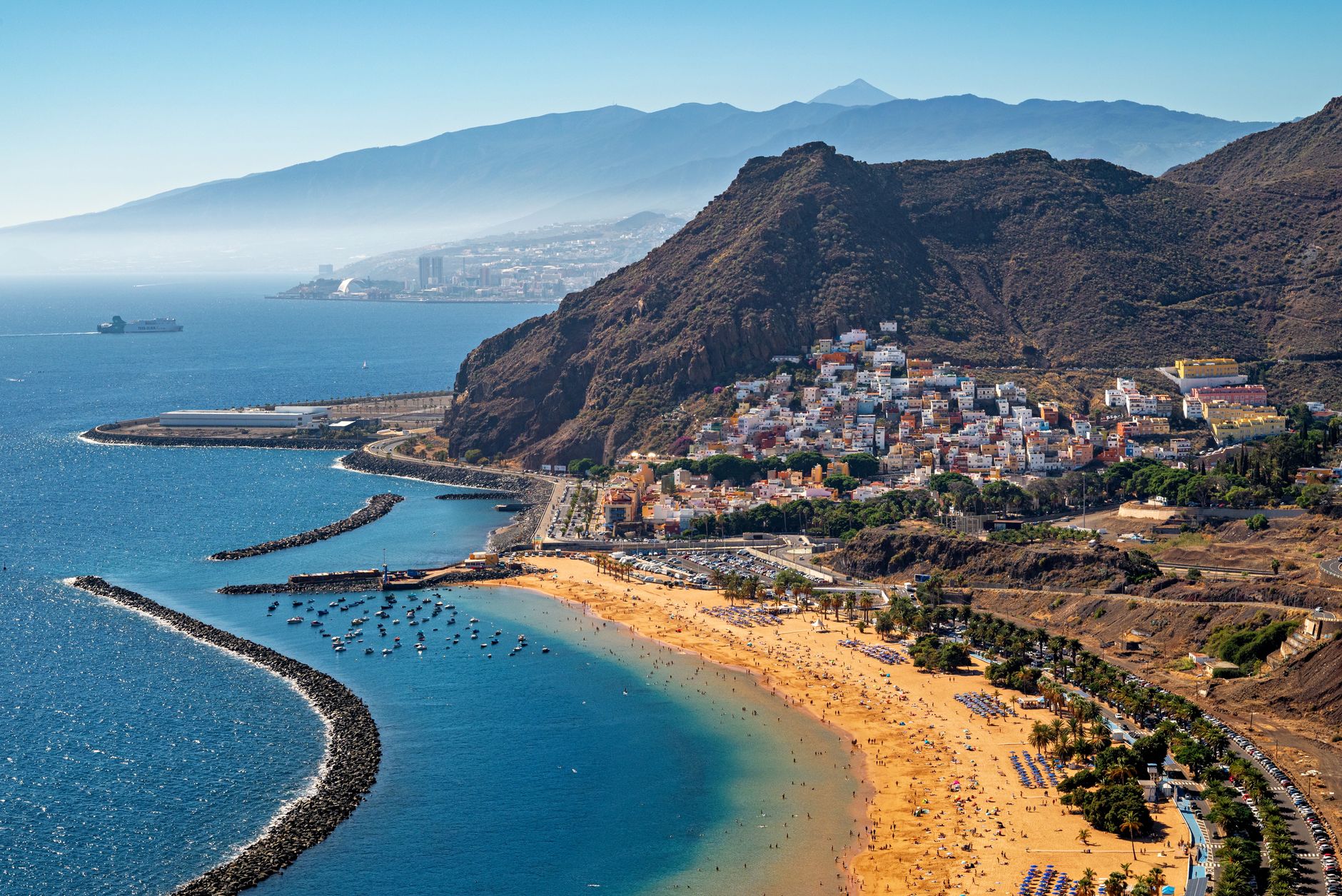
When the rest of Spain is cold and grey, these six places are where the sun still is. The Canaries for guaranteed warmth; the Costa de la Luz and the Andalusian coast for bright-but-brisk Atlantic walks.

Island Spain
Spain is its mainland, but it's also two archipelagos and a string of Atlantic islands. The Balearics for the Mediterranean; the Canaries for the volcano-and-dunes otherworld; the Cíes for a beach so good the Romans called it the islands of the gods.

Madrid Day Trips
Five places you can reach from Madrid in under an hour on the AVE or Cercanías — each a complete trip in a day, and the reason a Madrid base can hold a week.

The Moors in Spain
Seven centuries of Al-Andalus left a deeper architectural and cultural mark than anything else in Spanish history. This is the trail: the Great Mosque, the palace-fortress, the patios, the old quarters.
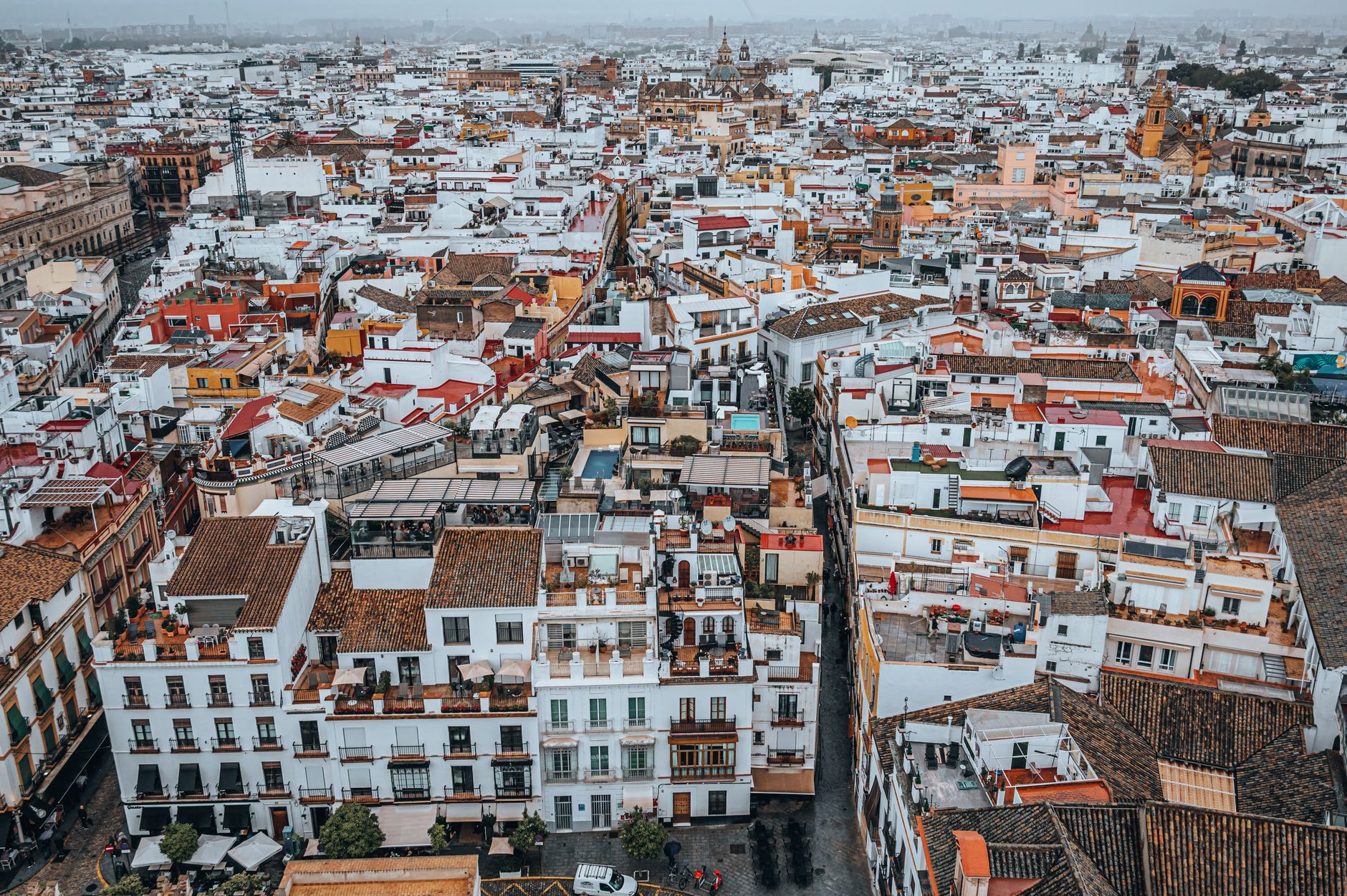
Andalusia's Three Jewels
Seville, Córdoba, and Granada — the triangle that holds more of Spain's history and atmosphere than any other corner of the country. Do all three in a week with the AVE.

Roman Spain
Rome was in Spain for 700 years, and it left behind more than anywhere else in Western Europe — Mérida's theatre, the aqueduct of Segovia, the amphitheatre of Tarragona, the lighthouse of A Coruña still standing and still working.

Barcelona: Gaudí and Beyond
The essential Barcelona — the Sagrada Família, Park Güell, and Casa Batlló of Gaudí, plus the Gothic Quarter, the Boqueria, the Picasso Museum, and the beach that turns it from a museum city into a place to stay a week.
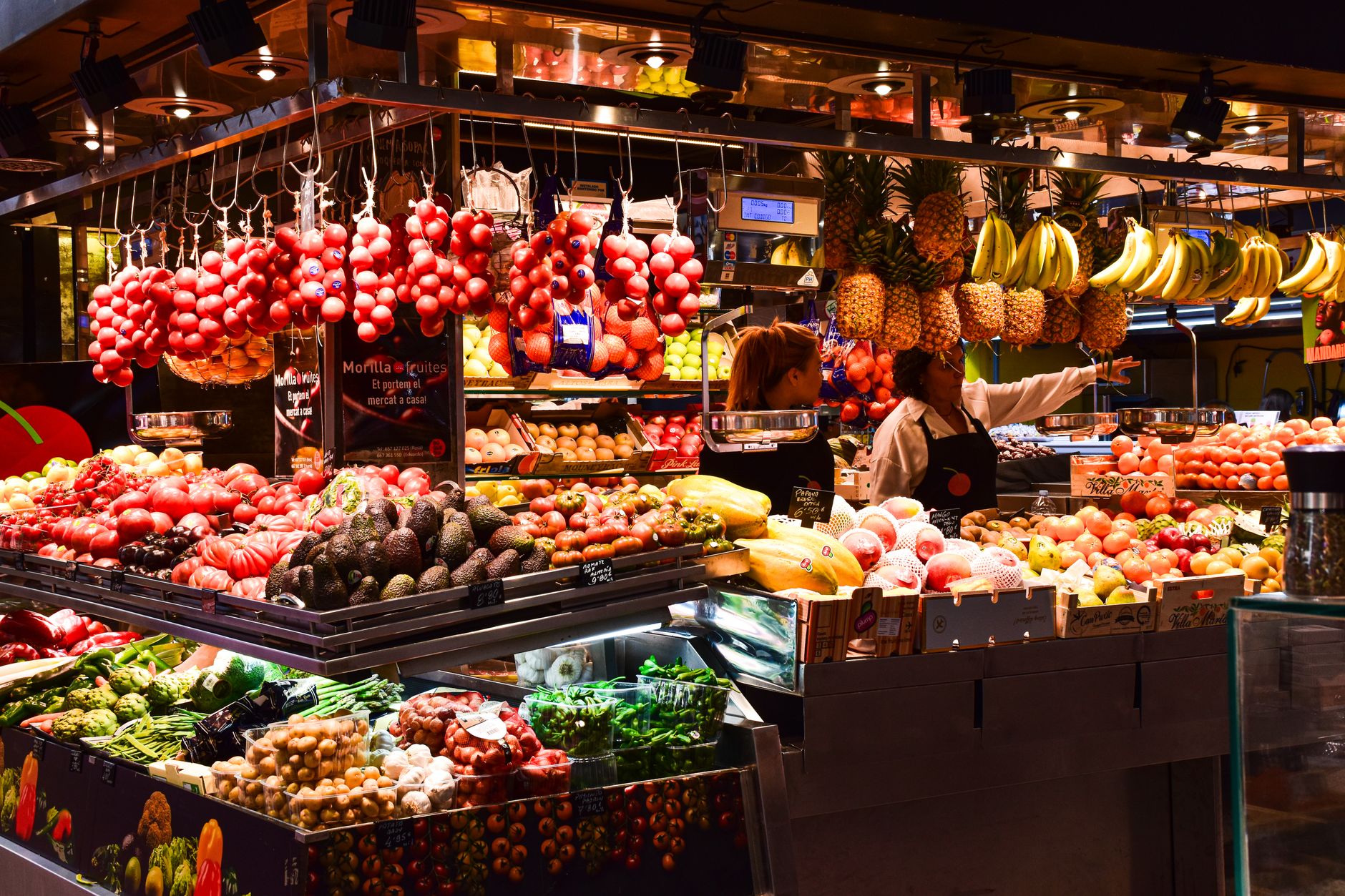
Spain's Great Markets
Spain's markets are the country's best free attraction — and its best lunch. From the tourists-but-still-great Boqueria to the working Mercado de Abastos in Santiago, these seven are worth a morning even if you never cook.
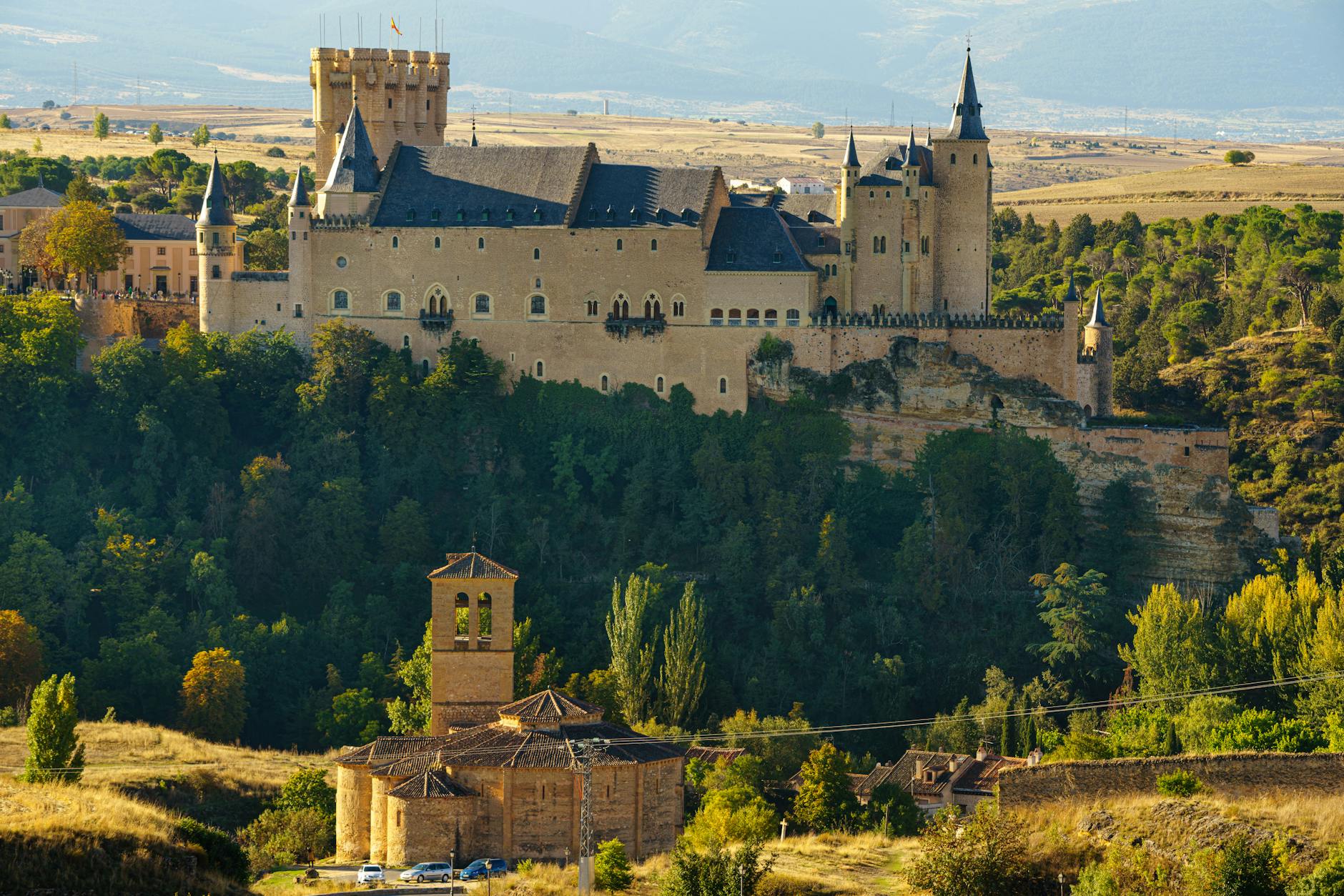
Castles and Fortresses of Spain
Seven centuries of Reconquista left Spain with more castles per square kilometer than almost anywhere in Europe. These are the ones worth a stop — from the Disney silhouette of Segovia to the Moorish Alcazaba of Málaga.

Spain's Most Dramatically Situated Towns
Towns that earn their place by where they sit — on gorges, over river bends, against cliffs, on peninsulas. The view is the reason, and the view is free.

Spain's Best Beaches
Twelve beaches worth planning a trip around — not the crowded costas, but the ones with a reason: a Roman city next door, a cathedral of rock arches at low tide, a crescent the color of milk, an Atlantic bay so clear the Romans named it the islands of the gods.
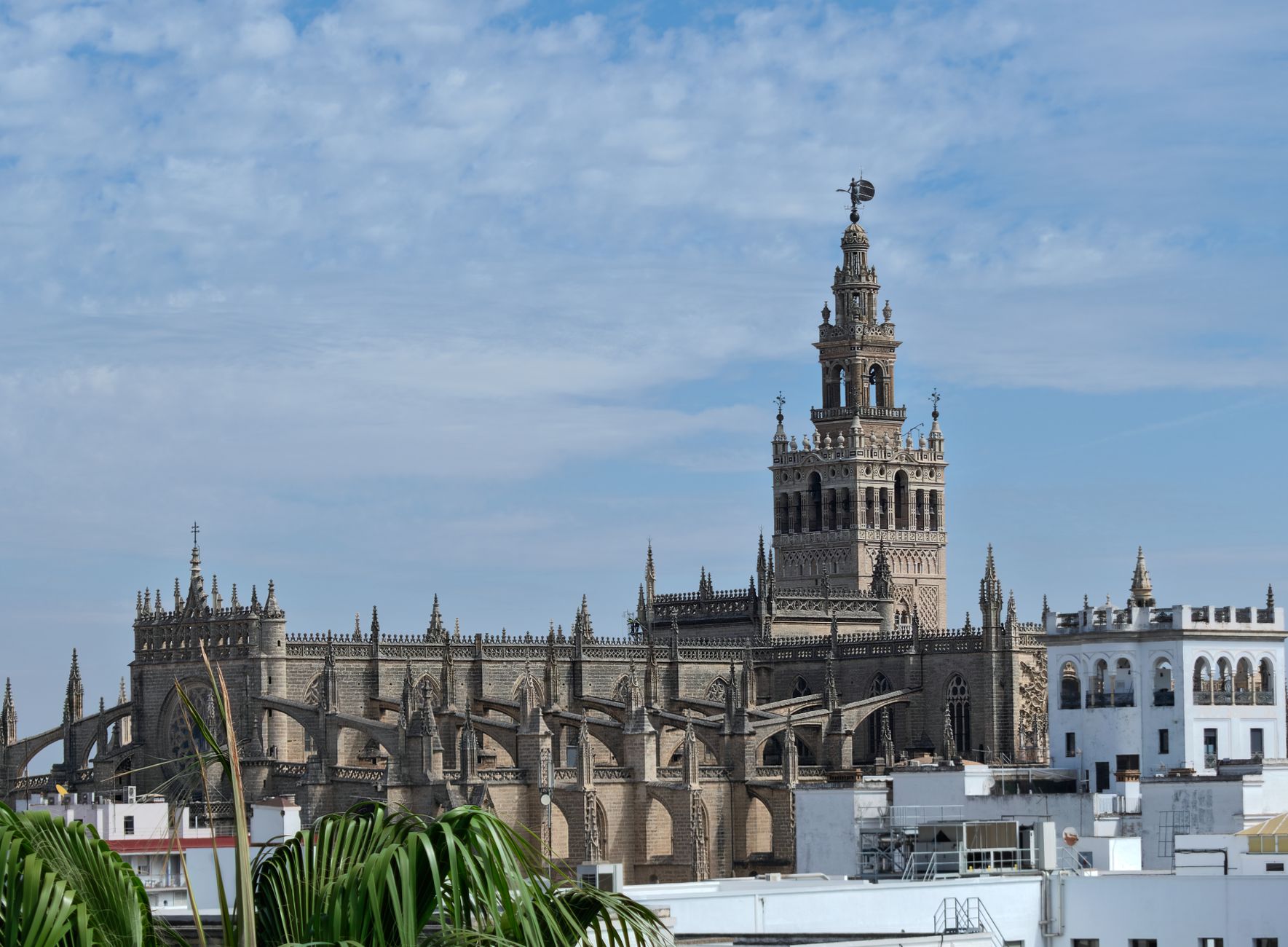
Spain's Great Cathedrals
Spain's cathedral architecture spans a thousand years — Gothic, Renaissance, Baroque, and the mosque-cathedral hybrid at Córdoba. These are the ones worth a detour on their own.

The Mudéjar Towns of Aragón
Brick towers, glazed tile and painted timber: the architecture Muslim craftsmen built for Christian Aragón, and the quiet towns where it survives.

Monasteries Worth Planning Around
Cloisters, abbey kitchens and pilgrimage churches where Spain's monastic history is still lived in, and still worth arranging a morning around.
Courts That Moved On: Spain's Former Capitals
Cities that governed kingdoms and then lost the court. Imperial Toledo, royal Leon and Burgos, the Navarrese capitals, and the seat of Galicia.

Cider Country: Asturias Inland
The apple valleys, lagares and cider houses behind the Asturian coast, and the food that goes with them.

Olive Country: Jaén and the Sierra
The province that grows more olives than anywhere else on earth, its Renaissance towns, and the mountains behind them.

Saffron Season in La Mancha
Spain's most labour-intensive harvest, the October festival that celebrates it, and the Manchegan town it happens around.