Canary Islands
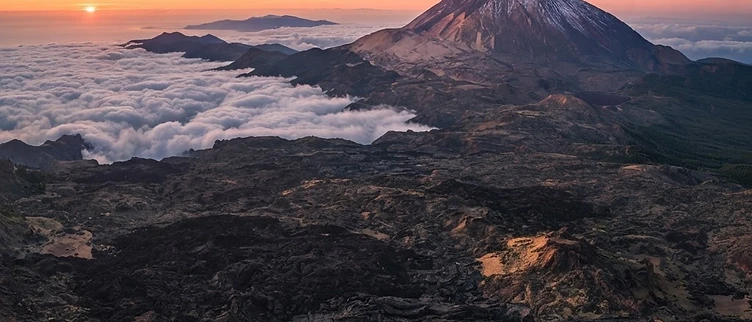
Eight islands, four of them worth a trip and each one a different landscape: Tenerife with the highest mountain in Spain, Gran Canaria with its green interior and dunes, Lanzarote with lava fields and a landscape designed around them, and La Gomera with laurel forest and almost no beaches. It is Spain, two thousand kilometres south of it, warm all year and far less developed than the resorts suggest. The trade is inter-island travel: pick two islands, not four.
How long this region actually takes
A week is one island done properly. Ten days to two weeks is two islands, which is the honest minimum here — anything shorter and the flights and transfers eat the trip.
Where to put your nights
Spain Field Guide may earn a commission when you book through selected links. Recommendations are editorial and independent of commission.
The questions that decide the trip
Choose by island, not by beach. Tenerife's north is green and rough with black sand, its south is warm and built up; Lanzarote is volcanic and windy; Gran Canaria has the dunes at Maspalomas and a calm city bay at Las Canteras.
Playa de Famara and the Papagayo coves on Lanzarote, Las Canteras in Las Palmas, which is a city beach that genuinely works, and the black sand of the north. The Atlantic is cold and the currents are serious.
Papas arrugadas with mojo, ropa vieja, fish grilled without fuss, and gofio in everything from breakfast to dessert. Island cooking is simple and Atlantic, closer in spirit to the Portuguese coast than to the mainland.
La Laguna is a UNESCO-listed colonial capital and the best preserved in the islands; Santa Ana cathedral and the old quarters of Las Palmas show where Spain left for the Americas. There is also real pre-colonial Guanche archaeology, far less visited than it deserves.
Inter-island flights and ferries are frequent and work well. On the islands, buses cover the main towns and the big roads, but the mountain passes, the lava fields and the small villages need a car.
The Teide crater road, the Anaga passes, Lanzarote's lava coast and the Garajonay laurel forest. All four big islands are small enough to cross in an hour, and rewarding to drive.
Any, which is the point. January to March is driest and mildest and the best for walking; summer is hot and busy in the south; the trade winds of July and August keep the north coasts cool and cloudy.
Late December and Easter, when mainland Spain arrives en masse and prices double — and unbooked inter-island hops in the weeks around those dates.
Five days in Canary Islands
Where Canary Islands gets compared
Experiences worth booking ahead
Spain Field Guide may earn a commission when you book through selected links. Recommendations are editorial and independent of commission.
Everywhere in Canary Islands
The other regional guides
Turn Canary Islands into an actual itinerary
You've decided how long the region needs. Travel Itinerary Co takes the places you saved here and sequences them into days, with driving times and overnights attached.
Build this into a tripContinues on Travel Itinerary Co