Garajonay National Park (La Gomera)

The most rewarding island day trip from Tenerife. Take the Fred Olsen ferry, hike the Garajonay summit loop, hear the island's unique whistled language (silbo gomero).
The best-preserved laurel forest in Europe, on La Gomera — a misty, moss-covered cloud forest that's a relic of the Tertiary. A UNESCO site where Columbus rested before the Americas.
At a Glance
- — You don't want a ferry day
Damp, emerald moss covers every surface of this ancient cloud forest, where laurel trees twist into gnarled, shadowy forms that look far older than the surrounding islands. Mists roll constantly through the high peaks of La Gomera, keeping the air cool and heavy with pine and damp earth. It is a silent, sanctuary-like place, and one of the few landscapes in Spain that has gone essentially unchanged for millions of years.
How it got here
La Gomera stayed isolated from European colonial ambitions long after the arrival of the Crown of Castile in the fifteenth century. The terrain of the central highlands preserved the laurel forest by sheer verticality and persistent dampness that discouraged widespread agriculture or permanent settlement. This landscape functioned as a survival refuge for flora that vanished from the Mediterranean basin during the last glacial period. The park owes its protection to the establishment of the national park status in 1981 and its subsequent designation as a UNESCO World Heritage site in 1986. These formal measures halted the charcoal production that once claimed the fringes of the woodland.
Where it sits
The park occupies the high plateau of La Gomera and creates a distinct meteorological divide between the north and south of the island. Trade winds strike the mountains to drop a constant veil of fog that keeps the laurel trees perpetually wet. Trails emerge from the mist to cross narrow ridges and steep ravines that drop toward the Atlantic. Winter brings lower temperatures and higher rainfall that turns the undergrowth into a thick carpet of ferns. Summer provides brief windows of clear light but the forest shade keeps the air temperature low enough to warrant a sweater.
What to eat and drink
The cuisine of the island centers on the goat and the potato. Queso de cabra, a firm, salted goat cheese, appears on every table alongside mojo rojo or verde, a piquant sauce made of garlic, vinegar, olive oil, and either dried peppers or cilantro. Papas arrugadas, small potatoes boiled in their skins with heavy sea salt, serve as the standard accompaniment to roasted goat or local fish. Almogrote, a dense, spicy spread of aged cheese, olive oil, and peppers, provides the most distinct flavor of the island. Palm honey, a thick syrup extracted from the sap of native palms, sweetens most local desserts.
Canary Islands: the whole region
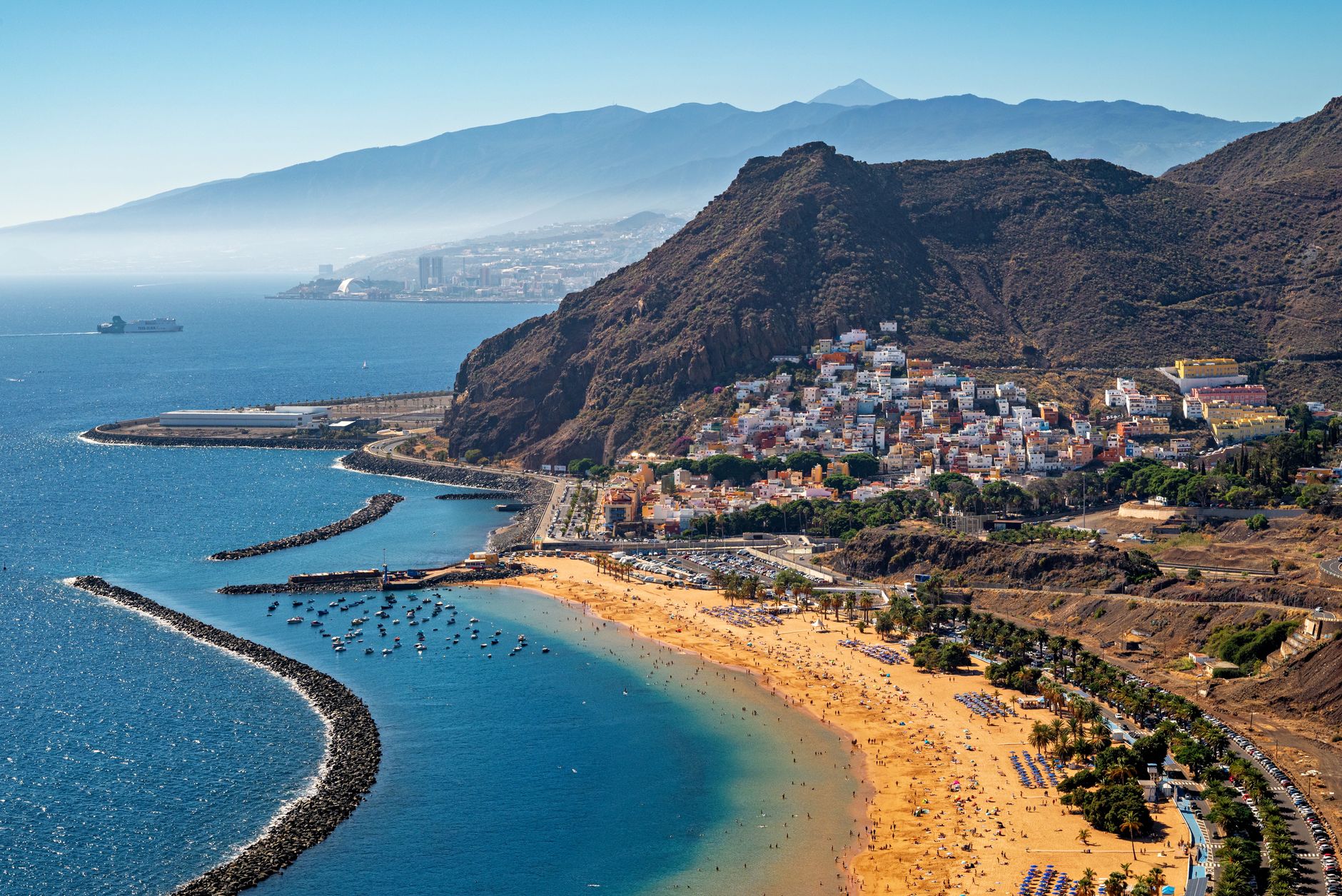
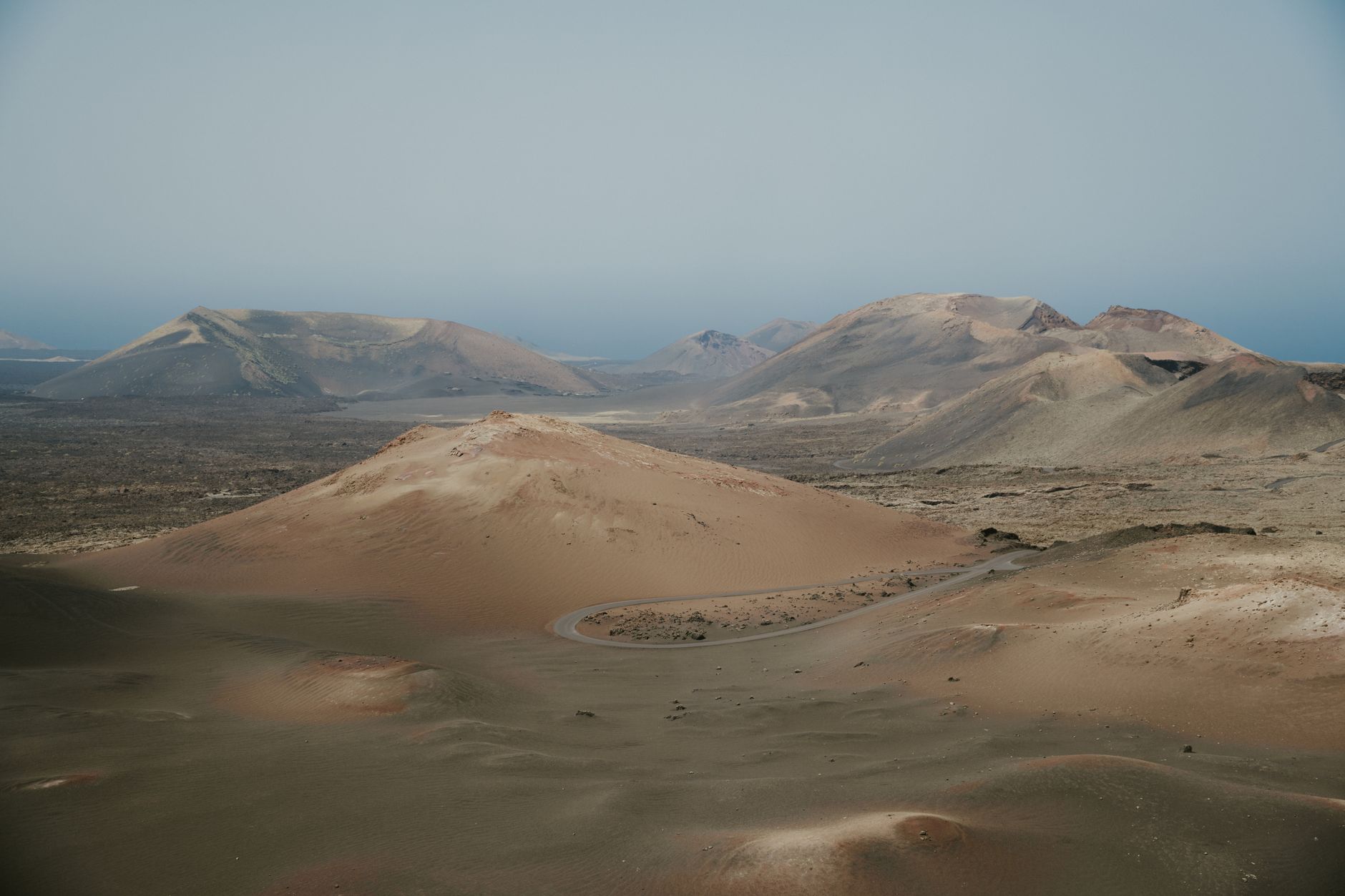
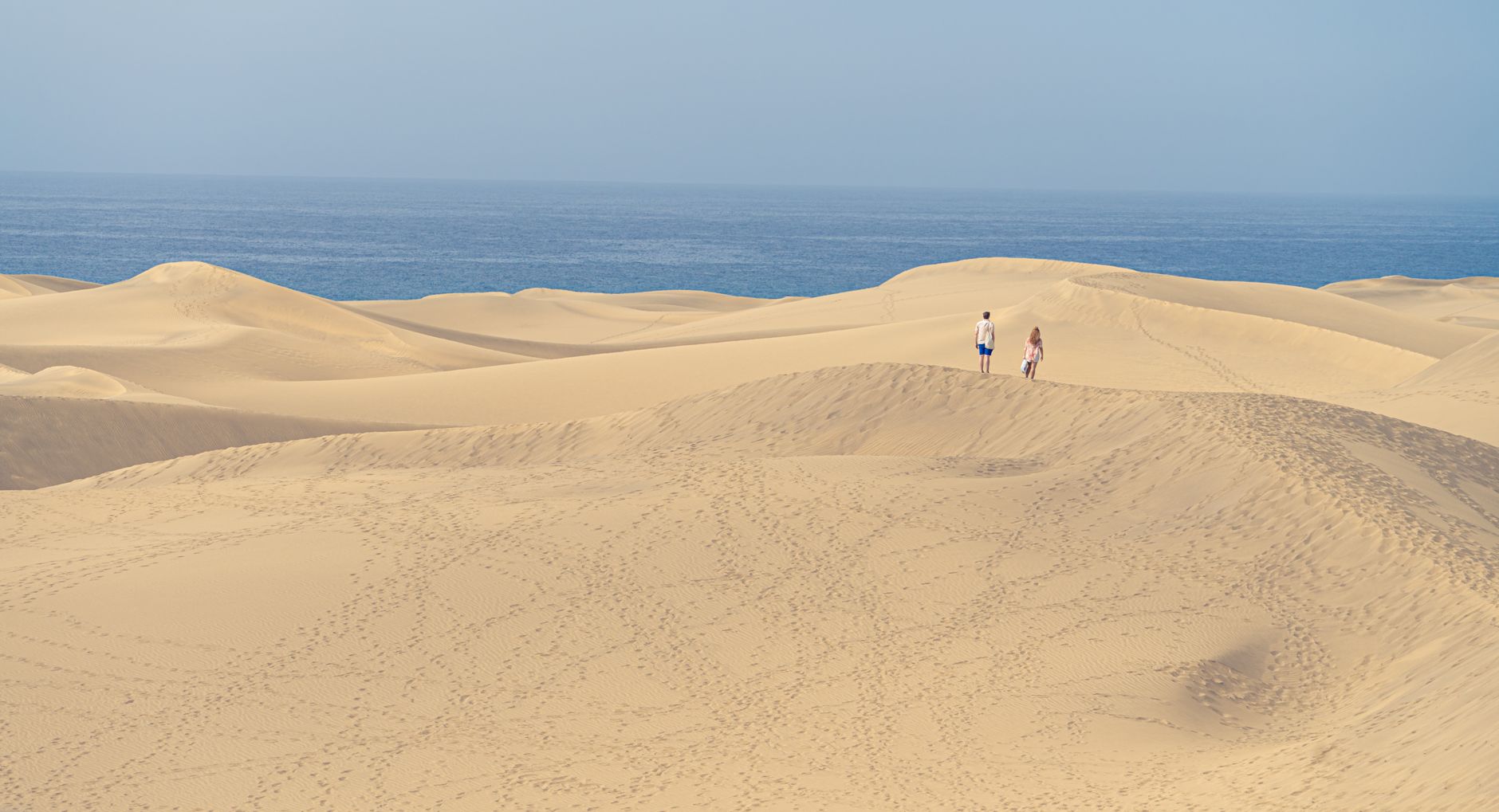
Eight islands, four of them worth a trip and each one a different landscape: Tenerife with the highest mountain in Spain, Gran Canaria with its green interior and dunes, Lanzarote with lava fields and a landscape designed around them, and…
Minimum 7 days · better 10-12 days · deep 2 weeks
Pair It With


In Canary Islands


In Canary Islands





Logistics are verified only. We don't publish schedules we haven't confirmed.
Appears In
Ready to build Garajonay National Park (La Gomera) into a trip?
You've found a place worth going. When you're ready to turn discovery into an itinerary, Travel Itinerary Co picks up where the Field Guide leaves off — with your saved places already in hand.
Build this into a tripContinues on Travel Itinerary Co
Spain Field Guide may earn a commission when you book through selected links. Recommendations are editorial and independent of commission.