San Cristóbal de La Laguna

The best base on Tenerife if you don't want a resort. Walk the colonial center, eat gofio and papas arrugadas, drive up to Teide from here.
A UNESCO colonial university town near Tenerife's north airport — the first non-fortified Spanish colonial city, and the blueprint for every city Spain built in the Americas.
At a Glance
- — You only want the south-coast resorts
In the green hills above Tenerife's coast, this university town preserves the grid plan that colonial cities across the Americas were later built on. The historic center, with its carved wooden balconies and shaded courtyards, is a cool, intellectual counterweight to the resorts below. The local diet runs to gofio and wrinkled salted potatoes, served in dim taverns.
How it got here
Alonso Fernández de Lugo founded the city in 1496 after the conclusion of the conquest of Tenerife. It functioned as the first administrative center of the island during the transition from the rule of the Guanches to the Spanish crown. The colonial grid layout introduced here provided the spatial model for many cities established throughout the Americas during the sixteenth century. As the seat of the island government and the ecclesiastical authority, the city concentrated the economic power of the archipelago for two centuries before the capital shifted to Santa Cruz de Tenerife. Today the preservation of these early colonial structures explains the designation of the center as a world heritage site.
Where it sits
The city occupies the Aguere Valley at an altitude of five hundred meters above sea level. This inland position creates a climate distinct from the dry coast, marked by frequent cloud cover and lower temperatures that descend during the winter months. The surrounding landscape consists of volcanic soil and remnant laurel forests that once covered much of the island. Access from the coast relies on the modern transport corridor that connects the port to the northern highlands. The grid of narrow stone streets experiences heavy humidity throughout the year, keeping the courtyards and public squares quiet during the midday hours.
What to eat and drink
The local diet relies on staples developed through long periods of isolation. Gofio, a toasted flour made from wheat or maize, provides the base for many meals and often appears as a thickened porridge or kneaded with broth. Papas arrugadas, small potatoes boiled in their skins with sea salt, arrive at the table alongside mojo rojo or verde, sauces crafted from garlic, oil, vinegar, and either piquant peppers or cilantro. These dishes pair with the acidic white wines produced in the nearby Tacoronte-Acentejo vineyards, where vines grow in the mineral-dense volcanic earth. Rabbit served in salmorejo, a wine and garlic marinade, marks the heavy Sunday midday meal.
Canary Islands: the whole region
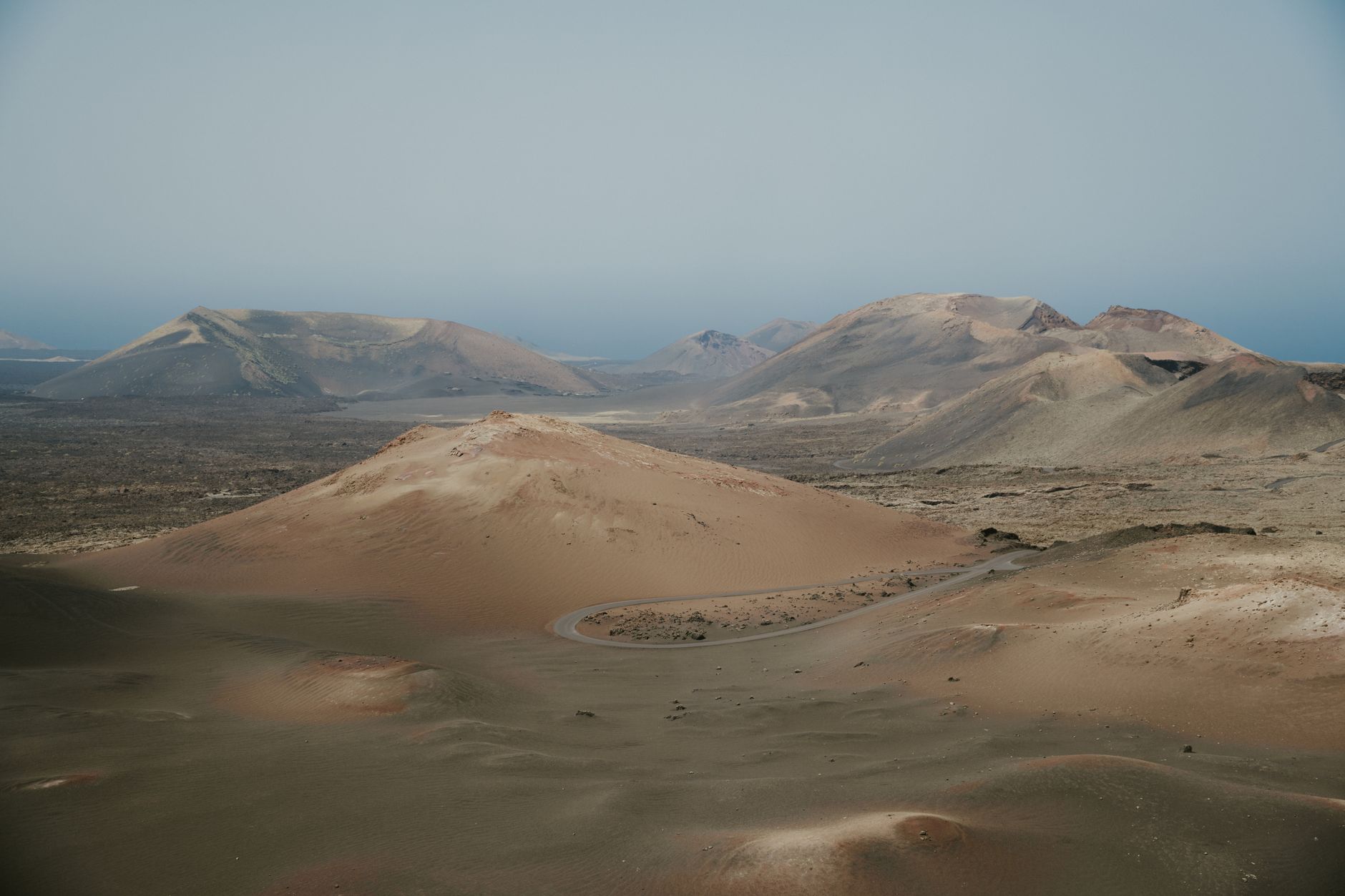
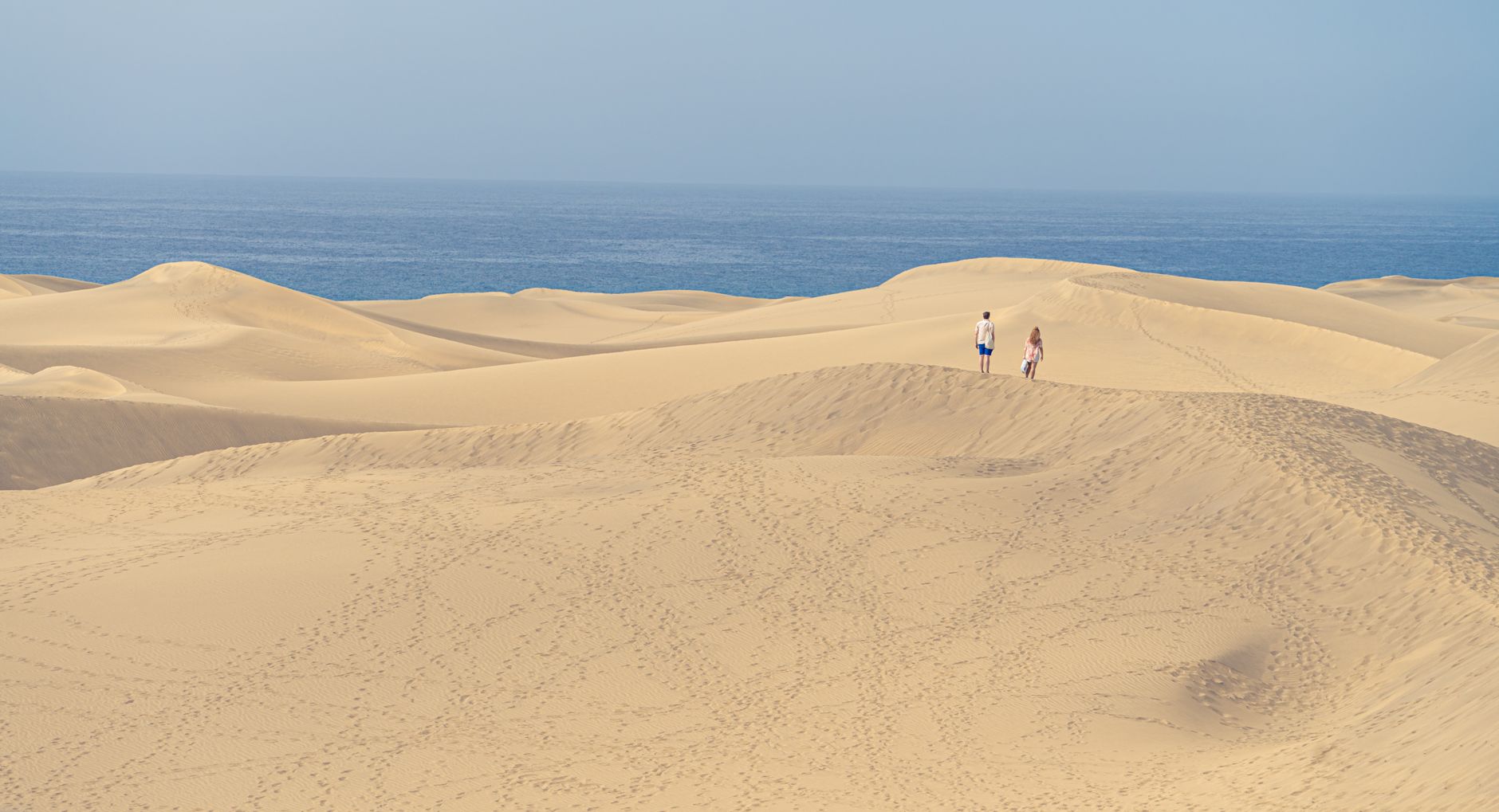
Eight islands, four of them worth a trip and each one a different landscape: Tenerife with the highest mountain in Spain, Gran Canaria with its green interior and dunes, Lanzarote with lava fields and a landscape designed around them, and…
Minimum 7 days · better 10-12 days · deep 2 weeks
Pair It With


In Canary Islands


In Canary Islands




Linked from elsewhere
Entries that name this place in their own nearby lists.
Logistics are verified only. We don't publish schedules we haven't confirmed.
Appears In
Experiences worth booking ahead
Spain Field Guide may earn a commission when you book through selected links. Recommendations are editorial and independent of commission.
Ready to build San Cristóbal de La Laguna into a trip?
You've found a place worth going. When you're ready to turn discovery into an itinerary, Travel Itinerary Co picks up where the Field Guide leaves off — with your saved places already in hand.
Build this into a tripContinues on Travel Itinerary Co
Spain Field Guide may earn a commission when you book through selected links. Recommendations are editorial and independent of commission.