Catedral de Santa Ana de Canarias

Worth a stop if you're in Las Palmas — a slow-built cathedral spanning four centuries, with an interesting mix of styles as a result.
The construction history itself, stretched from the 16th to 20th centuries, tells you something about the island's shifting fortunes, and the small diocesan museum next door is worth the extra time.
At a Glance
- — seeking stylistic unity
- — short island itinerary
Above the harbor in Las Palmas, this cathedral was built over four centuries, from the 16th to the 20th, and its interior shows the whole span: Gothic vaulting meeting the clean lines of Neoclassicism. A small diocesan museum next door holds pieces that trace the island's role as a bridge between Europe and the Americas. The building rewards time spent in its quieter corners.
How it got here
Construction began in 1497 under the Catholic Monarchs shortly after the Castilian conquest of Gran Canaria. The building grew slowly across four hundred years, a long timeline that required successive architects to reconcile late Gothic structural foundations with Renaissance and Neoclassical tastes. The result records the transition of the island from a remote colonial outpost into a major port of the Atlantic trade route between the Americas and Europe. The diocesan museum houses sacred art salvaged from the surrounding bishopric, evidence of the intense religious focus that defined colonial governance on the island long after the initial settlement phase passed.
Where it sits
The cathedral dominates the Vegueta neighborhood in Las Palmas de Gran Canaria, a cluster of stone houses at the edge of the Atlantic. The city spreads from the harbor toward the volcanic hills, where moisture-laden trade winds sustain a subtropical climate that keeps the air mild through the winter. High stone walls guard the square from the sea breeze, creating a space where the heat of the afternoon slows. Visitors traverse narrow lanes of cobblestone to reach the plaza, where the bulk of the cathedral dwarfs the low rooflines of the surrounding residential district.
What to eat and drink
The cuisine of Las Palmas relies on the produce of the island, particularly papas arrugadas, small waxy potatoes boiled in their skins with sea salt until the surface wrinkles and serves as a base for mojo rojo, a piquant sauce made with garlic, cumin, and dried red peppers. Gofio, a toasted grain flour that dates to the aboriginal Guanche culture, thickens soups or arrives as a side to accompany fresh fish. The province produces its own white wines from grapes grown in volcanic soils, often marked by the distinct mineral acidity of the island landscape.
Canary Islands: the whole region
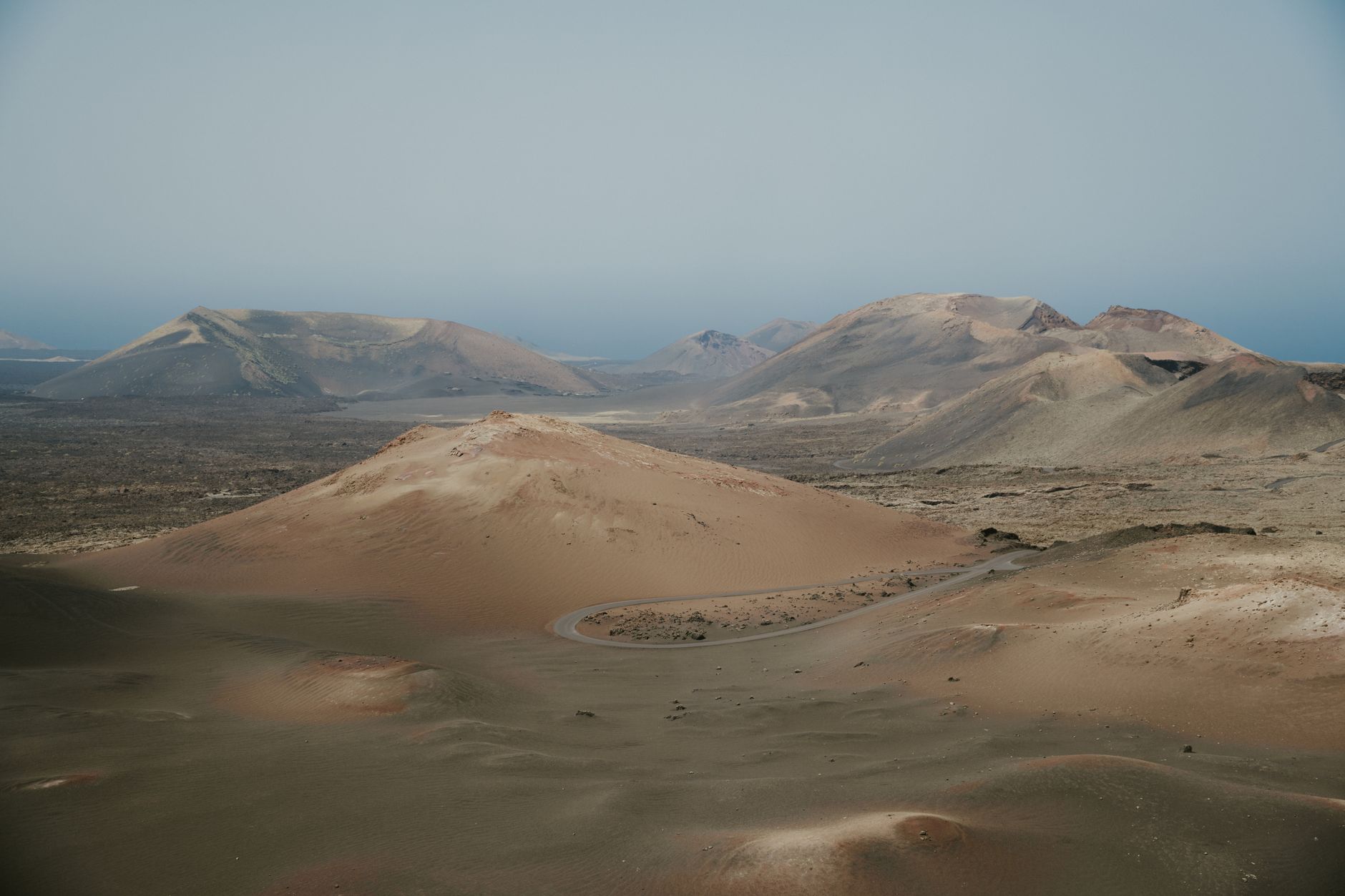
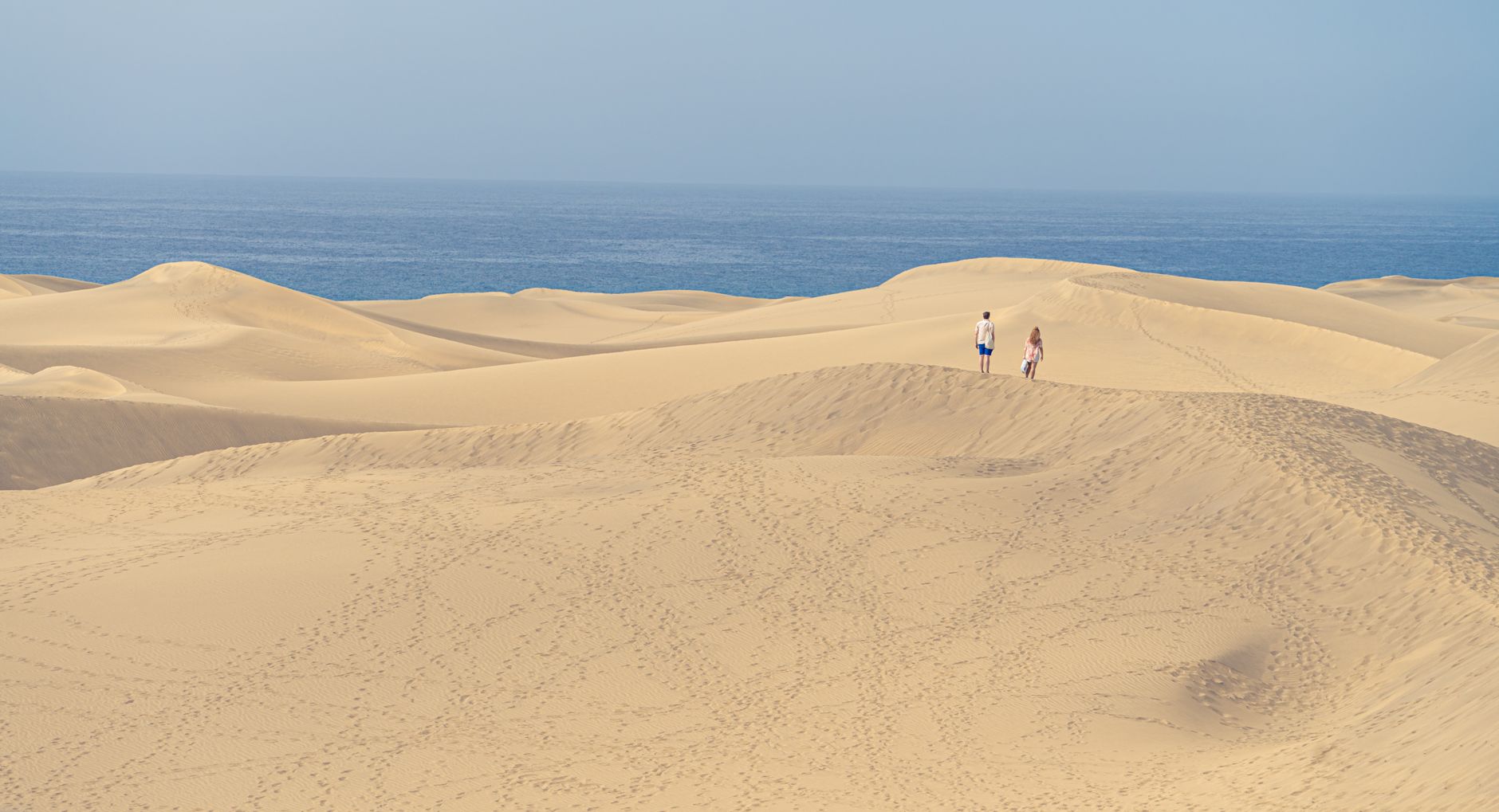
Eight islands, four of them worth a trip and each one a different landscape: Tenerife with the highest mountain in Spain, Gran Canaria with its green interior and dunes, Lanzarote with lava fields and a landscape designed around them, and…
Minimum 7 days · better 10-12 days · deep 2 weeks

In Canary Islands


In Canary Islands





Logistics are verified only. We don't publish schedules we haven't confirmed.
Experiences worth booking ahead
- Gran Canaria Peaks Full-Day Tour from Las Palmas4.7 (130)8 hrsFrom €55
- Paragliding Tandem Flight in Las Palmas de Gran Canaria4.8 (33)20 minFrom €109
- 2 Hours of Canoeing in the Sea in Las Palmas de Gran Canaria4.7 (12)2 hrsFrom €50
- Tuk-Tuk Neighbourhoods Tour around Las Palmas de Gran Canaria4.1 (20)1.5 hrsFrom €155
Spain Field Guide may earn a commission when you book through selected links. Recommendations are editorial and independent of commission.
Ready to build Catedral de Santa Ana de Canarias into a trip?
You've found a place worth going. When you're ready to turn discovery into an itinerary, Travel Itinerary Co picks up where the Field Guide leaves off — with your saved places already in hand.
Build this into a tripContinues on Travel Itinerary Co
Spain Field Guide may earn a commission when you book through selected links. Recommendations are editorial and independent of commission.