Playa de Famara

A serious surf beach with a dramatic backdrop — come for the waves and the cliffs, not a lazy swim.
A three-mile crescent of sand sits beneath towering volcanic cliffs, with consistent Atlantic swell drawing surfers year-round.
At a Glance
- — non-swimmers
- — calm-water seekers
- — families with small kids
A three-mile crescent of sand sits directly beneath massive, jagged volcanic cliffs that loom over the entire beach. The Atlantic swell here is consistent and strong, drawing a steady crowd of surfers and kiteboarders year-round. It is a dramatic, high-energy environment, better suited for watching the waves break or walking the coast than for a quiet dip.
How it got here
Lanzarote emerged from the Atlantic through volcanic activity, with the island serving as a rugged outpost for early indigenous Guanche populations before the fifteenth-century Castilian conquest. The northwest coast, where the Famara massif rises, held little strategic value for early settlers compared to the fertile plains to the south. Instead, this edge of the island provided timber and salt, remaining isolated while colonial administrators established trade routes from Arrecife. Today, the stillness of the landscape reflects centuries of sparse settlement, as the harsh winds and shifting sands discouraged permanent villages in favor of the more protected, volcanic interior valleys.
Where it sits
The Risco de Famara cliffs dominate the skyline, separating the coastal strip from the central plains of Teguise. Atlantic winds strike these basalt walls directly, creating a turbulent environment that persists through all seasons. Low rainfall and dry soil define the terrain, which transitions from sandy beaches to jagged lava flows. Travel to this reach requires traversing narrow roads that wind through the volcanic hills. The tide dictates access to the shore, as the ocean covers wide segments of sand during high water, leaving the coast exposed to salt spray and relentless trade winds.
What to eat and drink
Local fare centers on the products of the sea and the dry volcanic fields. Papas arrugadas, small potatoes boiled in salted water until their skins wrinkle, accompany most meals alongside mojo, a pungent sauce of garlic, oil, vinegar, and ground peppers. Fresh fish remains the primary staple, often prepared as sancocho, a stew of salted fish served with gofio, a toasted flour made from wheat or maize. To drink, the Malvasía volcánica white wines cultivated in the nearby Geria region provide a crisp, mineral quality that balances the salt of the Atlantic.
Canary Islands: the whole region
Eight islands, four of them worth a trip and each one a different landscape: Tenerife with the highest mountain in Spain, Gran Canaria with its green interior and dunes, Lanzarote with lava fields and a landscape designed around them, and…
Minimum 7 days · better 10-12 days · deep 2 weeks
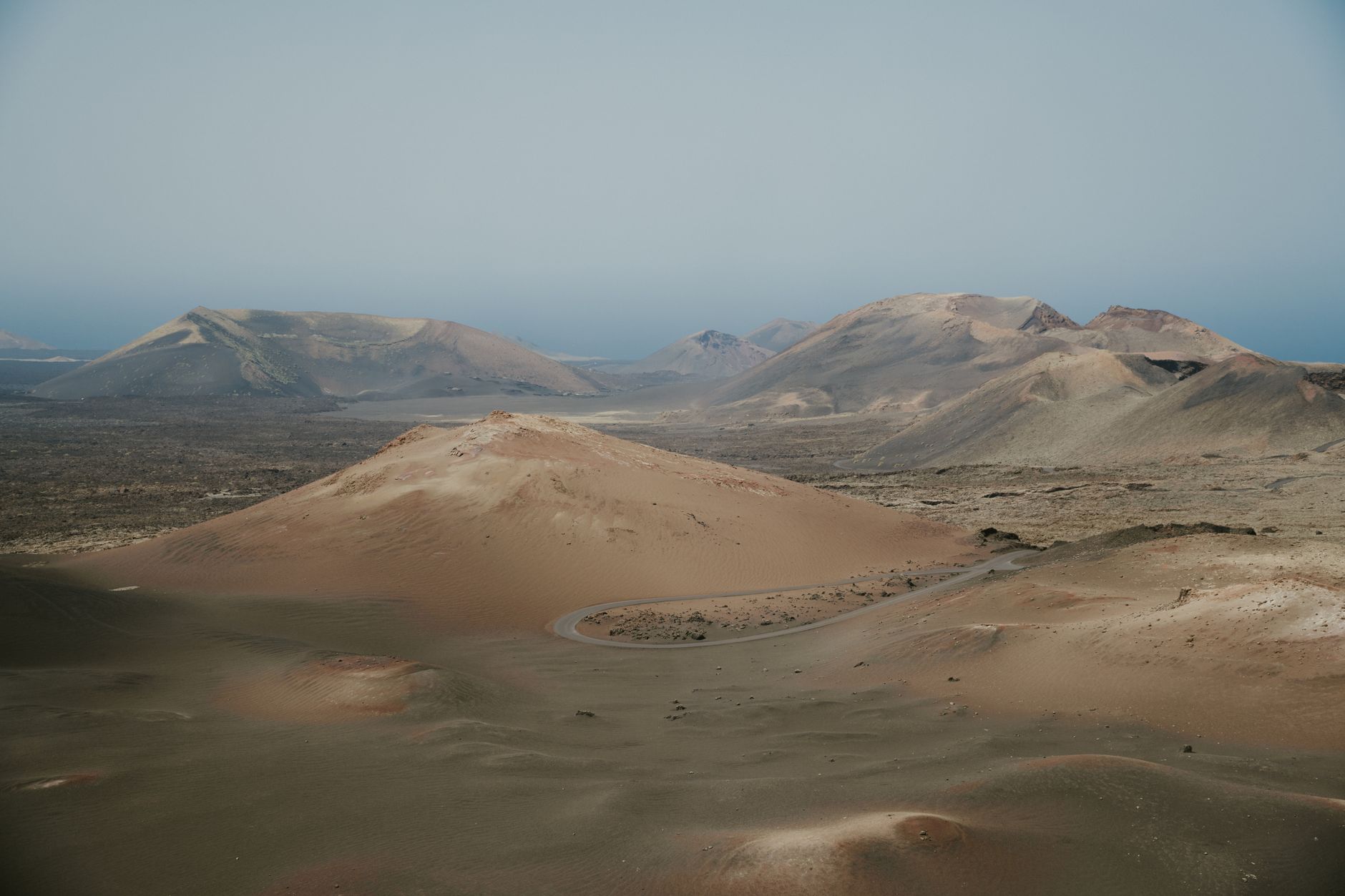
In Canary Islands


In Canary Islands


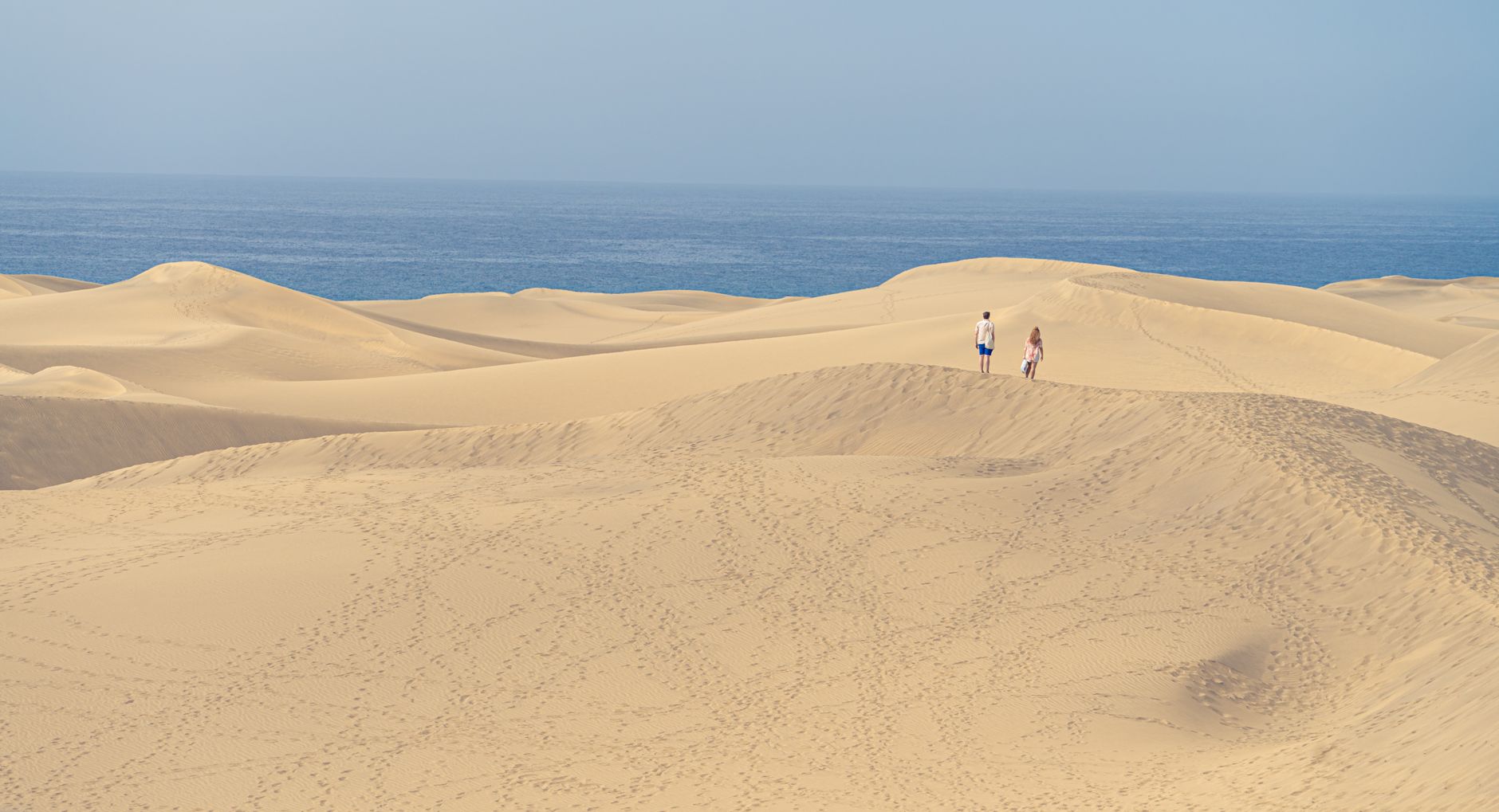


Logistics are verified only. We don't publish schedules we haven't confirmed.
Appears In
Experiences worth booking ahead
- Catamaran Sailing in Lanzarote4.9 (848)4 hrsFrom €85
- Tour to Timanfaya, Jameos del Agua, Cueva de los Verdes and viewpoint from the cliff4.8 (1,521)9 hrsFrom €90
- Lanzarote: La Graciosa island cruise with lunch and water activities4.5 (599)5 hrsFrom €59
- Lanzarote Winery & Tapas Tour: 4 Local Bodegas4.9 (69)6 hrsFrom €149
Spain Field Guide may earn a commission when you book through selected links. Recommendations are editorial and independent of commission.
Ready to build Playa de Famara into a trip?
You've found a place worth going. When you're ready to turn discovery into an itinerary, Travel Itinerary Co picks up where the Field Guide leaves off — with your saved places already in hand.
Build this into a tripContinues on Travel Itinerary Co
Spain Field Guide may earn a commission when you book through selected links. Recommendations are editorial and independent of commission.