Ropa Vieja

A Canarian leftover classic. Eat it in a Tenerife or Gran Canaria guachinche with papas arrugadas.
Canaries' chickpea-and-meat hash: leftover cocido chickpeas and beef or chicken shredded and fried with garlic, onion, peppers and tomato into a savoury hash. 'Old clothes' — the name for its ragged look. A Latin American cousin, the Canarian original.
At a Glance
- — You dislike chickpea stews
Born from the leftovers of a traditional chickpea stew, this Canarian hash repurposes shredded beef or chicken with onions, peppers, and garlic. The name, meaning 'old clothes,' refers to the ragged, colorful strips of meat that are fried until they absorb the savory juices of the pan. It is best discovered in a family-run guachinche on Tenerife, where it is served as a hearty, honest lunch alongside a generous portion of salt-wrinkled papas arrugadas.
How it got here
Canarian cooking evolved from a necessity to stretch resources during periods of scarcity on the islands. The dish stems from puchero canario, a substantial stew of beef, pork, and local vegetables. Once the broth and solids were consumed, cooks salvaged the leftover shredded meat and chickpeas by frying them with a base of garlic, peppers, and onions. This transformation of scraps into a distinct second course speaks to the historical reliance on thrift within isolated agrarian households. The name itself preserves this tradition of waste reduction, as the tattered appearance of the meat strips suggests the fabric of worn clothing.
Where it sits
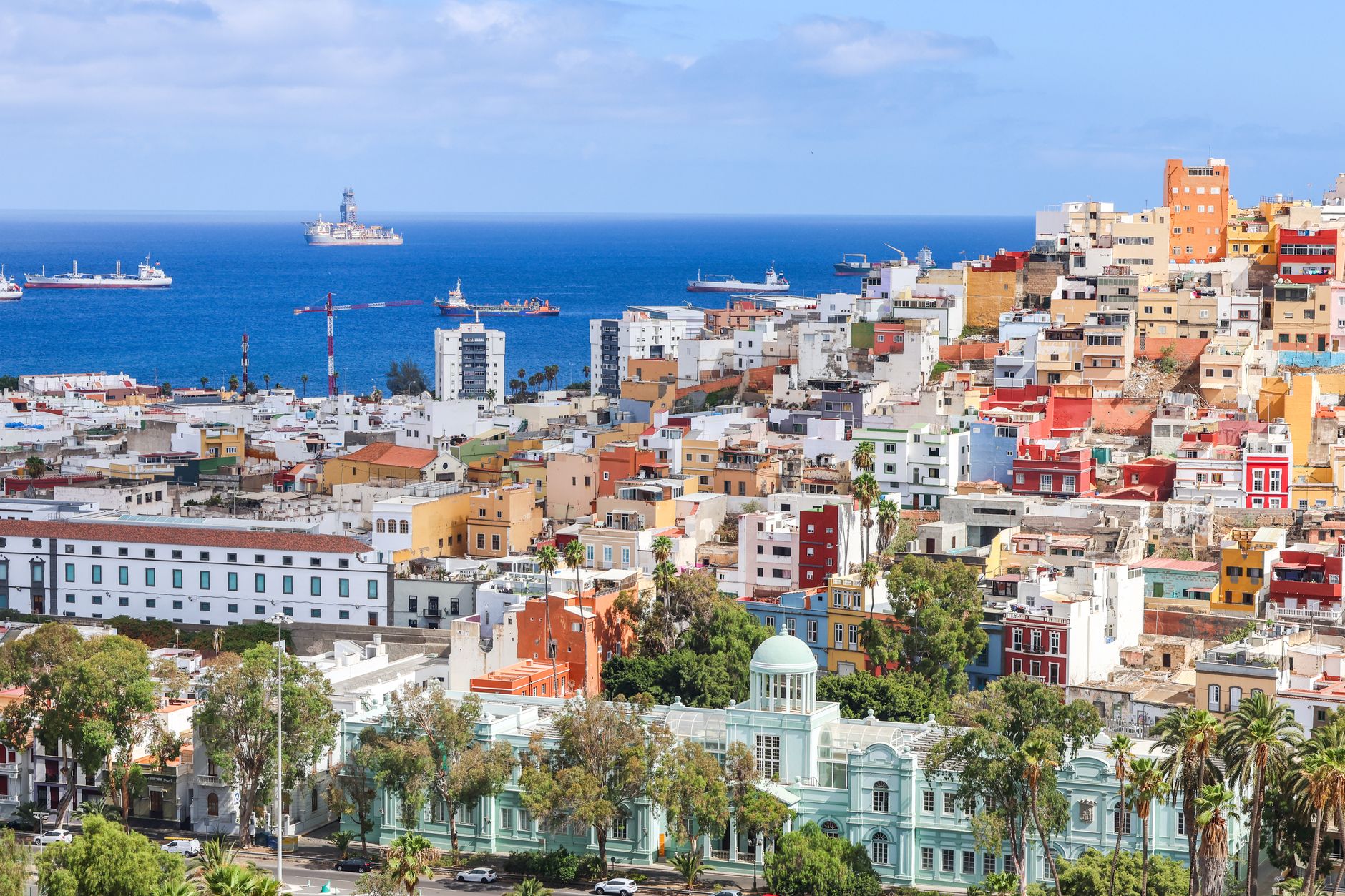
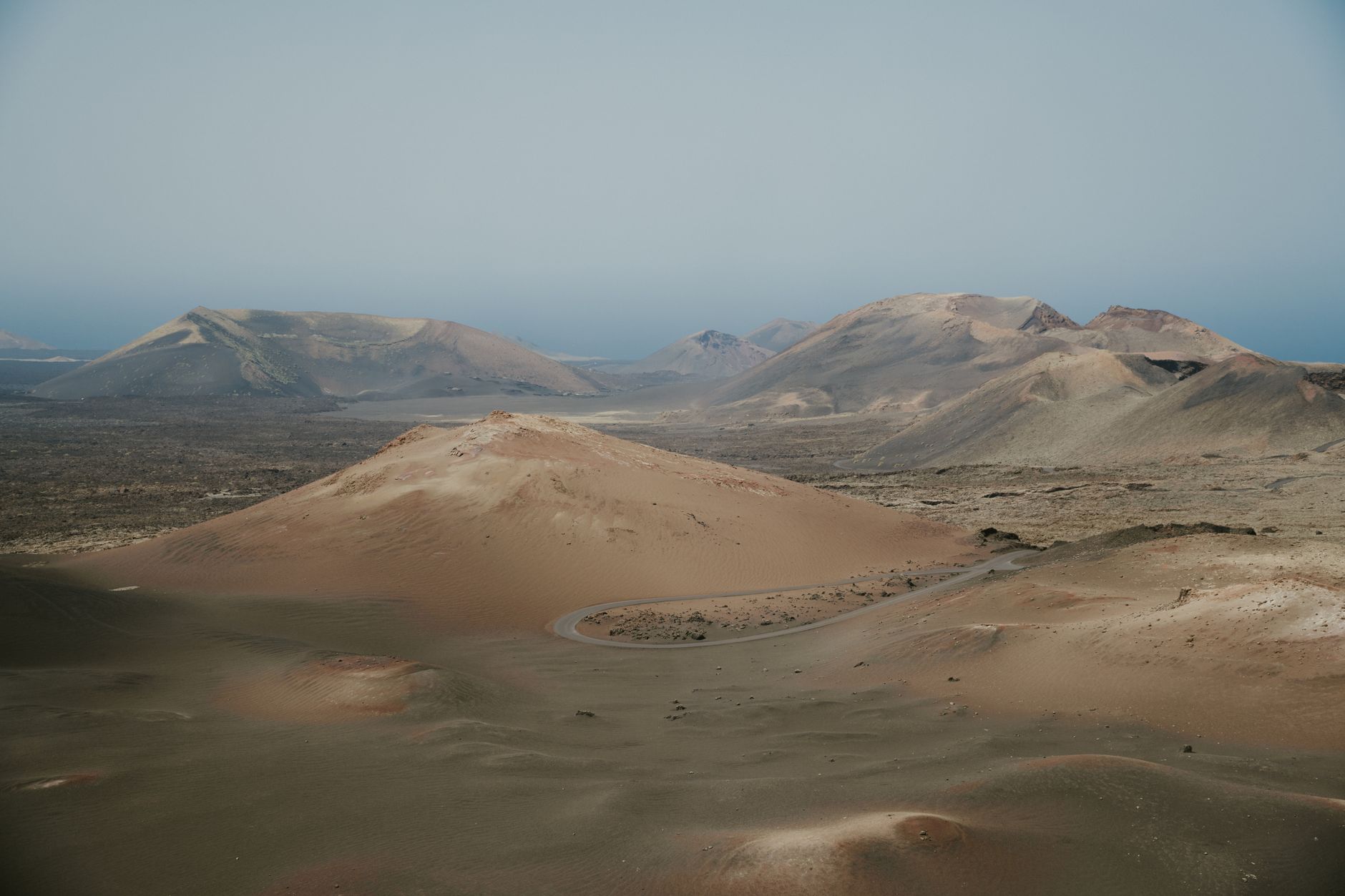
The terrain of the Canary Islands rises abruptly from the Atlantic, creating climates ranging from arid coastal scrub to humid laurel forests at higher elevations. Agricultural life centers on small terraced plots carved into volcanic slopes where farmers grow potatoes and onions in mineral-rich soil. Travel between these pockets of cultivation often involves navigating steep, winding roads that bypass modern centers for traditional hillside hamlets. The atmosphere shifts with the arrival of the trade winds, which bring seasonal moisture to the northern slopes and keep the southern landscapes dry throughout the year.
What to eat and drink
Ropa vieja occupies a central place in the diet alongside papas arrugadas, small potatoes boiled in their skins with sea salt until the surface wrinkles and turns white. These potatoes usually arrive with mojo, a sharp sauce made from olive oil, garlic, and either red picon peppers or green cilantro. Diners pair these meals with the firm, earthy wines produced in the islands, particularly those from the volcanic soils of Lanzarote or the northern valleys of Tenerife. Gofio, a toasted flour made from wheat or maize, also appears as a staple accompaniment to thick vegetable broths.
Canary Islands: the whole region
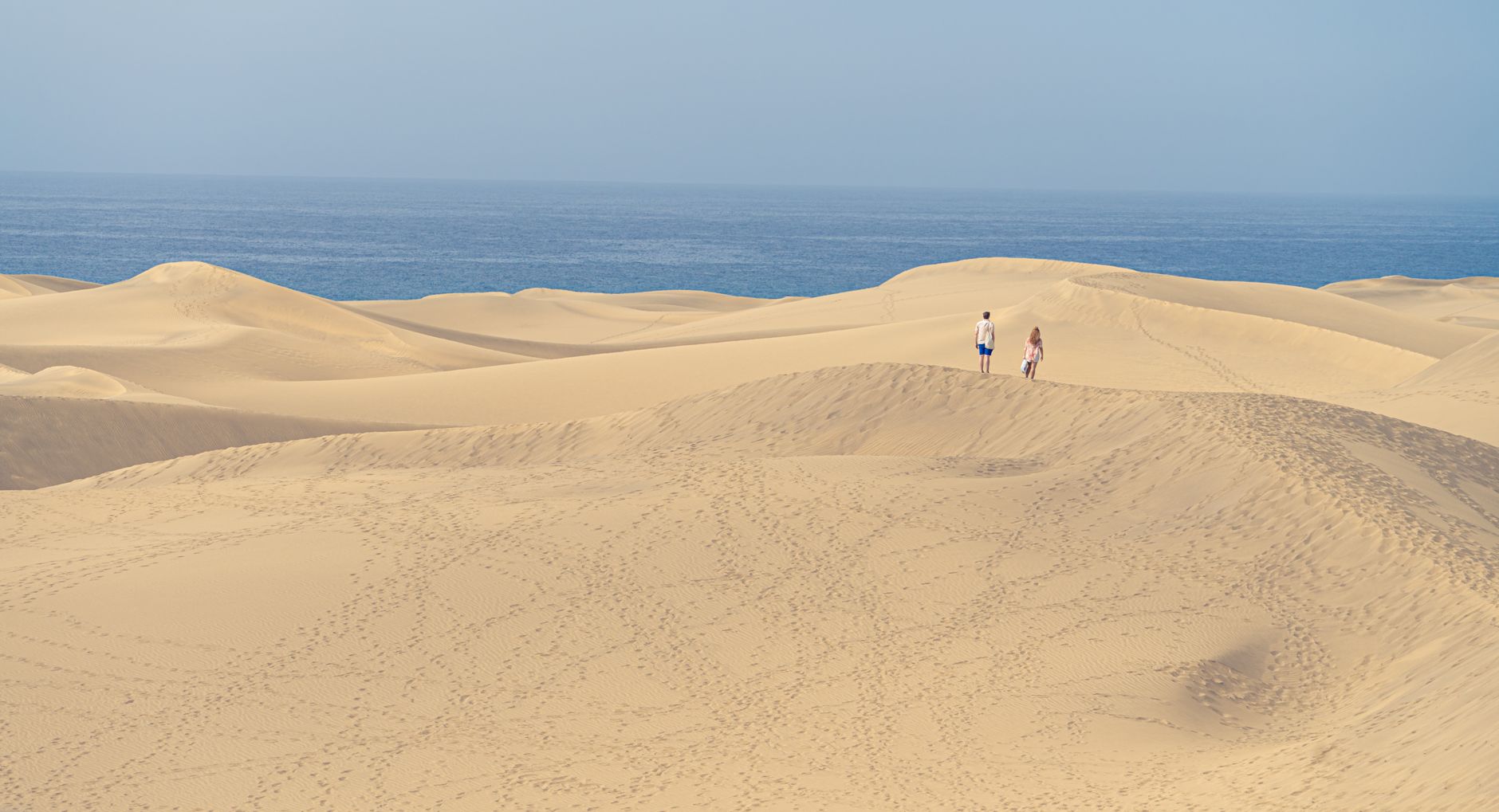
Eight islands, four of them worth a trip and each one a different landscape: Tenerife with the highest mountain in Spain, Gran Canaria with its green interior and dunes, Lanzarote with lava fields and a landscape designed around them, and…
Minimum 7 days · better 10-12 days · deep 2 weeks
What's Nearby

Pair It With


In Canary Islands
In Canary Islands





Logistics are verified only. We don't publish schedules we haven't confirmed.
Ready to build Ropa Vieja into a trip?
You've found a place worth going. When you're ready to turn discovery into an itinerary, Travel Itinerary Co picks up where the Field Guide leaves off — with your saved places already in hand.
Build this into a tripContinues on Travel Itinerary Co
Spain Field Guide may earn a commission when you book through selected links. Recommendations are editorial and independent of commission.