Papas Arrugadas con Mojo

The Canary Islands' national plate. Eat it with fresh fish and a generous spoon of mojo verde.
Canaries' signature: small wrinkled potatoes boiled in heavily salted water until the skin wrinkles and the salt crusts, served with mojo picón (red, spicy pepper sauce) and mojo verde (coriander-garlic). The plate every Canarian meal returns to.
At a Glance
- — You're on a no-salt diet
Small, tender baby potatoes are boiled in water so heavily salted that the skins shrivel into a salty, dusty crust. The result is a simple, textured bite that serves as the perfect canvas for two essential Canarian sauces: the zesty, garlic-heavy mojo verde and the spicy, paprika-forward mojo picón. It is the national plate of the Canary Islands, appearing on every table alongside fresh-grilled fish, serving as a reminder that the best flavors often require nothing more than ocean salt and good soil.
How it got here
Potatoes arrived in the Canary Islands from the Americas during the sixteenth century. Isolated from the mainland and blessed with volcanic earth, the islands became a botanical refuge for diverse potato cultivars. The practice of boiling these tubers in seawater stems from a necessity born of limited fresh water and the availability of sea salt. This technique persists today as a cultural marker of Canarian identity. It binds the local diet to the Atlantic maritime environment, preserving a culinary method that predates modern industrial agriculture and ignores the complex, heavy sauces found in the cooking of the Iberian Peninsula.
Where it sits
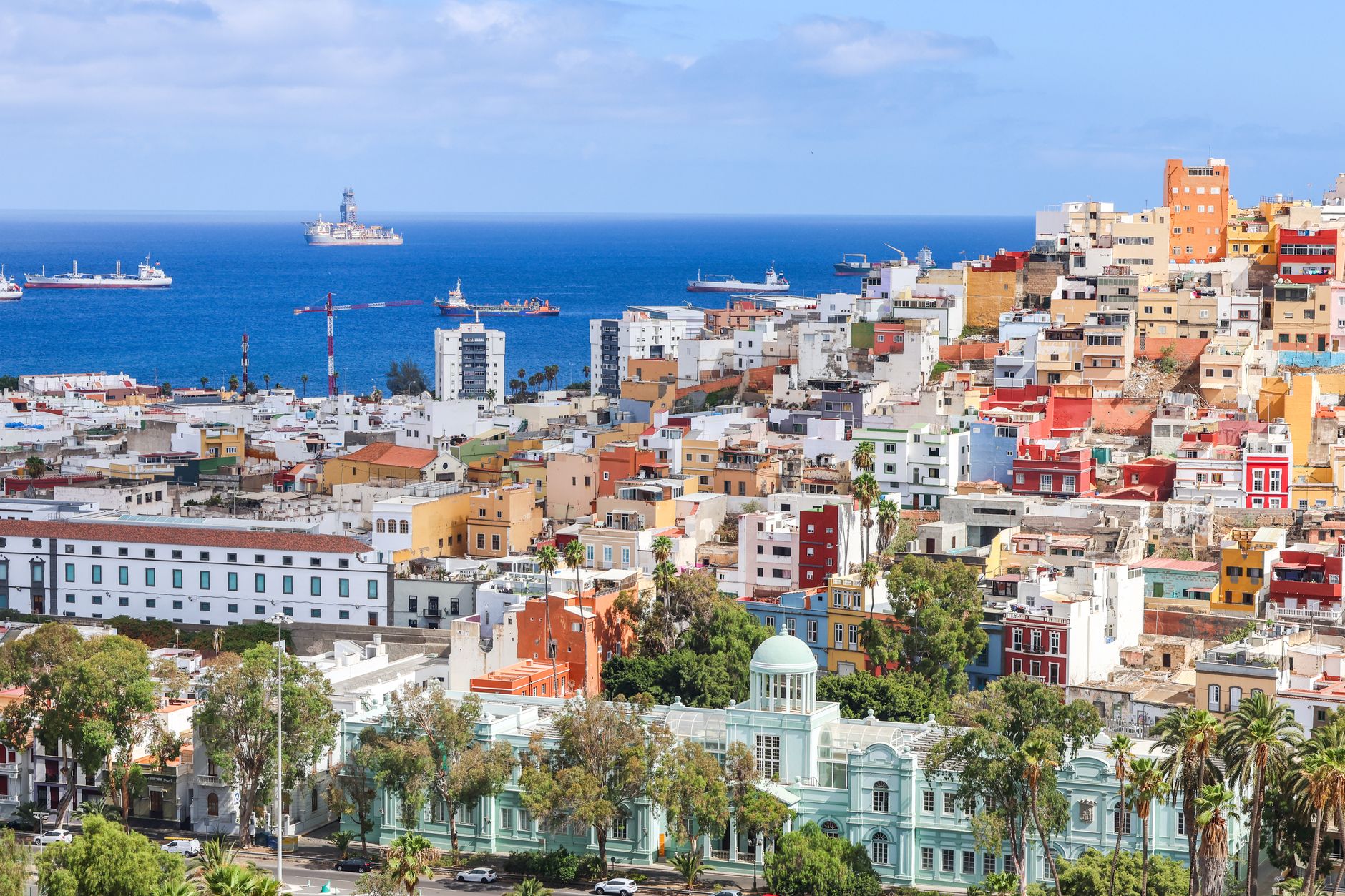
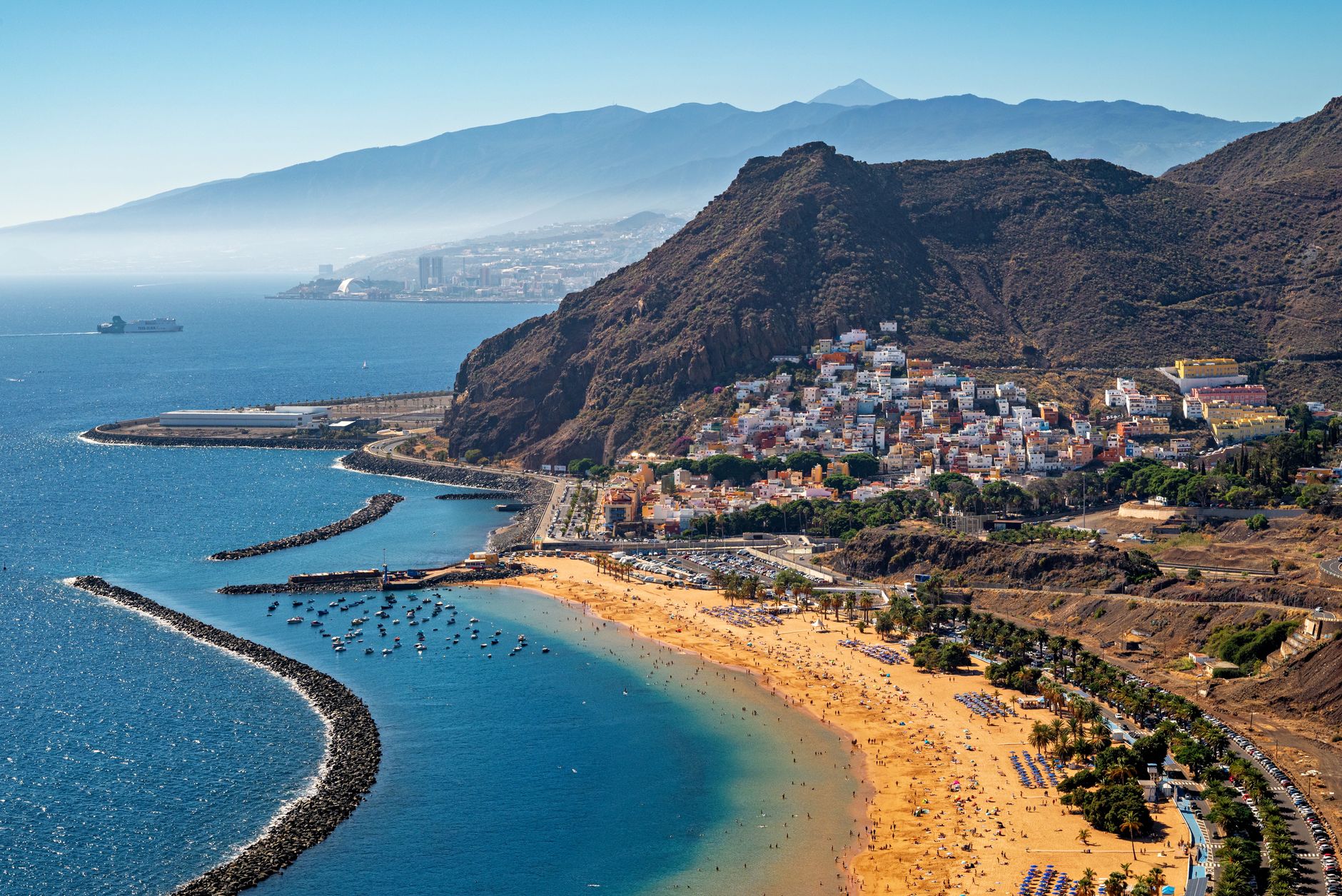
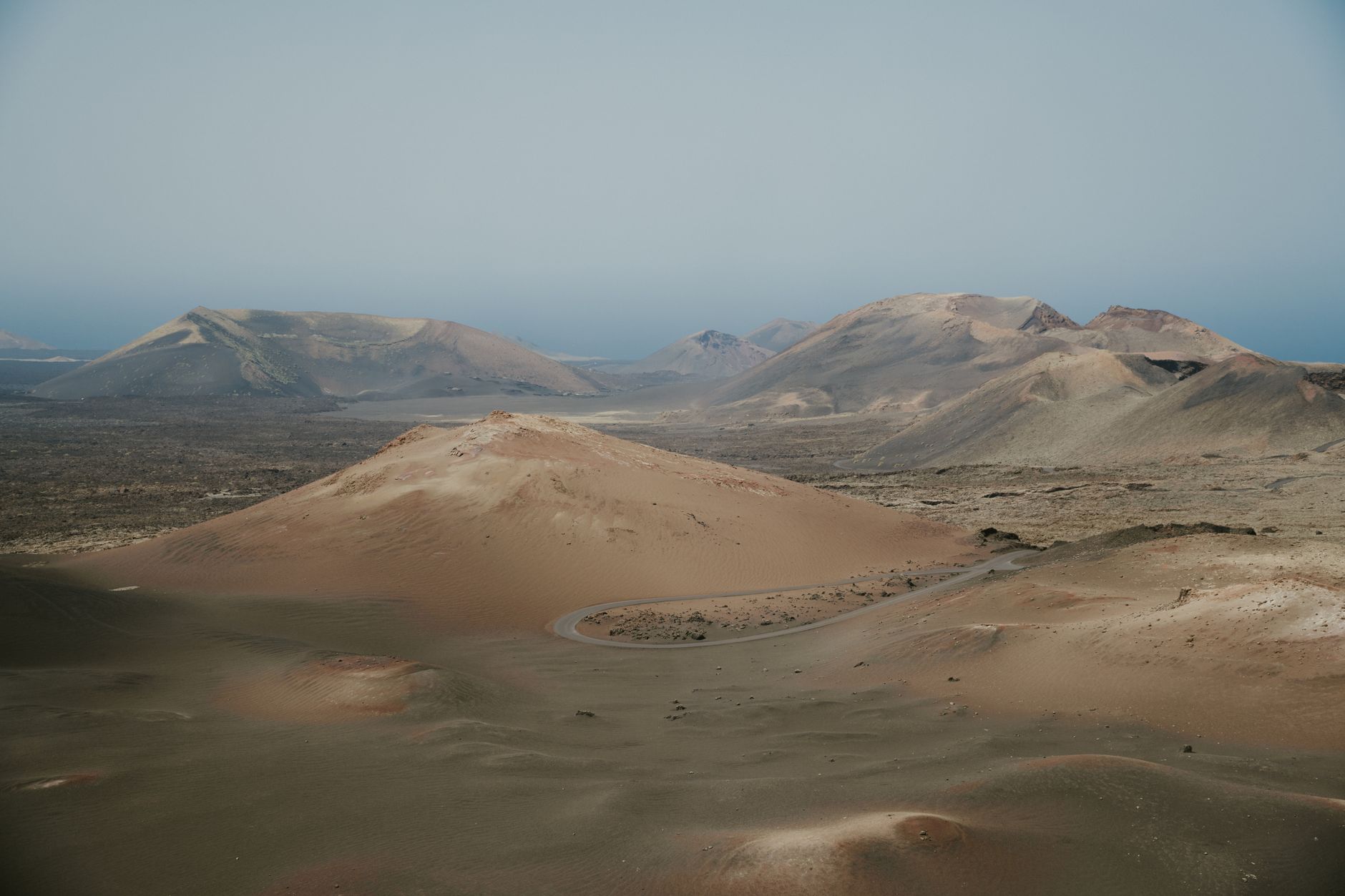
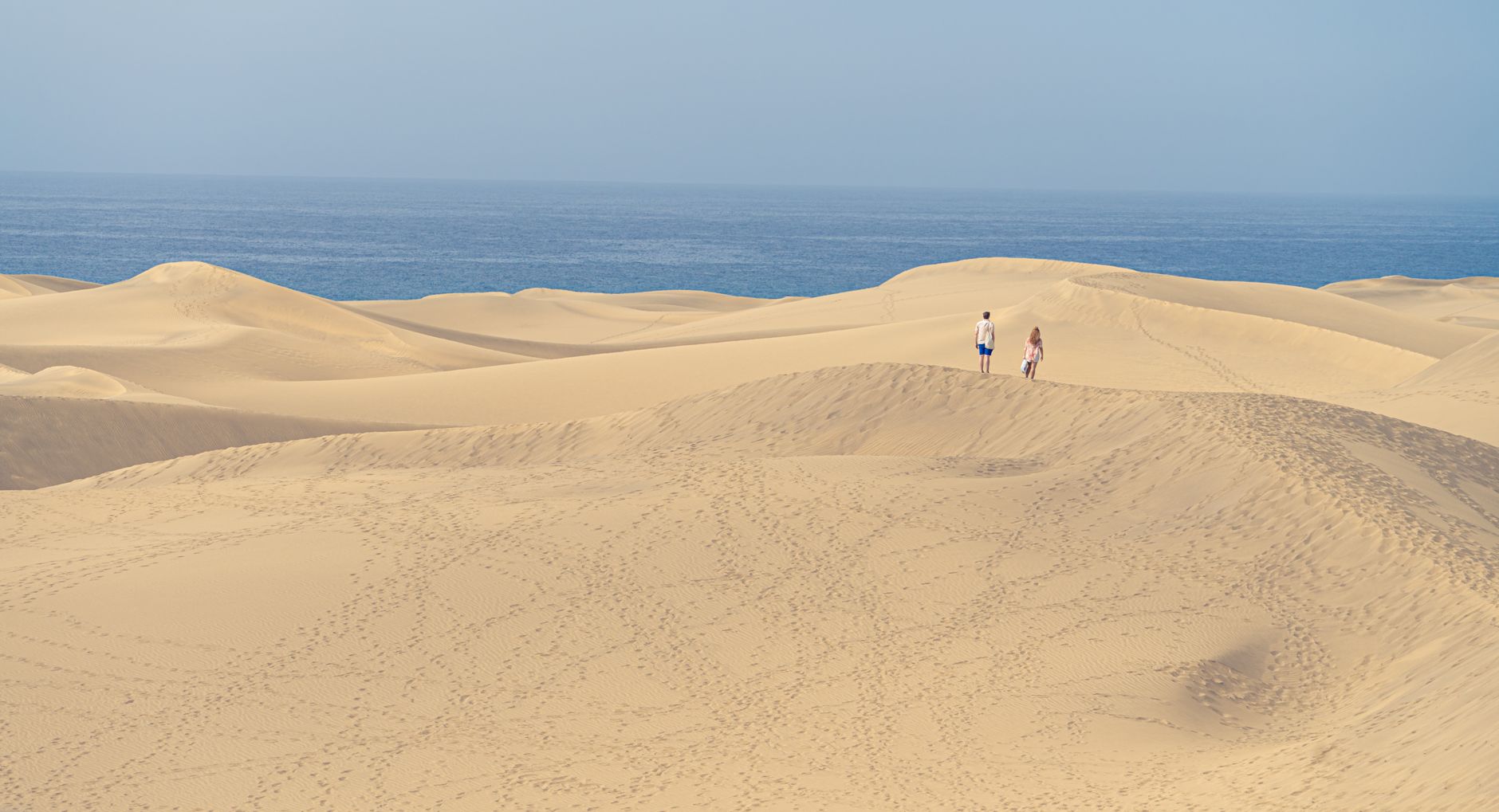
The islands rise from the Atlantic Ocean as a volcanic chain. The terrain shifts from arid coastal stretches to high, pine-covered peaks. In the lower altitudes, the air stays warm year-round, while mountain villages experience sharp drops in temperature during the winter months. Trade winds dictate the climate, bringing moisture to the northern slopes and leaving the south dry and rocky. The archipelago remains a distinct geographic entity, separated from the European continent by hundreds of miles of ocean. Travel between the islands requires short flights or regular ferry crossings across deep, turbulent currents.
What to eat and drink
Mojo verde relies on green peppers, cilantro, cumin, and garlic, while mojo picón uses dried pimentón peppers for a sharper heat. These sauces accompany more than just potatoes. Gofio, a toasted cereal flour ground from barley or wheat, often appears as a thickening agent in soups or mixed into stews. Fresh fish like vieja, a parrotfish with white, delicate meat, forms the primary protein in coastal kitchens. Local malvasía wines from volcanic vineyards on islands such as Lanzarote provide a mineral, dry contrast to the salt and oil present in the typical island meal.
Canary Islands: the whole region
Eight islands, four of them worth a trip and each one a different landscape: Tenerife with the highest mountain in Spain, Gran Canaria with its green interior and dunes, Lanzarote with lava fields and a landscape designed around them, and…
Minimum 7 days · better 10-12 days · deep 2 weeks
What's Nearby

Pair It With

In Canary Islands


In Canary Islands





Linked from elsewhere
Entries that name this place in their own nearby lists.
Logistics are verified only. We don't publish schedules we haven't confirmed.
Ready to build Papas Arrugadas con Mojo into a trip?
You've found a place worth going. When you're ready to turn discovery into an itinerary, Travel Itinerary Co picks up where the Field Guide leaves off — with your saved places already in hand.
Build this into a tripContinues on Travel Itinerary Co
Spain Field Guide may earn a commission when you book through selected links. Recommendations are editorial and independent of commission.