Gofio

The Canarian staple. Try it mixed into a stew (escaldón) rather than on its own.
Canaries' ancient staple: toasted, stone-ground grain flour (wheat, maize, millet or millo), eaten moistened with stock or milk, kneaded into a dough, or stirred into stews. A Guanche food that pre-dates the Spanish conquest.
At a Glance
- — You dislike toasted grain porridge
This toasted, stone-ground grain flour is a relic of the Guanche people, predating the arrival of the Spanish in the Canary Islands. It possesses a deep, nutty flavor that serves as an incredibly versatile staple, often stirred into broths to thicken them or kneaded into a dough. For the most authentic experience, seek out an escaldón—a traditional stew where the gofio is incorporated directly into the boiling stock, turning the meal into a hearty, comforting porridge.
How it got here
The Guanche people ground roasted grains into flour to sustain themselves across the Canary Islands long before European ships reached the archipelago. This technique survived the conquest because it provided a stable food source in a volcanic landscape where traditional cereal farming struggled. Each island developed its own methods for toasting wheat, barley, or maize, depending on what the soil yielded. The practice persisted through centuries of isolation and trade shifts, moving from a survival necessity to a cultural identifier. Today, it persists as a direct link to the pre-colonial diet, sustaining the island identity against the pressures of imported modern convenience.
Where it sits
The archipelago rises steeply from the Atlantic, a chain of scorched basalt and lush laurel forests dictated by the trade winds. Access requires navigating mountain roads that snake around volcanic ridges where mist clings to the northern slopes while the southern faces remain dry. Summer heat softens the black rock, but the higher elevations keep a sharp chill during the winter months. The villages hold tight to the hillsides, keeping their distance from the tourism corridors on the coast. Life here slows in the mid-day sun, leaving the narrow paths quiet until the evening breeze returns.
What to eat and drink
Escaldón de gofio defines the local table, made by stirring flour into a bubbling fish or meat broth until it reaches a thick, doughy consistency. Diners eat it with raw red onion, which adds a sharp crunch to the earthy grain base. Pella de gofio offers a simpler preparation, where the flour mixes with honey, oil, or nuts into a dense cylinder sliced for a midday snack. Pair these with Malvasía wine grown in the volcanic ash of Lanzarote, or drink goat milk produced by the herds that graze the island scrubland.
Canary Islands: the whole region
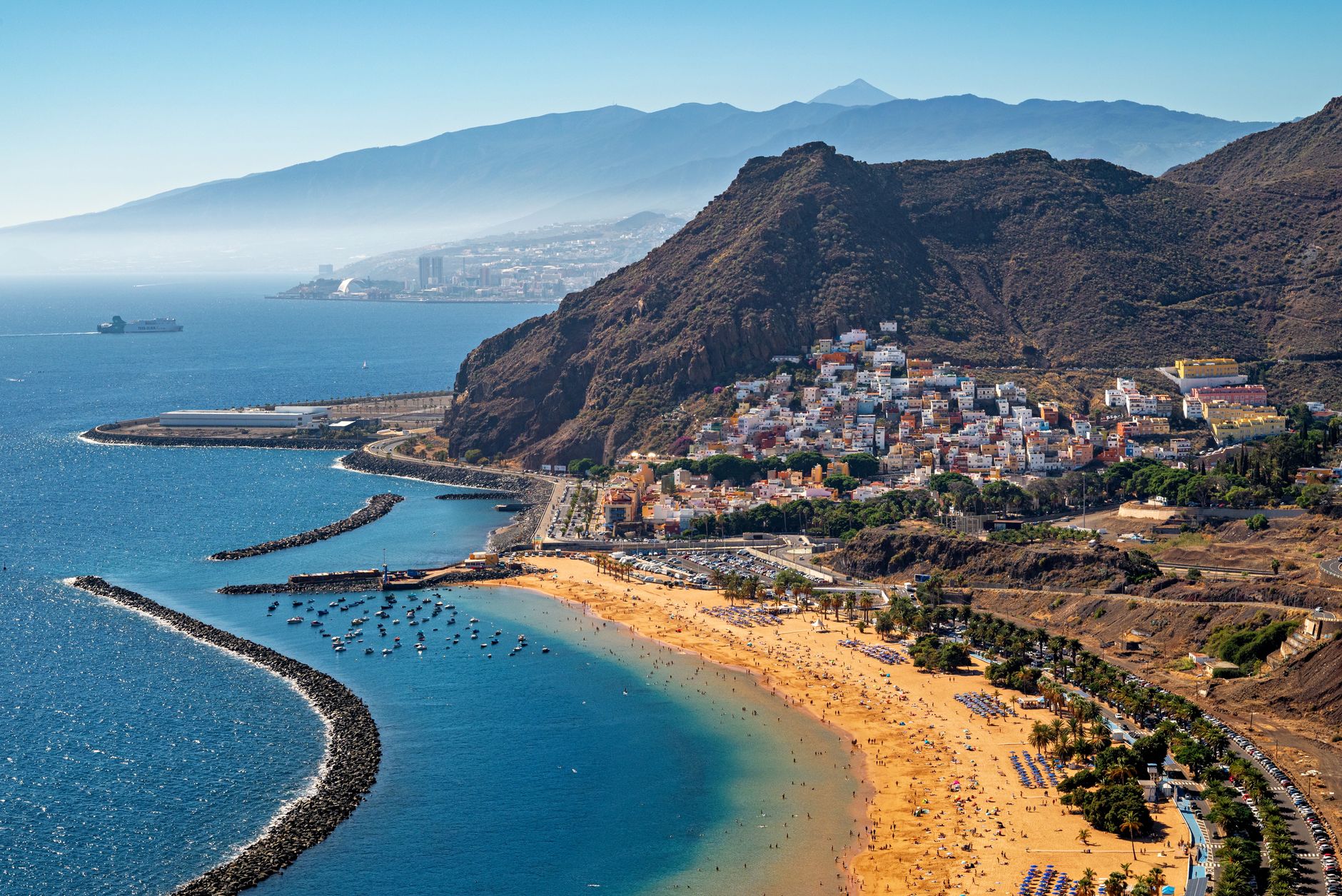
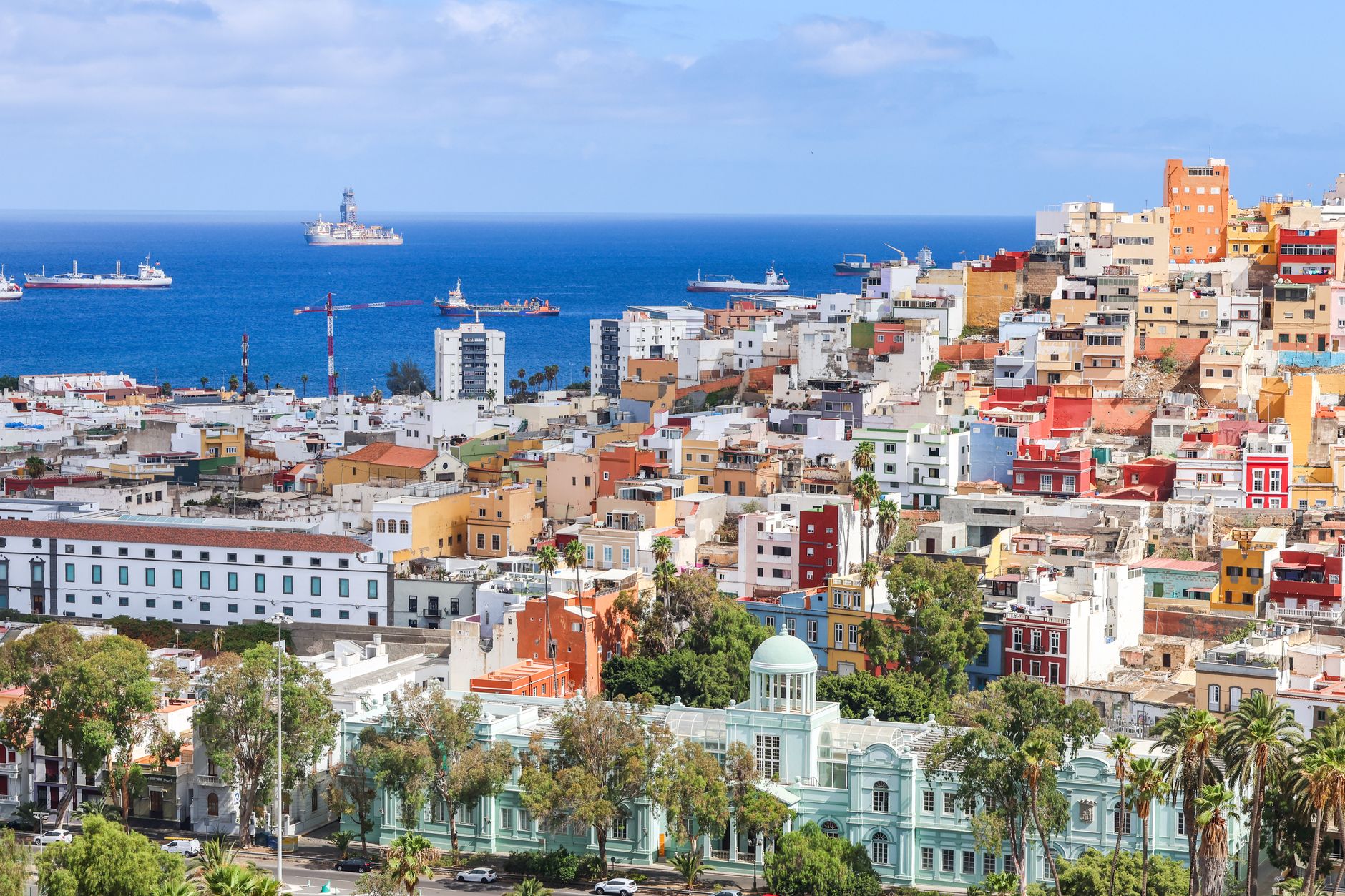
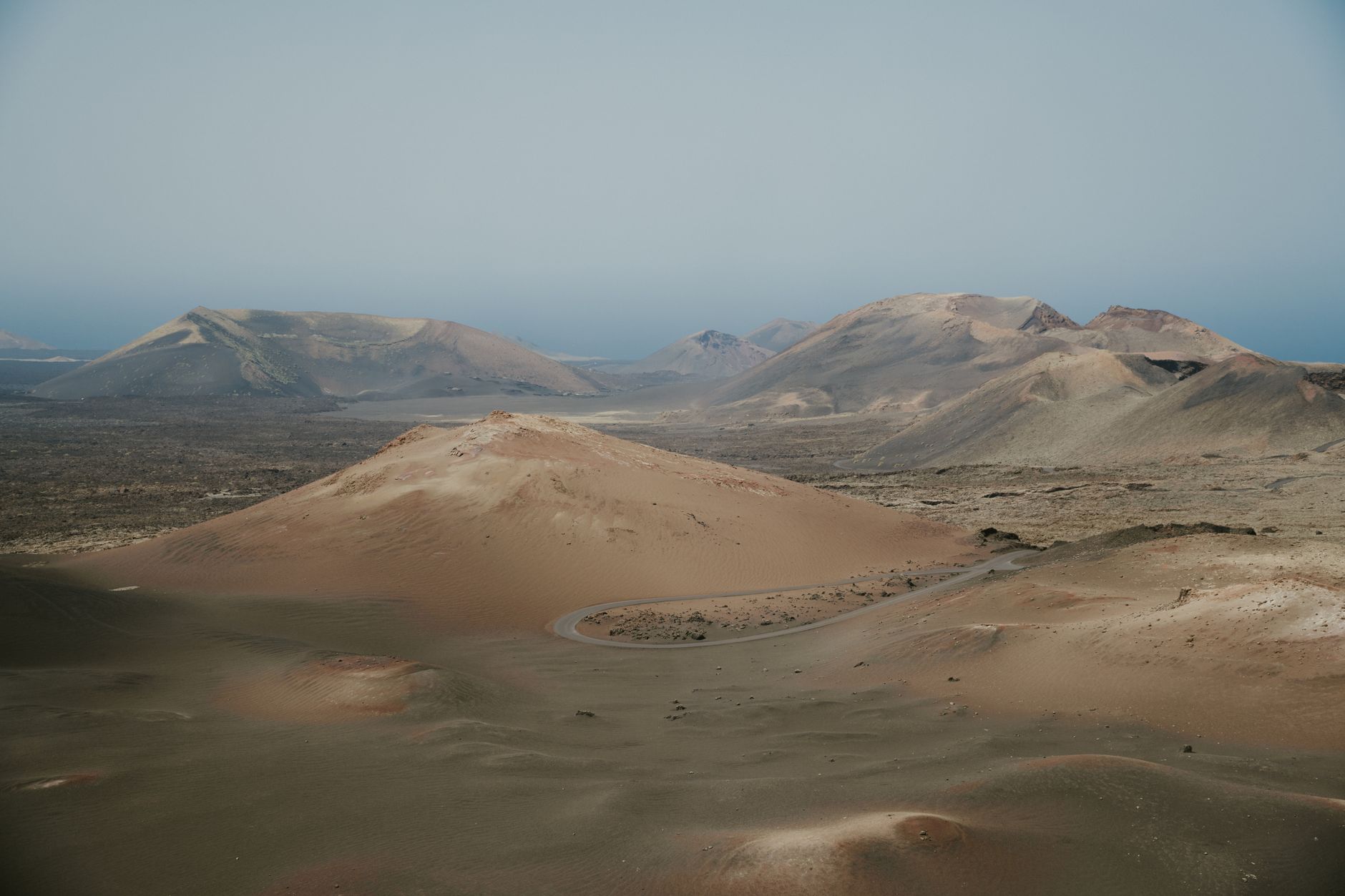
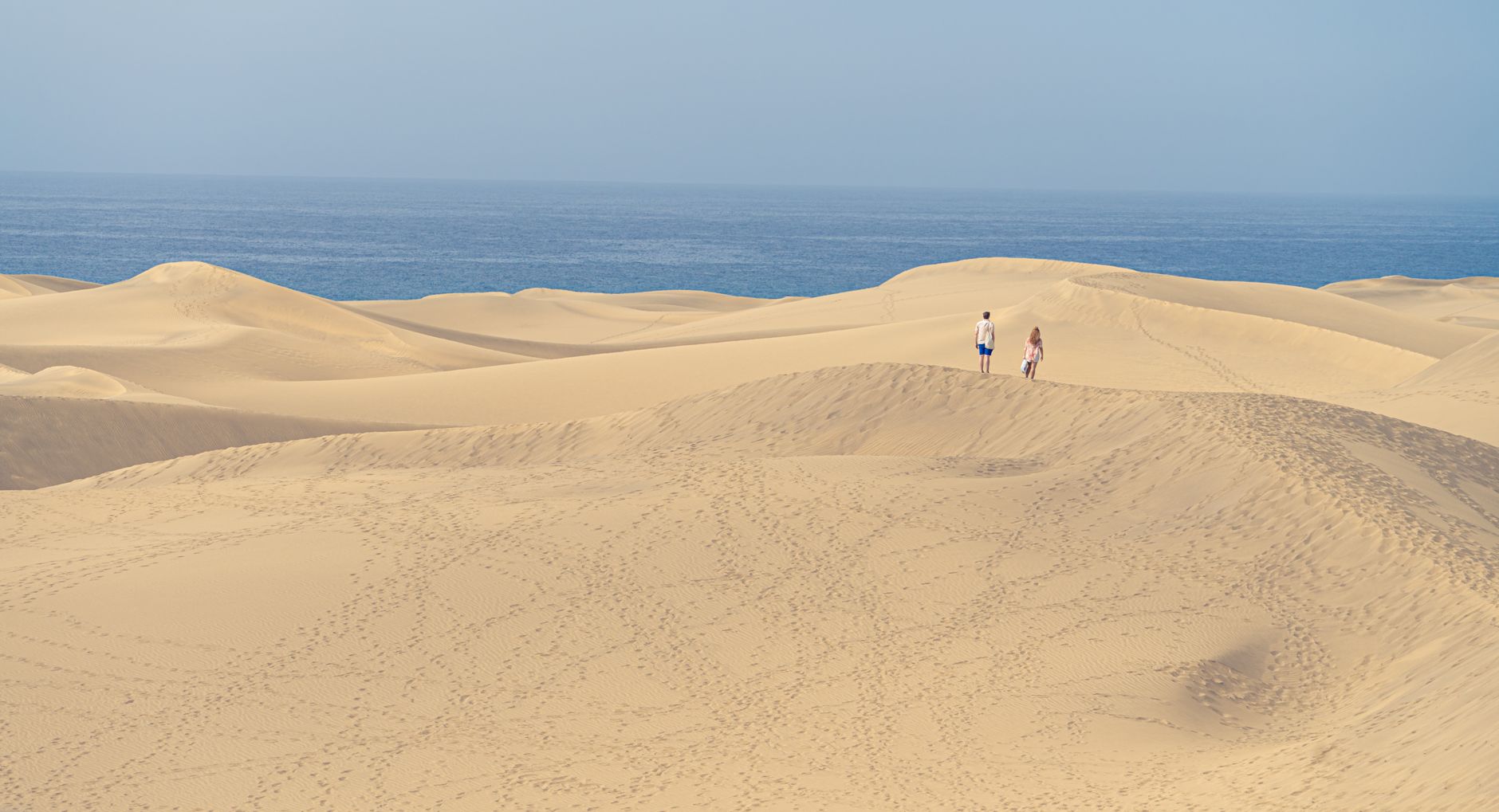
Eight islands, four of them worth a trip and each one a different landscape: Tenerife with the highest mountain in Spain, Gran Canaria with its green interior and dunes, Lanzarote with lava fields and a landscape designed around them, and…
Minimum 7 days · better 10-12 days · deep 2 weeks
What's Nearby
Pair It With


In Canary Islands

In Canary Islands





Linked from elsewhere
Entries that name this place in their own nearby lists.
Logistics are verified only. We don't publish schedules we haven't confirmed.
Ready to build Gofio into a trip?
You've found a place worth going. When you're ready to turn discovery into an itinerary, Travel Itinerary Co picks up where the Field Guide leaves off — with your saved places already in hand.
Build this into a tripContinues on Travel Itinerary Co
Spain Field Guide may earn a commission when you book through selected links. Recommendations are editorial and independent of commission.