Gran Canaria

A flexible winter base. The interior valleys are the surprise; the south is resort-heavy.
A 'miniature continent' of microclimates — dunes, mountains, and green valleys within an hour's drive. The most diverse Canary for its size.
At a Glance
- — You're not into islands
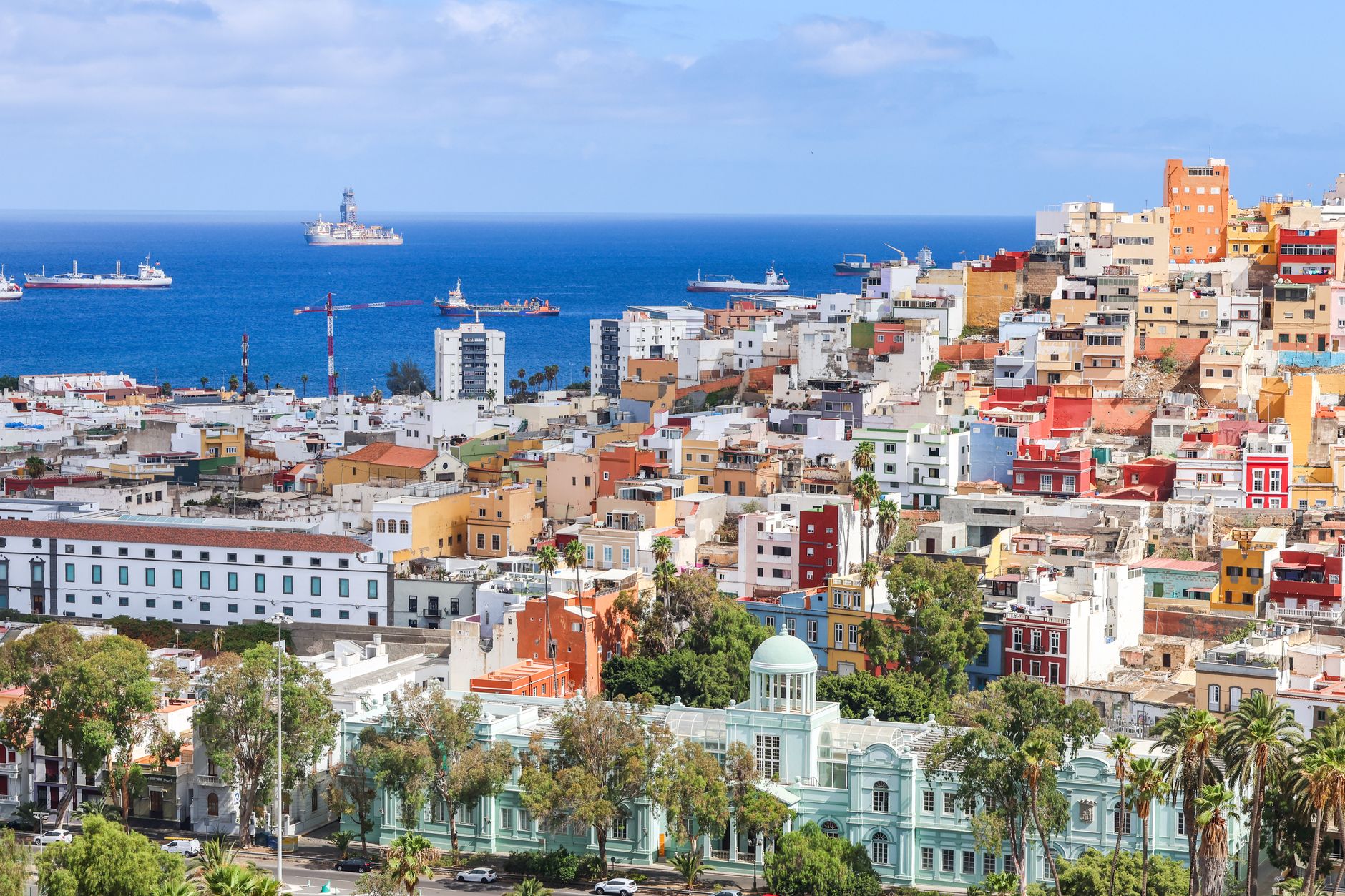
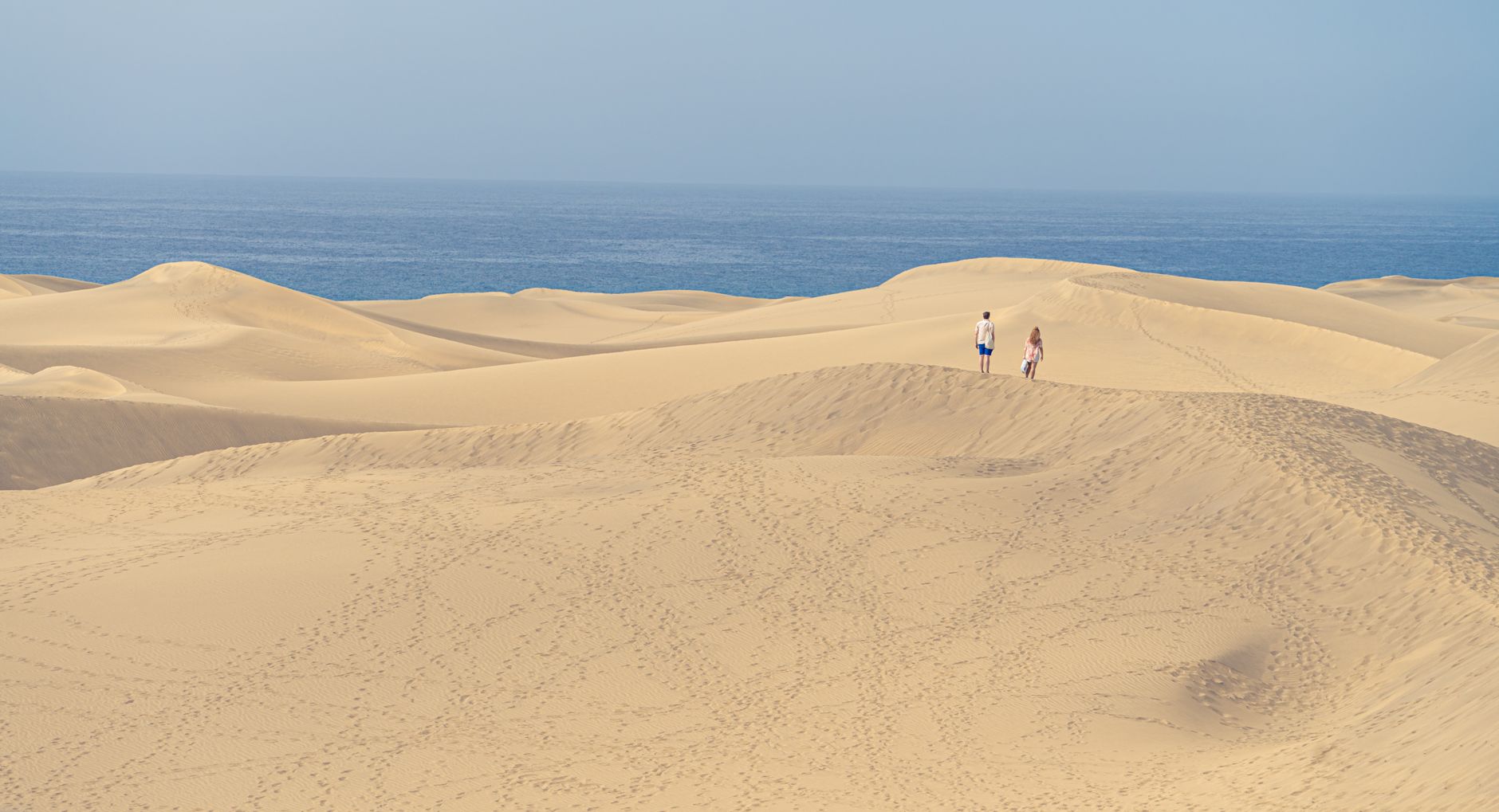
This island acts as a compressed continent, shifting from the rolling, golden sand dunes of the south to the lush, emerald-green mountain valleys of the interior within a single hour. It is a landscape of extreme contrast, where you can lose yourself on rugged volcanic peaks before descending into thick forests. While the southern coastline is built for holiday resorts, the quiet, high-altitude villages in the center offer a far more diverse and genuine look at island life.
How it got here
Castilian expansion into the Atlantic during the late fourteenth century brought this island into the orbit of the Crown of Castile. The indigenous population, the Canarii, resisted the conquest for decades before the systematic subjugation concluded under the Reyes Católicos in 1483. This occupation transformed the island into a vital maritime stopover for trade routes connecting Europe to the Americas. Sugar production dominated the economy in the century following the conquest, drawing settlers from across the Iberian Peninsula and creating a society defined by these colonial origins. The port of Las Palmas grew as a crossroads for Atlantic commerce, a status that shaped the demographic makeup of the capital.
Where it sits
Deep ravines cut through the island from the volcanic central peaks to the Atlantic shore. The trade winds dictate the climate, bringing moisture to the northern slopes where laurel forests thrive, while leaving the southern reaches dry and sun-scorched. Winter temperatures hover near spring levels, encouraging steady travel throughout the colder months. Beyond the coastal resorts, the interior demands travel along narrow roads that wind through steep barrancos. The sheer verticality of the terrain limits large-scale agriculture to small terraces, keeping the highland villages isolated from the busier tourist zones of the south.
What to eat and drink
The local diet relies on staples adapted to the volcanic soil. Papas arrugadas, small unpeeled potatoes boiled in heavily salted water until wrinkled, accompany almost every meal. These arrive with mojo, a pungent sauce made from oil, vinegar, garlic, and either red picon peppers or green cilantro. Goats graze on the dry scrub, producing milk for majorero cheese, a firm and salty product often seared on a griddle. For dessert, bienmesabe combines ground almonds, honey, and egg yolks into a thick paste. The local wine, produced on small plots within the caldera, pairs best with these simple, land-based preparations.
Canary Islands: the whole region
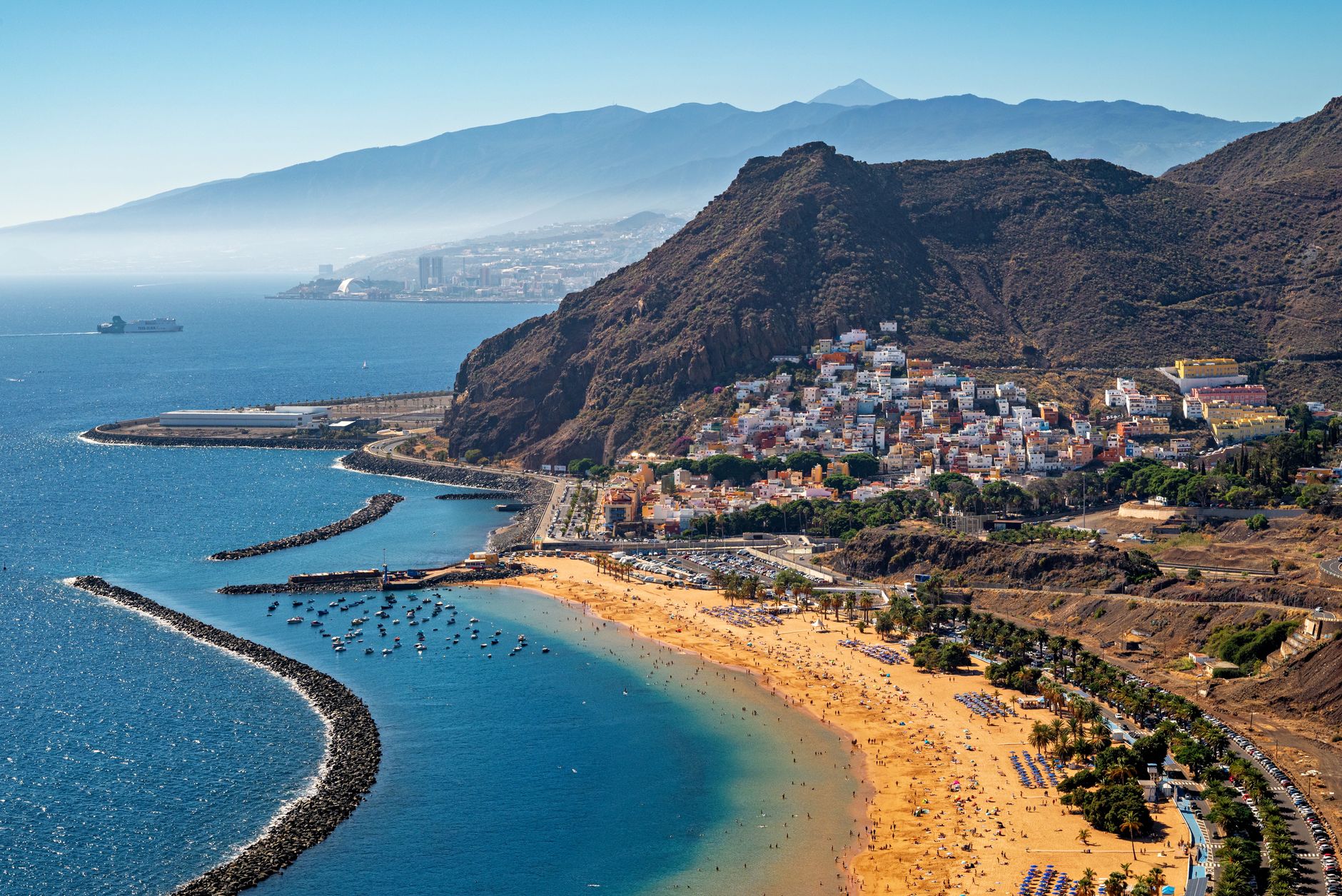
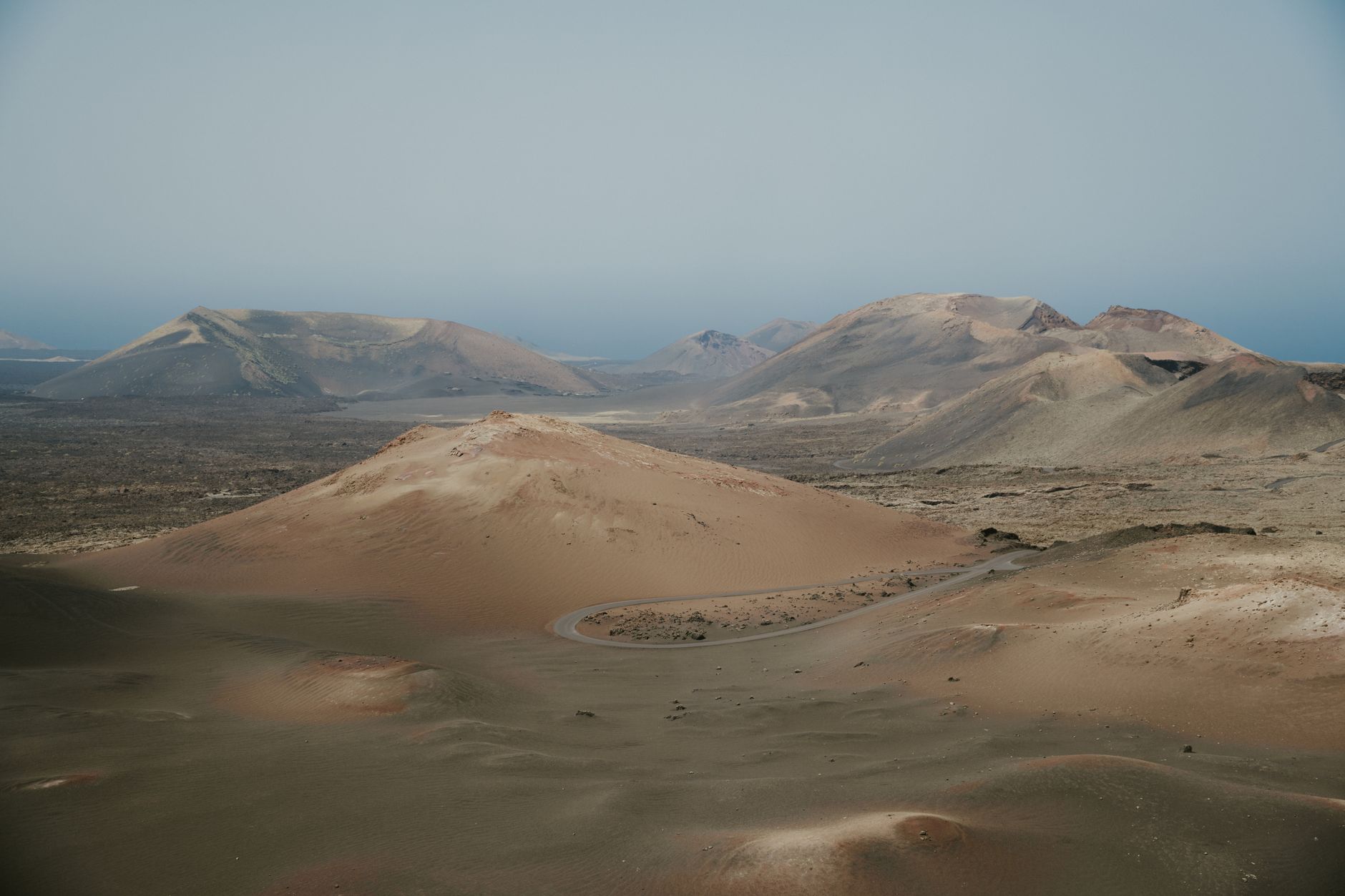
Eight islands, four of them worth a trip and each one a different landscape: Tenerife with the highest mountain in Spain, Gran Canaria with its green interior and dunes, Lanzarote with lava fields and a landscape designed around them, and…
Minimum 7 days · better 10-12 days · deep 2 weeks
In and around Gran Canaria

Pair It With

In Canary Islands


In Canary Islands



Linked from elsewhere
Entries that name this place in their own nearby lists.
Logistics are verified only. We don't publish schedules we haven't confirmed.
Appears In
Experiences worth booking ahead
Spain Field Guide may earn a commission when you book through selected links. Recommendations are editorial and independent of commission.
Ready to build Gran Canaria into a trip?
You've found a place worth going. When you're ready to turn discovery into an itinerary, Travel Itinerary Co picks up where the Field Guide leaves off — with your saved places already in hand.
Build this into a tripContinues on Travel Itinerary Co
Spain Field Guide may earn a commission when you book through selected links. Recommendations are editorial and independent of commission.