Camino Portugués
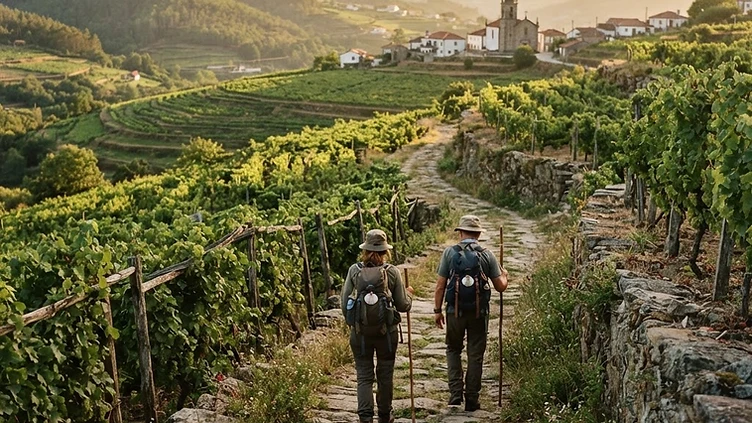
Pick this if you want the full pilgrim experience without the Francés crowds. Start in Porto for a tidy 10-12 days; Lisbon-to-Porto is long, flat, and road-heavy.
The gentler, greener cousin of the Francés — flat stages, Portuguese food and wine, and a quieter pilgrim scene all the way to Santiago.
At a Glance
- — You need dramatic scenery every day
- — You can't handle long flat road stages
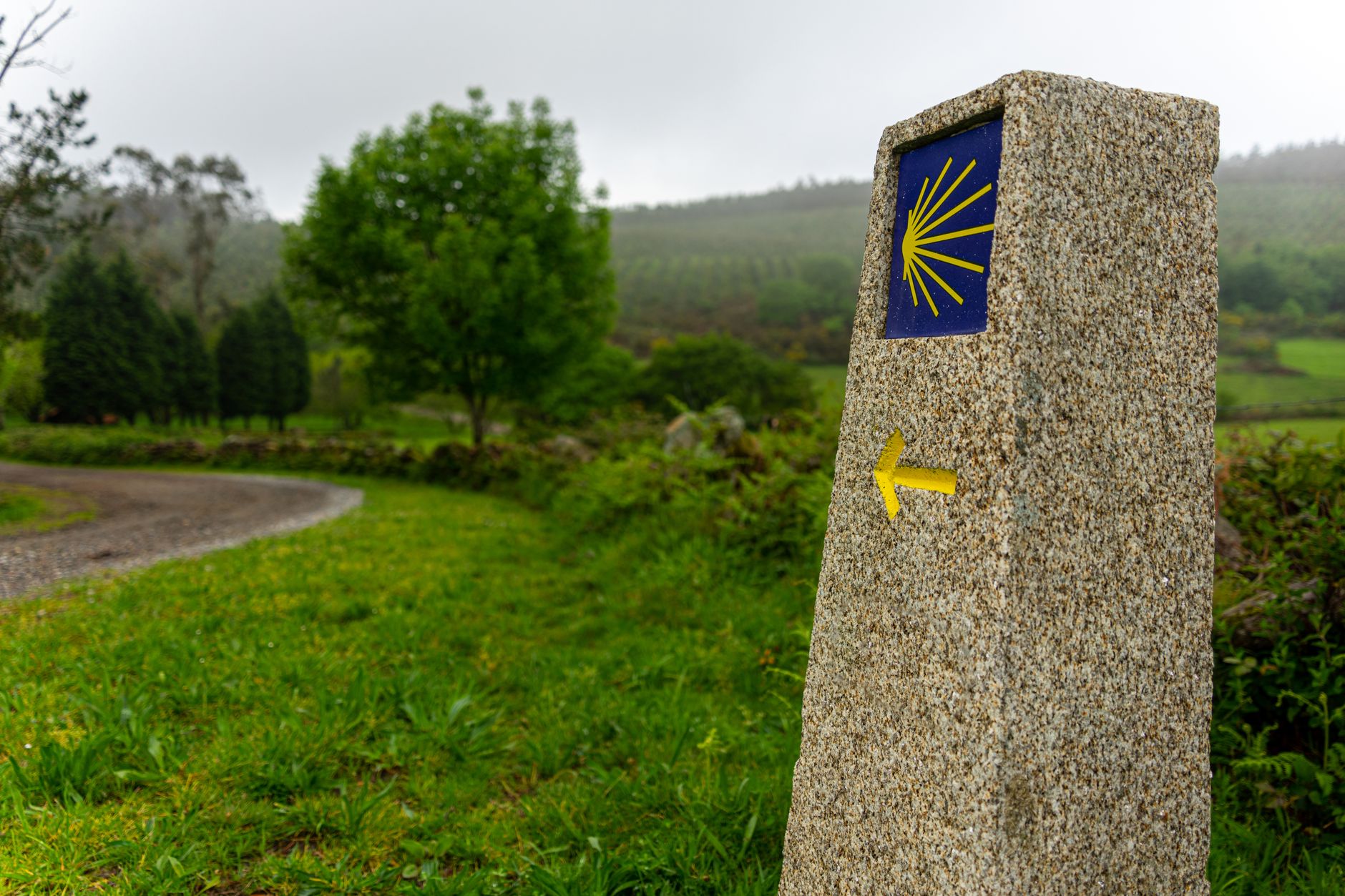
The Camino Portugués runs from Lisbon north to Santiago, but almost everyone starts in Porto for the classic 240 km. The Central route follows inland valleys and old Roman roads through northern Portugal's green wine country, crossing the Miño at Tui and rolling into Galicia's Rías Baixas. It's shorter, flatter, and gentler than the Francés, with superb food and wine at every stop and markedly fewer pilgrims. The trade-off: some stages are long and road-adjacent, and the scenery is pretty rather than dramatic. Branch to the Coastal variant for Atlantic views.
How it got here
Pilgrims walked these paths to Santiago de Compostela since the Middle Ages, drawn by the presence of the Apostle's tomb. The route gained importance as trade networks linked the cities of the Atlantic coast with the interior of the Iberian Peninsula. During the reconquest, the Miño River marked the shifting boundary between Christian and Moorish territories. The road served as a vital artery for the exchange of architectural styles and religious traditions between the kingdoms of Portugal and Galicia. Today, the stones of the medieval bridges and the granite crosses placed at intervals along the way continue to mark the movement of travelers across these ancient borders.
Where it sits
The trail climbs through the coastal plains of the Minho province before crossing the international border at Tui into the rolling green hills of Galicia. Eucalyptus forests and granite stone walls define the landscape, while the proximity to the Atlantic Ocean keeps the air humid and mild through the spring and autumn months. Traffic on the paths remains lower than on the inland routes through the high plateau of the Meseta. Summer brings warmer days that dry the soil, while the winter rains turn the paths into mud and require steady preparation for those walking the route.
What to eat and drink
Caldo gallego, a hearty soup of greens, potatoes, white beans, and pieces of salt pork, provides the standard nourishment for travelers in the northwest. Pulpo á feira, octopus boiled in copper pots and dressed with olive oil, salt, and pimentón, appears on every local table. The crisp, acidic whites of the Albariño grape thrive in the damp soils of the Rías Baixas and accompany these meals. At the end of the day, a slice of Tarta de Santiago, an almond cake marked with the cross of the order, serves as the traditional finish to the meal.
What's Nearby

Pair It With


Logistics are verified only. We don't publish schedules we haven't confirmed.
Ready to build Camino Portugués into a trip?
You've found a place worth going. When you're ready to turn discovery into an itinerary, Travel Itinerary Co picks up where the Field Guide leaves off — with your saved places already in hand.
Build this into a tripContinues on Travel Itinerary Co
Spain Field Guide may earn a commission when you book through selected links. Recommendations are editorial and independent of commission.