Camino Francés
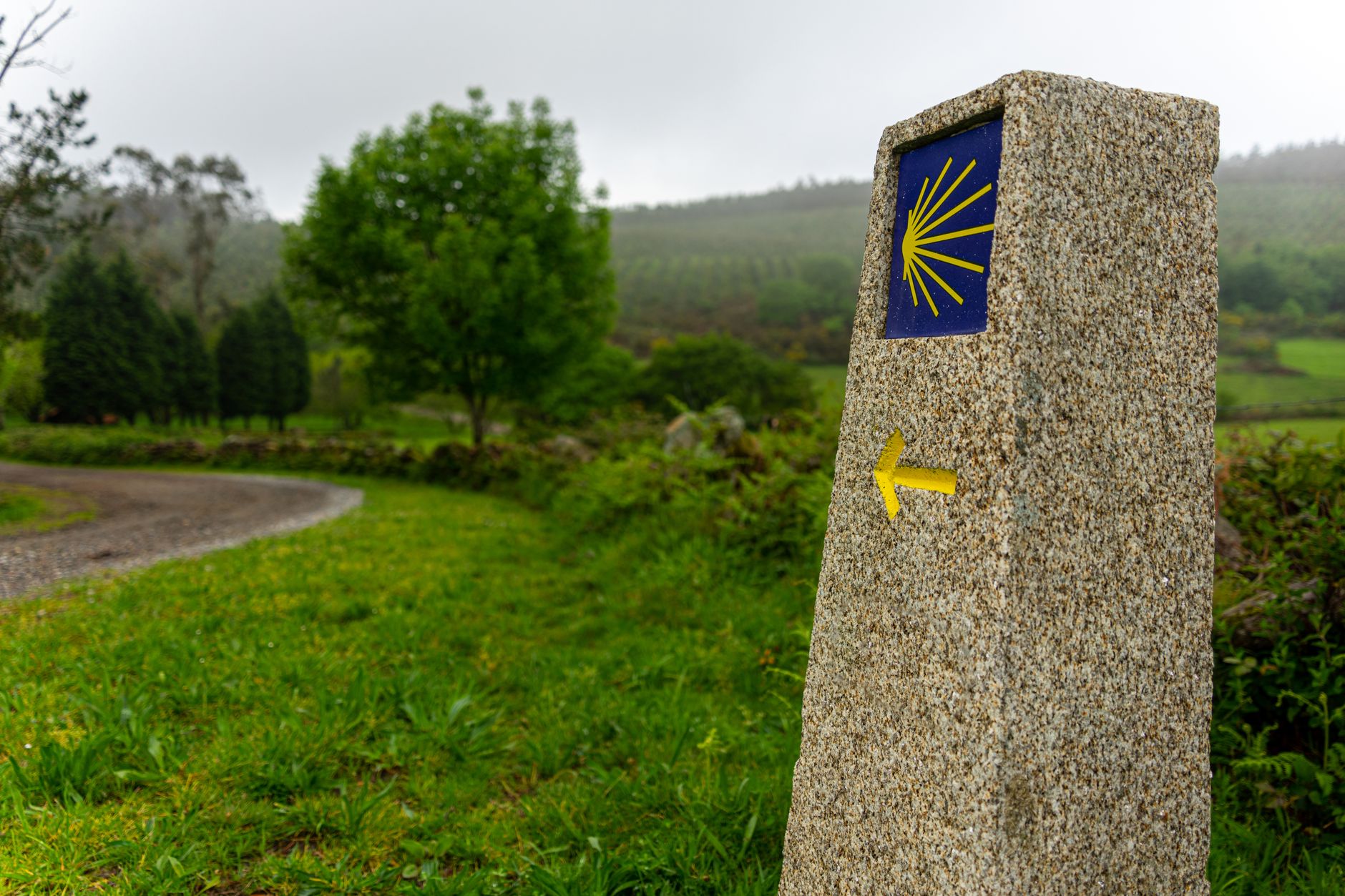
The default Camino. Most travelers walk the final 100km from Sarria to earn the compostela in a week. For the full trip, hand off to Travel Itinerary Co.
The classic Camino de Santiago — from St-Jean-Pied-de-Port to Santiago, through León, Burgos, and the Meseta. The most walked pilgrimage route in Europe.
At a Glance
- — You can't walk 20km a day for a week
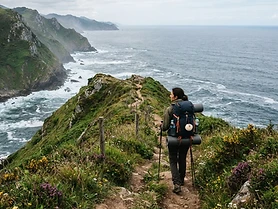
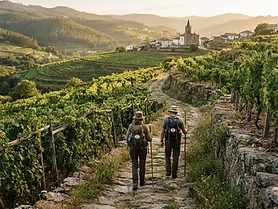
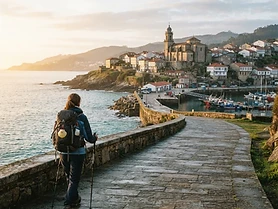
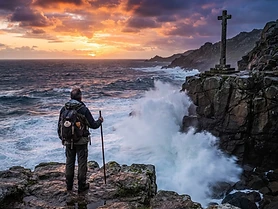
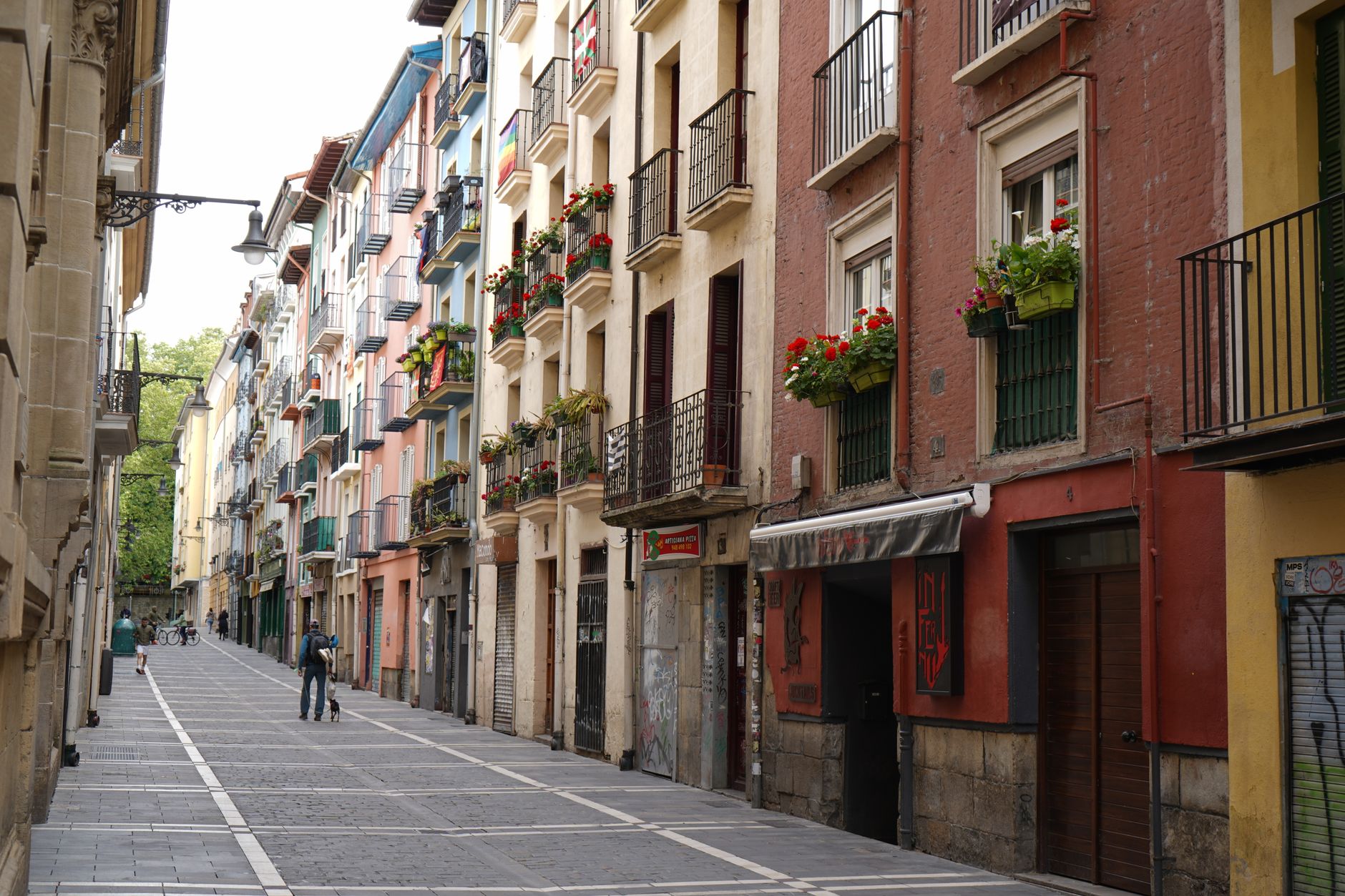
A steady, rhythmic path stretches across the vast, rolling plains of the Meseta and through the ancient mountain passes of the north. Walking the route is a test of endurance and focus, passing through stone villages where the shell symbol marks the way to the cathedral in Santiago. It is a journey of slow discovery, where the landscape changes from dry, sun-baked wheat fields to the damp, emerald hills of the west, culminating in the collective, triumphant relief of the final arrival.
How it got here
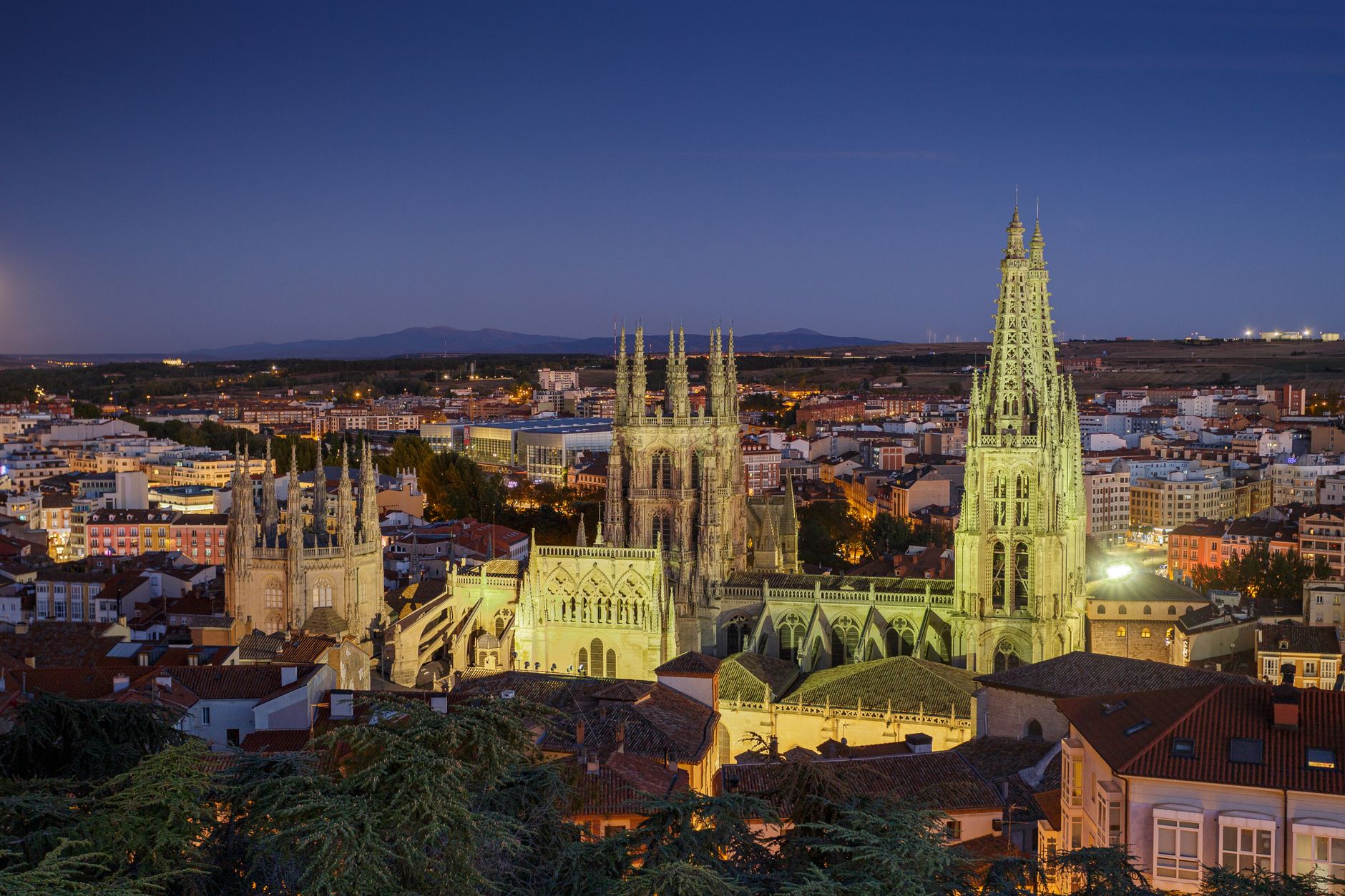
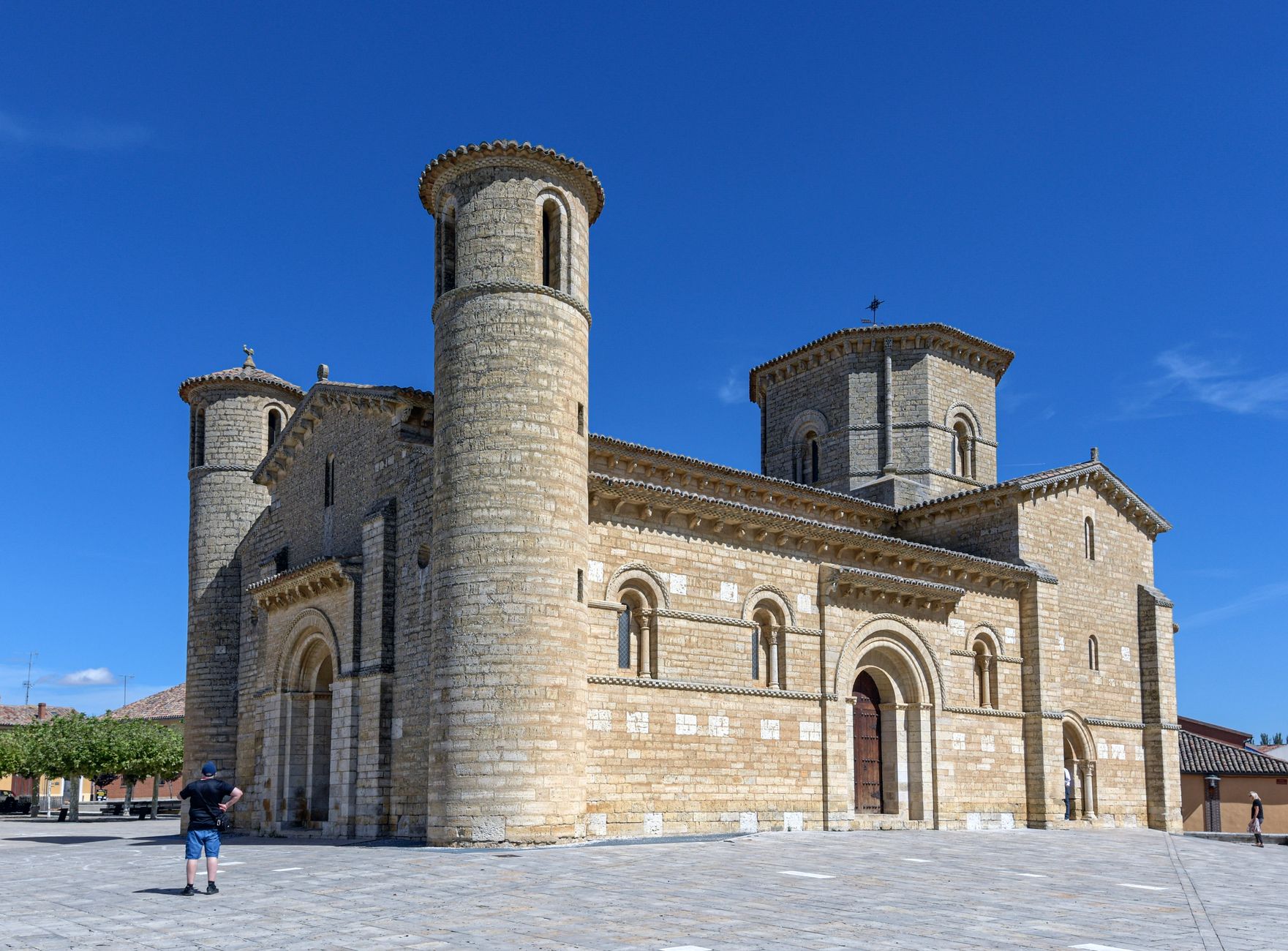
Codex Calixtinus preserved the route in the twelfth century as a guide for pilgrims traveling to the tomb of Saint James in Santiago de Compostela. Medieval monarchies such as the Kingdom of Navarre and the Kingdom of León promoted infrastructure along the path to encourage repopulation of the Christian frontier after the Reconquista. Monasteries and hospitals emerged in villages like Santo Domingo de la Calzada and Sahagún to provide shelter for travelers crossing the Iberian Peninsula. Today the pilgrimage survives as a trans-regional network where Romanesque architecture and local customs endure through the preservation of stone infrastructure built during the middle ages to support mass movement across Northern Spain.
Where it sits
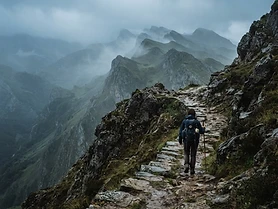
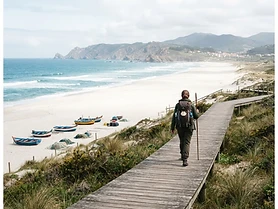
The path traverses the high plains of the Meseta and the mountainous terrain of the Cantabrian range. Wheat fields and wide plateaus dominate the landscape during the summer months when heat rises from the dry earth. Western sections enter the damp forests and valleys of Galicia where rainfall ensures constant greenery. Travel typically follows the east to west axis from the Pyrenees toward the Atlantic coast. Winter brings snow to the mountain passes and ice to the plains which reduces the flow of movement. Spring and autumn keep the path busy with those who walk the distance to avoid the extreme temperatures of midsummer.
What to eat and drink
Castilian regions provide sopa de ajo, a broth of bread, garlic, and paprika, alongside roast suckling lamb. Further west, the diet shifts toward caldo gallego, a hearty broth of potatoes, white beans, and greens like grelos or kale. In the mountains of León, cecina serves as a staple, consisting of cured, salted, and air-dried beef. Wine production follows the route through Rioja and Bierzo where Tempranillo and Mencía grapes produce robust reds. Pilgrims often finish meals with tarta de Santiago, an almond cake typically marked with the cross of the military order of the same name.
What's Nearby


Pair It With
Linked from elsewhere
Entries that name this place in their own nearby lists.









Logistics are verified only. We don't publish schedules we haven't confirmed.
Ready to build Camino Francés into a trip?
You've found a place worth going. When you're ready to turn discovery into an itinerary, Travel Itinerary Co picks up where the Field Guide leaves off — with your saved places already in hand.
Build this into a tripContinues on Travel Itinerary Co
Spain Field Guide may earn a commission when you book through selected links. Recommendations are editorial and independent of commission.