Sopa de Ajo

A poor man's dish made right. Get it in a Castilian mesón in winter; the yolk has to be runny.
Castilla's garlic-and-bread soup: garlic browned in oil, stale bread, paprika and water simmered to a broth, finished with a poached egg dropped in. A peasant recovery dish that's survived centuries.
At a Glance
- — You dislike garlic
Garlic browned in hot oil forms the base of this enduring Castilian peasant broth, which is thickened with stale bread and dusted with pimentón. A single egg is dropped into the hot liquid just before serving, poaching gently until the yolk is ready to burst. It is a humble, restorative dish meant to be eaten in a wood-paneled mesón when the winter wind is howling outside.
How it got here
Castilla y León formed from the merger of two kingdoms that drove the reconquest of the Iberian Peninsula from the south. The harsh climate of the high meseta dictated a domestic economy centered on cereal cultivation and transhumant sheep farming. Sopa de ajo grew from the necessity of preserving resources in a landscape where winter isolation was common. Families utilized stale bread as a foundation for hot meals during the months when travel between villages became impossible. This dish reflects the endurance of a rural population that relied on accessible ingredients like garlic and paprika to sustain life through the long winters of the central plateau.
Where it sits
High plains define the geography of the northern meseta, where the horizon stretches across vast cereal fields and limestone outcrops. The landscape stays silent for much of the year, interrupted only by the seasonal rhythms of sowing and harvesting. Winters bring freezing winds that whip across the open country and drive life indoors to heavy stone buildings. Summer heat bleaches the soil, making the cool air of stone interiors essential. Reaching these remote villages involves navigating secondary roads that cut through the rolling wheat country, far from the denser human clusters of the coast or the mountains.
What to eat and drink
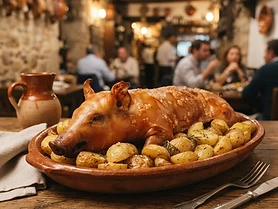
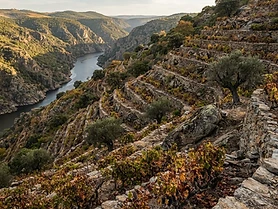
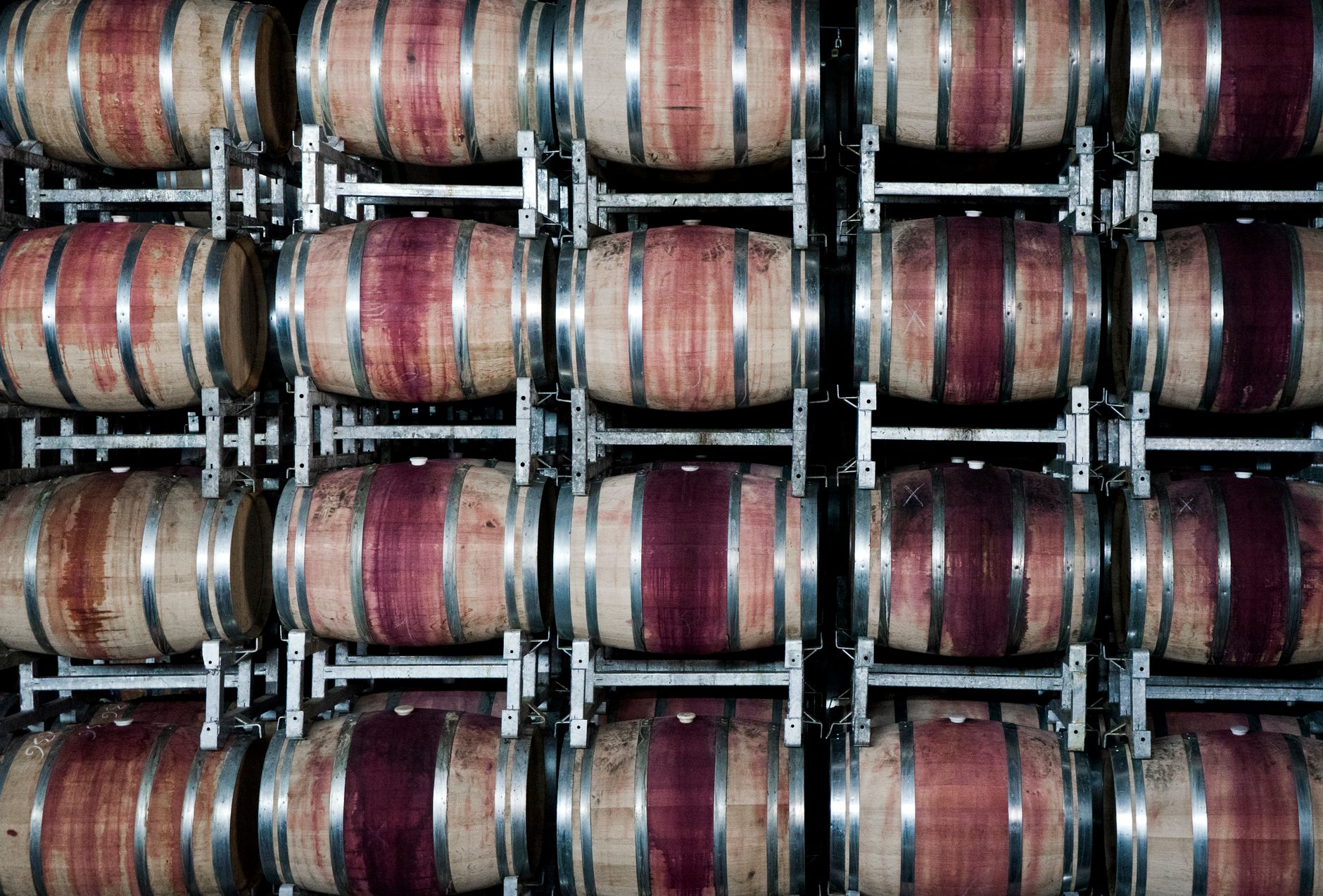
Hard breads, sheep milk cheeses, and garlic comprise the primary pantry of the meseta. Sopa de ajo relies on these staples, often enriched with a single poached egg and dustings of pimentón from the nearby fields. Follow this with a bowl of morcilla, a blood sausage spiced with clove and cumin. When roasted meats appear, lechazo asado provides the standard, as young milk-fed lamb is slow-cooked in earthenware to render the fat. A glass of bold red wine from the Duero river valley washes down the intensity of the garlic and rendered pork fat found in these traditional kitchen preparations.
Castilla y León: the whole region
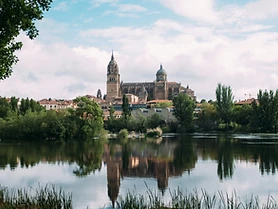
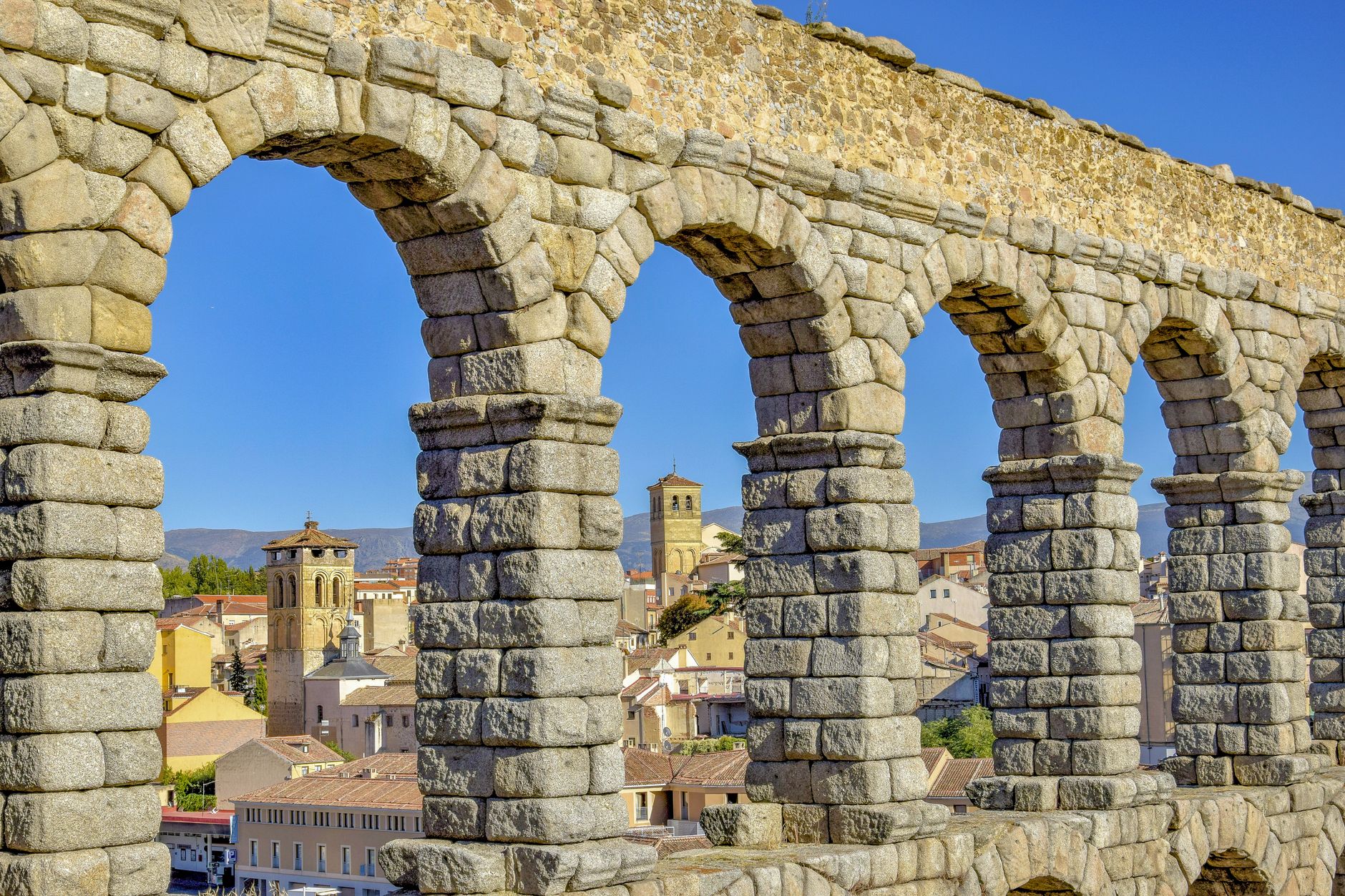
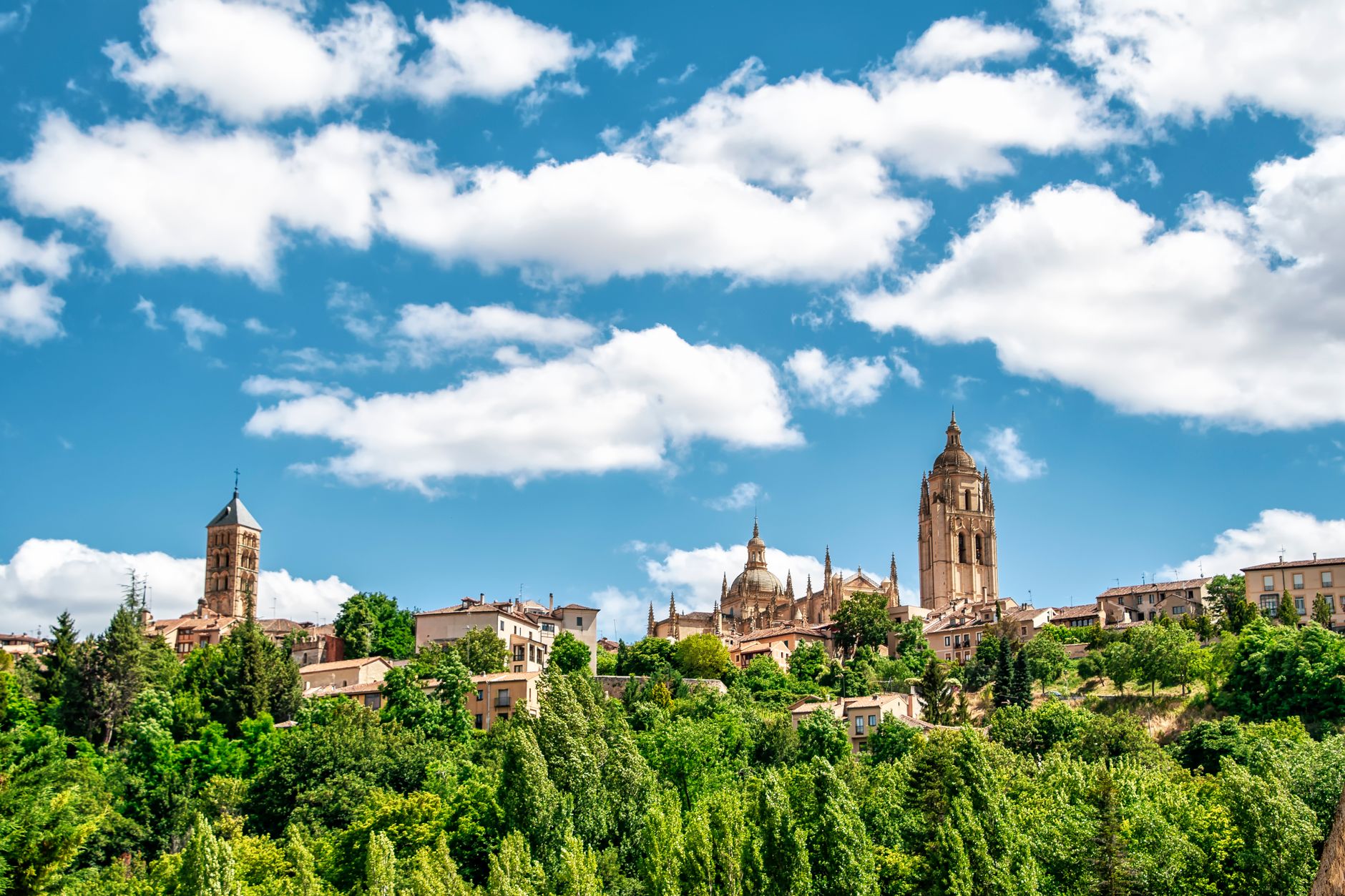
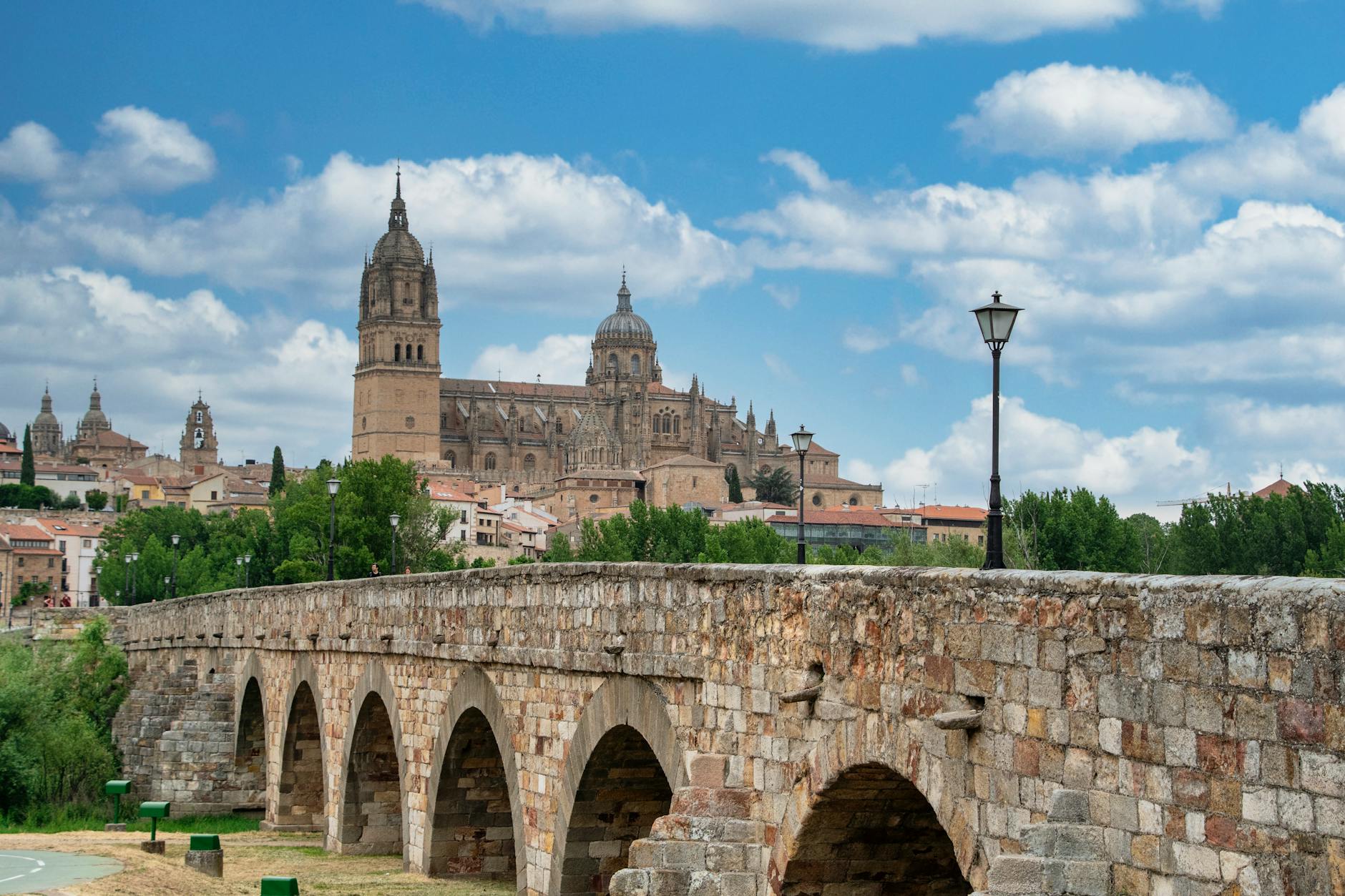
The largest region in Spain, and the one that most rewards a car: a plateau of walled cities, Romanesque churches and vineyards, with Salamanca, León, Burgos and Segovia as four genuine anchors spread across four hundred kilometres. There…
Minimum 5 days · better 8-10 days · deep 2 weeks
What's Nearby

Pair It With

In Castilla y León


In Castilla y León





In Castilla y León












Logistics are verified only. We don't publish schedules we haven't confirmed.
Ready to build Sopa de Ajo into a trip?
You've found a place worth going. When you're ready to turn discovery into an itinerary, Travel Itinerary Co picks up where the Field Guide leaves off — with your saved places already in hand.
Build this into a tripContinues on Travel Itinerary Co
Spain Field Guide may earn a commission when you book through selected links. Recommendations are editorial and independent of commission.