Ribera del Duero

A serious wine detour from Madrid. Pair with a Castilla y León loop rather than as a standalone.
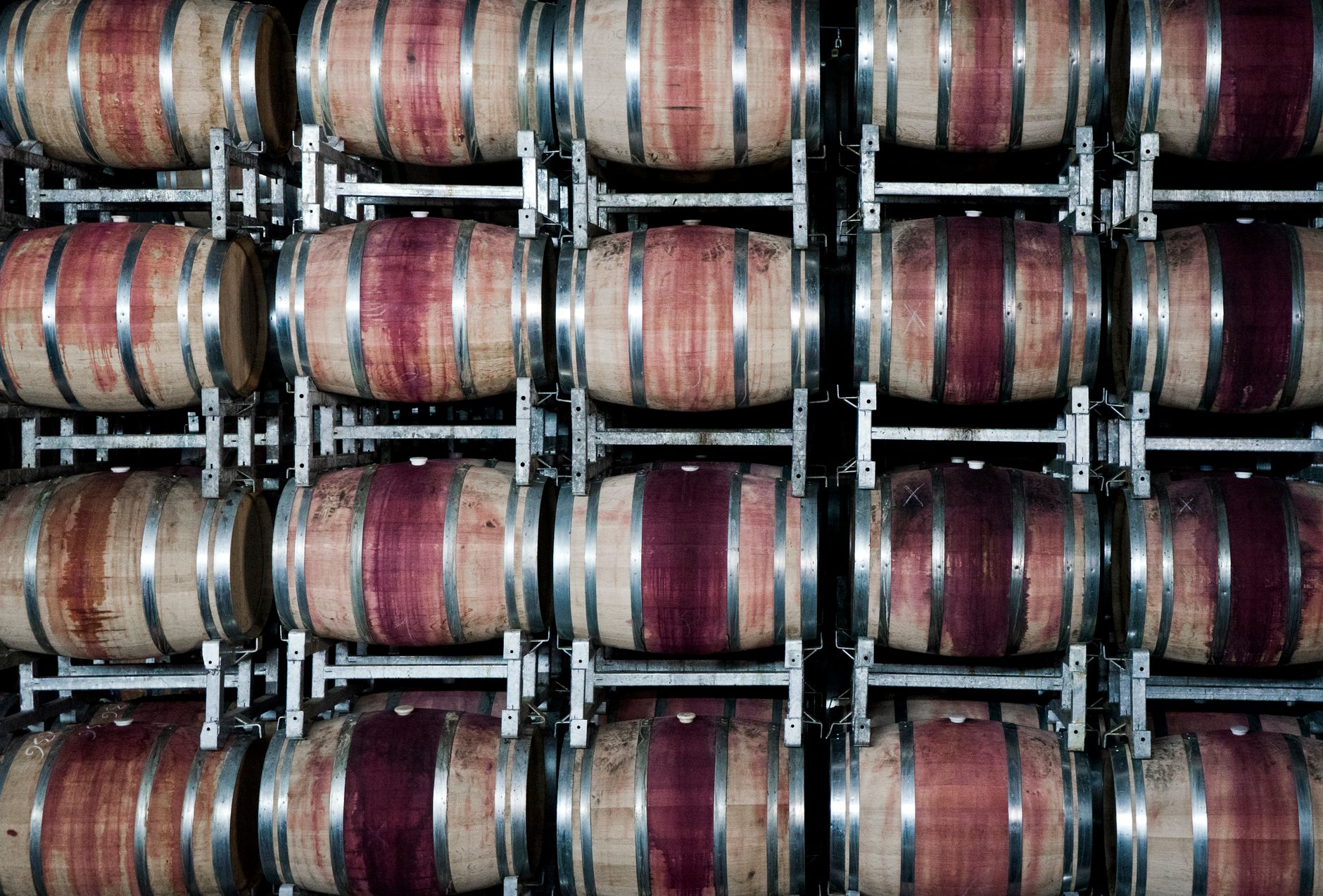
Spain's top red-wine region, along the Duero river, with striking modern bodegas and fewer crowds than Rioja. The wines are arguably Spain's best.
At a Glance
- — You're not driving between Madrid and the north
Tough, high-altitude vineyards stretch along the banks of the Duero River, producing bold, structured reds that often rival the finest vintages in the country. The architecture here ranges from centuries-old subterranean cellars to startlingly modern, glass-and-steel tasting rooms that rise above the plateau like sculptures. It is a more austere, serious wine region than its neighbors, rewarding the traveler who is willing to venture away from the coast to find the true, concentrated soul of Spanish red wine.
How it got here
Castilian kings encouraged the settlement of the Duero Valley during the eleventh century as part of the reconquest of the Meseta. The river acted as a border between the Christian north and the Al-Andalus south during the struggle for control of the plateau. Centuries of agricultural reliance on cereal crops changed during the nineteenth century when local estates began the systematic expansion of vineyards. The 1982 establishment of the regulatory council formalized the production of wine in a zone that draws its identity from the harsh, high-altitude climate of the plateau where survival required deep roots and hardy vines.
Where it sits
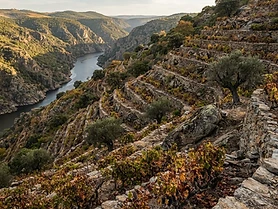
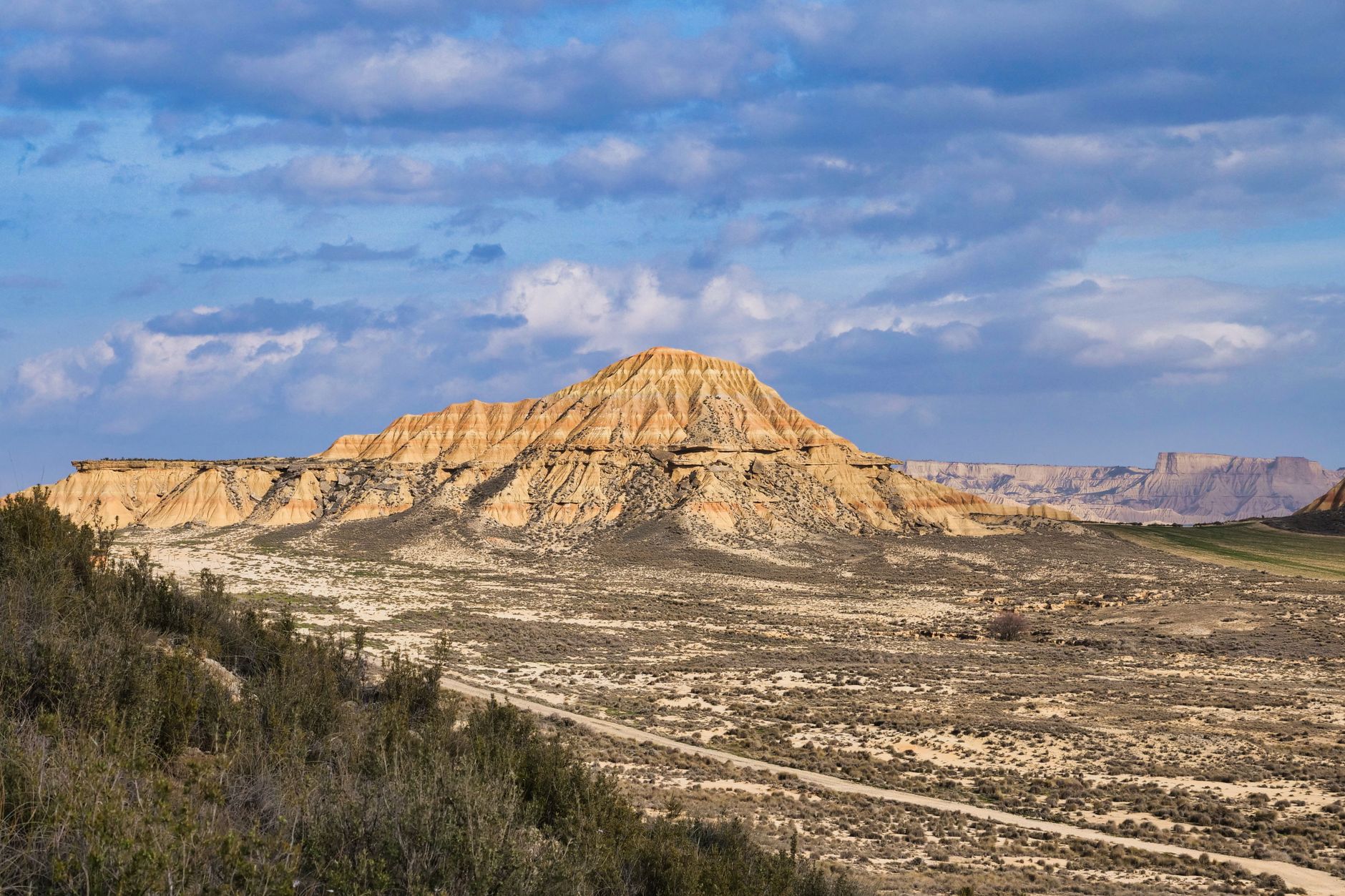
The Duero River carves a deep valley through the limestone and chalk of the northern Meseta. Extreme continental shifts define the landscape where summer heat fades into frost by late autumn. High plains roll toward the horizon under a pale sky. Vines dominate the lower slopes while pine forests top the ridges. Travel follows the river path between small stone villages that have largely escaped modern expansion. Winter brings snow and biting winds that force life indoors, while the long days of early autumn bring a quiet, dusty intensity to the harvest.
What to eat and drink
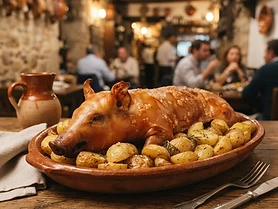
Lechazo asado, milk-fed lamb roasted in wood-fired ovens, defines the local diet. The meat arrives at the table with skin crackling and minimal seasoning to highlight the quality of the livestock. Morcilla de Burgos, a blood sausage thickened with rice and onions, frequently appears as a starter. Wine drinkers focus on Tinto Fino, the local strain of Tempranillo, which produces dark, structured reds capable of long aging. The high altitude and cooling nights preserve the acidity in the grapes, ensuring the wine maintains a distinct edge against the richness of the roast lamb.
Castilla y León: the whole region
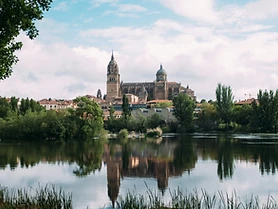
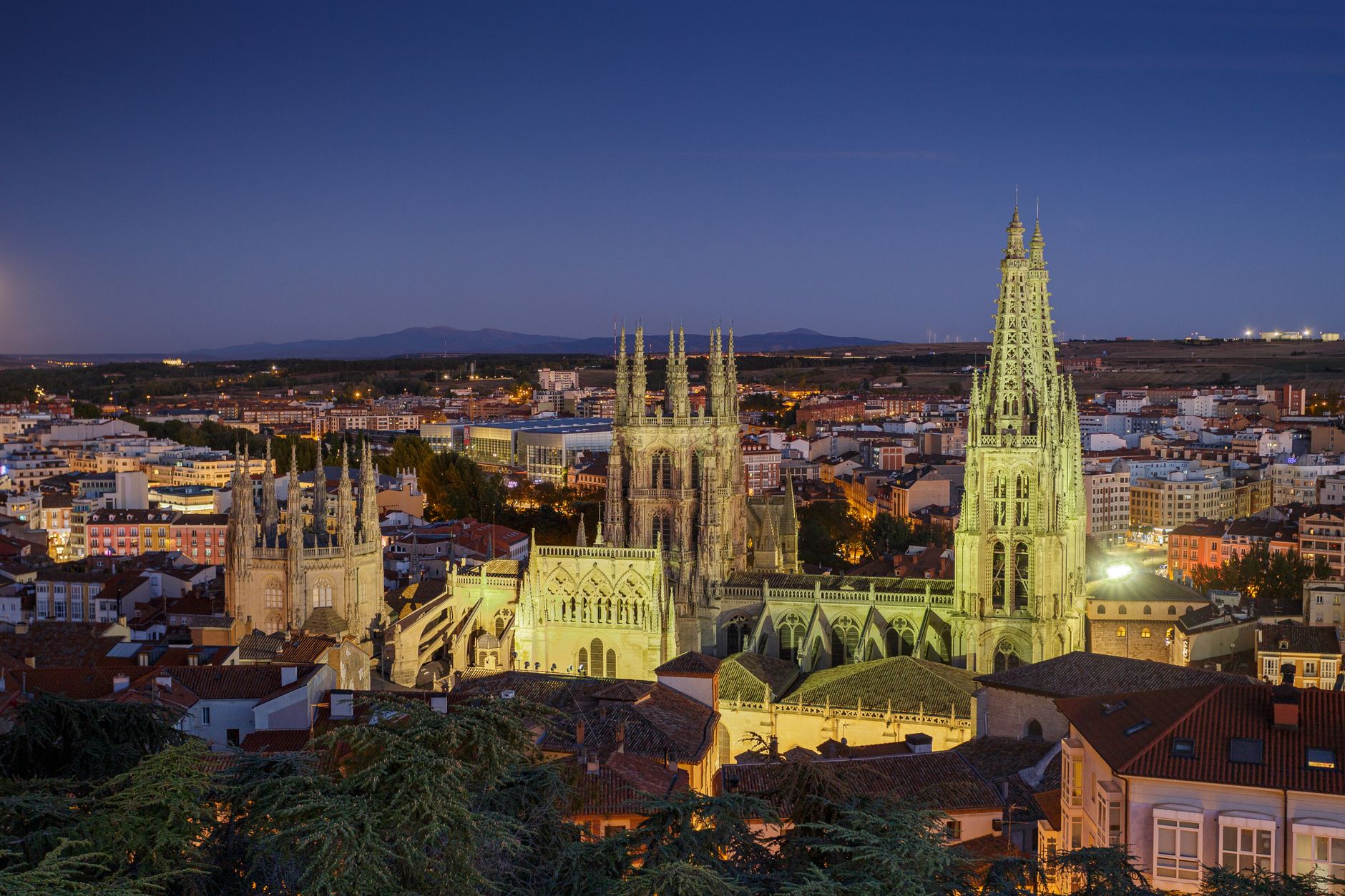
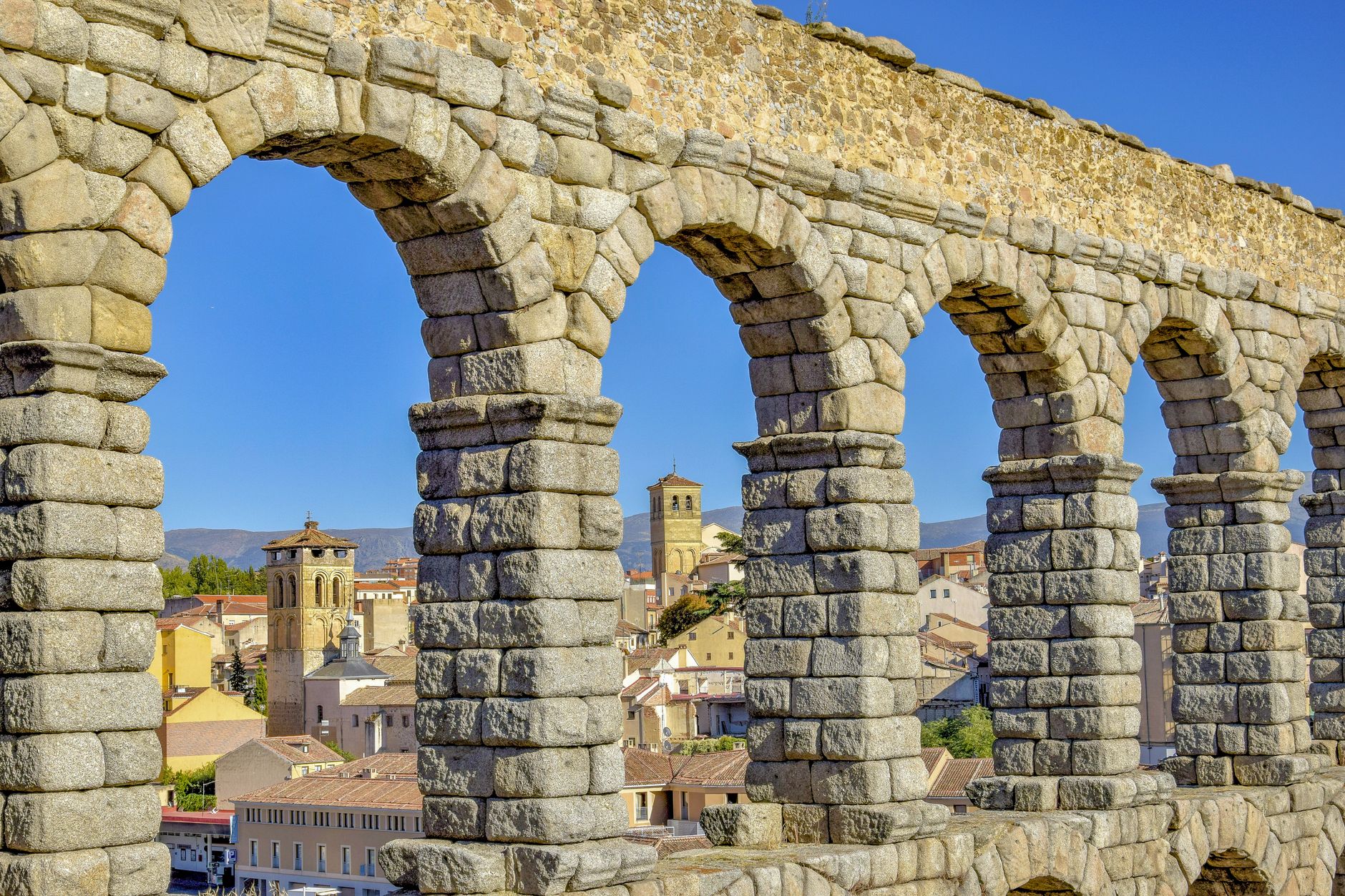
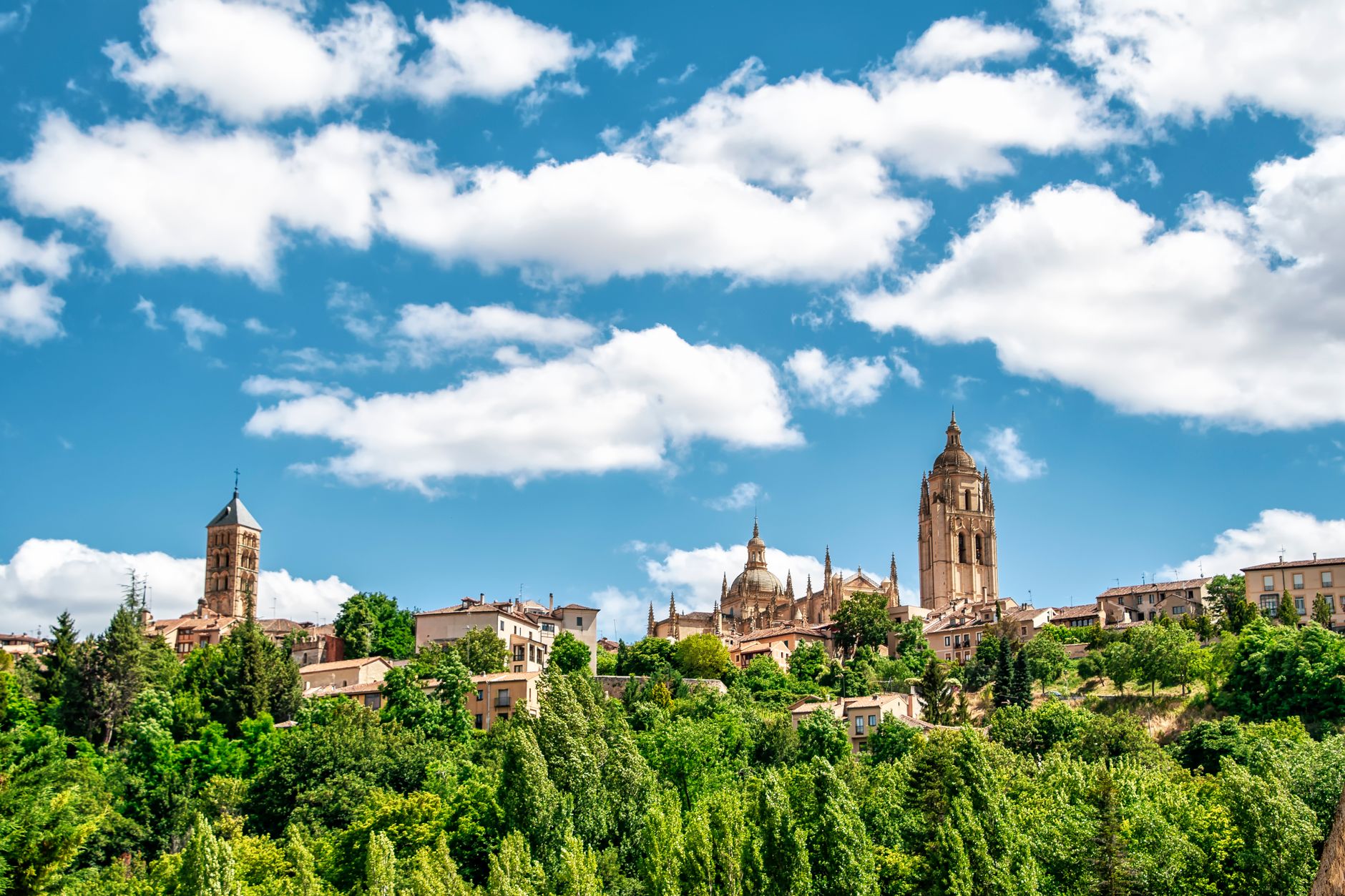
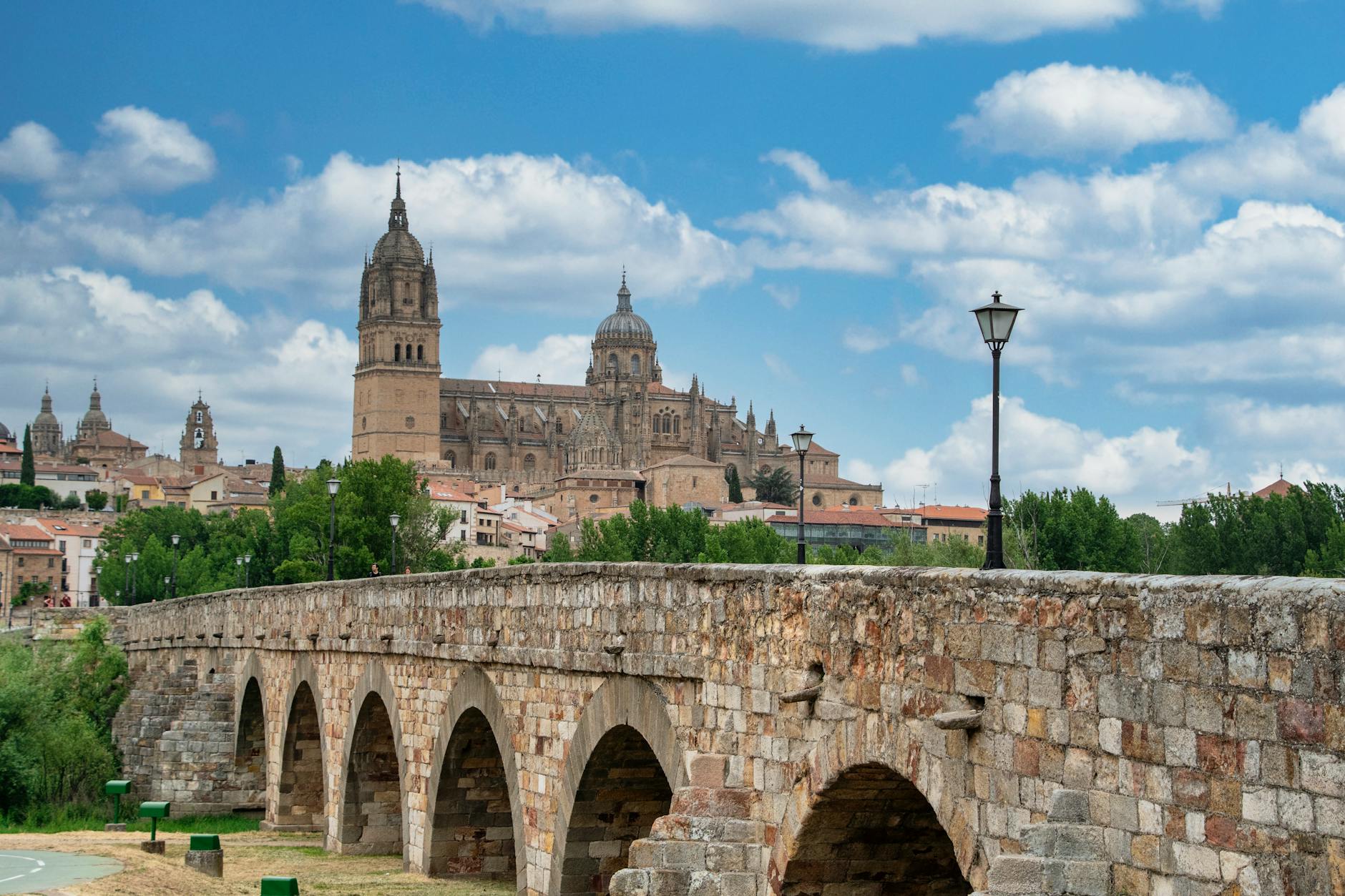
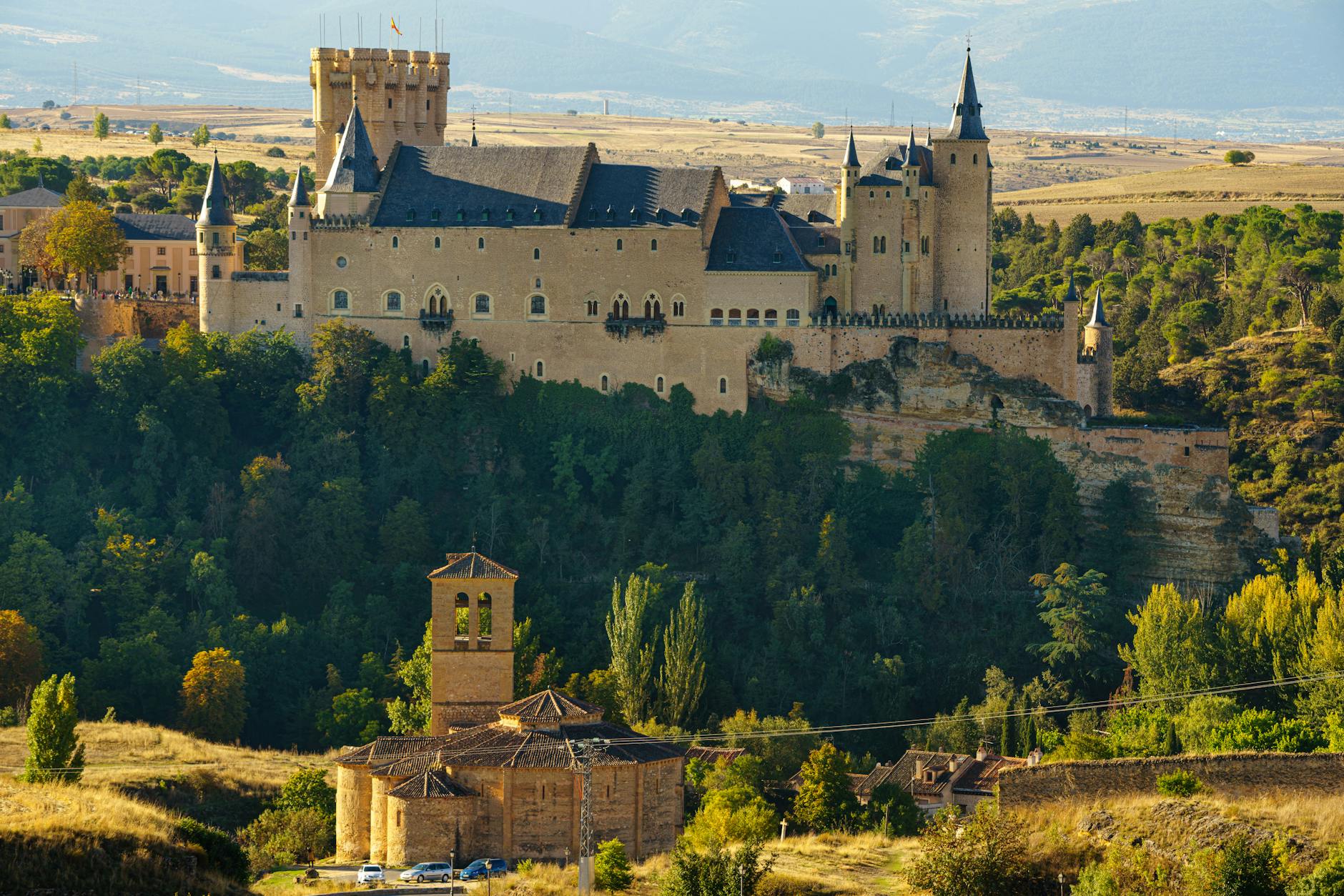
The largest region in Spain, and the one that most rewards a car: a plateau of walled cities, Romanesque churches and vineyards, with Salamanca, León, Burgos and Segovia as four genuine anchors spread across four hundred kilometres. There…
Minimum 5 days · better 8-10 days · deep 2 weeks
What's Nearby


Pair It With

In Castilla y León



In Castilla y León




In Castilla y León












Linked from elsewhere
Entries that name this place in their own nearby lists.

Logistics are verified only. We don't publish schedules we haven't confirmed.
Appears In
Ready to build Ribera del Duero into a trip?
You've found a place worth going. When you're ready to turn discovery into an itinerary, Travel Itinerary Co picks up where the Field Guide leaves off — with your saved places already in hand.
Build this into a tripContinues on Travel Itinerary Co
Spain Field Guide may earn a commission when you book through selected links. Recommendations are editorial and independent of commission.