Burgos
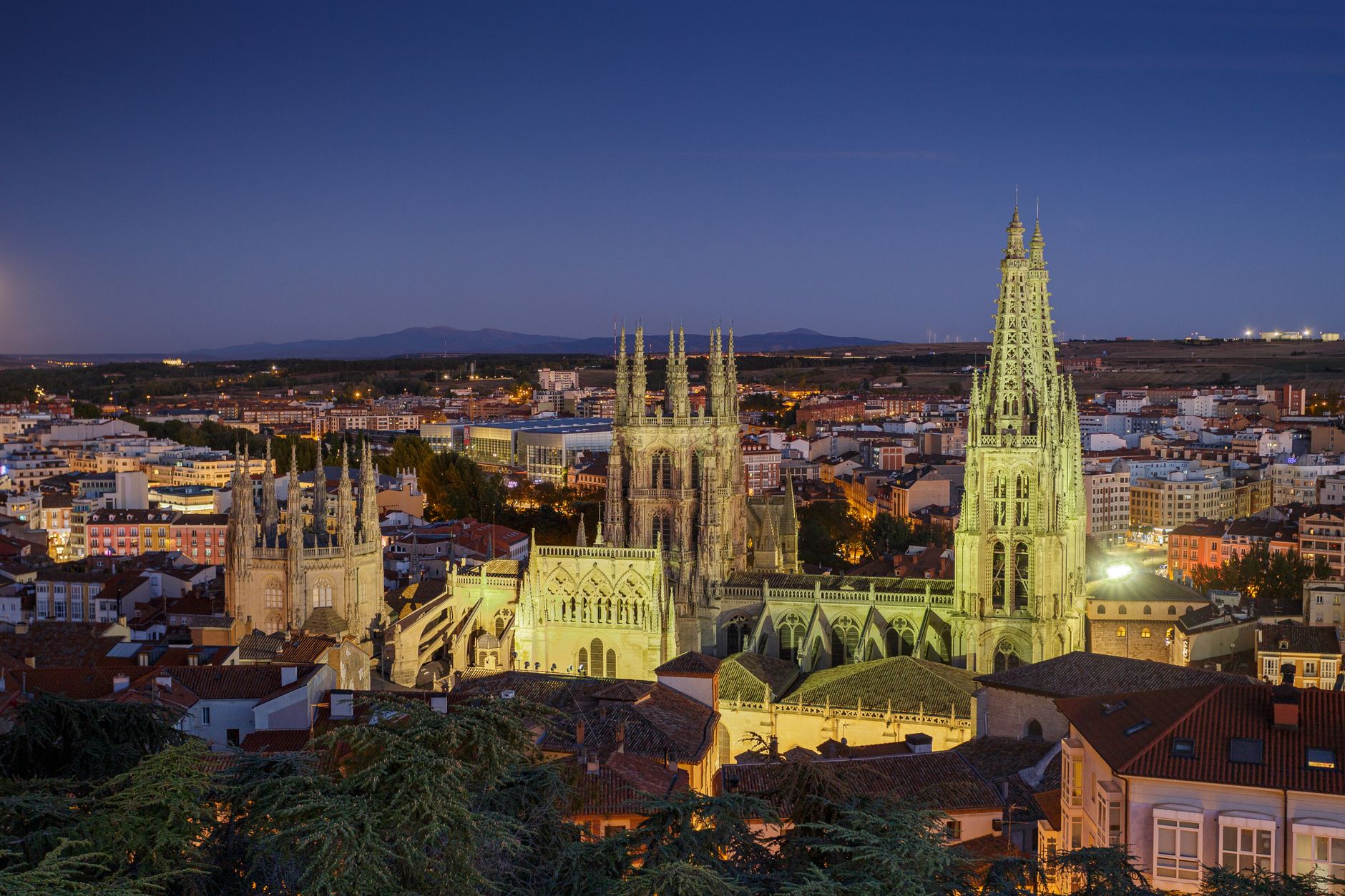
A worthwhile Camino or driving stop. The cathedral is the draw; half a day covers it.
A Camino milestone with one of Spain's finest Gothic cathedrals and a compact old town. A natural stop between Madrid and the north.
At a Glance
- — Gothic cathedrals aren't your thing
Defined by the lace-like stone spires of its massive Gothic cathedral, this city forces you to look upward as you traverse its cool, compact center. It sits firmly on the open plains of the north, acting as a sturdy, reliable stop where the history is as heavy as the local roast lamb. You will spend your hours here navigating narrow limestone alleys and the quiet plazas that open up like sudden breaths of air.
How it got here
Castilla emerged as the power center of the reconquest from this node on the Arlanzón river. Alfonso VI elevated the settlement to a seat of power in 1075 when the bishopric transferred from Oca. The city grew as a crossroads for trade and pilgrims traveling the Camino de Santiago, which accelerated urban development during the Middle Ages. Royal charters granted privileges that solidified its status as a commercial hub for the wool trade. The fourteenth and fifteenth centuries saw the construction of major monastic institutions that defined the skyline. These medieval foundations shaped the rigid stone architecture that persists in the center today.
Where it sits
The city sits on a high plateau of the northern Meseta, an expanse of cereal fields and limestone ridges. Cold winds sweep across the plains from the Cantabrian Mountains during the winter months, while summers bring intense heat during the day and sharp cooling after sunset. The Arlanzón river cuts a path through the limestone, providing a green corridor in a dry landscape. The town remains a natural meeting point for road and rail routes connecting the capital to the north coast. Traffic flows increase during the summer as travelers cross these open plains.
What to eat and drink
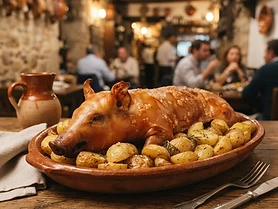
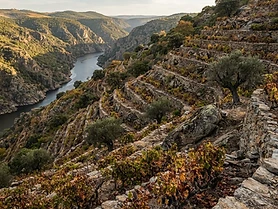
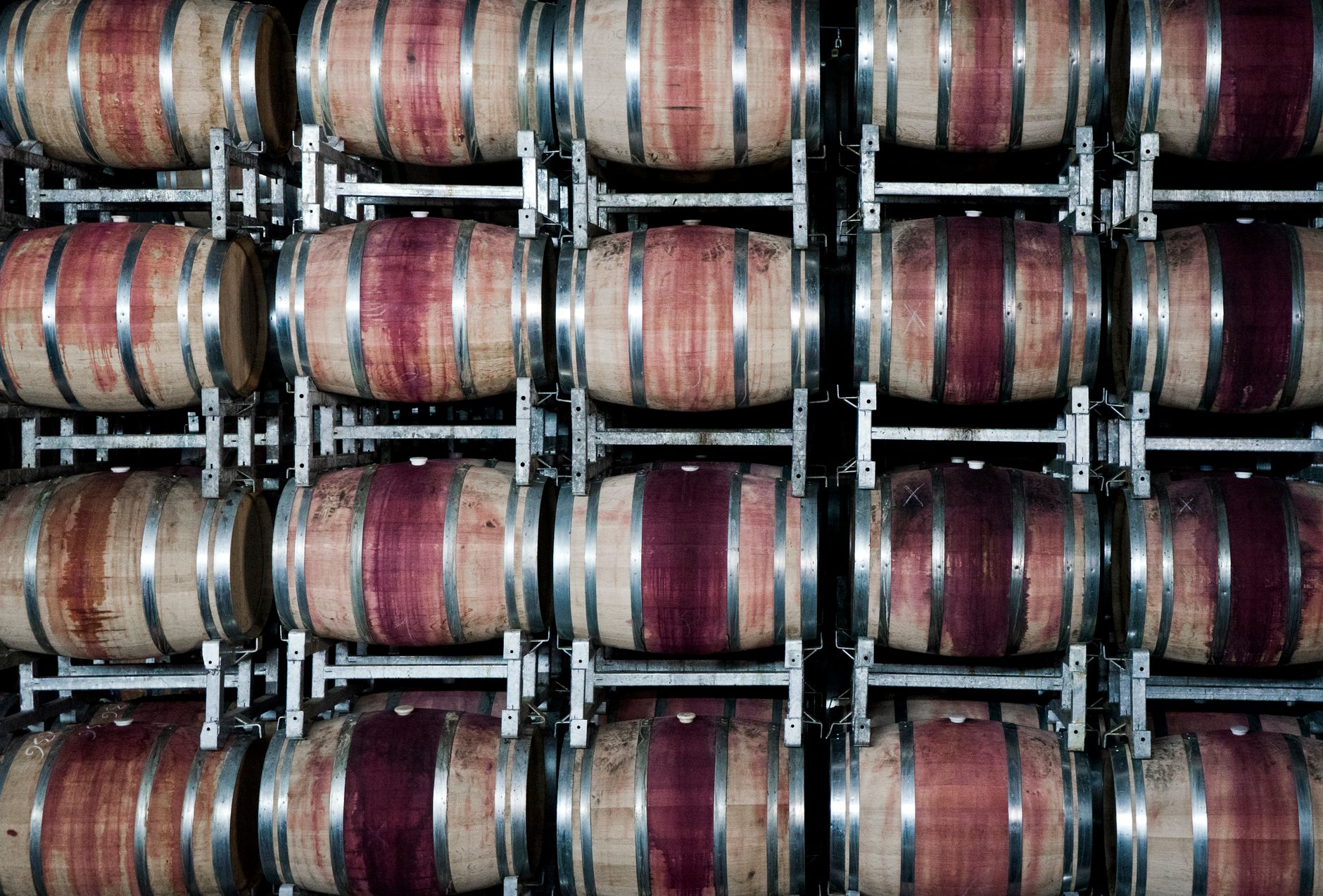
Castilian cuisine dominates here, centering on the production of the region. Cordero lechal, suckling lamb roasted in a wood oven with nothing but salt and water, defines the traditional table. Morcilla de Burgos, a dark sausage made from pig blood, onions, and rice, provides a sharp contrast to the tender meat. Local bread is dense and crusty, baked to withstand the dry climate. The nearby Ribera del Duero produces deep red wines made from Tempranillo grapes, providing the necessary body to balance the heavy fats of the roast lamb and the spiced, earthy intensity of the blood sausage.
Castilla y León: the whole region
The largest region in Spain, and the one that most rewards a car: a plateau of walled cities, Romanesque churches and vineyards, with Salamanca, León, Burgos and Segovia as four genuine anchors spread across four hundred kilometres. There…
Minimum 5 days · better 8-10 days · deep 2 weeks
What's Nearby


Pair It With


In Castilla y León



In Castilla y León





In Castilla y León











Linked from elsewhere
Entries that name this place in their own nearby lists.



Logistics are verified only. We don't publish schedules we haven't confirmed.
Experiences worth booking ahead
Spain Field Guide may earn a commission when you book through selected links. Recommendations are editorial and independent of commission.
Ready to build Burgos into a trip?
You've found a place worth going. When you're ready to turn discovery into an itinerary, Travel Itinerary Co picks up where the Field Guide leaves off — with your saved places already in hand.
Build this into a tripContinues on Travel Itinerary Co
Spain Field Guide may earn a commission when you book through selected links. Recommendations are editorial and independent of commission.