The Camino de Santiago
There isn't one Camino. There are at least eight major routes, each a different walk: the social classic, the Atlantic coast, the original mountain path, the long southern Roman road, the short ones for the time-poor, and the epilogue to the end of the world. Spain Field Guide judges each route on its own terms — who should walk it, how long it takes, and where to start and stop.
Below: every route we've mapped, with its verdict, and the staging towns already in the Atlas.
Every Camino, judged
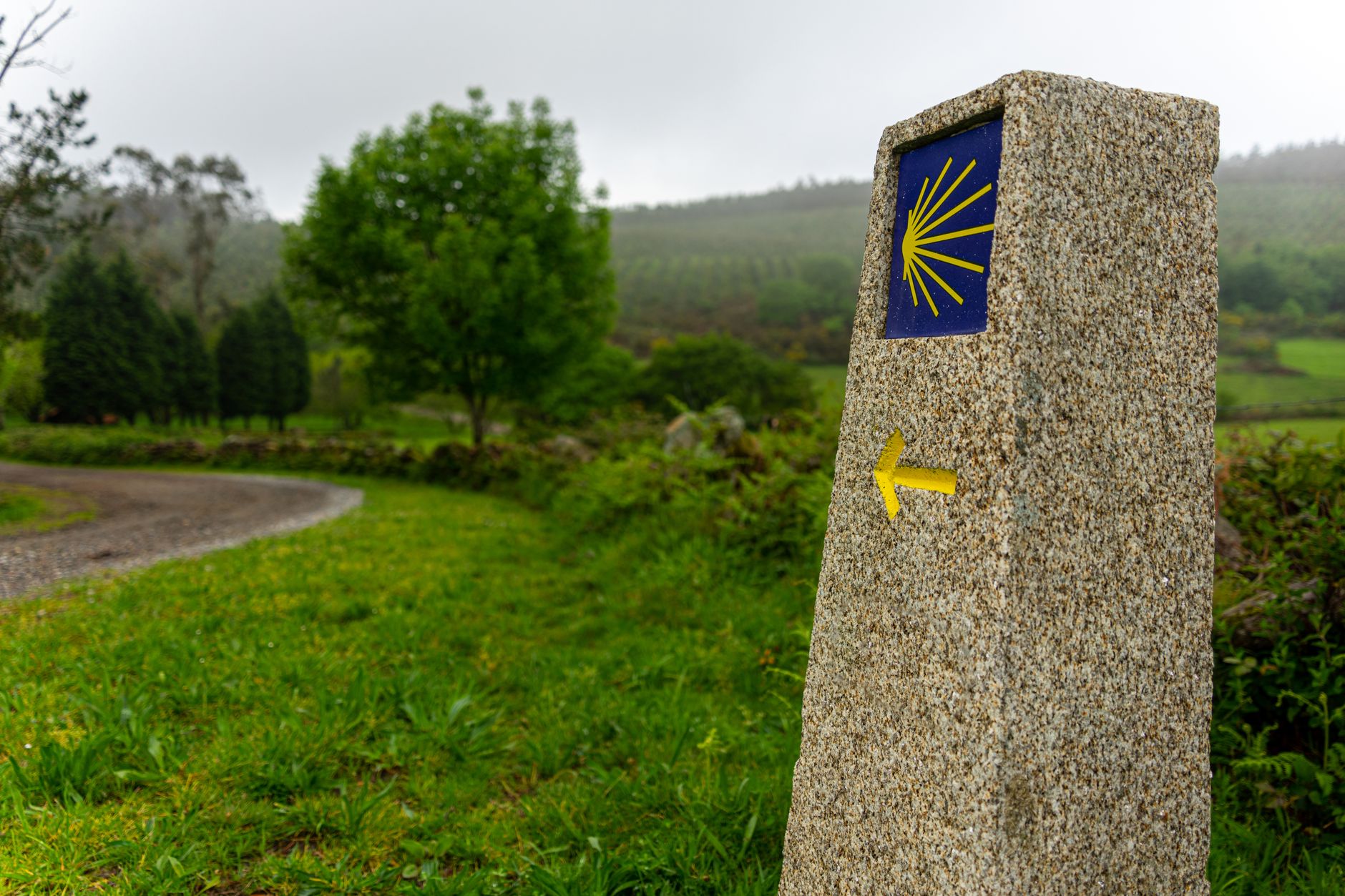
Camino Francés
The best-known European pilgrimage route, crossing northern Spain to Santiago de Compostela.
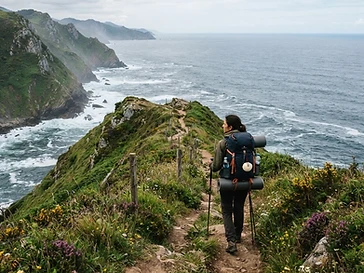
Camino del Norte
The rugged Atlantic Camino — green cliffs, surf towns, and Basque and Galician coast from Irún. Long, hilly, and spectacular.
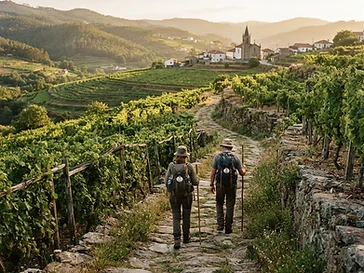
Camino Portugués
The gentler, greener cousin of the Francés — flat stages, Portuguese food and wine, and a quieter pilgrim scene to Santiago.
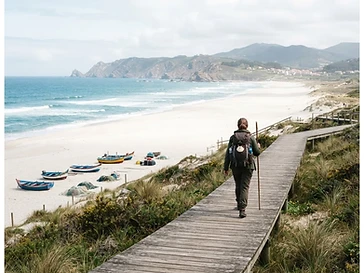
Camino Portugués Coastal
The Atlantic alternative to the Central Portugués — boardwalks and fishing villages up the Portuguese coast before cutting inland to Santiago.
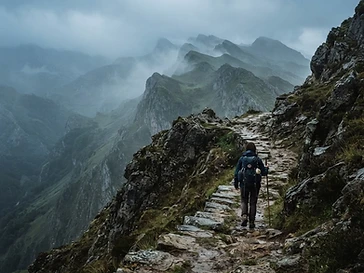
Camino Primitivo
The original Camino — the route King Alfonso II walked in the 9th century. Short, mountainous, and the most physically tough interior route.

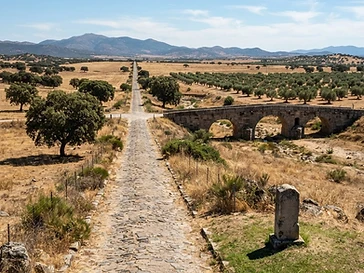
Vía de la Plata
The great southern Camino — a Roman road turned pilgrimage, 1000 km from Sevilla through Extremadura's dehesas into Galicia.

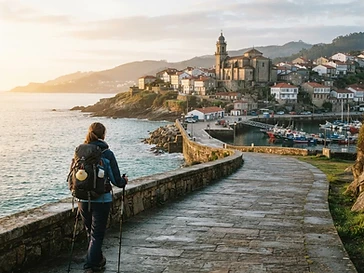
Camino Inglés
The short one — the route medieval English and Northern European pilgrims sailed to before walking to Santiago. Five days from Ferrol.

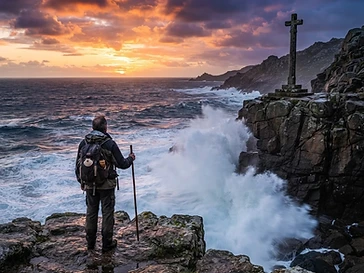
Camino Finisterre–Muxía
The only Camino that doesn't end in Santiago — it starts there. Walk west to the Atlantic at Finisterre and the shrine at Muxía.
Which first Camino?
Camino Francés vs Camino Portugués: Which First Camino?
The two great first-time Caminos, both doable in under two weeks from a single start city. The Francés is the social classic; the Portugués is the gentler, quieter alternative.
Where to start and stop
The towns along the routes that carry their own editorial judgment — the places you'll actually sleep, eat, and resupply. Most are mapped to the Camino Francés so far; staging for the other routes is being added.

Lekeitio
The best-looking harbour on the Bizkaian coast, with a basilica whose roof is a ship's hull.

Zarautz
A surf town with two kilometres of sand, twenty minutes from San Sebastián at half the price.
Zumaia
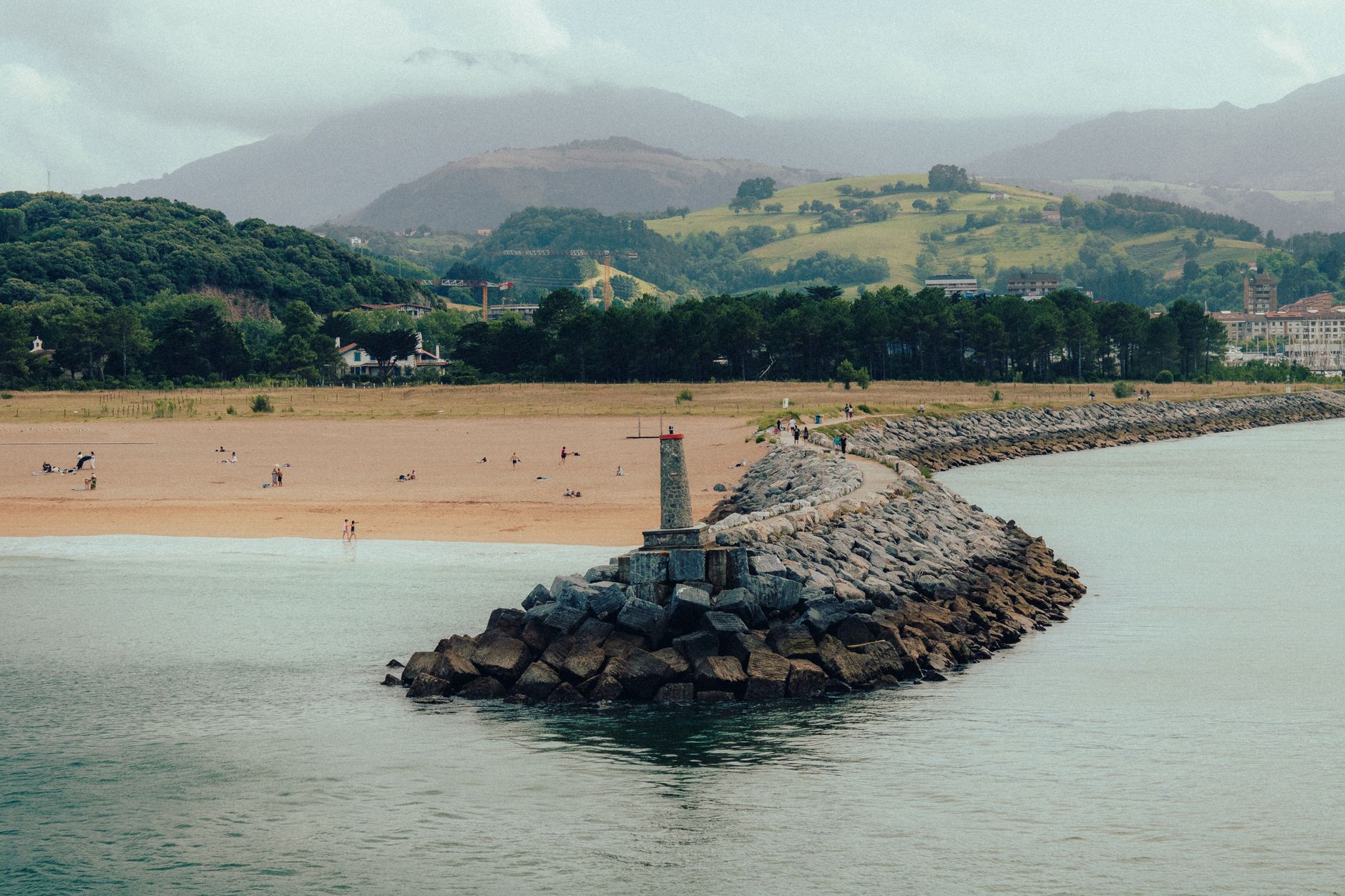
A small port where the cliffs expose sixty million years of rock in vertical stripes.

Deba
The western end of the flysch coast: a stone old town, a good beach, and a Camino stage.
Santander
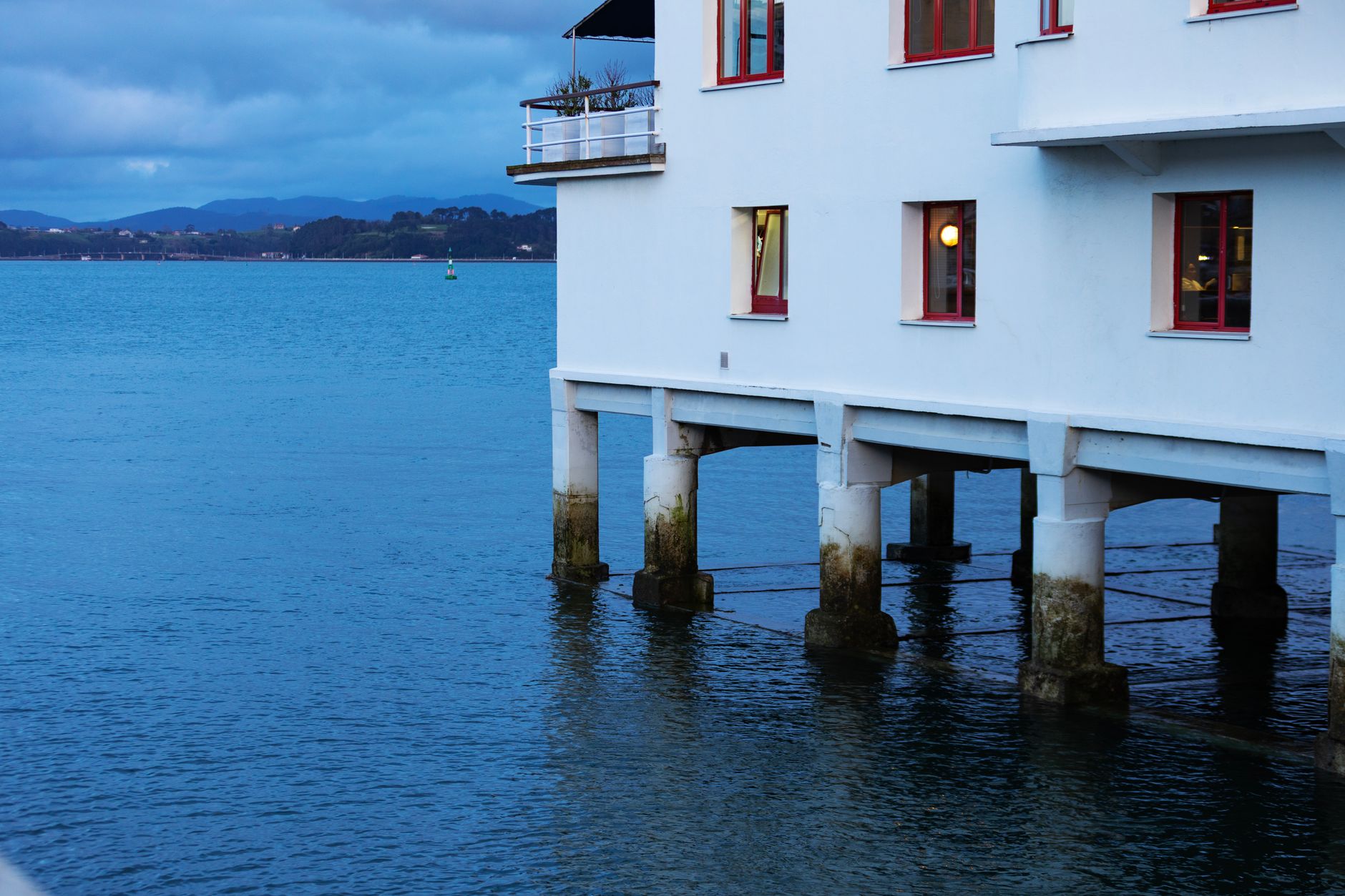
A refined Atlantic port city that serves as a perfect hub for exploring the Cantabrian coast

San Sebastián
The ultimate culinary pilgrimage destination featuring world-class pintxos and pristine beaches

Hondarribia
A fortified Basque fishing village with an old walled town and a strong pintxos scene.

Bilbao
An industrial-chic port city anchored by the Guggenheim and a world-class Basque food scene
Getaria
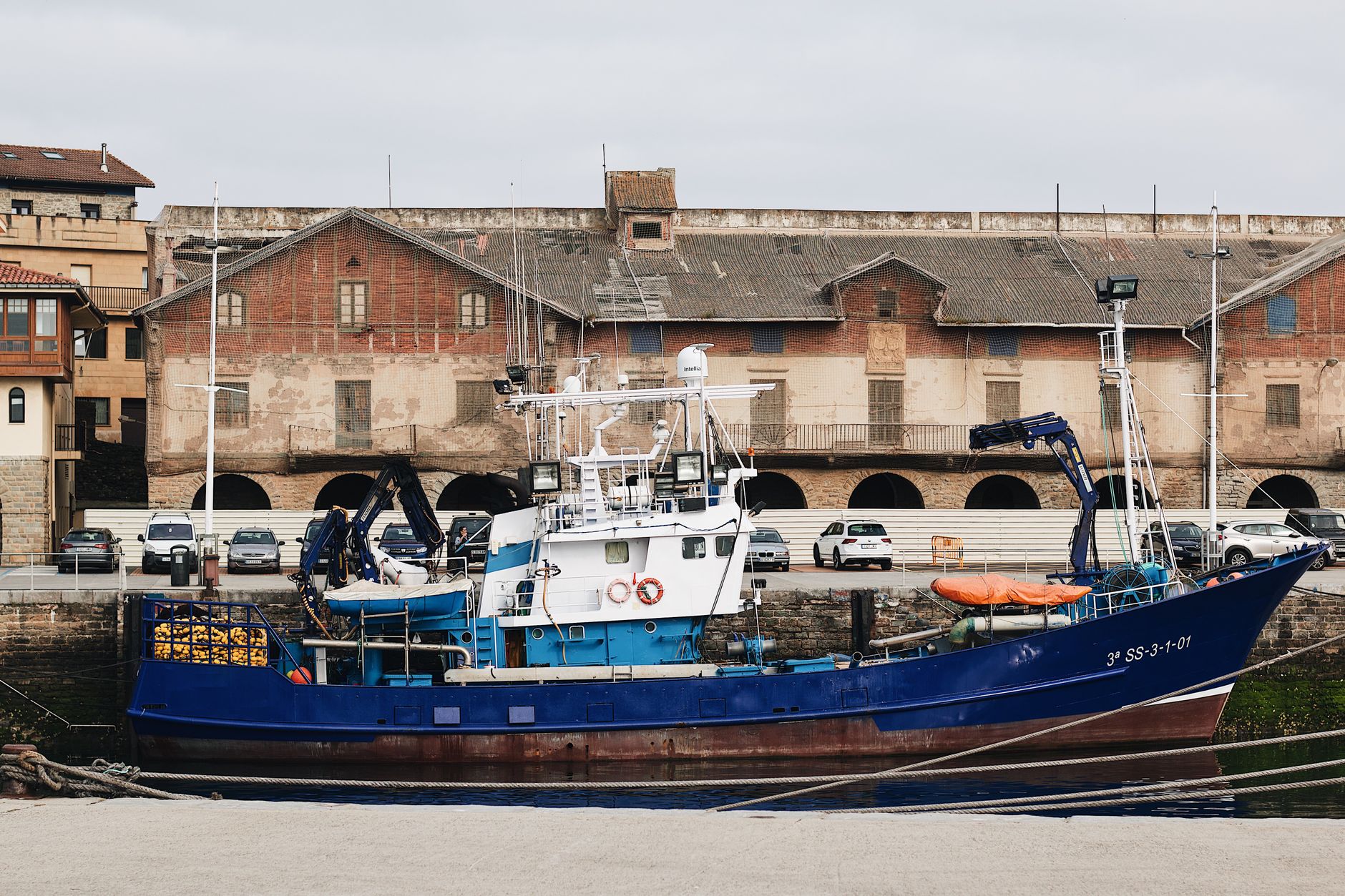
A tiny fishing village renowned for grilled turbot and traditional Txakoli wine with a view

León
A storied city with exceptional cathedral stained glass and a long-standing free-tapas culture.
Burgos
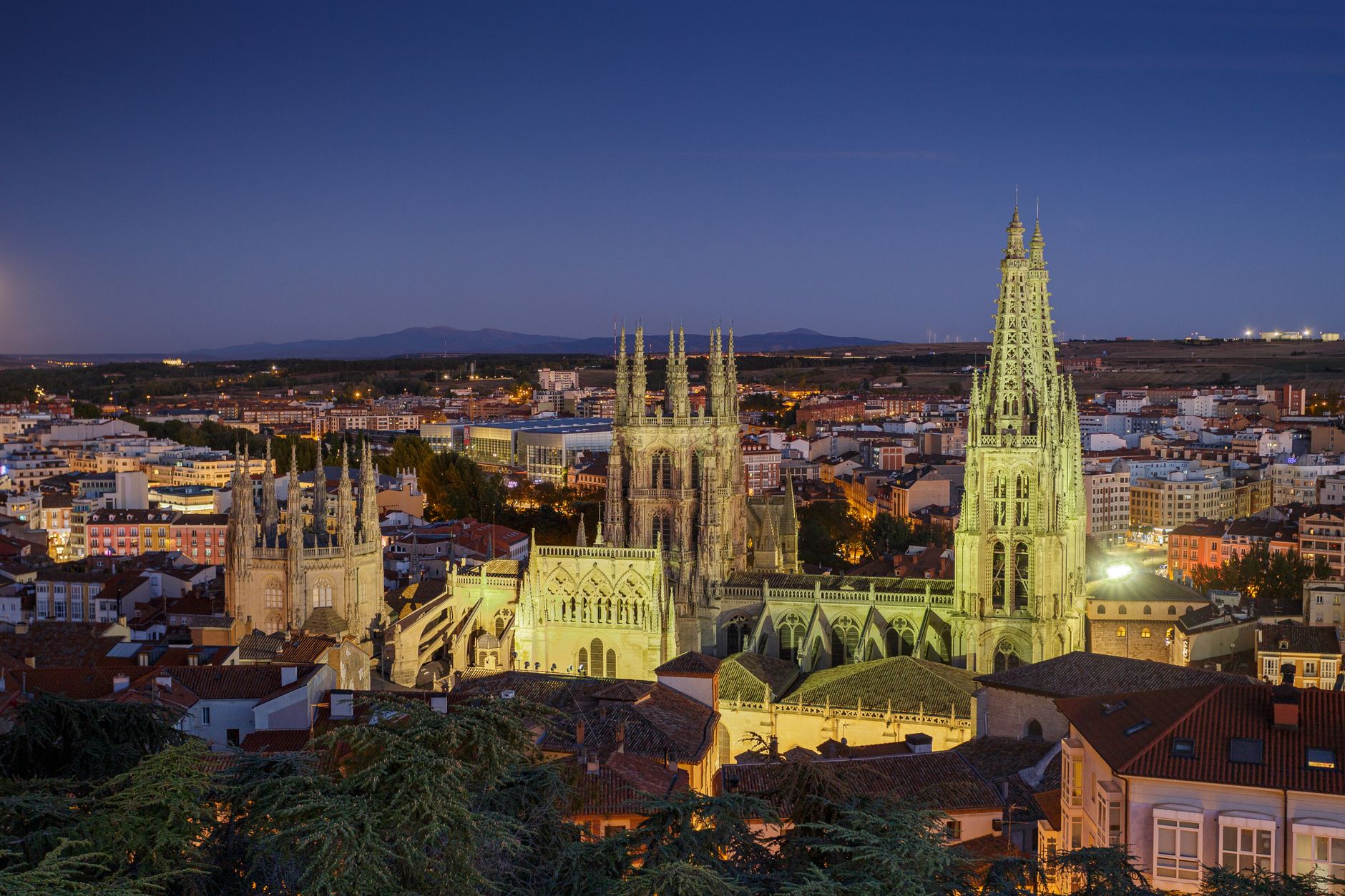
A significant stop on the Camino circuit defined by its grand Gothic cathedral and compact center
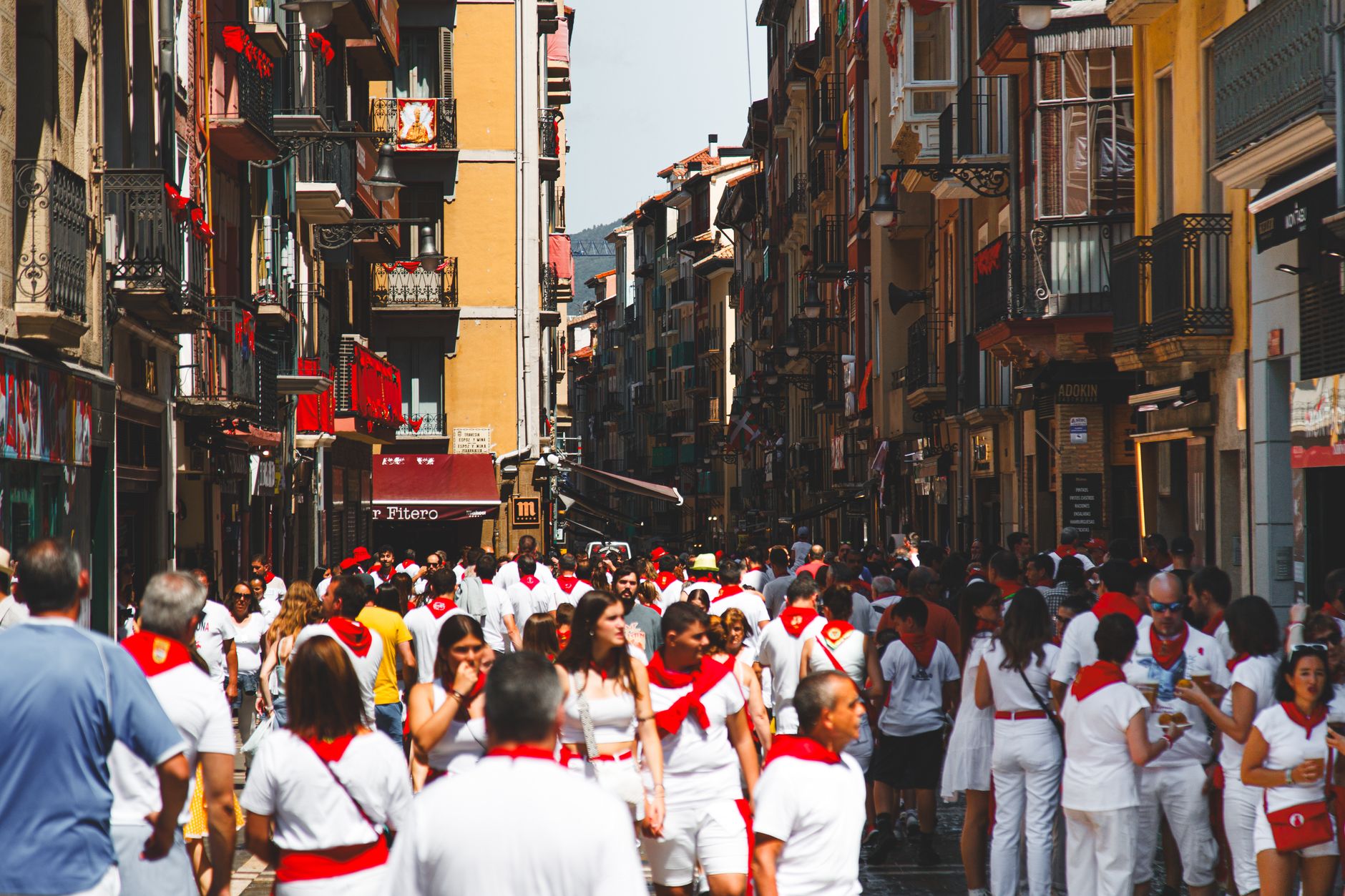
Pamplona
A historic Camino crossroads city offering a sophisticated pintxos scene and handsome architecture

Santiago de Compostela
The sacred granite-built pilgrimage destination at the end of the Camino de Santiago

Logroño
The best base for Rioja wine country, known for Calle del Laurel and its pintxos.

Carrión de los Condes
A historic town rich in monumental heritage and spiritual significance.
Sahagún
The midway point of the Camino Francés, known for its Mudéjar architecture.
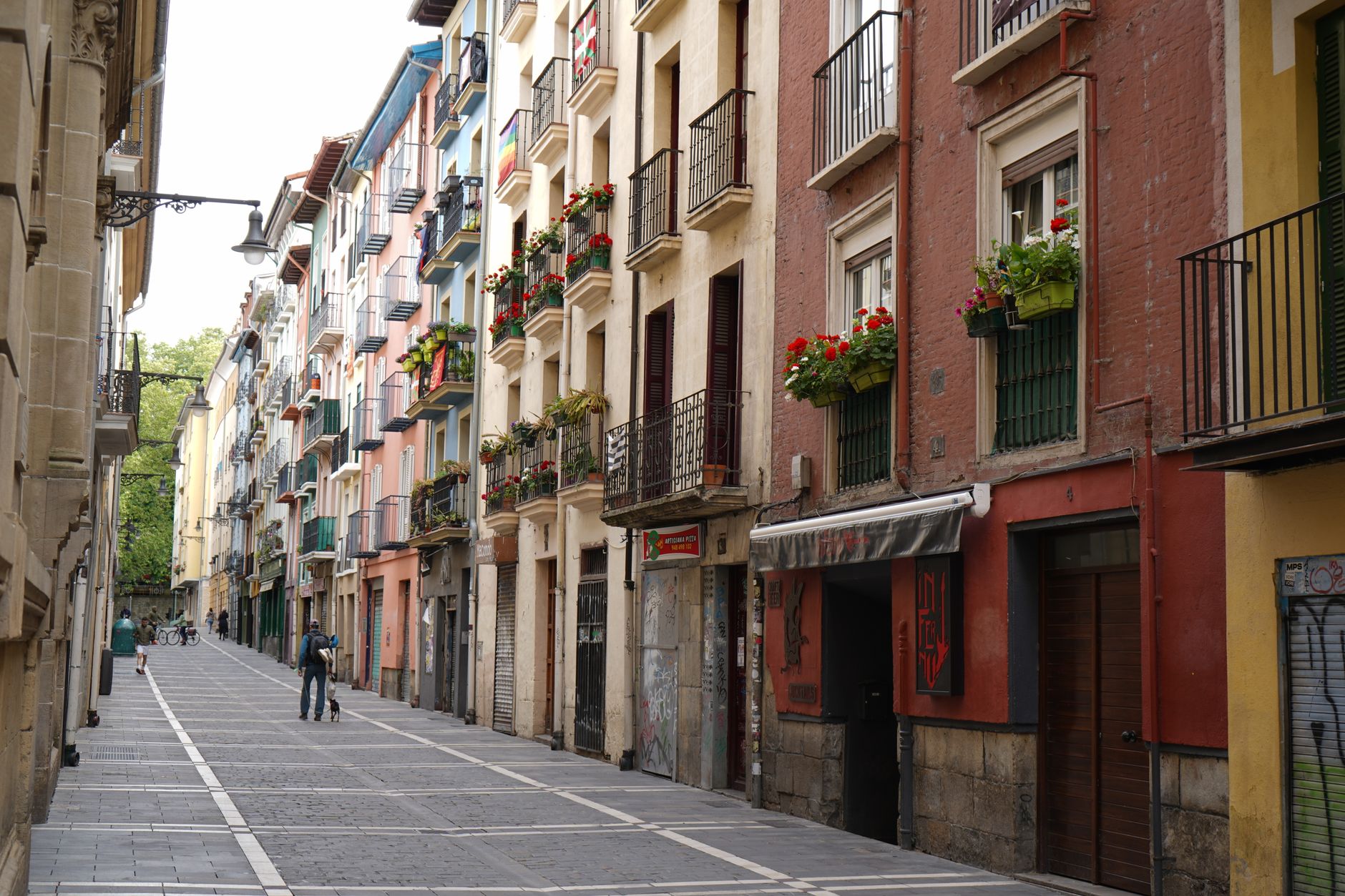
Sarria
The most popular starting point for those completing the final 100km to Santiago.
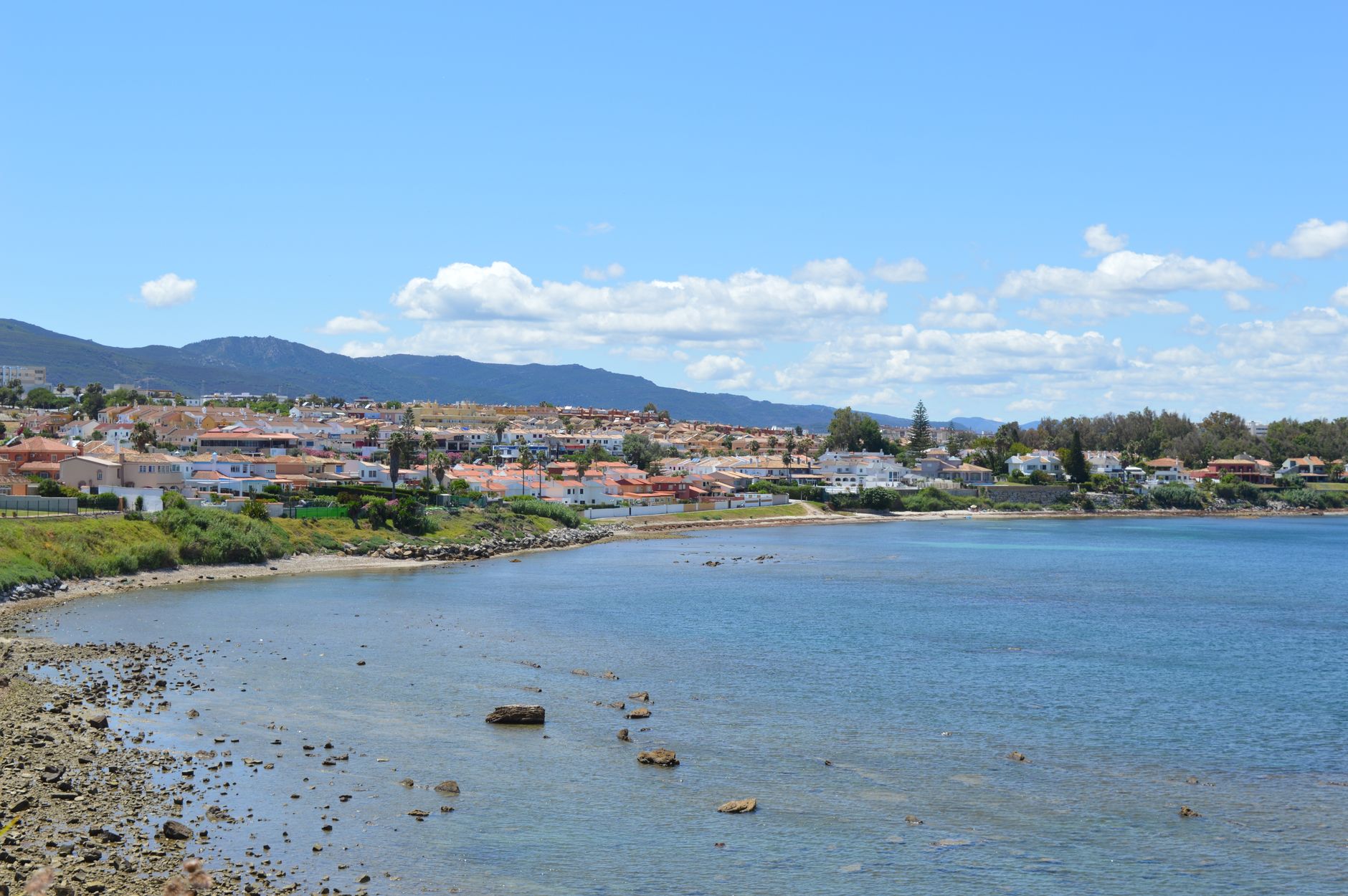
Portomarín
A town relocated above a reservoir, featuring a distinctive fortified church.

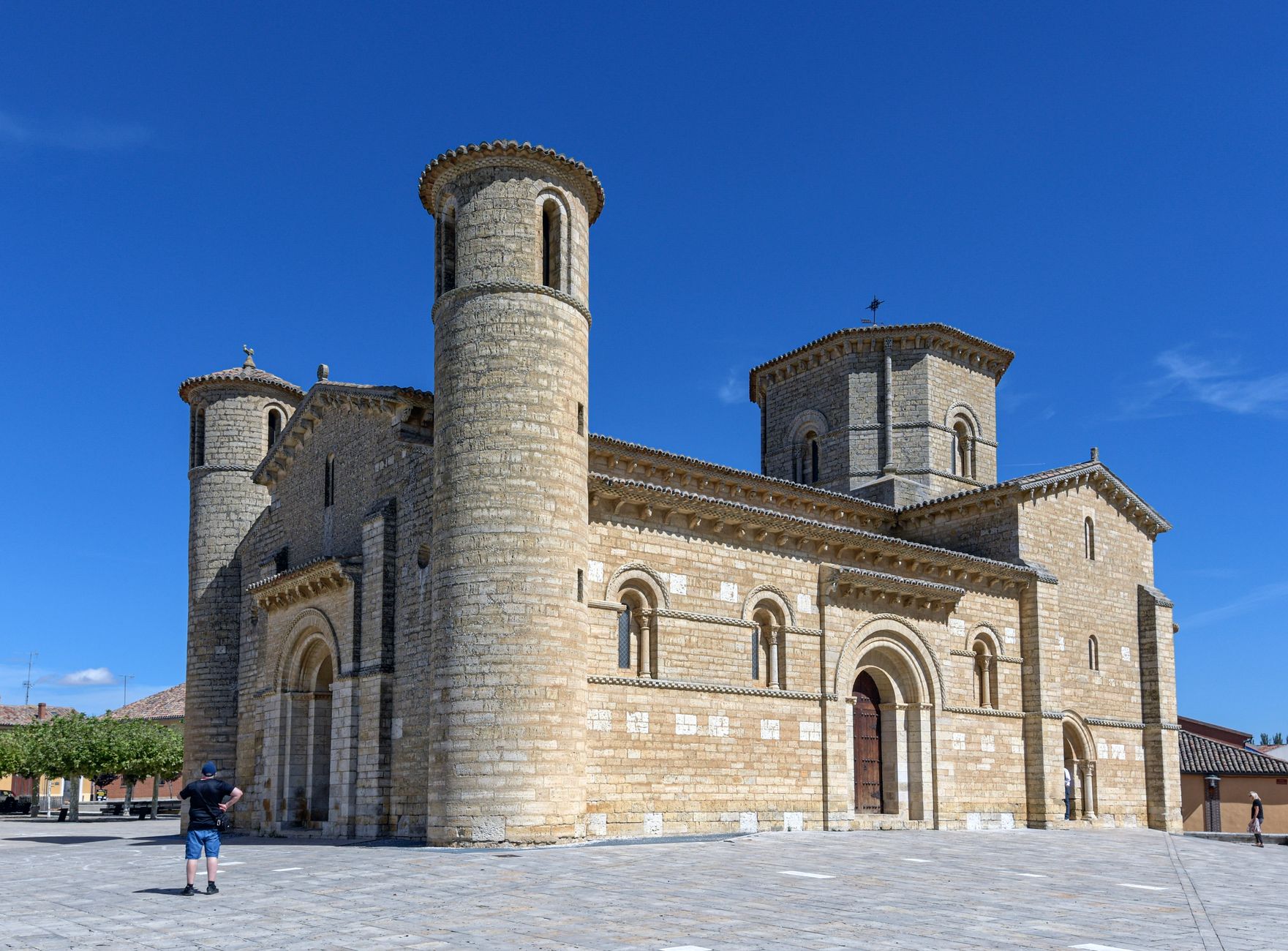
Frómista
Home to the Church of San Martín, a jewel of Romanesque architecture.

Arzúa
Famous for its local cheese and final convergence with other pilgrimage routes.

Puente la Reina
A historic crossroads famous for its beautiful Romanesque bridge.
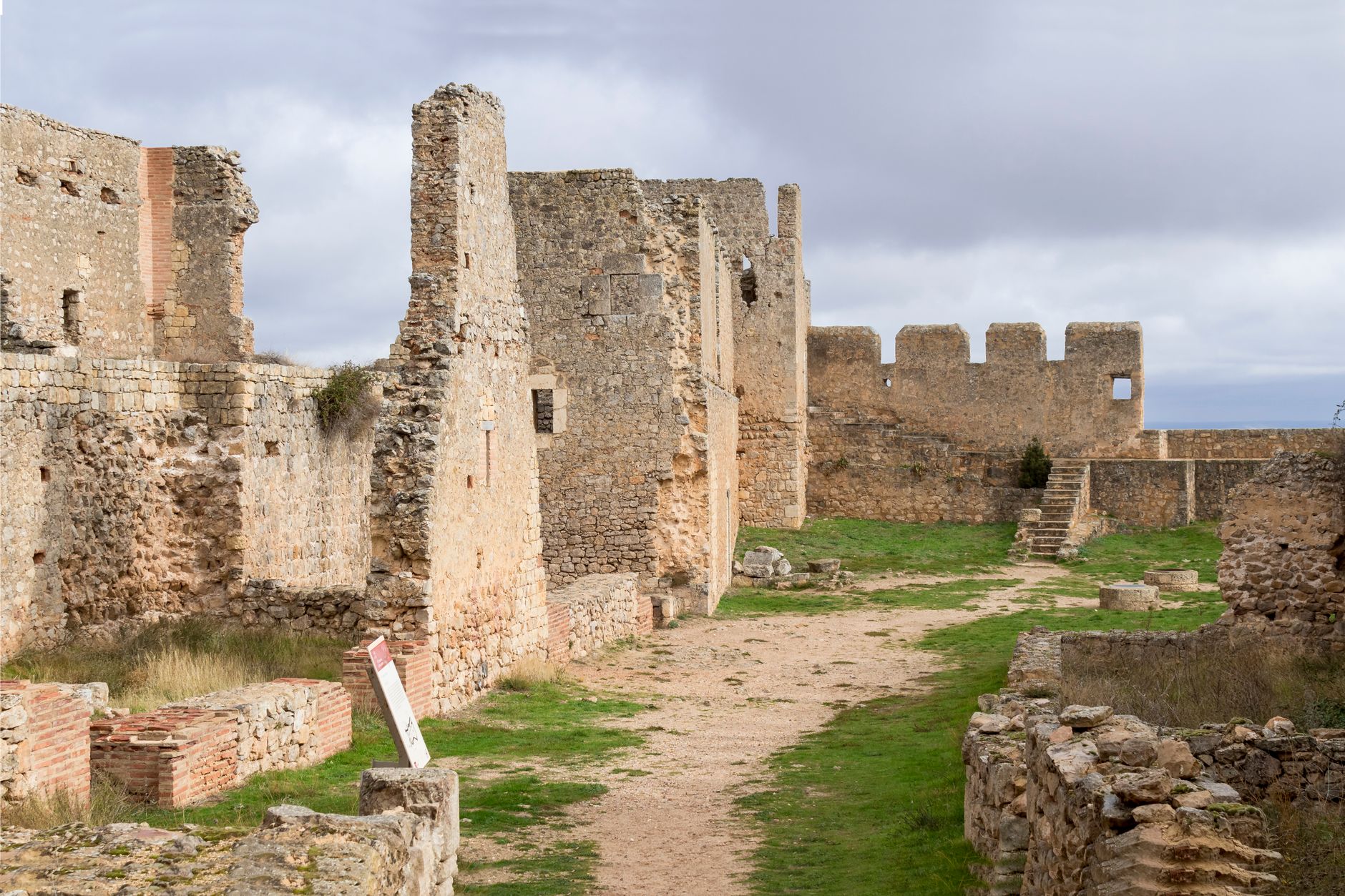
Palas de Rei
A quiet town set in the rolling forests and agricultural lands of Galicia.

Castrojeriz
A quiet, elongated village dominated by the ruins of a hilltop castle.
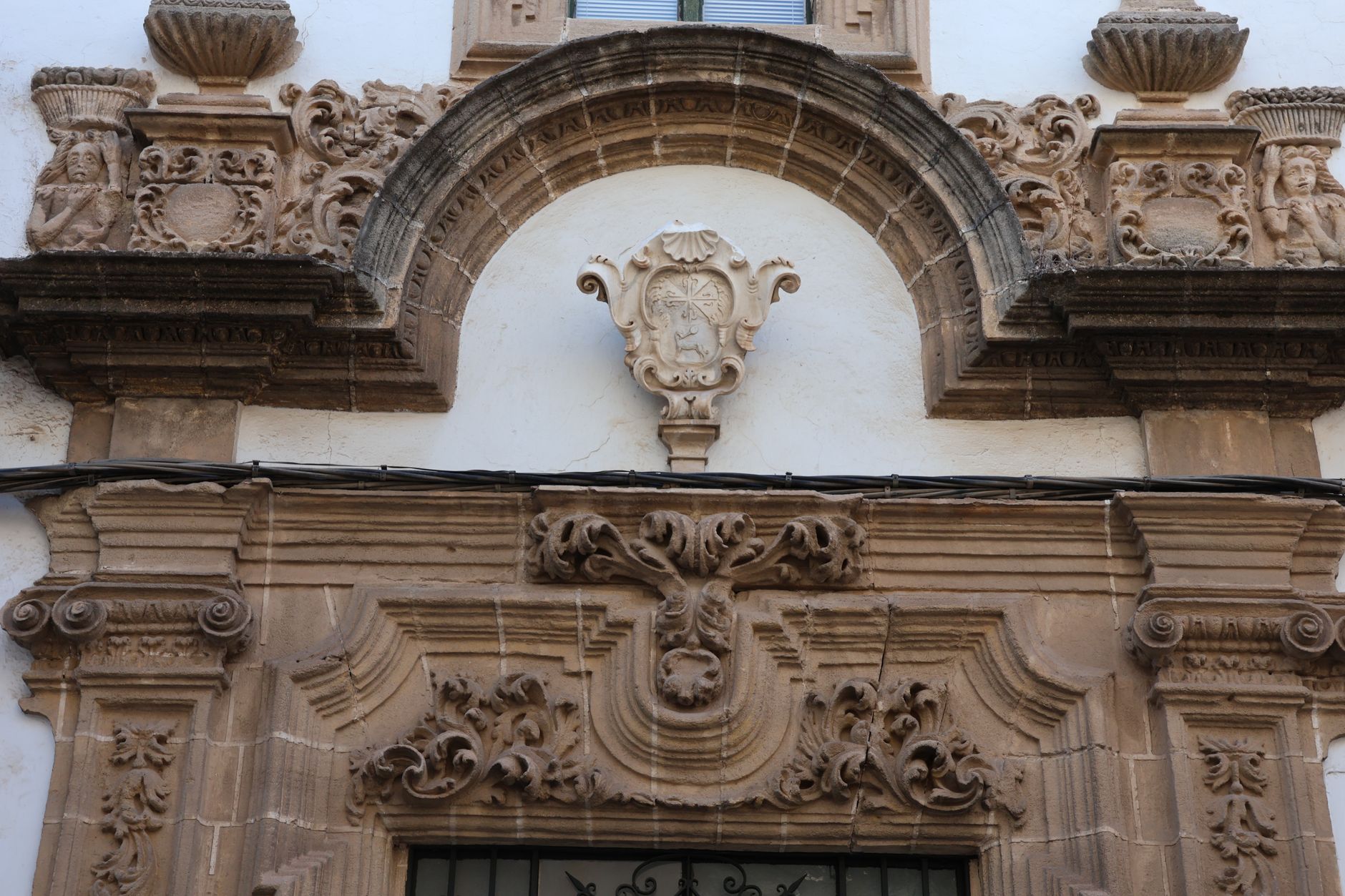
Santo Domingo de la Calzada
A town defined by a cathedral that houses live chickens in honor of a local miracle.

Triacastela
A valley town in the green hills of the Galician countryside.

O Cebreiro
A mountain village of ancient stone pallozas, with wide views over the surrounding hills.

Villafranca del Bierzo
Known as the Little Santiago, it is the gateway to the mountains of Galicia.

Ponferrada
Famous for the massive Knights Templar castle that dominates the skyline.

Astorga
A city renowned for its cathedral and Gaudi's whimsical Episcopal Palace.

Nájera
An ancient capital of the Kingdom of Navarre, set against red sandstone cliffs.
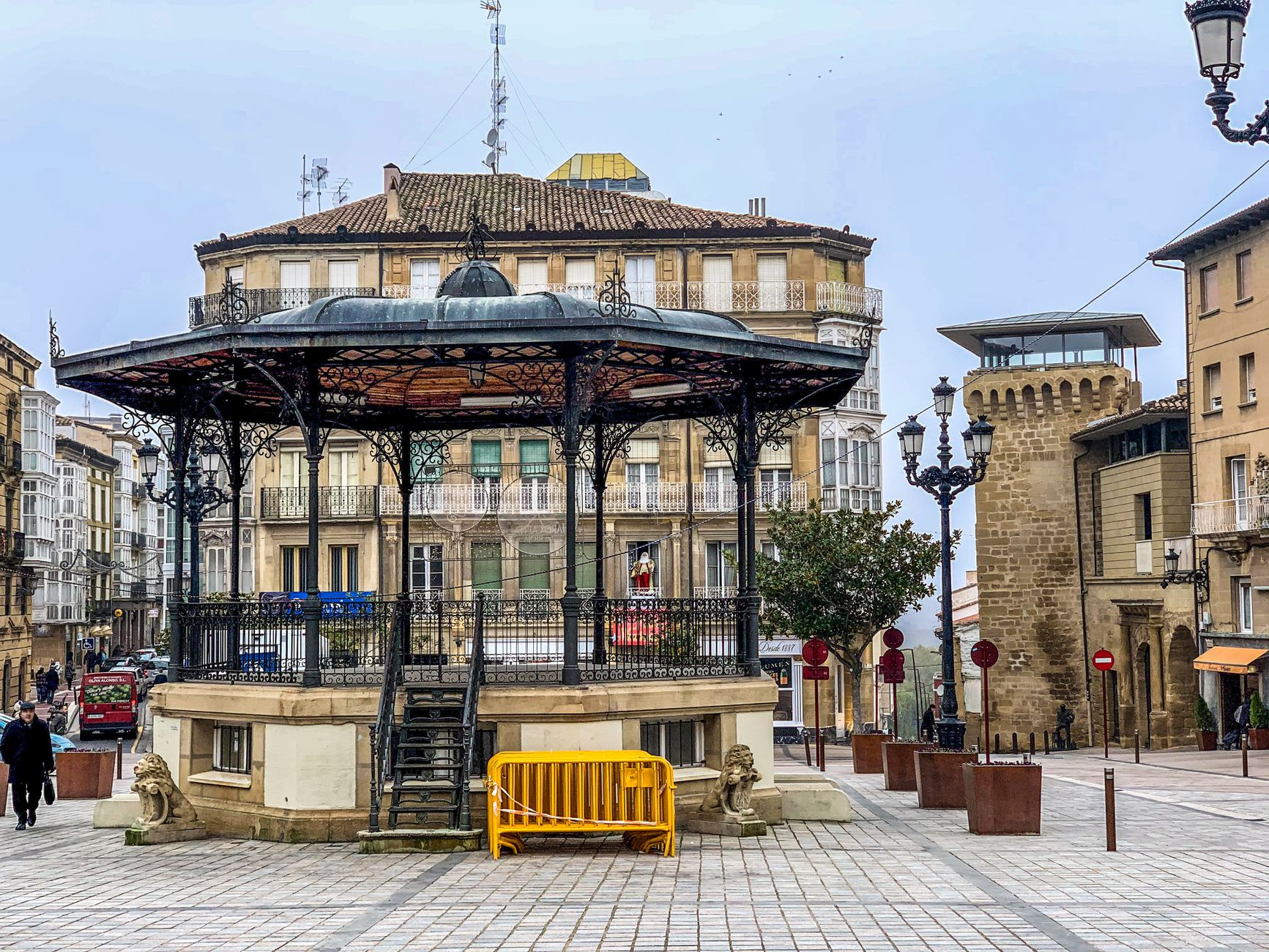
Estella (Camino Stop)
A historic Camino de Santiago stop in Navarra famous for its Romanesque palaces and a legendarily wine-flowing fountain

A Coruña
A breezy Atlantic peninsula city home to the world's oldest working lighthouse and elite seafood

Pontevedra
A walkable Galician city with a well-preserved old town.
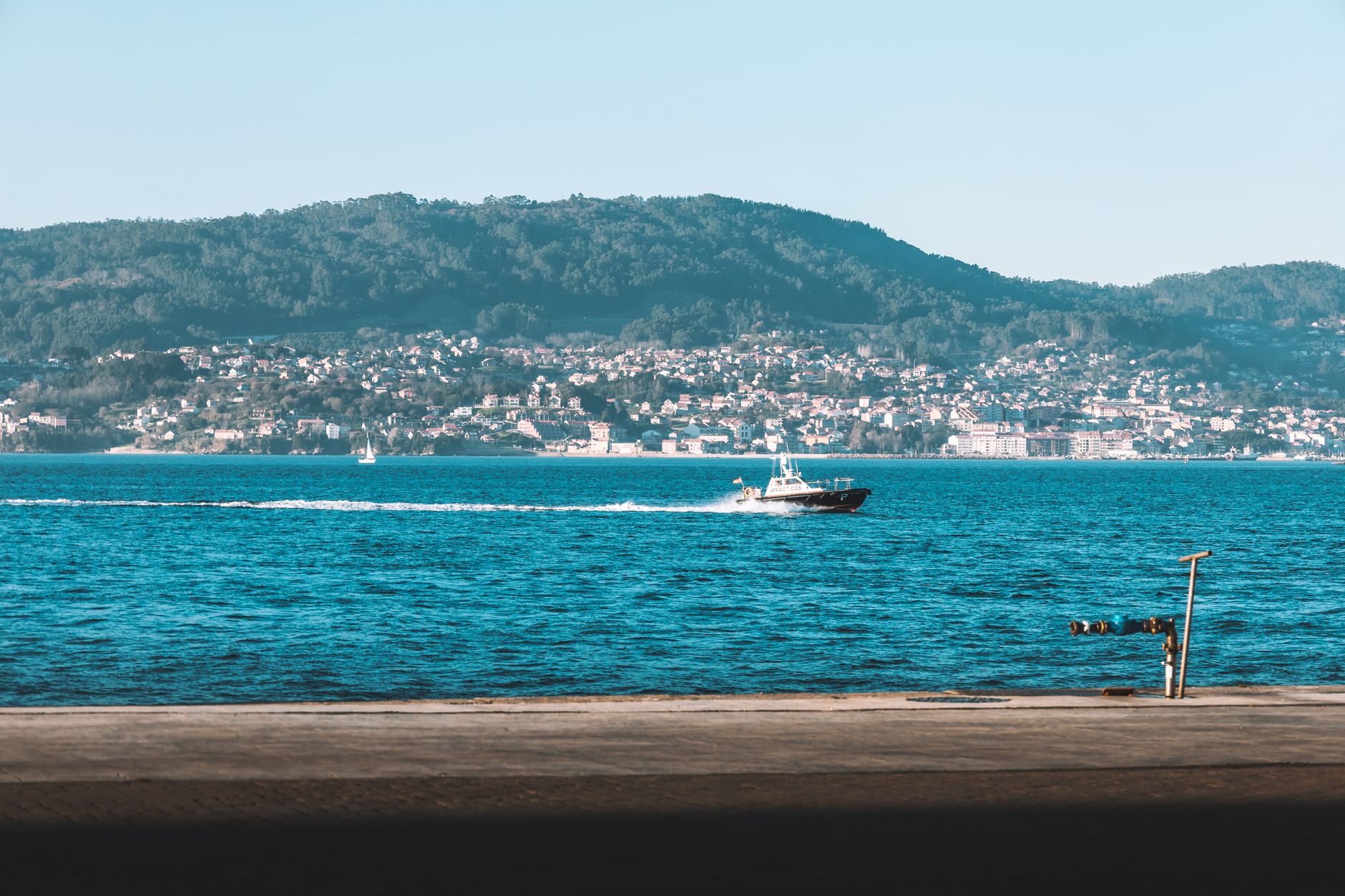
Vigo
A bustling fishing port serving as the primary gateway to the spectacular Cíes Islands

Baiona
A historic port with a commanding fortress and quiet charm on the southern Galician coast

Oviedo
A green and lively Asturian city famed for its distinct cider culture and regional heritage
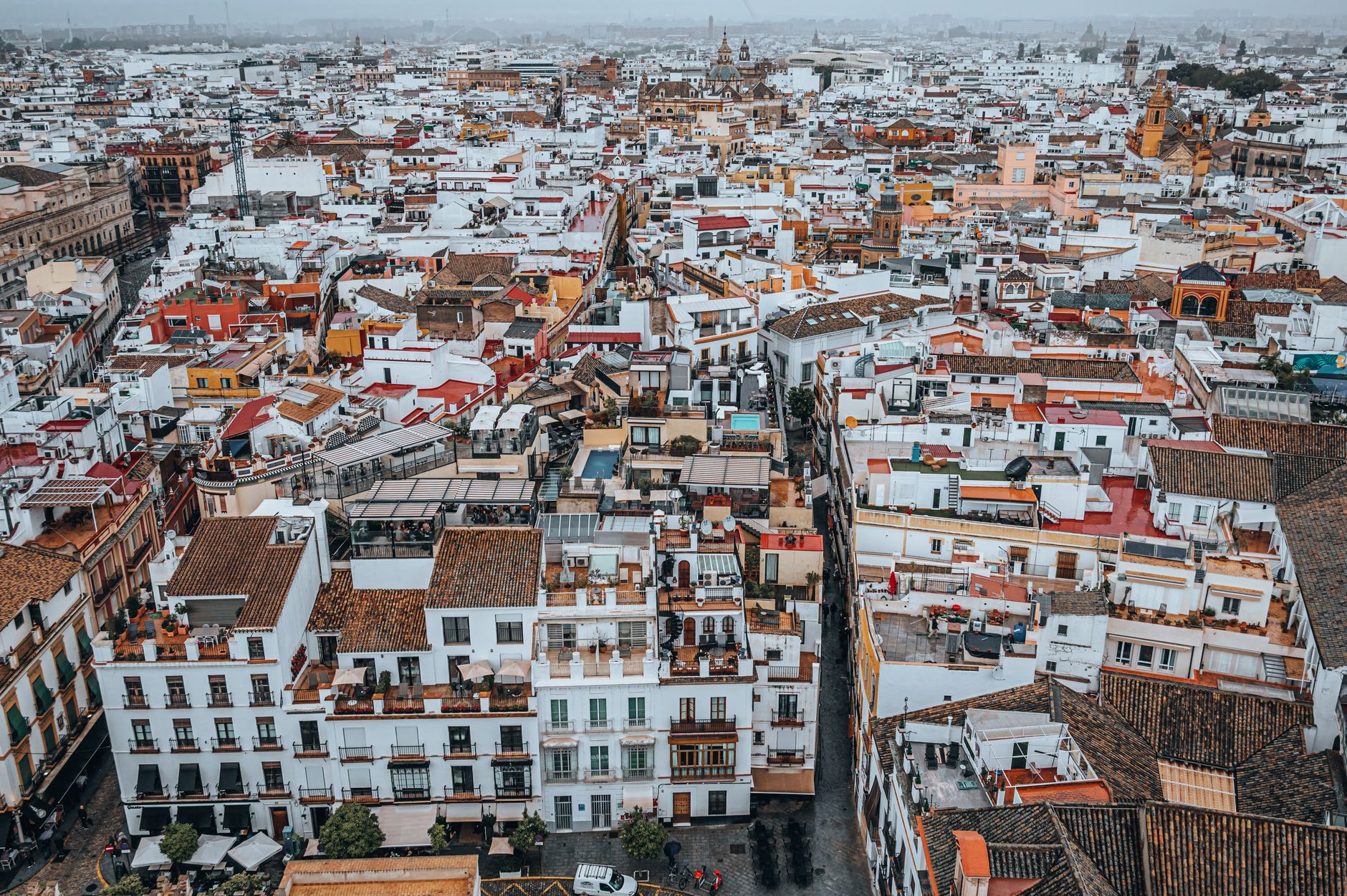
Seville
The heart of Andalusian culture, defined by Moorish palaces, authentic flamenco, and lively tapas bars
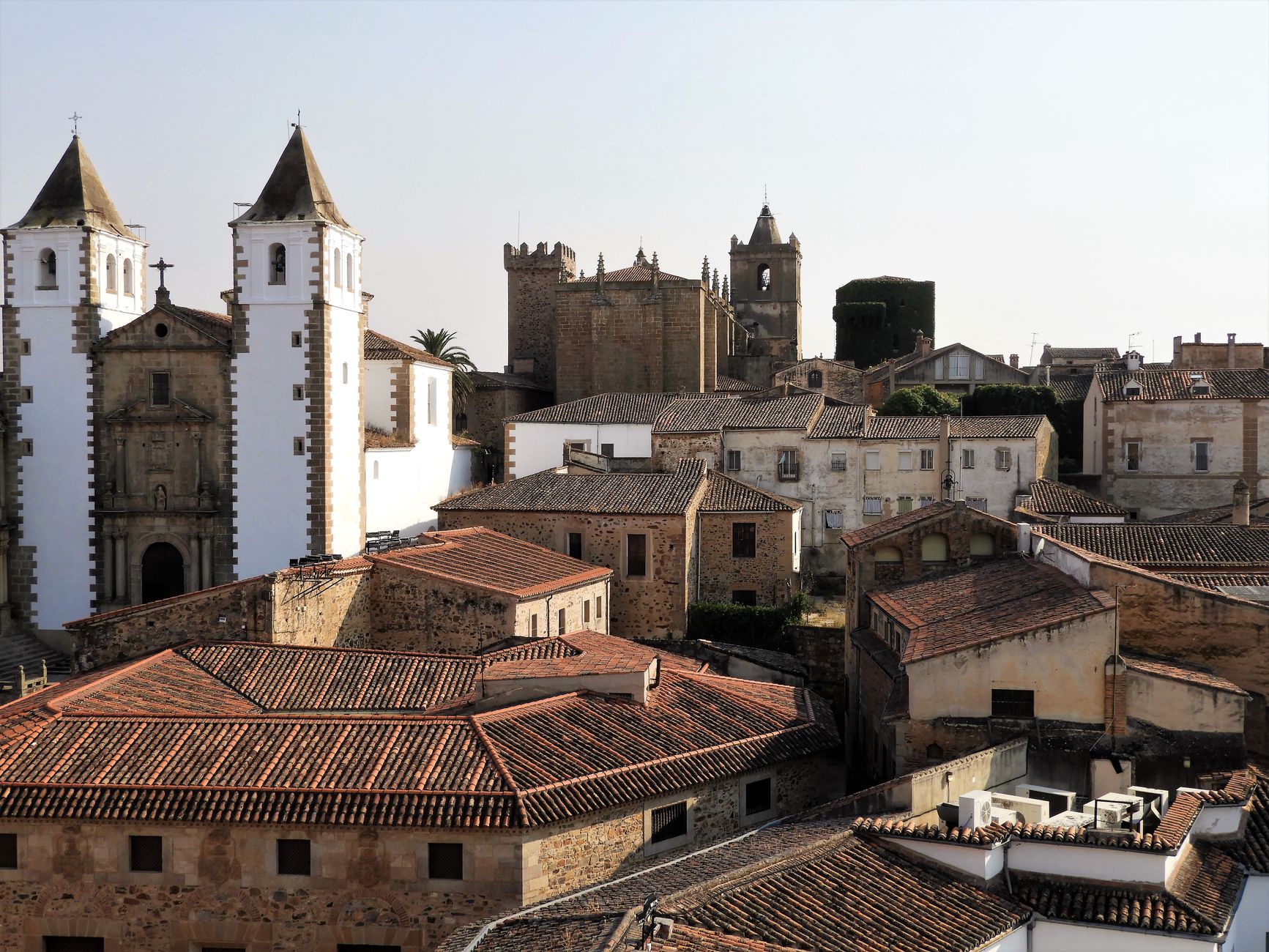
Cáceres
A serene, superbly preserved medieval walled city, with comparatively few visitors.

Mérida
A treasure trove of antiquity featuring the best-preserved Roman theater and bridge in Spain

Salamanca
A university city of golden sandstone, built around one of the finest squares in Spain.
Turn a Camino into an itinerary
You've picked a route and its towns. Travel Itinerary Co takes those saved places and builds the day-by-day plan — stages, overnights, and the logistics of getting to your start.
Build this into a tripContinues on Travel Itinerary Co