Vigo
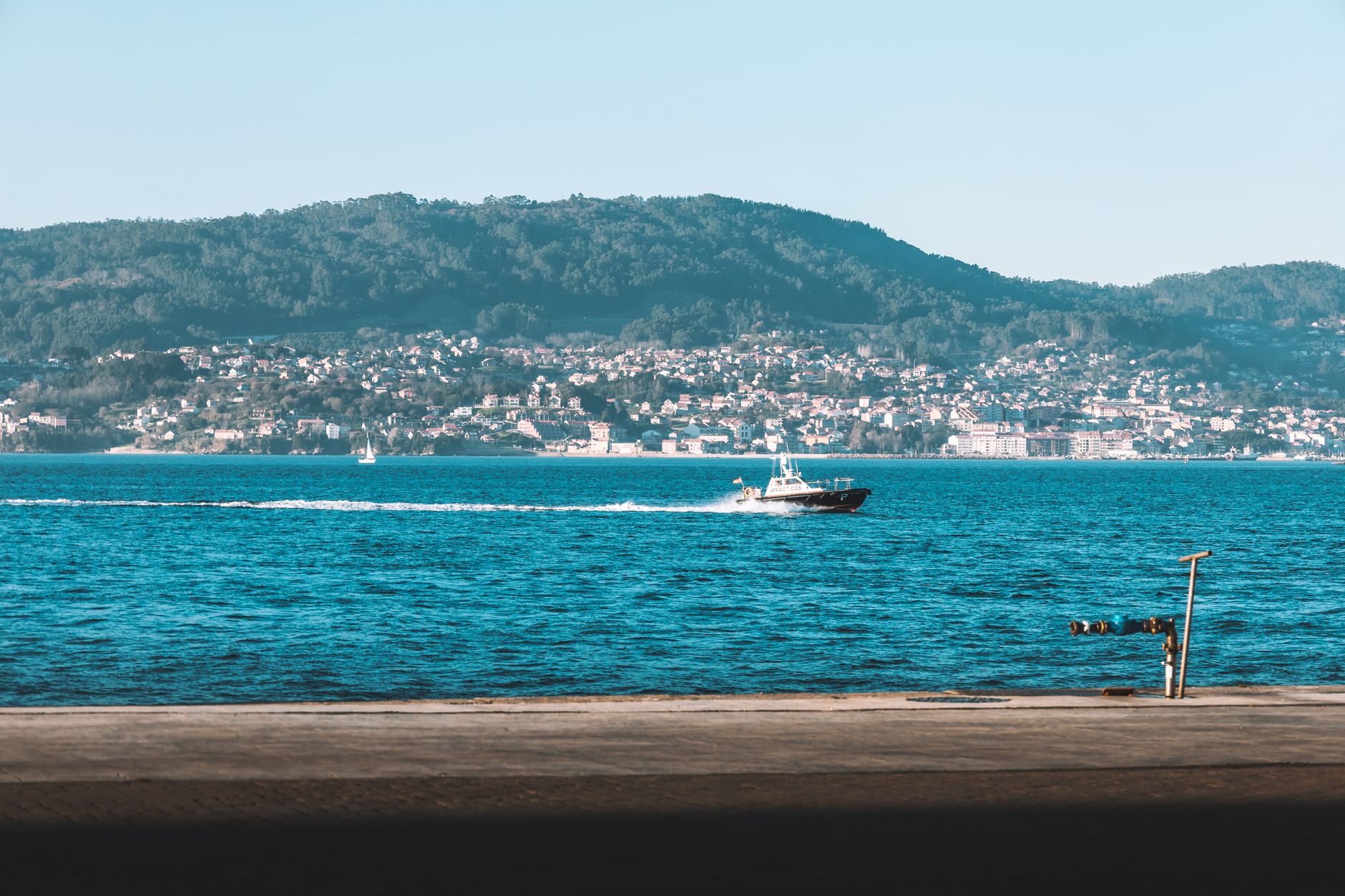
A practical base for the Rías Baixas. The Cíes are the reason to come; book the ferry in summer.
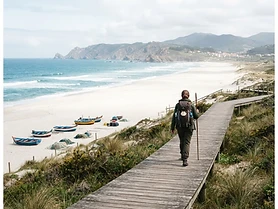
The gateway to the Cíes Islands — beaches that genuinely live up to the hype — and a working fishing port with excellent seafood.
Mussel Rafts of the Rías Baixas (Bateas) · A Guarda · Baiona · Rías Baixas
At a Glance
- — You're not going to the Cíes Islands
Steep hills drop toward a working harbor full of fishing trawlers that supply the region's seafood markets. Vigo is the functional, industrial gateway to the white-sand beaches of the Cíes Islands, which sit just offshore in turquoise water. It lacks the polish of a resort town, and makes up for it with octopus, mussels, and the raw Atlantic air.
How it got here
Romans established salting plants here during the first centuries of the common era to supply the empire with garum. The settlement endured centuries of pirate raids and invasions that forced the population to retreat up the slopes toward O Castro. By the nineteenth century, the expansion of the canning industry transformed the port into a commercial center. This industrial past explains the current architecture of granite buildings and the dense grid of the port district. Today the rhythm of the city follows the incoming fishing fleets rather than the pace of traditional tourist hubs, as the local economy continues to rely heavily on maritime trade.
Where it sits
Vigo occupies the southern rim of the Ría de Vigo, a deep inlet that carves into the Galician coastline. The city climbs a series of granite hills that overlook the Atlantic, facing the Cíes Islands which break the force of the ocean waves. Mists roll off the water during the wetter months, while summer brings long days and cool breezes. The landscape beyond the harbor rises into rugged mountains covered with eucalyptus and pine. Reaching the city requires traversing the winding roads of the Rías Baixas, where the terrain shifts constantly between narrow river valleys and coastal outcrops.
What to eat and drink
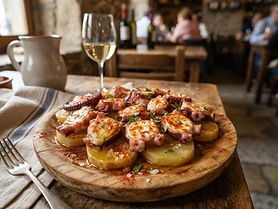
Pulpo á feira stands as the essential dish, featuring octopus boiled in copper cauldrons and dressed with olive oil, salt, and pimentón. The port markets supply an abundance of mussels and scallops, often prepared in their own juices or with simple garlic sofrito. Albariño, a crisp white wine produced in the surrounding vineyards of the Rías Baixas, cuts through the richness of the shellfish. During the cooler months, locals eat empanada gallega, a dense pastry filled with seasoned tuna or savory cockles, a carryover from traditional methods of preserving the day's catch for long journeys at sea.
Galicia: the whole region
Galicia is wet, green, cheap and unlike anywhere else in Spain: a drowned coast of rias, granite villages, seafood that justifies the trip on its own, and Santiago at the middle of it. The rain is not a risk, it is a certainty — plan…
Minimum 5 days · better 8-10 days · deep 2 weeks

What's Nearby


Pair It With


In Galicia



In Galicia


In Galicia







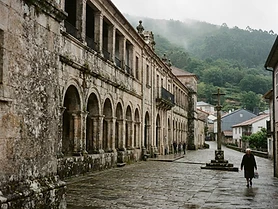
Linked from elsewhere
Entries that name this place in their own nearby lists.




Logistics are verified only. We don't publish schedules we haven't confirmed.
Appears In
Experiences worth booking ahead
- Electric bike tour with optional pick-up for cruisers4.9 (110)3 hrsFrom €65
- Discover Vigo: Historical and Cultural Walking Tour4.9 (88)2 hrsFrom €20
- Full-Day Excursion to Santiago from Vigo for Cruisers Only4.5 (115)6 hrsFrom €69
- Discover in Ebike the coast of Vigo and its sunsets4.9 (35)2.5 hrsFrom €40
Spain Field Guide may earn a commission when you book through selected links. Recommendations are editorial and independent of commission.
Ready to build Vigo into a trip?
You've found a place worth going. When you're ready to turn discovery into an itinerary, Travel Itinerary Co picks up where the Field Guide leaves off — with your saved places already in hand.
Build this into a tripContinues on Travel Itinerary Co
Spain Field Guide may earn a commission when you book through selected links. Recommendations are editorial and independent of commission.