Parador de Santiago (Hostal dos Reis Católicos)

Eat in the dining hall (the old hospital ward) even if you don't stay. The four cloisters are open to guests; the chapel where Columbus's sailors prayed is the photo.
A 1499 pilgrim hospital turned luxury parador — the world's oldest continuously operating hotel, with four cloisters and a chapel where pilgrims were fed free for 500 years.
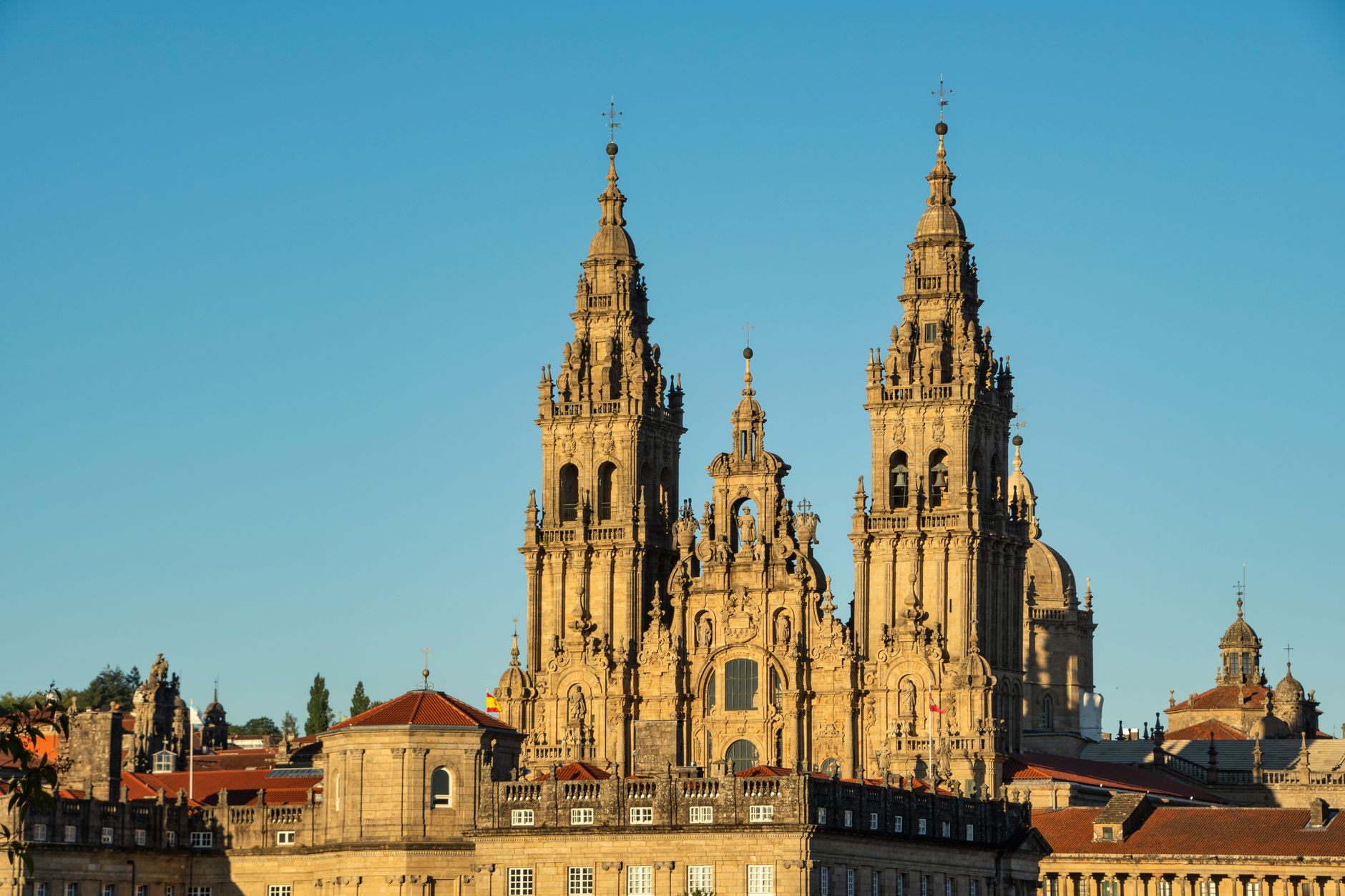
Cathedral of Santiago de Compostela · Mercado de Abastos de Santiago
At a Glance
- — You're not staying overnight — still walk the courtyard free
Recognized as the world’s oldest hotel, this 1499 pilgrim hospital now functions as a grand parador, where four distinct cloisters offer a silent, stone-walled retreat. The dining hall, once an infirmary for those traveling the Camino, now serves local delicacies, while the chapel still holds the echoes of the sailors who prayed there before joining Columbus. It is a living piece of history that remains open to those who wish to step into the past.
How it got here
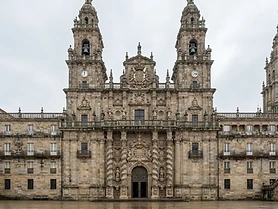
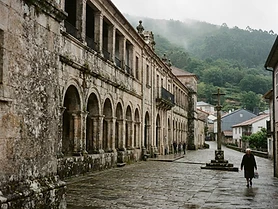
Construction began in 1501 on the orders of Catholic Monarchs Ferdinand and Isabella to provide shelter for pilgrims finishing the Camino de Santiago. It occupies a prime spot on the Praza do Obradoiro directly facing the cathedral. The building provided medical care and lodging for centuries as the influx of travelers brought wealth and European cultural shifts into the isolated northwest corner of the Iberian Peninsula. The architecture combined Plateresque elements with Gothic foundations, a style designed to project royal authority. Its evolution from a hospital to a state-run lodging facility tracks the transition of Santiago de Compostela from a remote religious destination to a global center for heritage tourism.
Where it sits
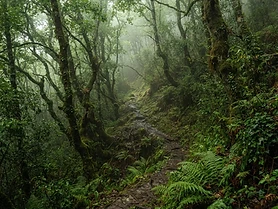
The city sits in a granite-heavy basin of Galicia, a land defined by frequent Atlantic rains and dense Atlantic forest. Cold damp air defines the long winter months, while summer brings moderate temperatures and dense coastal mist. The terrain climbs steeply from the surrounding river valleys to reach this plateau. Pilgrims arrive on foot after weeks of walking through rural oak groves and small farming villages. The central square gathers crowds throughout the day, yet the quiet stone cloisters inside the building provide a sharp transition from the bustling stone streets and the constant humidity of the Galician coast.
What to eat and drink
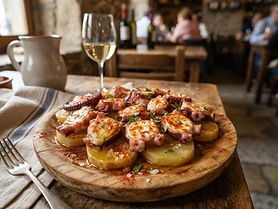
The regional kitchen prioritizes produce from the nearby Rías Baixas and inland mountains. Pulpo á feira, octopus boiled in copper pots and dressed with coarse salt, olive oil, and pimentón, serves as the definitive local plate. Empanada gallega, a dense pastry shell filled with seasoned tuna or pork and peppers, provides sustenance for long journeys. For dessert, tarta de Santiago, an almond flour cake decorated with a cross stencil, marks the end of most meals. Diners accompany these dishes with Albariño, a crisp white wine produced from grapes grown in the granite soils of the southern coastal valleys.
Galicia: the whole region
Galicia is wet, green, cheap and unlike anywhere else in Spain: a drowned coast of rias, granite villages, seafood that justifies the trip on its own, and Santiago at the middle of it. The rain is not a risk, it is a certainty — plan…
Minimum 5 days · better 8-10 days · deep 2 weeks
What's Nearby


Pair It With

In Galicia




In Galicia


In Galicia





Logistics are verified only. We don't publish schedules we haven't confirmed.
Experiences worth booking ahead
- Excursion to Finisterre + Muxia + Costa da Morte (7 stops)4.8 (1,782)9.3 hrsFrom €52
- Day Trip from Porto to Santiago de Compostela and Valença4.8 (1,171)10 hrsFrom €79
- Private tours Santiago de Compostela : choose your option5.0 (151)From €52
- Santiago de Compostela: Finisterre, Muxía & Costa da Morte4.8 (276)9 hrsFrom €52
Spain Field Guide may earn a commission when you book through selected links. Recommendations are editorial and independent of commission.
Ready to build Parador de Santiago (Hostal dos Reis Católicos) into a trip?
You've found a place worth going. When you're ready to turn discovery into an itinerary, Travel Itinerary Co picks up where the Field Guide leaves off — with your saved places already in hand.
Build this into a tripContinues on Travel Itinerary Co
Spain Field Guide may earn a commission when you book through selected links. Recommendations are editorial and independent of commission.