Terras Gauda

Visit on the Rías Baixas coastal drive. The Terras Gauda white and the Abbadía are the wines to taste. Pair with a Cambados seafood lunch.
Rías Baixas' leading estate — on the Val do Salnés in Galicia's Atlantic coast, making the benchmark Albariño and the O Rosal blend. The winery that put Galician whites on international lists.
At a Glance
- — You don't like Albariño
Overlooking the lush, misty banks of the Miño River in Galicia, this estate is responsible for bringing Albariño into the global spotlight. The environment here is profoundly different from the rest of Spain, defined by Atlantic humidity, granite soils, and a constant, bracing maritime wind. The resulting wines are intensely aromatic, possessing a zesty, saline minerality that pairs perfectly with the local seafood. A visit to the winery offers a look at the modern, efficient side of Galician viticulture, set against a backdrop of sweeping, terraced vineyards that drop toward the gray-blue Atlantic ocean.
How it got here
Galicia emerged as a distinct maritime culture through its Celtic roots and the subsequent expansion of the kingdom of Asturias into the south during the ninth century. The Miño River valley served as a natural border, witnessing centuries of monastic influence where Cistercian and Benedictine orders refined viticulture within the Rías Baixas. Modern production here built upon these ancient ecclesiastical plantings, scaling artisanal vine growing into an international trade. The focus on single varietal production reflects the shift from subsistence field blending toward the technical precision that defined the D.O. Rías Baixas since its establishment in the late twentieth century.
Where it sits
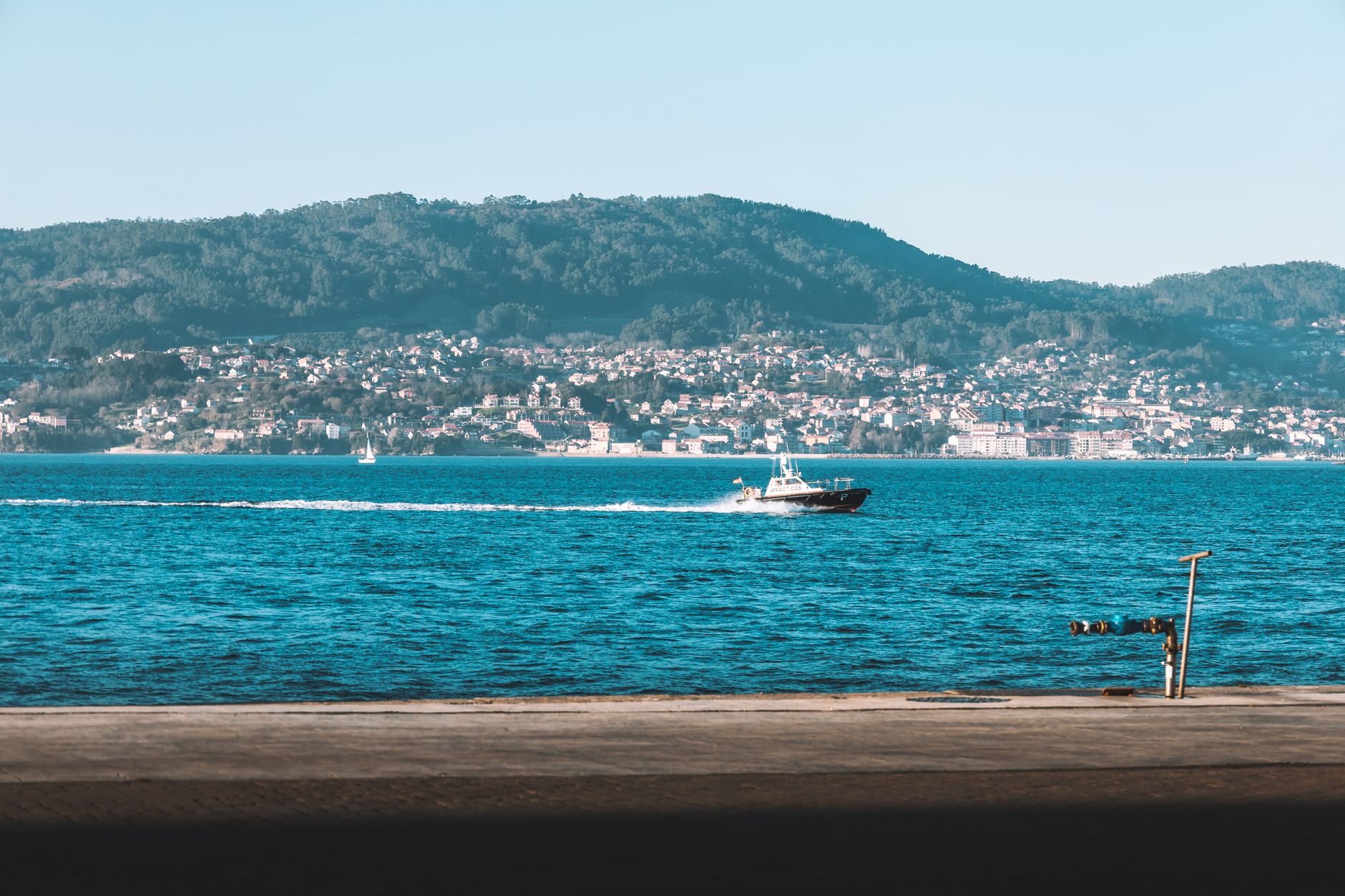
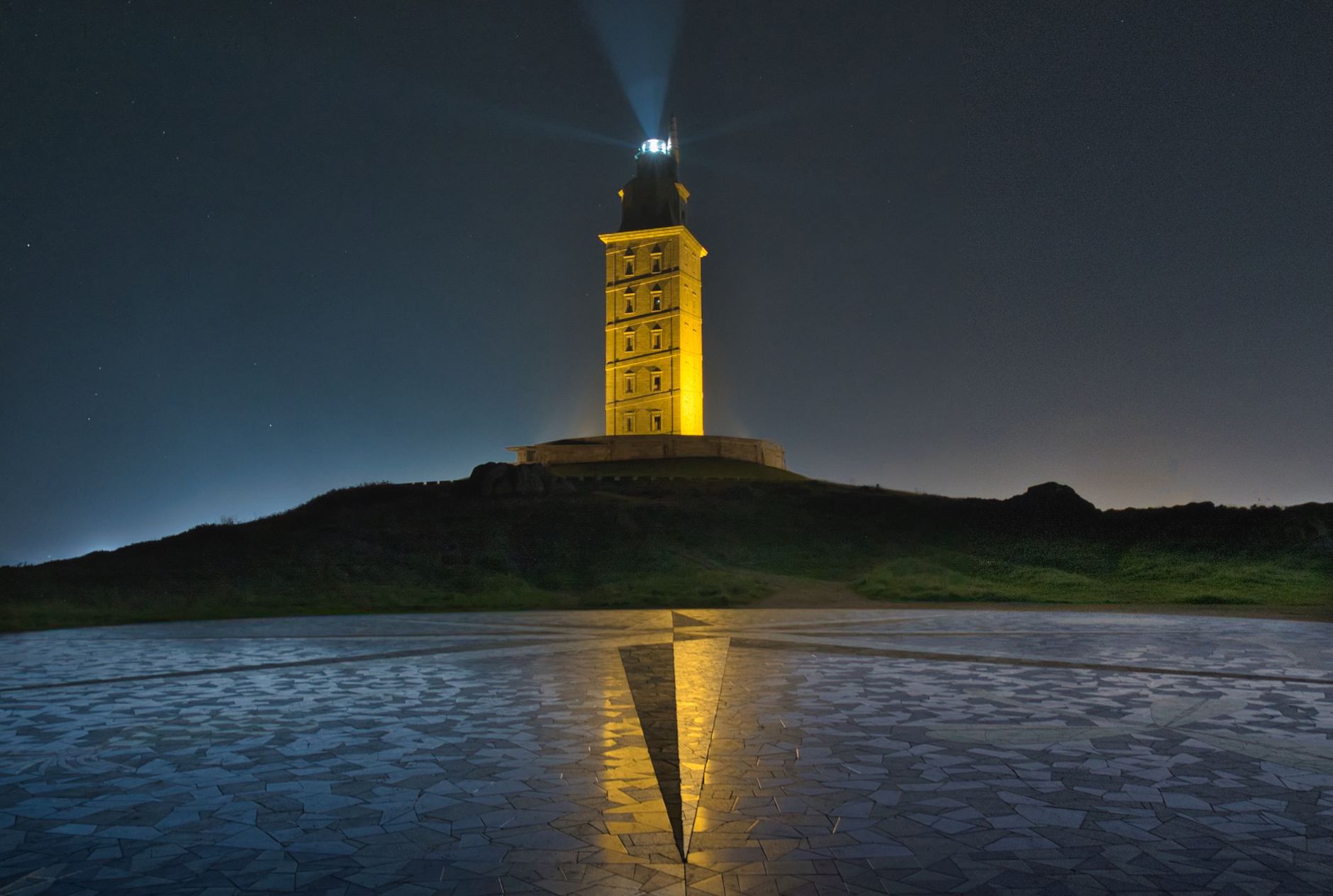
Granite soil and relentless Atlantic moisture define the O Rosal valley where the Miño River drains into the ocean. The landscape shifts between verdant, steep-sided slopes and flat tidal plains, creating a humid climate that forces vines upward onto trellises to escape ground-level rot. Summer brings a thick, low-hanging mist that rolls off the water to cool the vineyards. Roads winding through these parishes connect small clusters of stone houses and traditional granaries known as hórreos. Winter brings persistent rain, turning the valley into a saturated, lush corridor of moss and lichen.
What to eat and drink
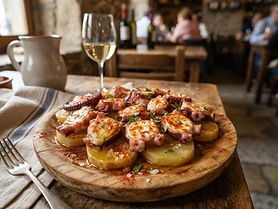
Albariño provides the crisp, acidic backbone required for the shellfish abundance of the Galician coast. Pulpo á feira, octopus boiled in copper pots and dressed with coarse salt, paprika, and olive oil, defines the local diet. Empanada gallega, a dense pastry filled with cockles or sardines, provides the traditional sustenance for laborers working the wet soil. Local oysters and steamed mussels drawn directly from the nearby rías accompany the wine, providing a saline intensity that cuts through the fat of local pork dishes served in village taverns.
Galicia: the whole region
Galicia is wet, green, cheap and unlike anywhere else in Spain: a drowned coast of rias, granite villages, seafood that justifies the trip on its own, and Santiago at the middle of it. The rain is not a risk, it is a certainty — plan…
Minimum 5 days · better 8-10 days · deep 2 weeks

Pair It With

In Galicia




In Galicia


In Galicia





Logistics are verified only. We don't publish schedules we haven't confirmed.
Ready to build Terras Gauda into a trip?
You've found a place worth going. When you're ready to turn discovery into an itinerary, Travel Itinerary Co picks up where the Field Guide leaves off — with your saved places already in hand.
Build this into a tripContinues on Travel Itinerary Co
Spain Field Guide may earn a commission when you book through selected links. Recommendations are editorial and independent of commission.