Convento de San Francisco

Two minutes from the cathedral, and worth those two minutes for the cloister quiet — but it is a working convent rather than a monument, so come for the church, not for a tour.
A Gothic Franciscan friary on the edge of Santiago's old town, founded by tradition by St Francis himself on his 1214 pilgrimage and still an active community on the pilgrim route.
At a Glance
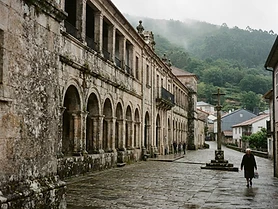
The high, pointed arches of this convent frame a cool, dim interior that provides a necessary respite from the dense crowds circling the nearby cathedral. Built from local granite that seems to absorb the Galician grey light, the space holds the stillness of centuries, interrupted only by the soft click of pilgrim poles on the floor. The gothic stonework retains a raw, unadorned strength, feeling less like a polished museum piece and more like a fortress of quiet contemplation. You are left alone with the echoes of your own boots against the rough-hewn stone nave.
How it got here
Franciscan friars established this community in Santiago de Compostela during the thirteenth century. The order grew alongside the pilgrimage routes that funneled travelers toward the tomb of the Apostle. While traditions link the site to a personal pilgrimage of Saint Francis, the physical structure took its present form through late medieval construction. The high gothic arches and the heavy stone vaults mark the shift of the order toward more permanent, monumental housing. These walls endured the fluctuations of municipal power and church authority in Galicia, acting as a site of prayer for pilgrims arriving at the end of their long trek from across the continent.
Where it sits
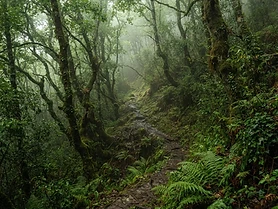
Santiago de Compostela sits in a damp, green corner of the Rías Baixas. The landscape consists of granite ridges and eucalyptus forests that trap the Atlantic mists. Winter brings frequent rain and thick, grey skies, while summer provides a temperate escape from the heat of the interior plateau. The city centers on the cathedral, pulling constant crowds through the narrow, granite-paved streets. Beyond the old town walls, the province of A Coruña opens into rolling farmland and pastures where the mist hangs over stone enclosures until the afternoon sun burns it away.
What to eat and drink
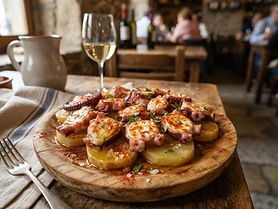
Pulpo á feira, octopus boiled in copper cauldrons and dressed with olive oil, paprika and sea salt, dominates the local diet. Empanada gallega, a thick crust stuffed with cod, pork or cockles, provides the traditional sustenance for travelers and field workers alike. Caldo gallego, a hearty broth of potatoes, white beans, turnip tops and salt pork, provides warmth during the wet months. To drink, the local preference falls on Albariño, a sharp, acidic white wine grown on the granite soils of the nearby Rías Bajas, or a glass of Ribeiro served in a traditional porcelain bowl.
Galicia: the whole region
Galicia is wet, green, cheap and unlike anywhere else in Spain: a drowned coast of rias, granite villages, seafood that justifies the trip on its own, and Santiago at the middle of it. The rain is not a risk, it is a certainty — plan…
Minimum 5 days · better 8-10 days · deep 2 weeks
What's Nearby


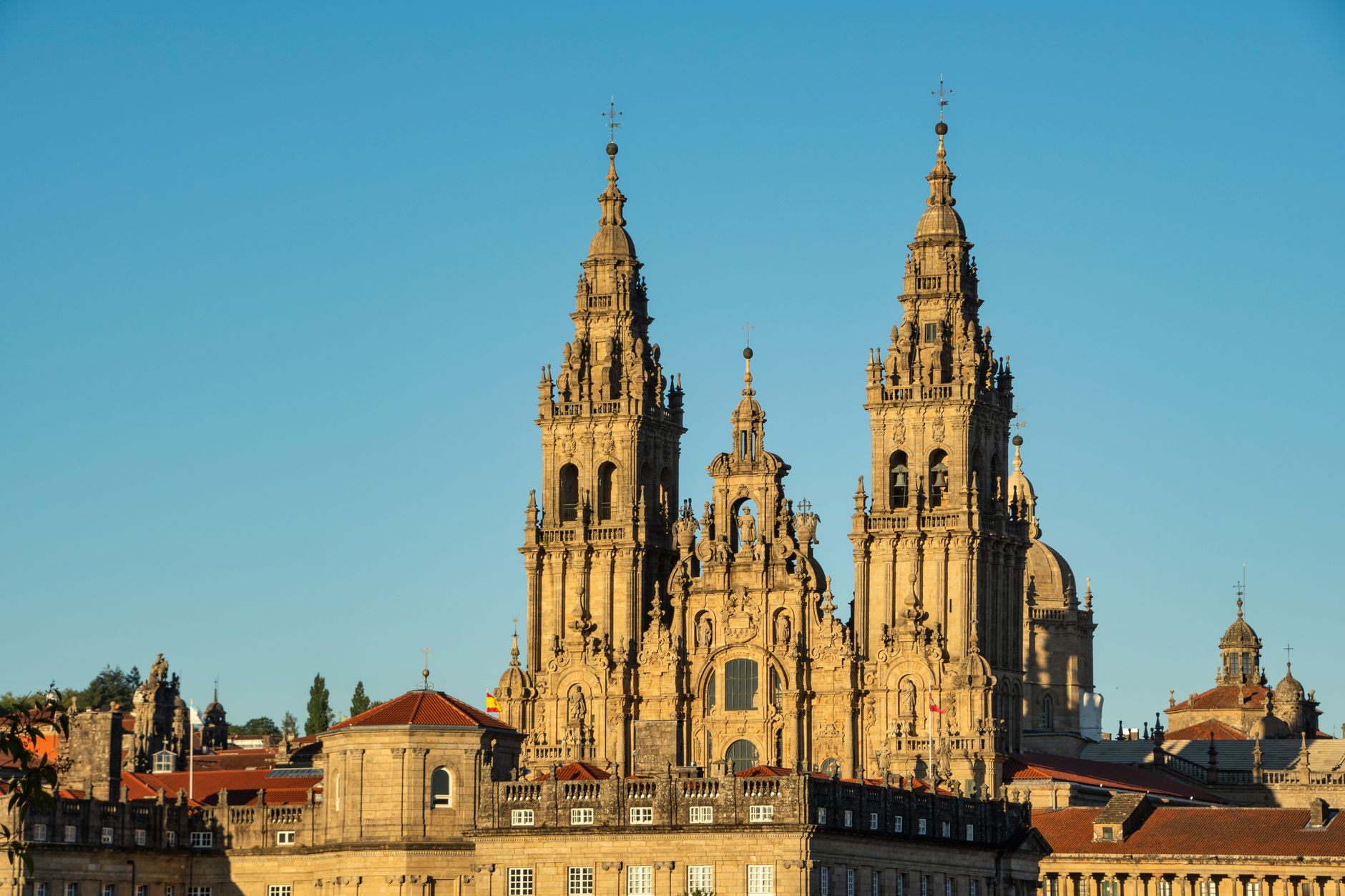
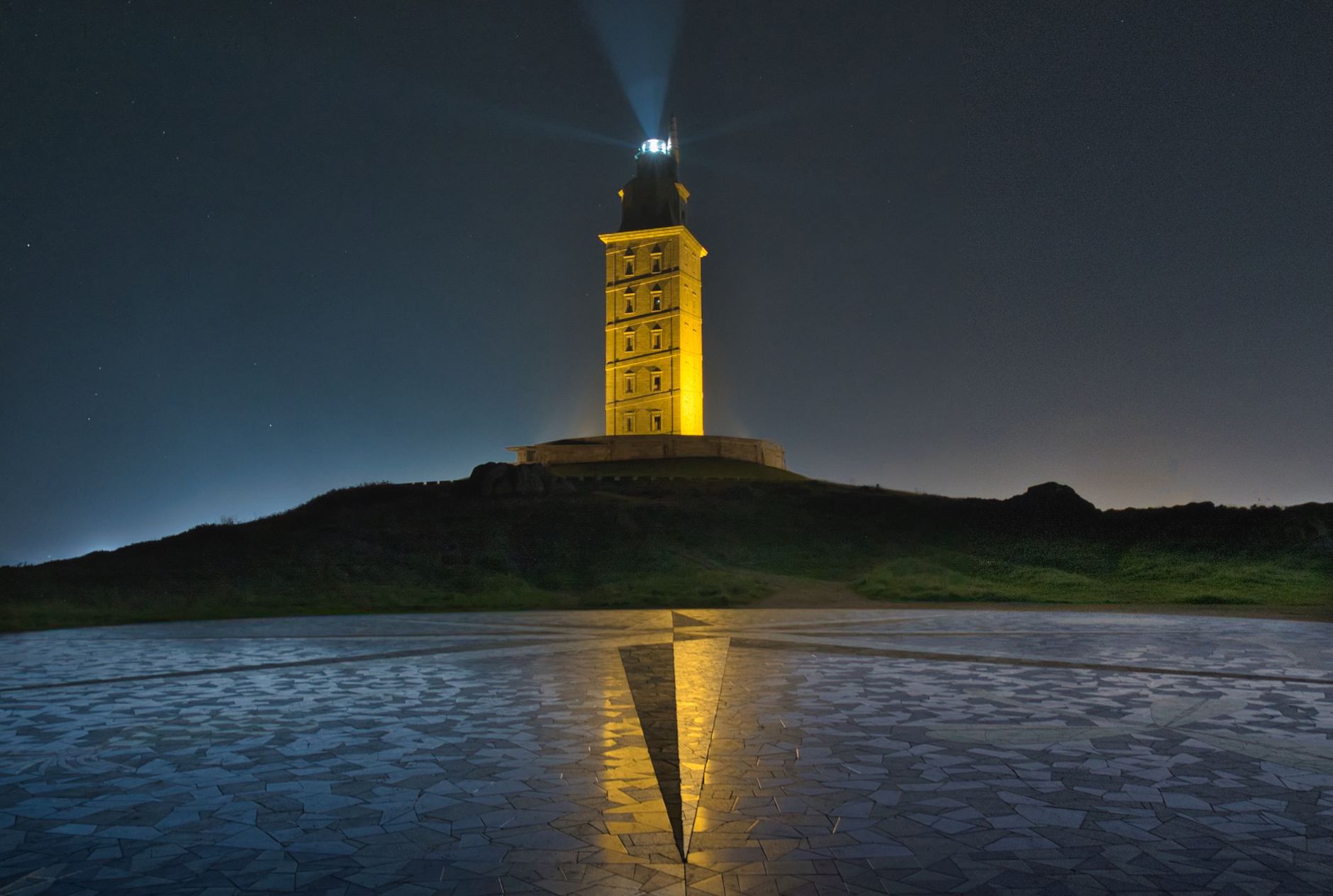
In Galicia




In Galicia


In Galicia





Logistics are verified only. We don't publish schedules we haven't confirmed.
Appears In
Experiences worth booking ahead
- Excursion to Finisterre + Muxia + Costa da Morte (7 stops)4.8 (1,787)9.3 hrsFrom €52
- Day Trip from Porto to Santiago de Compostela and Valença4.8 (1,182)10 hrsFrom €79
- Private tours Santiago de Compostela : choose your option5.0 (151)From €52
- Santiago de Compostela: Finisterre, Muxía & Costa da Morte4.8 (276)9 hrsFrom €52
Spain Field Guide may earn a commission when you book through selected links. Recommendations are editorial and independent of commission.
Ready to build Convento de San Francisco into a trip?
You've found a place worth going. When you're ready to turn discovery into an itinerary, Travel Itinerary Co picks up where the Field Guide leaves off — with your saved places already in hand.
Build this into a tripContinues on Travel Itinerary Co
Spain Field Guide may earn a commission when you book through selected links. Recommendations are editorial and independent of commission.