Playas de Cíes

The best beach in Spain that most travelers never reach. Book the Vigo ferry ahead; permits are capped. Bring water and shade — there's nothing there.
The Cíes Islands' Rodas beach was called the world's best by The Guardian. A crescent of white sand between two islands in a protected Atlantic park.
At a Glance
- — You can't get a ferry permit — daily visitor numbers are capped
Accessible only by a seasonal ferry, this protected archipelago features a crescent of blindingly white sand flanked by impossibly clear, turquoise water. The landscape is sparse and raw, lacking the usual tourist infrastructure, which preserves the feeling of a true, wild Atlantic sanctuary. It is a rare, delicate environment where the silence is only interrupted by the rhythmic crash of the tide, requiring visitors to bring their own shade and water for a day spent under the unfiltered intensity of the Galician sun.
How it got here
The archipelago sits at the mouth of the Ría de Vigo, a maritime gateway that shaped the strategic security of the Galician coastline for centuries. Roman vessels anchored in these waters while transporting ore and salted fish along the Atlantic trade routes. During the Middle Ages, the islands provided monastic refuge and a base for religious orders who sought isolation from the mainland. Privateers and naval fleets later used the sheltered bays to wait out storms or monitor incoming trade. Today the strict protected status as a national park halts further development, keeping the islands in a state of arrested development that prioritizes environmental preservation over permanent settlement.
Where it sits
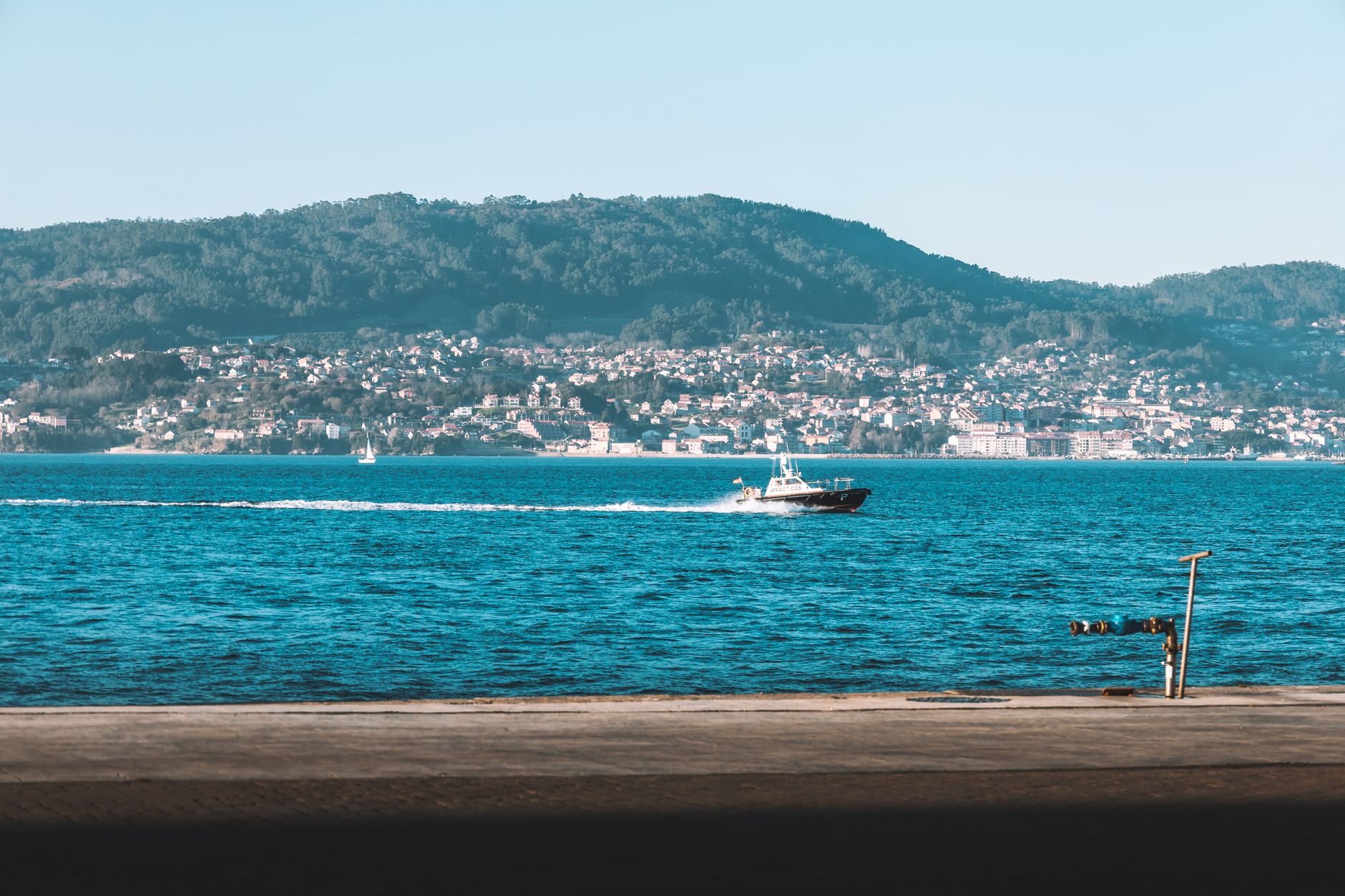
Three islands form a chain across the bay, linked by white quartz sand and rising into steep, rocky cliffs that break the force of the Atlantic. The interior landscape holds dense pine forests and scrubland, providing a green contrast to the pale coastline. A seasonal ferry provides the only transport from Vigo or Cangas, moving crowds across the water during the summer months when the air holds a persistent salt spray. Winter transforms the terrain into a desolate, windswept space where the low sun catches the foam of the surf against the granite rocks.
What to eat and drink
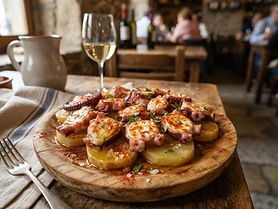
The culinary traditions of the Rías Baixas define the meal, focusing on the bounty of the Atlantic shelf. Pulpo á feira, octopus boiled in copper pots and dressed with paprika and olive oil, remains the staple dish of the Galician coast. Empanada gallega, a dense pastry filled with mussels, cockles or onions and cod, provides the traditional sustenance for the island trip. Albariño, the crisp and saline white wine produced from grapes grown in the nearby granite soils of the Salnés valley, provides the necessary acidity to balance the richness of the local shellfish.
Galicia: the whole region
Galicia is wet, green, cheap and unlike anywhere else in Spain: a drowned coast of rias, granite villages, seafood that justifies the trip on its own, and Santiago at the middle of it. The rain is not a risk, it is a certainty — plan…
Minimum 5 days · better 8-10 days · deep 2 weeks

Pair It With


In Galicia




In Galicia


In Galicia

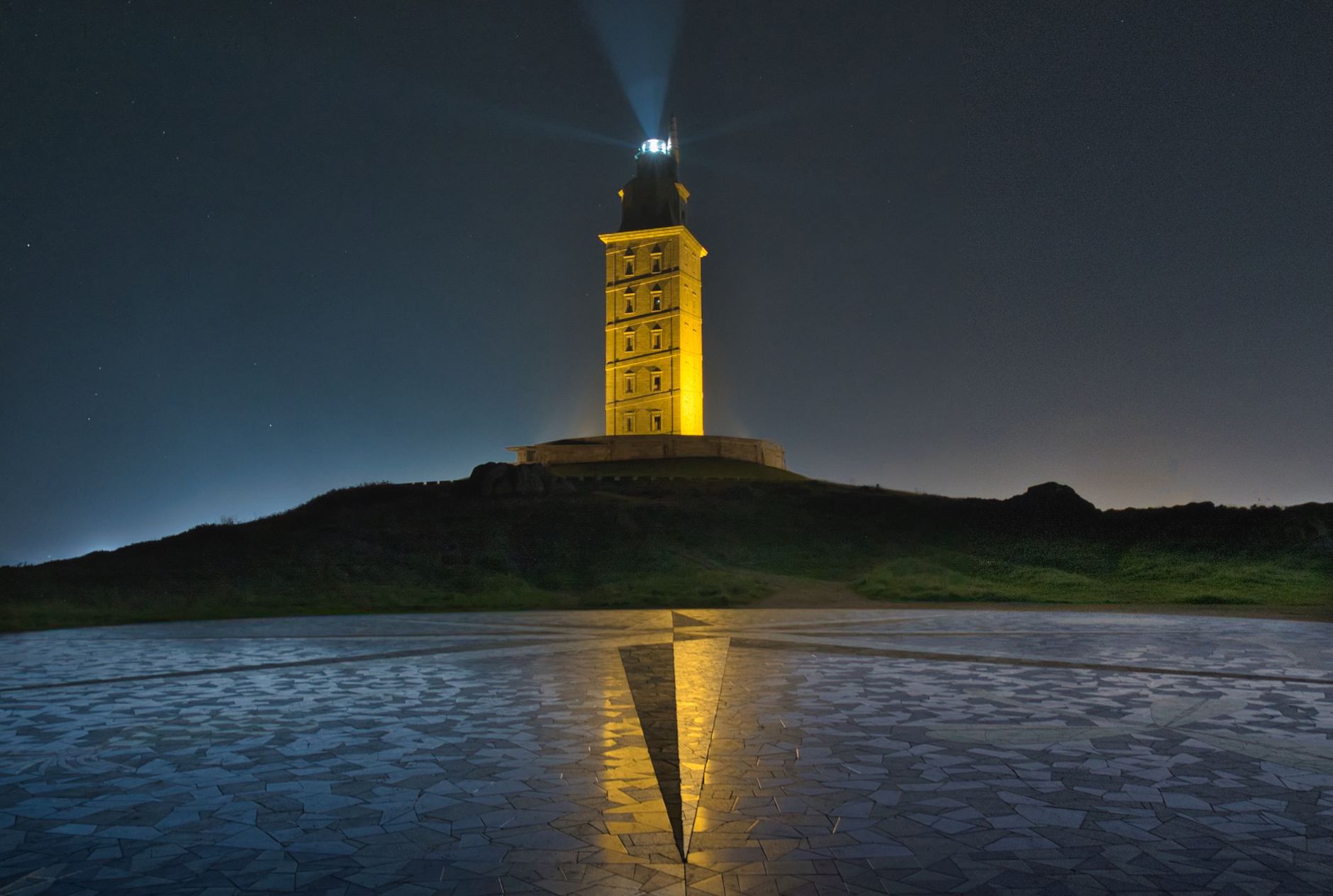




Linked from elsewhere
Entries that name this place in their own nearby lists.
Logistics are verified only. We don't publish schedules we haven't confirmed.
Appears In
Ready to build Playas de Cíes into a trip?
You've found a place worth going. When you're ready to turn discovery into an itinerary, Travel Itinerary Co picks up where the Field Guide leaves off — with your saved places already in hand.
Build this into a tripContinues on Travel Itinerary Co
Spain Field Guide may earn a commission when you book through selected links. Recommendations are editorial and independent of commission.