Percebes

The most expensive mouthful in Spain, worth it once. Eat them in Costa de la Muerte, in season, boiled only in seawater.
Gooseneck barnacles harvested by hand from wave-battered Galician rocks — Costa de la Muerte — where harvesters die for the catch. Boiled in seawater for seconds and eaten whole: rubbery, intensely briny, tasting of pure ocean.
At a Glance
- — You're on a budget or dislike unusual textures
Harvested by hand from the wave-battered rocks of the Costa de la Muerte, these gooseneck barnacles are the most prized delicacy of the Galician shore. They are boiled briefly in seawater and eaten whole, offering a rubbery, intensely briny taste that is nothing less than pure ocean. These are the most expensive mouthfuls in Spain, best experienced in season along the rugged northern coast, where the harvesters often risk everything for the catch.
How it got here
Galicia looks toward the Atlantic Ocean as a source of livelihood rather than toward the Spanish interior. The coastal communities of the Costa da Morte have long centered their lives on the extraction of marine resources from the intertidal zone. This specialized labor relies on ancestral knowledge of tides and currents that has persisted through generations of maritime families. The gathering of these barnacles developed alongside the broader shellfishing culture that defines the littoral economy of the province of A Coruña. Local harvesters maintain this traditional practice because the vertical, wave-swept rock faces prevent the use of mechanical equipment and preserve the isolation of the harvest.
Where it sits
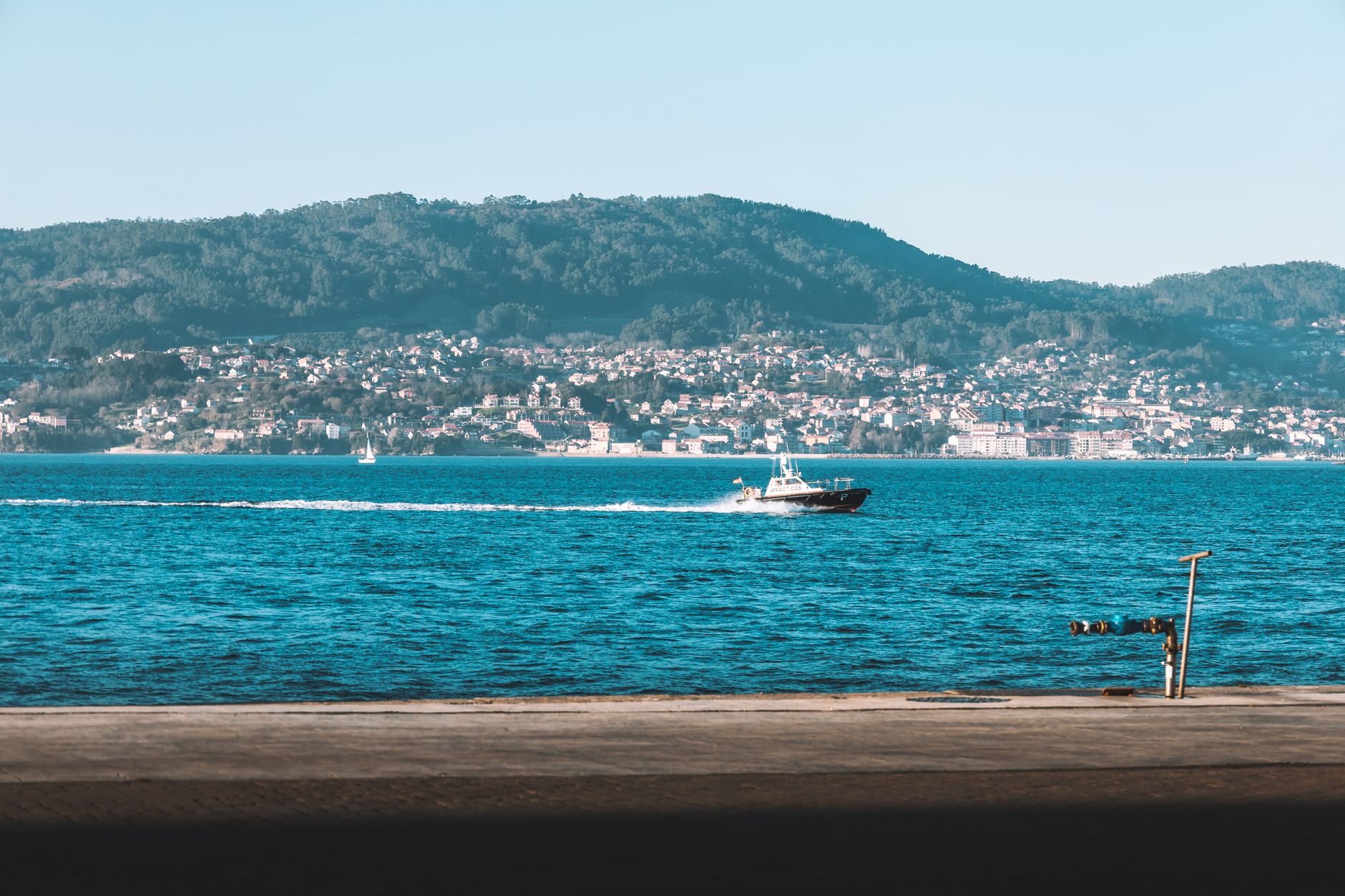
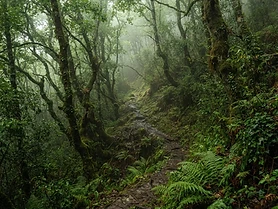
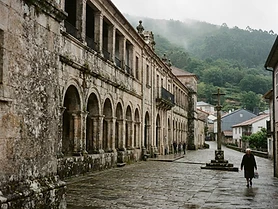
The Atlantic coast of Galicia presents a jagged edge where the continental shelf drops away. Constant wind and heavy swells collide with granite cliffs along this western reach of the Iberian Peninsula. Narrow roads wind through eucalyptus forests and rain-swept hills before dropping toward small fishing ports. Mist frequently obscures the horizon during the winter months, and the temperature rarely climbs to extremes even in midsummer. Travelers reach these outposts by navigating secondary routes that bypass the primary mountain corridors, passing through stone villages where the ocean remains the primary presence in the daily lives of those who live there.
What to eat and drink
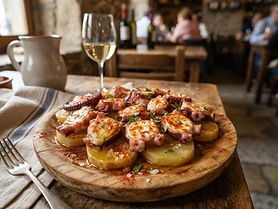
Percebes require minimal preparation to preserve the integrity of their seawater flavor. They are boiled briefly in a pot with a bay leaf, then served hot or at room temperature to be snapped open by hand. Albariño, the crisp white wine from the Rías Baixas, cuts through the salinity of the barnacles with high acidity and mineral notes. Pulpo á feira, octopus boiled in copper cauldrons and dusted with pimentón and sea salt, frequently accompanies these sessions. Together these dishes define the coastal diet, highlighting the raw quality of ingredients harvested directly from the cold Atlantic waters.
Galicia: the whole region
Galicia is wet, green, cheap and unlike anywhere else in Spain: a drowned coast of rias, granite villages, seafood that justifies the trip on its own, and Santiago at the middle of it. The rain is not a risk, it is a certainty — plan…
Minimum 5 days · better 8-10 days · deep 2 weeks

Pair It With



In Galicia


In Galicia


In Galicia






Linked from elsewhere
Entries that name this place in their own nearby lists.

Logistics are verified only. We don't publish schedules we haven't confirmed.
Appears In
Ready to build Percebes into a trip?
You've found a place worth going. When you're ready to turn discovery into an itinerary, Travel Itinerary Co picks up where the Field Guide leaves off — with your saved places already in hand.
Build this into a tripContinues on Travel Itinerary Co
Spain Field Guide may earn a commission when you book through selected links. Recommendations are editorial and independent of commission.