Playa de las Catedrales

The rock arches are as spectacular as the photos suggest, but you'll need to plan around the tide and the permit system to actually see them.
Low tide reveals cathedral-like stone arches and caves carved into the cliffs — a genuinely rare geological spectacle, not just a filtered photo trick.
At a Glance
- — you dislike planning around schedules
- — high tide visits
- — crowds bother you
Nature has carved literal cathedral arches and dark, soaring caves into the cliffs here, revealable only when the Atlantic tide pulls back. It is a genuine geological spectacle that justifies the fuss, provided you secure the mandatory permit well in advance. Do not attempt to visit without checking the tide chart, as the entire experience disappears under the waves once the water returns.
How it got here
Galicia emerged as a distinct maritime frontier shaped by the Roman extraction of minerals and the subsequent medieval development of coastal defensive networks. The coast of Lugo remained a peripheral zone during the consolidation of the medieval kingdoms, maintaining a maritime economy oriented toward the Cantabrian Sea. Local communities historically relied on fishing and small-scale agriculture while surviving the incursions of coastal raiders. The physical alteration of the shoreline reflects centuries of erosion against the slate and schist cliffs, a process that defines the current coastal silhouette. This shoreline serves as a remnant of the geological shifts that marked the northern Iberian borderlands long before the modern administrative recognition of the province.
Where it sits
The coast of Ribadeo marks the boundary where the Galician cliffs meet the Cantabrian Sea. Pale shale formations collapse into the surf under the force of persistent swells, creating the narrow corridors accessible only at low water. The surrounding terrain consists of green pastures and eucalyptus plantations sloping toward the Atlantic. Winds from the north keep the air cool throughout the year, even during the peak of summer. Travelers reach the shoreline from the narrow roads that wind through the rural parishes of the north. The tide dictates the rhythm of the day, forcing the land to surrender its passage to the rising salt water.
What to eat and drink
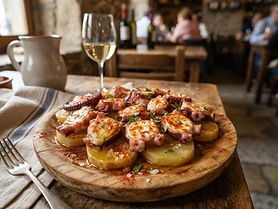
Pulpo á feira remains the staple of the province, octopus boiled in copper pots, sliced, and seasoned with sea salt, pimentón, and olive oil. Empanada gallega, a dense pastry filled with cod or meat, provides sustenance for long journeys along the coast. The local kitchens rely on the Atlantic catch, particularly hake and sardines, prepared simply with garlic and vinegar. To drink, the acidic white wine of the Rías Baixas, Albariño, cuts through the salinity of the seafood. For the end of a meal, a small glass of orujo, a potent grape pomace spirit distilled in traditional copper stills, settles the stomach.
Galicia: the whole region
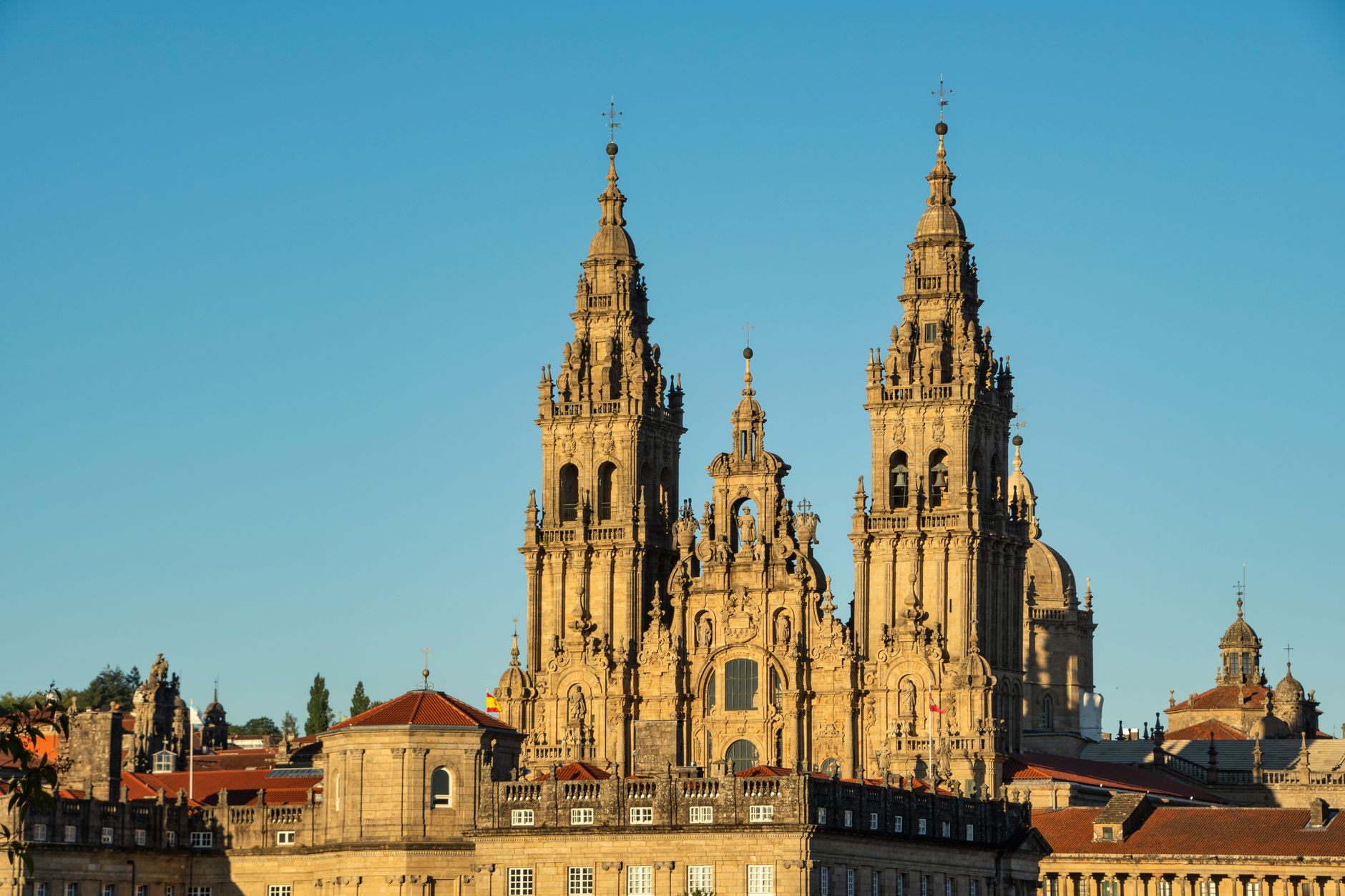
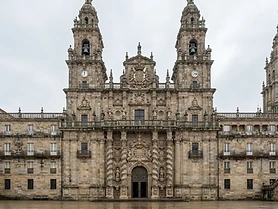
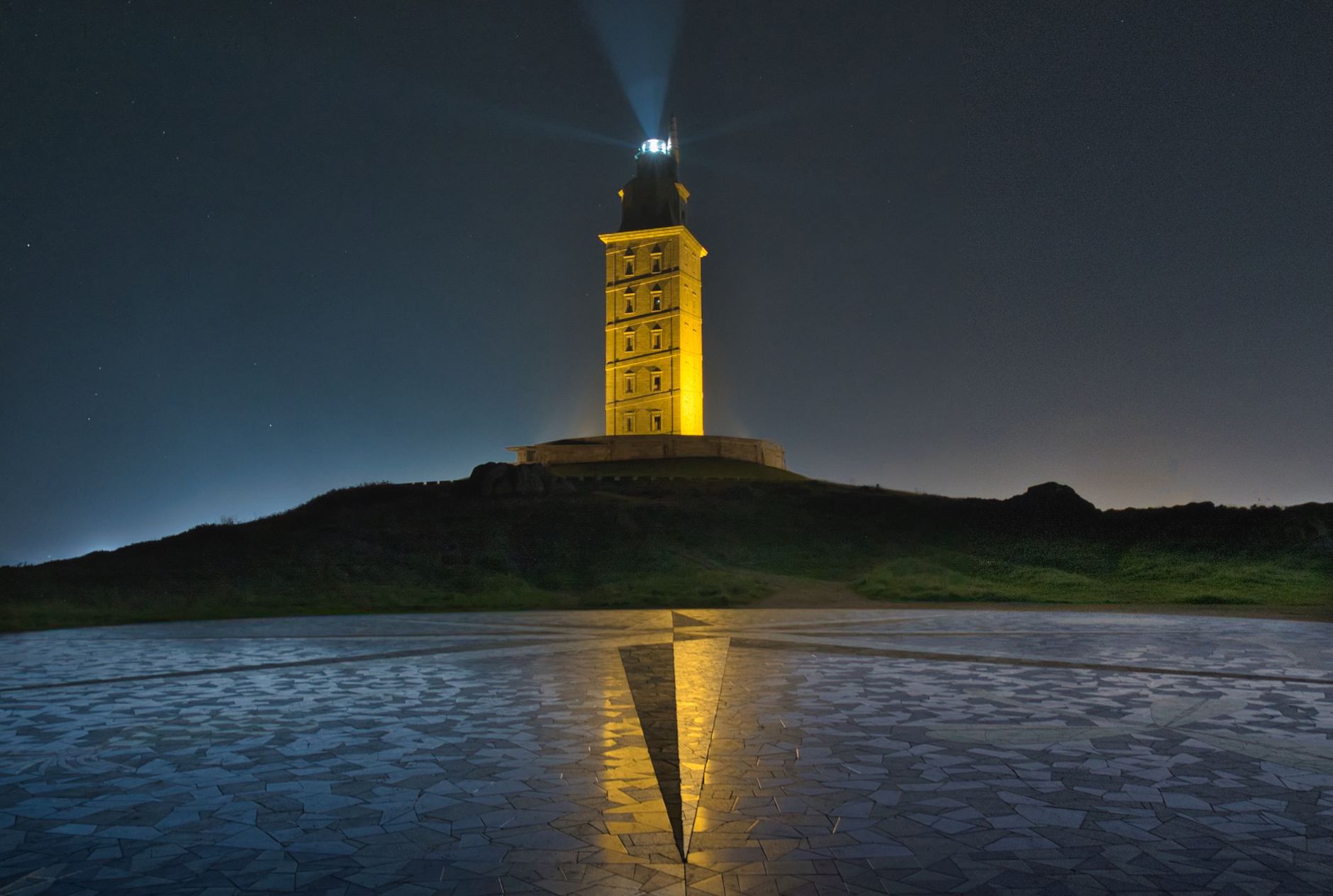
Galicia is wet, green, cheap and unlike anywhere else in Spain: a drowned coast of rias, granite villages, seafood that justifies the trip on its own, and Santiago at the middle of it. The rain is not a risk, it is a certainty — plan…
Minimum 5 days · better 8-10 days · deep 2 weeks

Pair It With

In Galicia




In Galicia


In Galicia





Logistics are verified only. We don't publish schedules we haven't confirmed.
Appears In
Ready to build Playa de las Catedrales into a trip?
You've found a place worth going. When you're ready to turn discovery into an itinerary, Travel Itinerary Co picks up where the Field Guide leaves off — with your saved places already in hand.
Build this into a tripContinues on Travel Itinerary Co
Spain Field Guide may earn a commission when you book through selected links. Recommendations are editorial and independent of commission.