Fiesta del Apóstol Santiago
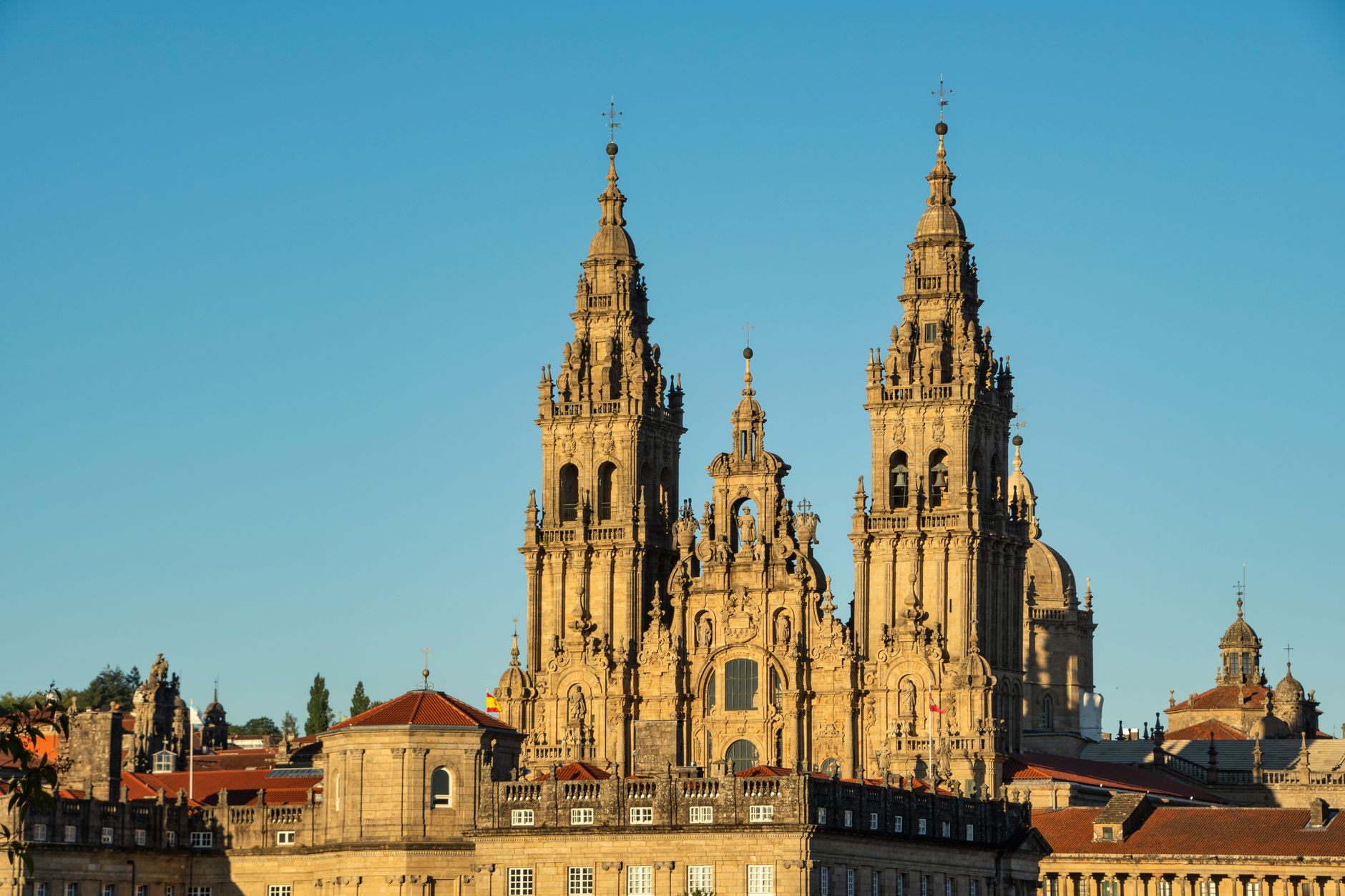
If you're walking a Camino that ends in late July, time it for the 25th. Otherwise, a great reason to be in Santiago for a night.
To see the botafumeiro fly, on the one day that explains why Santiago is a city at all.
At a Glance
- — You mind huge crowds in a Holy Year
- — You're not in Santiago on July 25
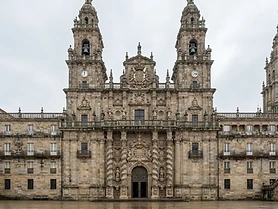
The Fiesta del Apóstol Santiago, on 25 July, is Galicia's national day and the feast day of St. James, the apostle whose relics are the whole reason Santiago de Compostela exists. The cathedral holds a Pontifical Mass at which the botafumeiro — the great silver censer — is swung across the nave on a 20-meter rope, a tradition that predates electricity and still fills the cathedral with smoke and motion. The night ends with a fireworks display over the cathedral façade and the Obradoiro square, and the whole old town celebrates. It's also a Holy Year whenever July 25 falls on a Sunday, which doubles the pilgrimage crowds.
How it got here
Santiago de Compostela grew around the shrine of the apostle Saint James, whose discovery in the ninth century transformed this remote corner of Galicia into the terminus of the Camino de Santiago. Medieval pilgrims arrived by the thousands, funding the construction of the Romanesque cathedral that dominates the city skyline. The feast of the apostle on July 25 serves as the anchor for Galicia’s regional identity, merging religious observance with public celebration. While the city retains its medieval layout of granite streets and arcades, the festival preserves the ancient ritual of swinging the botafumeiro, a heavy silver censer used since the fourteenth century to incense the cathedral during major liturgical occasions.
Where it sits
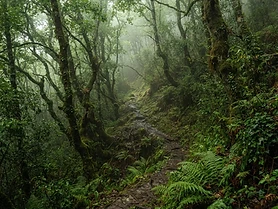
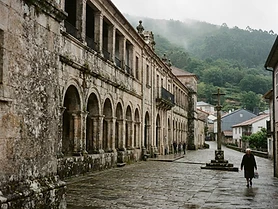
Galicia occupies the northwest corner of the Iberian Peninsula, defined by its verdant, rain-swept hills and deep coastal rías. Santiago de Compostela sits inland, sheltered from the Atlantic winds by mountains that trap the damp, grey light typical of the region. Granite slabs line the narrow pedestrian alleys of the old town, staying perpetually cold under the heavy stone arches. Pilgrims approach the city through the surrounding eucalyptus forests and rolling farmland. During July, the heat of the central plateau reaches the interior, drawing crowds into the granite plazas that remain perpetually dampened by the regional climate.
What to eat and drink
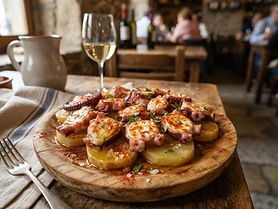
Pulpo á feira, octopus boiled in copper cauldrons and seasoned with coarse salt, paprika, and olive oil, defines the Galician table. The region relies on the Atlantic catch, favoring empanada gallega, a dense pastry stuffed with tuna, sardines, or scallops. Drinkers order Albariño, a crisp white wine from the nearby Rías Baixas with high acidity and salinity. Local meals conclude with Tarta de Santiago, a ground almond cake marked with the cross of the Order of Santiago in powdered sugar. The harsh climate demands heartier fare, though these staples remain consistent regardless of the season.
Galicia: the whole region
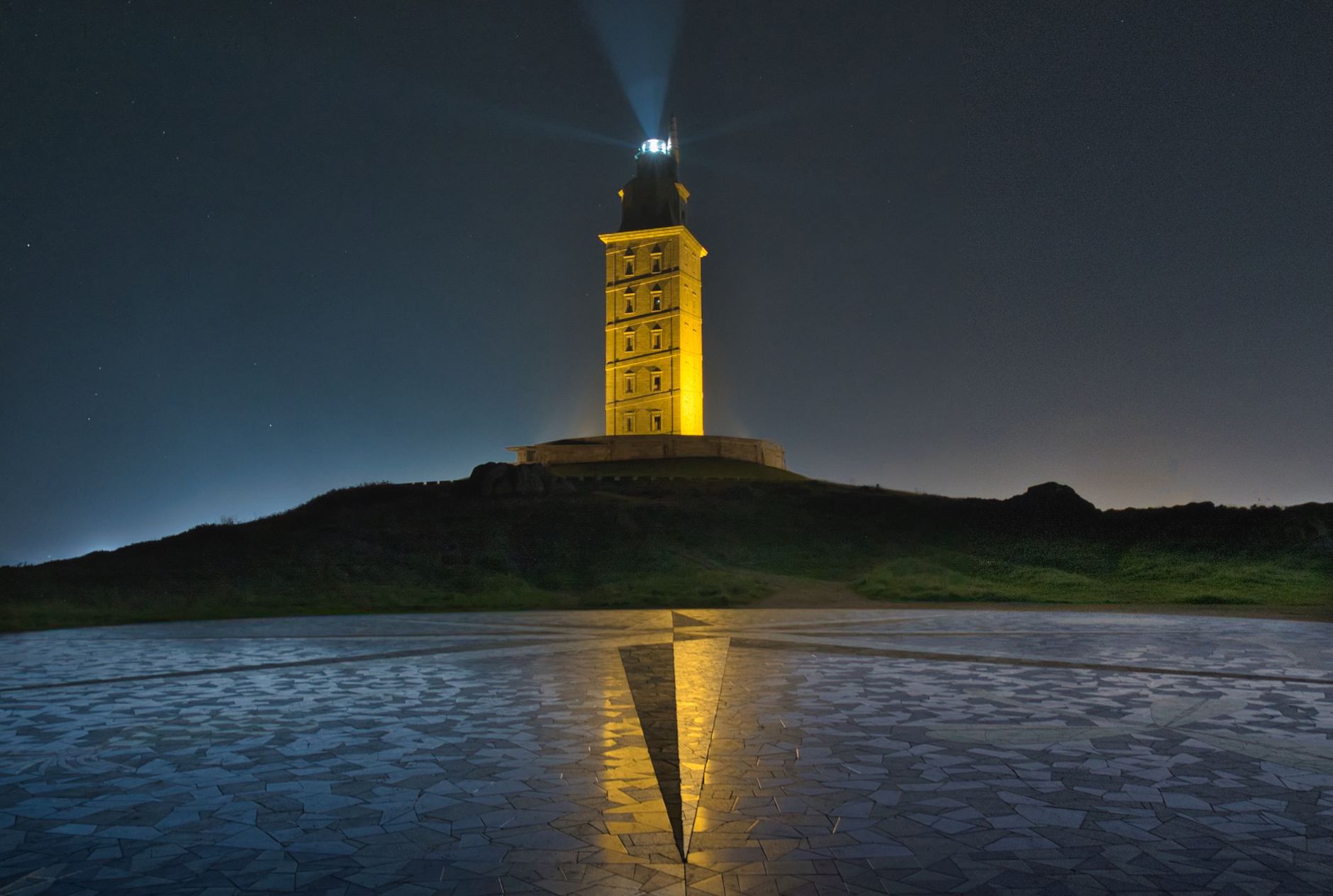
Galicia is wet, green, cheap and unlike anywhere else in Spain: a drowned coast of rias, granite villages, seafood that justifies the trip on its own, and Santiago at the middle of it. The rain is not a risk, it is a certainty — plan…
Minimum 5 days · better 8-10 days · deep 2 weeks

In Galicia




In Galicia


In Galicia





Experiences worth booking ahead
- Excursion to Finisterre + Muxia + Costa da Morte (7 stops)4.8 (1,787)9.3 hrsFrom €52
- Day Trip from Porto to Santiago de Compostela and Valença4.8 (1,182)10 hrsFrom €79
- Private tours Santiago de Compostela : choose your option5.0 (151)From €52
- Santiago de Compostela: Finisterre, Muxía & Costa da Morte4.8 (276)9 hrsFrom €52
Spain Field Guide may earn a commission when you book through selected links. Recommendations are editorial and independent of commission.
Ready to build Fiesta del Apóstol Santiago into a trip?
You've found a place worth going. When you're ready to turn discovery into an itinerary, Travel Itinerary Co picks up where the Field Guide leaves off — with your saved places already in hand.
Build this into a tripContinues on Travel Itinerary Co
Spain Field Guide may earn a commission when you book through selected links. Recommendations are editorial and independent of commission.