Camino Inglés
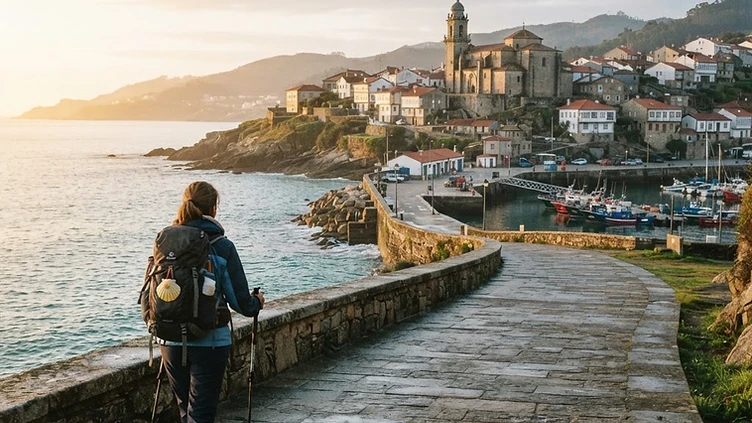
The Inglés is the best minimum viable Camino for time-poor travelers who still want the full pilgrim credential and compostela. Start in Ferrol (not A Coruña) to hit the 100 km threshold.
The short one — the route medieval English and Northern European pilgrims sailed to before walking to Santiago. Two weeks' worth compressed into five days from Ferrol, the minimum to earn the compostela.
At a Glance
- — You want a long immersion
- — You need mountain scenery
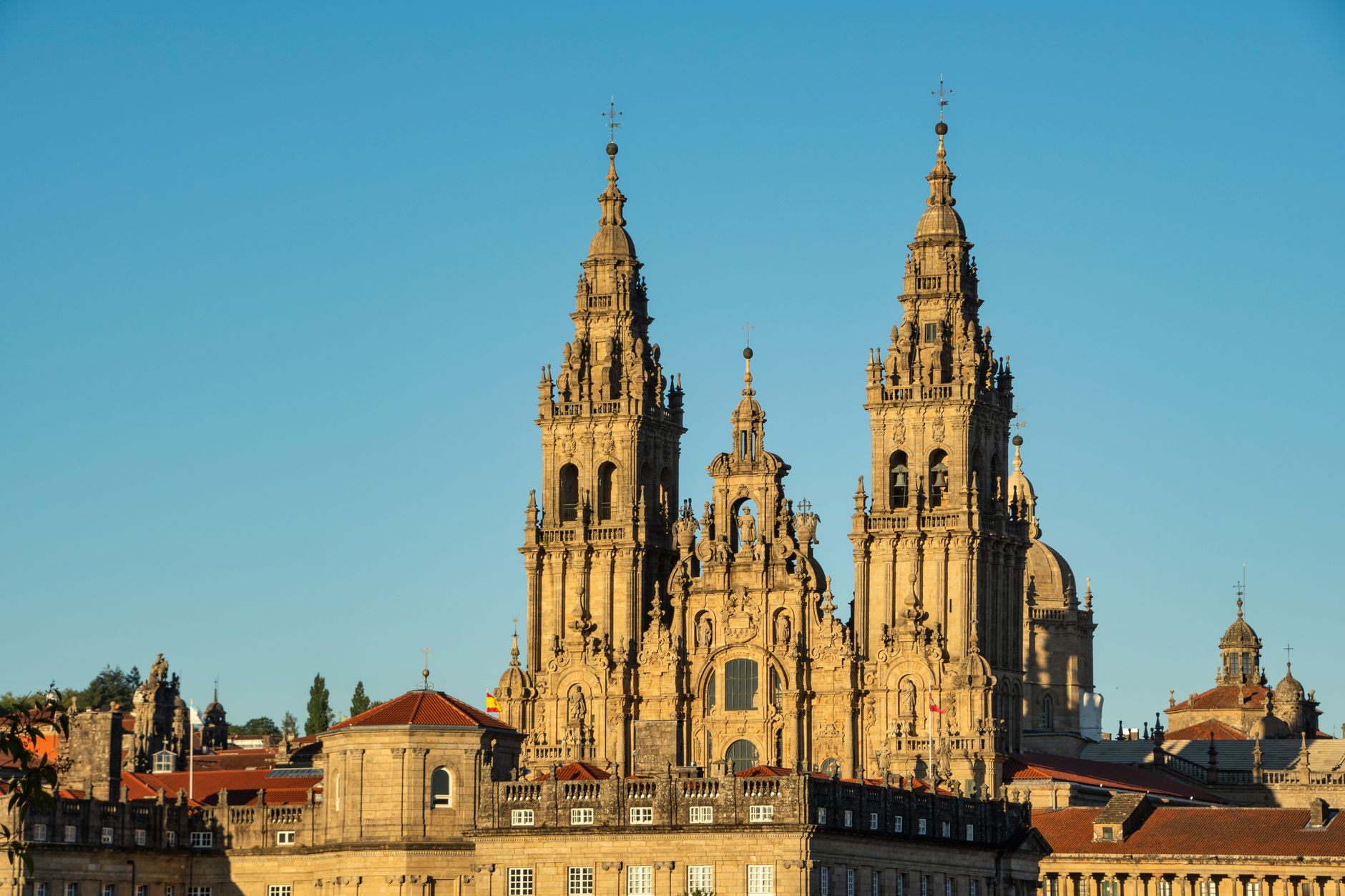
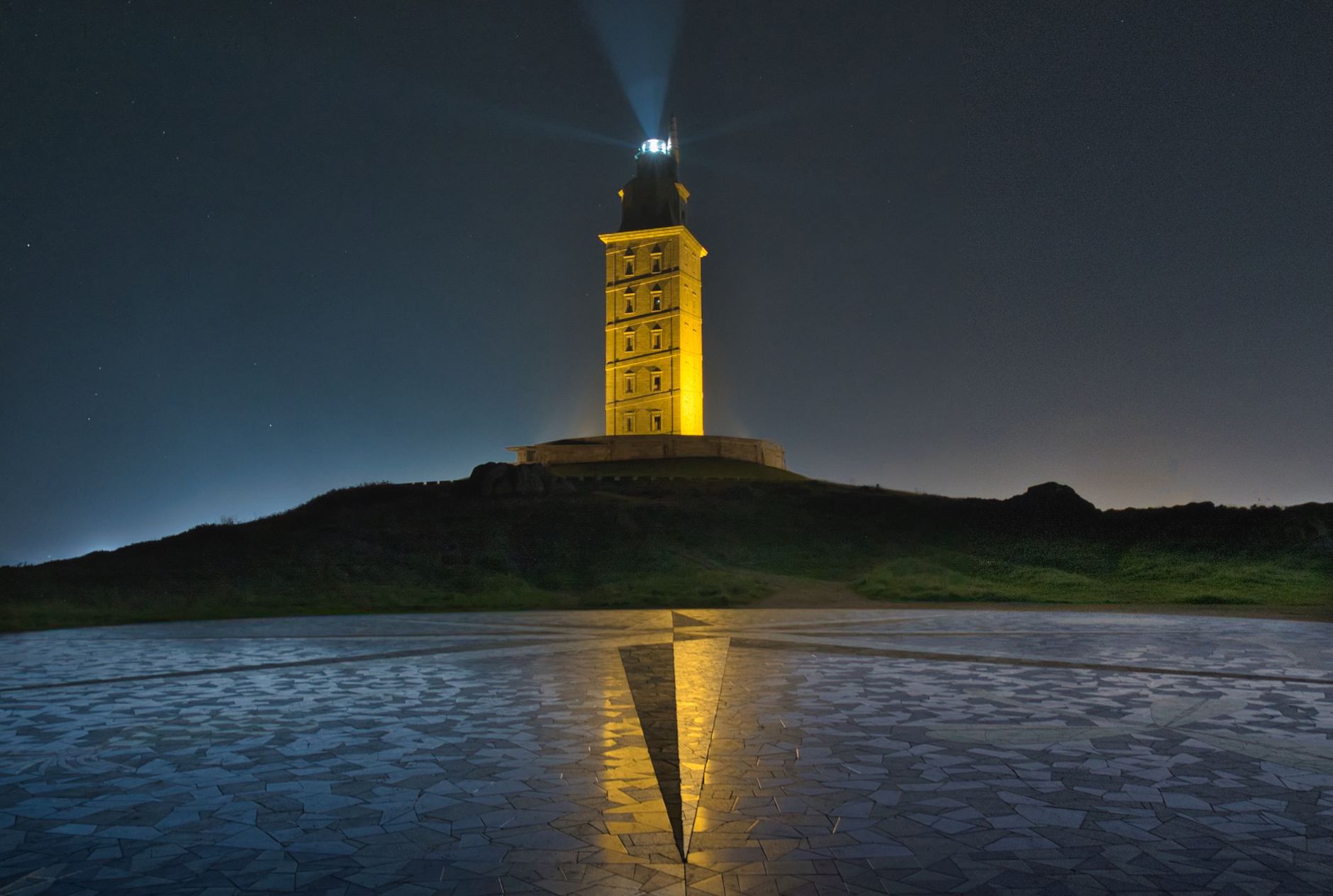
The Camino Inglés is the short route — the path medieval English, Irish, and Scandinavian pilgrims took after sailing to Galicia's coast. From Ferrol it's about 115 km to Santiago in five walkable days, the minimum distance that still earns the compostela. (A Coruña is the historic port but falls short of the 100 km threshold; start in Ferrol if the credential matters.) It's gentle, coastal at first, then rolling Galician farmland — no drama, no crowds, and a real pilgrim credential. The best option for time-poor travelers who still want the full Camino in miniature.
How it got here
Maritime trade routes linked northern European ports to the Galician coast during the middle ages. Travelers arrived by ship at ports like Ferrol and A Coruña to complete the final overland stretch to the tomb of Saint James. This influx of pilgrims defined the northern frontier of the pilgrimage network. These arrivals maintained the path for centuries as an alternative to the crowded interior routes that crossed the Pyrenees. Modern pilgrims walk these same lines today. The persistence of these maritime connections explains the distinct architectural markers and cultural exchanges that persist in the coastal towns and rural parishes along the northern edge of the province.
Where it sits
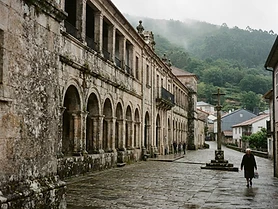
The terrain transitions from the protected maritime inlets of the Rías Altas into the green interior of Galicia. Rolling hills and dense eucalyptus forests cover the landscape between Ferrol and Santiago de Compostela. The route stays away from the heavy traffic of the coastal highways. Rainfall stays consistent throughout the year and turns the fields a vibrant green in spring and summer. The path stays quiet compared to the major continental routes. Mist hangs low over the valleys during the early hours of the morning regardless of the season.
What to eat and drink
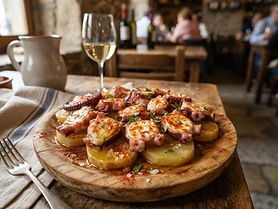
Galicia relies on the Atlantic for its pantry. Pulpo a feira, boiled octopus sliced and seasoned with olive oil, paprika and salt, defines the local diet. Empanada gallega, a savory pie filled with meat or seafood, remains a staple for those walking. The region produces Albariño, a crisp white wine made from grapes grown in the nearby coastal valleys. Caldo gallego, a hearty soup made with kale, potatoes, white beans and pork fat, warms the damp evenings. Bread arrives at most meals as a dense loaf with a thick crust and a soft, airy crumb.
Galicia: the whole region
Galicia is wet, green, cheap and unlike anywhere else in Spain: a drowned coast of rias, granite villages, seafood that justifies the trip on its own, and Santiago at the middle of it. The rain is not a risk, it is a certainty — plan…
Minimum 5 days · better 8-10 days · deep 2 weeks
What's Nearby

Pair It With


In Galicia




In Galicia


In Galicia





Logistics are verified only. We don't publish schedules we haven't confirmed.
Ready to build Camino Inglés into a trip?
You've found a place worth going. When you're ready to turn discovery into an itinerary, Travel Itinerary Co picks up where the Field Guide leaves off — with your saved places already in hand.
Build this into a tripContinues on Travel Itinerary Co
Spain Field Guide may earn a commission when you book through selected links. Recommendations are editorial and independent of commission.