Castrojeriz

A serene and atmospheric village that offers a true sense of the vast Castilian plateau.
The climb to the castle ruins provides unparalleled panoramic views of the Meseta plains.
At a Glance
- — you struggle with steep climbs
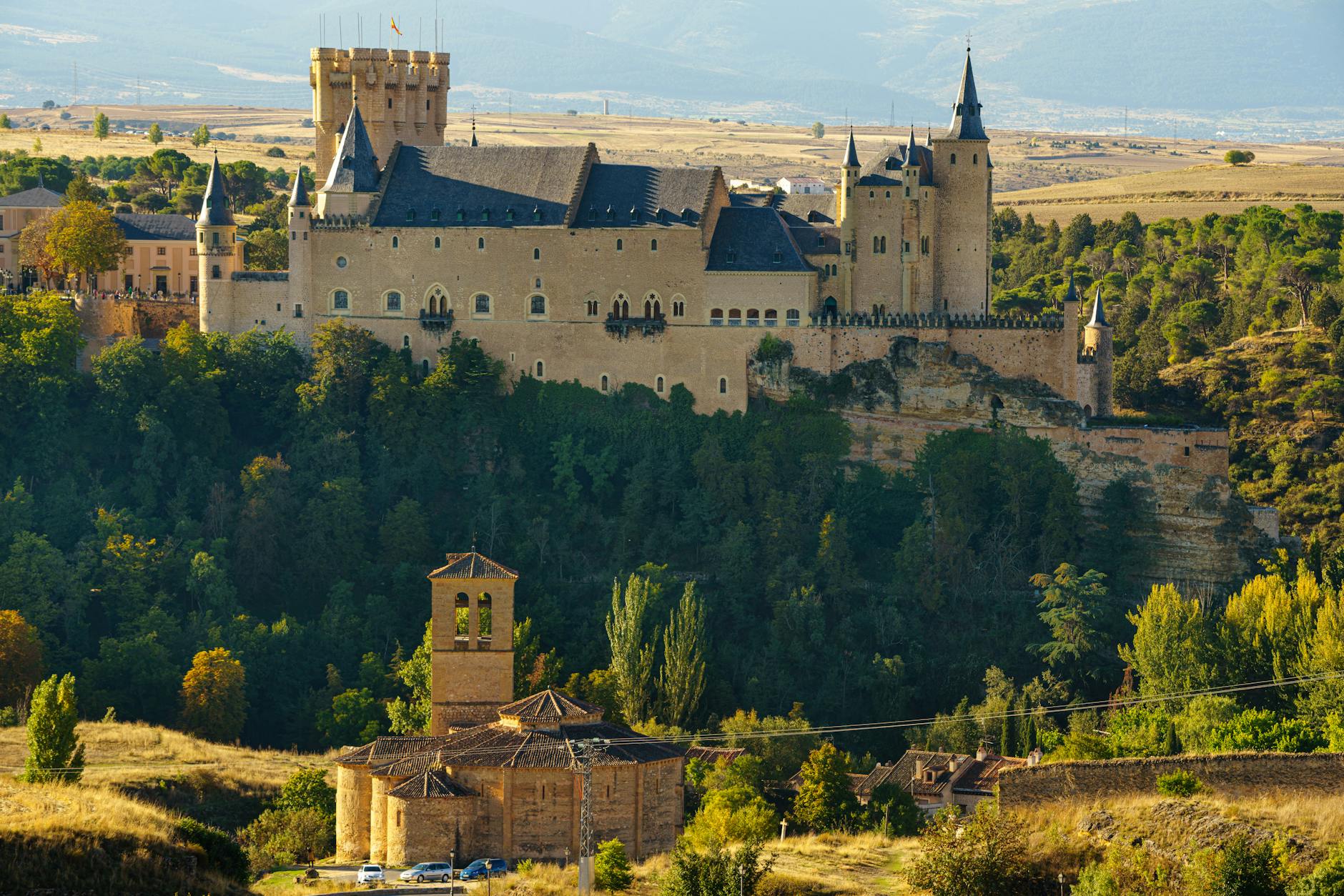
Stretched thin along a high ridge, this quiet village is overseen by the jagged, ruined silhouette of a hilltop castle. Climbing the steep path to the fortress offers an expansive, humbling view of the vast Castilian plateau, where the horizon seems to stretch on indefinitely. It is an atmospheric, solitary stop that highlights the isolation and beauty of the high plains, perfect for those seeking silence and a broad, panoramic view of the world.
How it got here
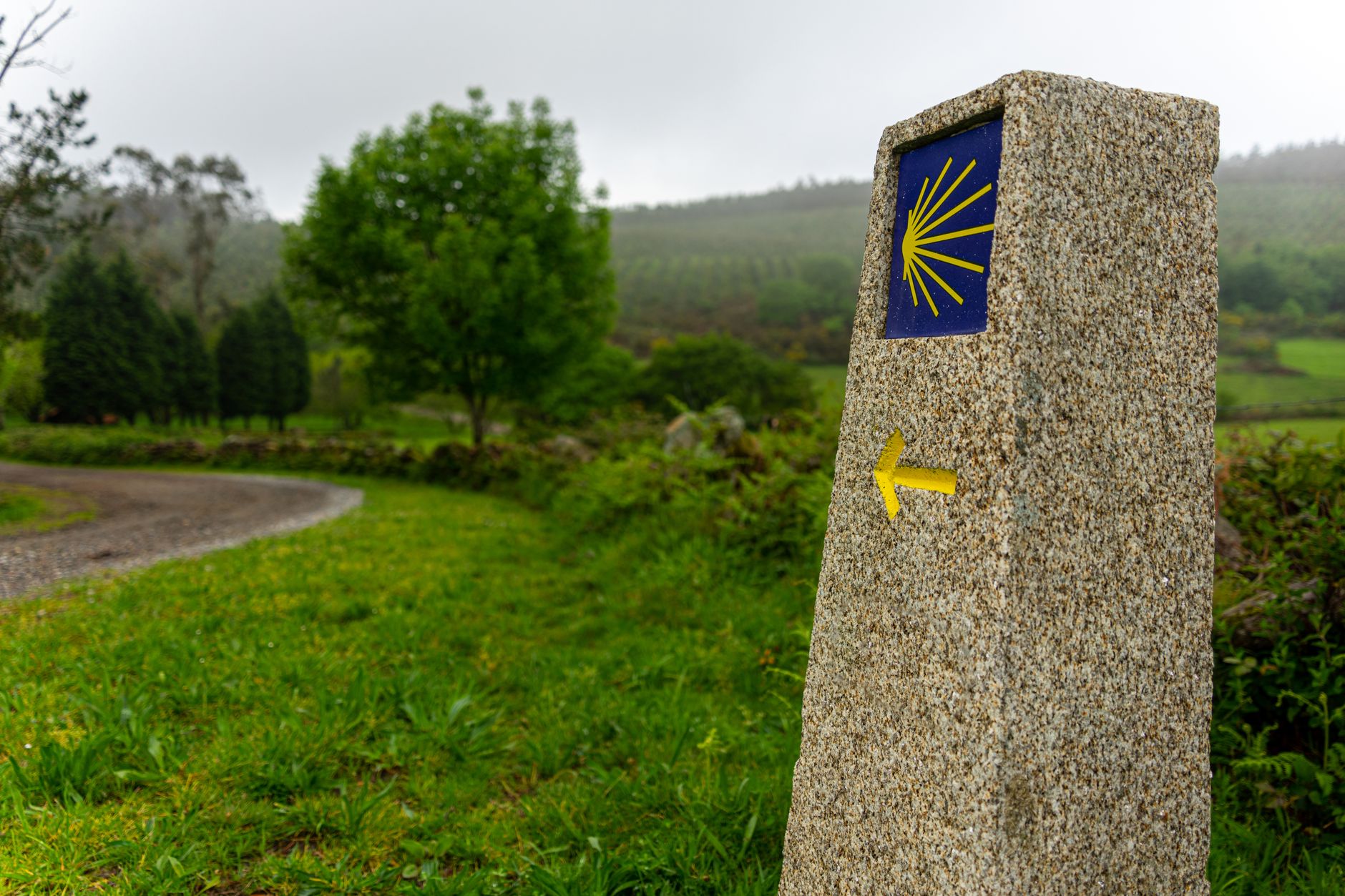
Romans built a fort here, but the village grew in the Middle Ages around the Camino de Santiago. It became a powerful stop for pilgrims, drawing royal attention that led to the construction of a hilltop fortress during the tenth century. Successive conflicts between the kingdoms of Castile and Navarre shaped the stone fortifications, while the monastic houses established in the valley redirected local life toward the church. Decades of steady agricultural production followed as the population settled into the long, narrow layout dictated by the ridge. Today, the ruins above remain a silent marker of these medieval shifts between defensive military strategy and religious passage.
Where it sits
The ridge overlooks a vast stretch of the Meseta, a high tableland where wheat fields dominate the horizon. Sunlight hits the pale stone of the houses, and the wind from the open plains persists throughout the year. The landscape changes from the golden, dusty intensity of summer to the harsh, exposed clarity of winter, when the lack of tree cover makes the elevation feel absolute. Pilgrims arrive on foot along the rural trails that cut through the cereal crops, marking the passage of seasons. The pace stays slow, defined by the cycle of the harvest and the thin air of the plateau.
What to eat and drink
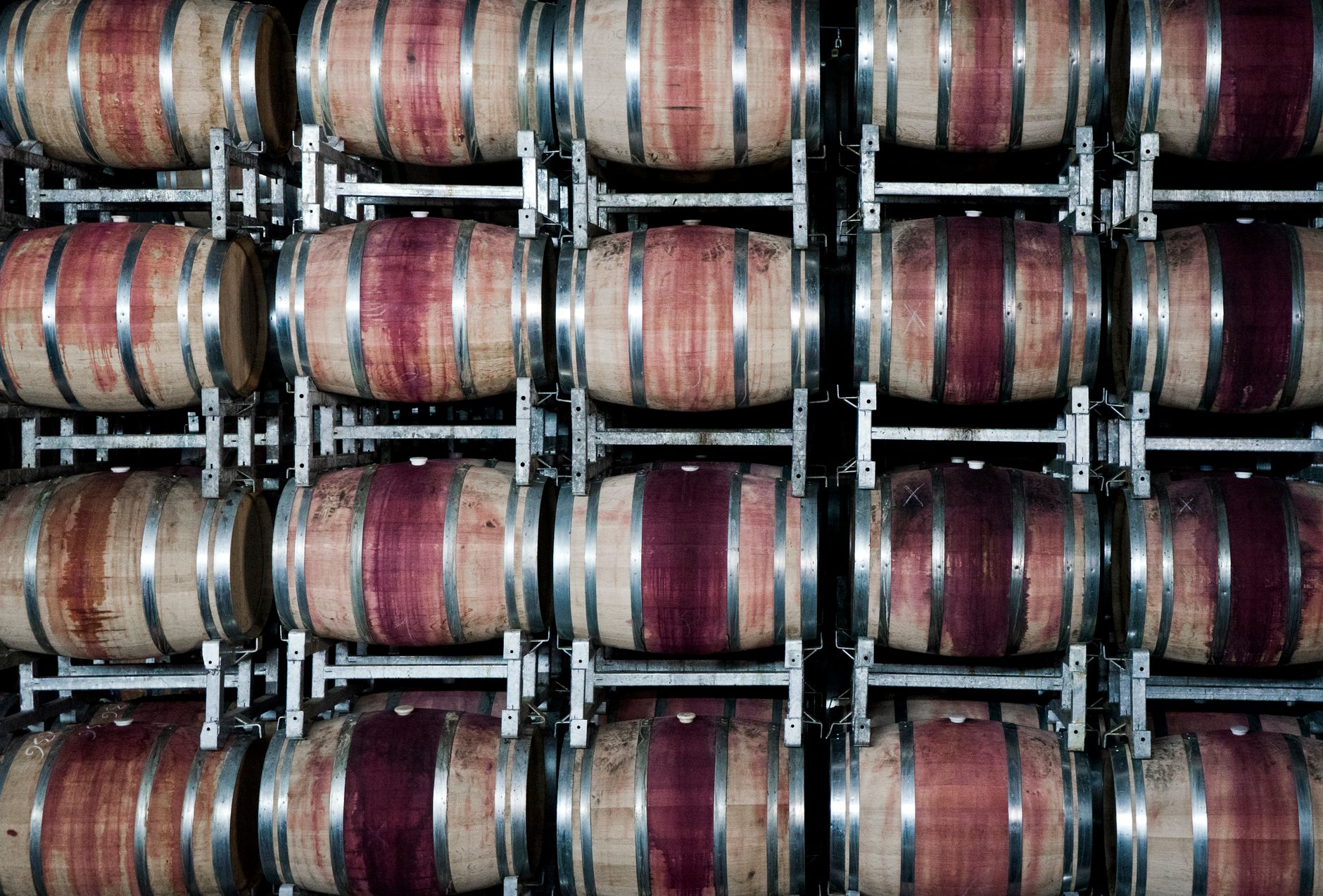
Sopa castellana provides the essential meal for the cold climate, a thick broth made from bread, garlic, and pimentón, often finished with a poached egg. Lechazo asado, suckling lamb roasted in a wood-fired oven, defines the regional culinary tradition, relying on the quality of meat raised on local pasture. Morcilla de Burgos, a dark sausage made with rice, onions, and pig blood, provides a dense, spiced balance to the plate. Diners drink red wine from the nearby Ribera del Duero, which thrives in the calcareous soils of the surrounding province and cuts through the richness of the roast lamb.
Castilla y León: the whole region
The largest region in Spain, and the one that most rewards a car: a plateau of walled cities, Romanesque churches and vineyards, with Salamanca, León, Burgos and Segovia as four genuine anchors spread across four hundred kilometres. There…
Minimum 5 days · better 8-10 days · deep 2 weeks
In Castilla y León



In Castilla y León





In Castilla y León












Logistics are verified only. We don't publish schedules we haven't confirmed.
Experiences worth booking ahead
Spain Field Guide may earn a commission when you book through selected links. Recommendations are editorial and independent of commission.
Ready to build Castrojeriz into a trip?
You've found a place worth going. When you're ready to turn discovery into an itinerary, Travel Itinerary Co picks up where the Field Guide leaves off — with your saved places already in hand.
Build this into a tripContinues on Travel Itinerary Co
Spain Field Guide may earn a commission when you book through selected links. Recommendations are editorial and independent of commission.