Muralla de Ávila

Worth a special trip — the most complete medieval walls in Spain, and you can walk them.
Nearly two and a half kilometers of intact 11th-century granite wall ring the old town, with a walkway section you can climb for views over the rooftops and the Castilian plain beyond.
At a Glance
- — short on time
- — avoiding stairs and uneven stone
- — expecting a museum experience
Nearly three kilometers of rugged granite walls encircle the medieval old town, featuring eighty-eight towers that have stood their ground since the 11th century. A cleared walkway allows visitors to hike atop these ramparts, offering sweeping, windswept views across the arid Castilian plain. The wall is complete, imposing, and remains the single most effective way to understand the defensive geometry of medieval Spain.
How it got here
Castilian kings ordered the construction of these granite ramparts after the Christian reconquest of the city in the eleventh century. The walls secured the frontier against Almoravid advances and stabilized the border between the northern Christian kingdoms and the Al-Andalus heartland. The masonry incorporates repurposed Roman materials, evidence of earlier settlements on the granite ridge. Following the stabilization of the border and the subsequent decline of strategic necessity, the structure survived long periods of neglect until conservation efforts began in the nineteenth century. Today, the enclosure delineates the boundary between the medieval center and the later city, preserving the spatial layout of the original walled settlement.
Where it sits
The city occupies a high granite plateau surrounded by the irregular peaks of the Sierra de Gredos and the Sierra de Ávila. Winter winds sweep across the exposed plain, often dropping temperatures below freezing and coating the stone in frost. Harsh light defines the arid, rocky landscape during the height of summer. The rail line from Madrid provides access through the mountain passes, descending into the plateau where the granite walls dominate the immediate horizon. Cold currents persist throughout the year, tempering the heat and maintaining the austere character of this elevated Castilian landscape.
What to eat and drink
Chuletón de Ávila, a thick slab of beef from local Avileña-Negra Ibérica cattle, defines the provincial diet. The meat undergoes simple grilling over charcoal to emphasize its dense, iron-rich flavor. Yemas de Santa Teresa, small confections made from egg yolks and sugar, constitute the traditional sweet finish. Diners pair these heavy meals with red wines from the nearby Vinos de la Tierra de Castilla y León, which derive their character from the thin, dry air of the high plateau. These sturdy, unpretentious ingredients reflect the rugged reality of the mountain agriculture surrounding the city.
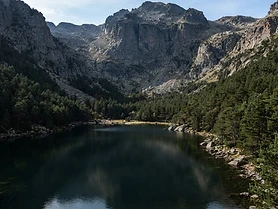
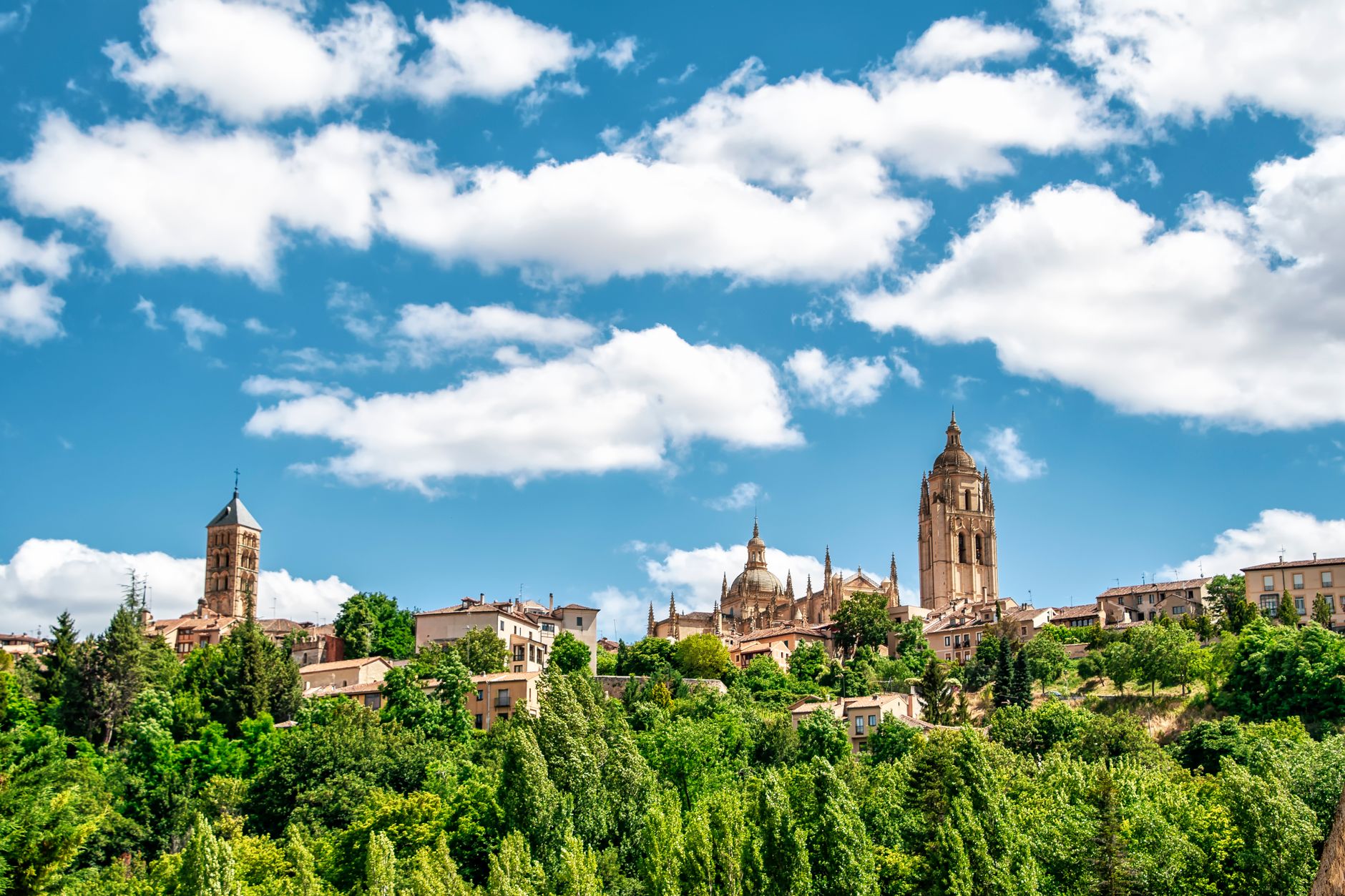
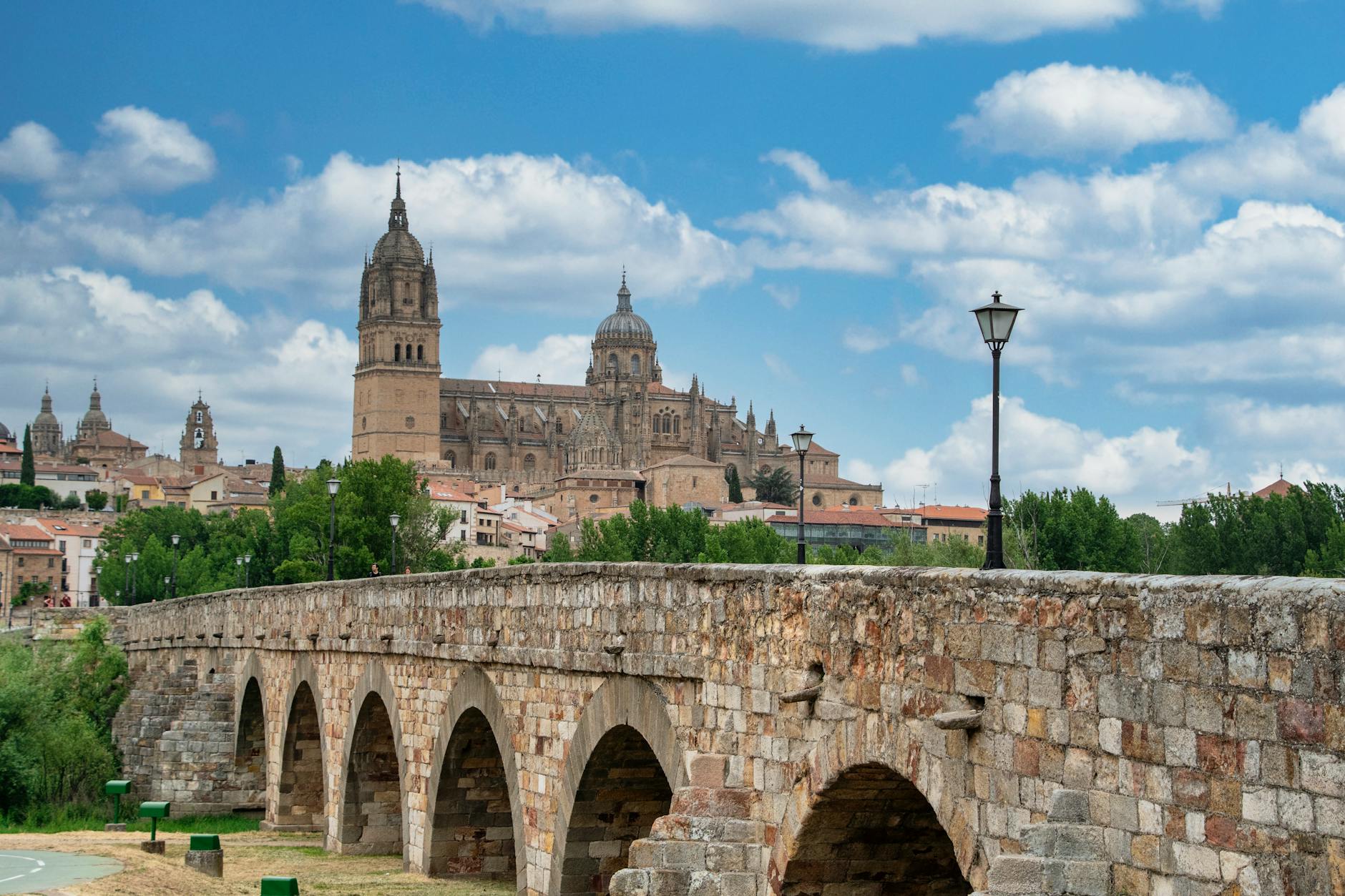
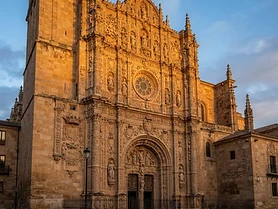
Castilla y León: the whole region
The largest region in Spain, and the one that most rewards a car: a plateau of walled cities, Romanesque churches and vineyards, with Salamanca, León, Burgos and Segovia as four genuine anchors spread across four hundred kilometres. There…
Minimum 5 days · better 8-10 days · deep 2 weeks

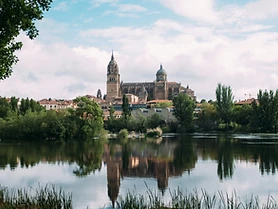
In Castilla y León

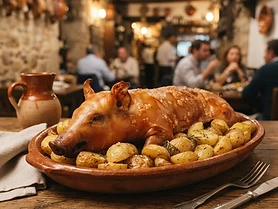


In Castilla y León


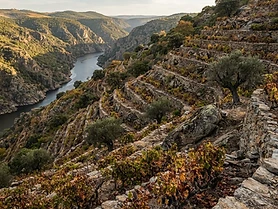


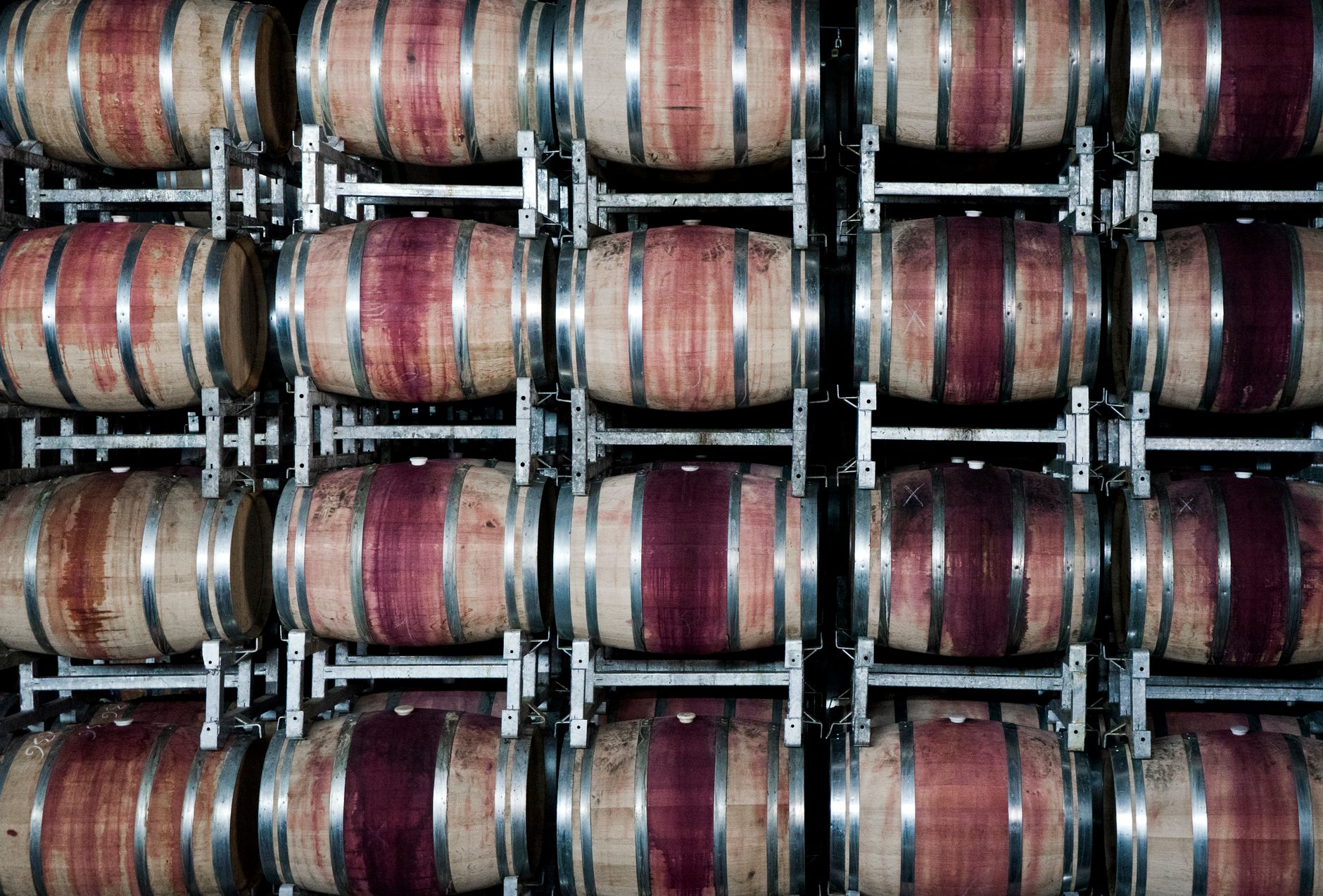

In Castilla y León








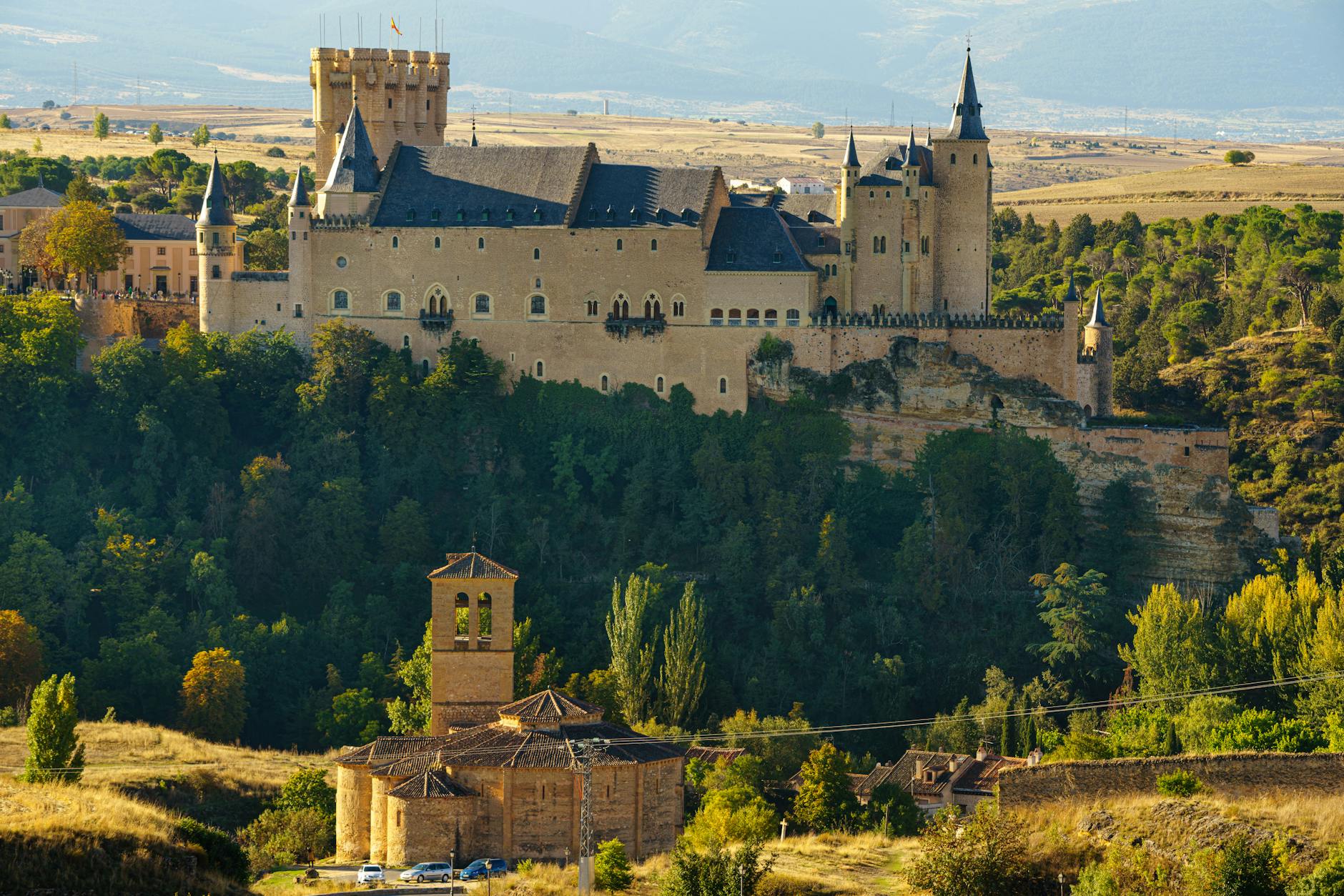




Logistics are verified only. We don't publish schedules we haven't confirmed.
Appears In
Experiences worth booking ahead
- Three Cities in One Day: Segovia, Avila and Toledo from Madrid4.8 (11,350)12 hrsFrom €81
- Avila & Segovia Full Day Tour from Madrid4.9 (1,251)10.5 hrsFrom €59
- From Madrid: Toledo & Segovia Day Tour with Lunch & Tickets4.6 (5,949)11 hrsFrom €38
- Avila with Walls and Segovia with Alcazar from Madrid4.5 (3,597)9 hrsFrom €49
Spain Field Guide may earn a commission when you book through selected links. Recommendations are editorial and independent of commission.
Ready to build Muralla de Ávila into a trip?
You've found a place worth going. When you're ready to turn discovery into an itinerary, Travel Itinerary Co picks up where the Field Guide leaves off — with your saved places already in hand.
Build this into a tripContinues on Travel Itinerary Co
Spain Field Guide may earn a commission when you book through selected links. Recommendations are editorial and independent of commission.