Iglesia de San Pablo

The facade is the visit: ten minutes of looking at Isabelline carving before deciding whether to pay in. If you are going to the sculpture museum in the Colegio de San Gregorio next door, it costs you nothing to add.
The Isabelline-Gothic church of San Pablo in Valladolid, whose carved front is one of the great stone facades of Castile — and which stands beside the old Colegio de San Gregorio, now the national sculpture museum.
At a Glance
The facade of this Isabelline-Gothic church is a dense tapestry of stone, featuring figures and floral motifs carved with an almost obsessive level of detail. It serves as a visual bridge between the austerity of the Gothic period and the decorative fervor of the Spanish Renaissance. The scale of the ornamentation makes the building feel like a piece of fine jewelry writ large, catching the harsh Castilian light and casting deep, intricate shadows across the entrance.
How it got here
Queen Violante of Hungary founded the convent in 1276 under the patronage of the Dominican order. By the fifteenth century, the church gained the favor of the Spanish court, most notably through the involvement of Juan de Torquemada and the patronage of the Catholic Monarchs. Cardinal Alonso de Burgos commissioned the current facade and the main chapel during the late 1400s. These additions marked the transition toward the Isabelline style, a period of royal consolidation where religious architecture mirrored the wealth pouring into Castile from the newly unified kingdom and the expanding reach of the Spanish crown across the Atlantic.
Where it sits
Valladolid occupies the flat, expansive plains of the Meseta Central where the Pisuerga and Esgueva rivers converge. The city endures harsh seasonal swings, ranging from biting winter frosts to the parched, sun-baked heat of a Castilian summer. Stone buildings define the core of the city, their pale facades turning a warm honey hue under the intense light of the high plateau. Wide boulevards and plazas connect the historic religious foundations, creating a dense, walkable center that feels exposed to the sky. Visitors find the streets quiet during the midday sun, yet active during the long, temperate evenings.
What to eat and drink
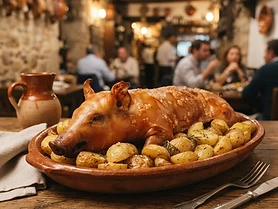
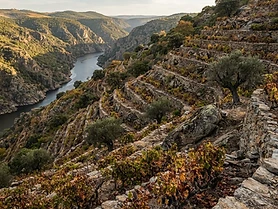
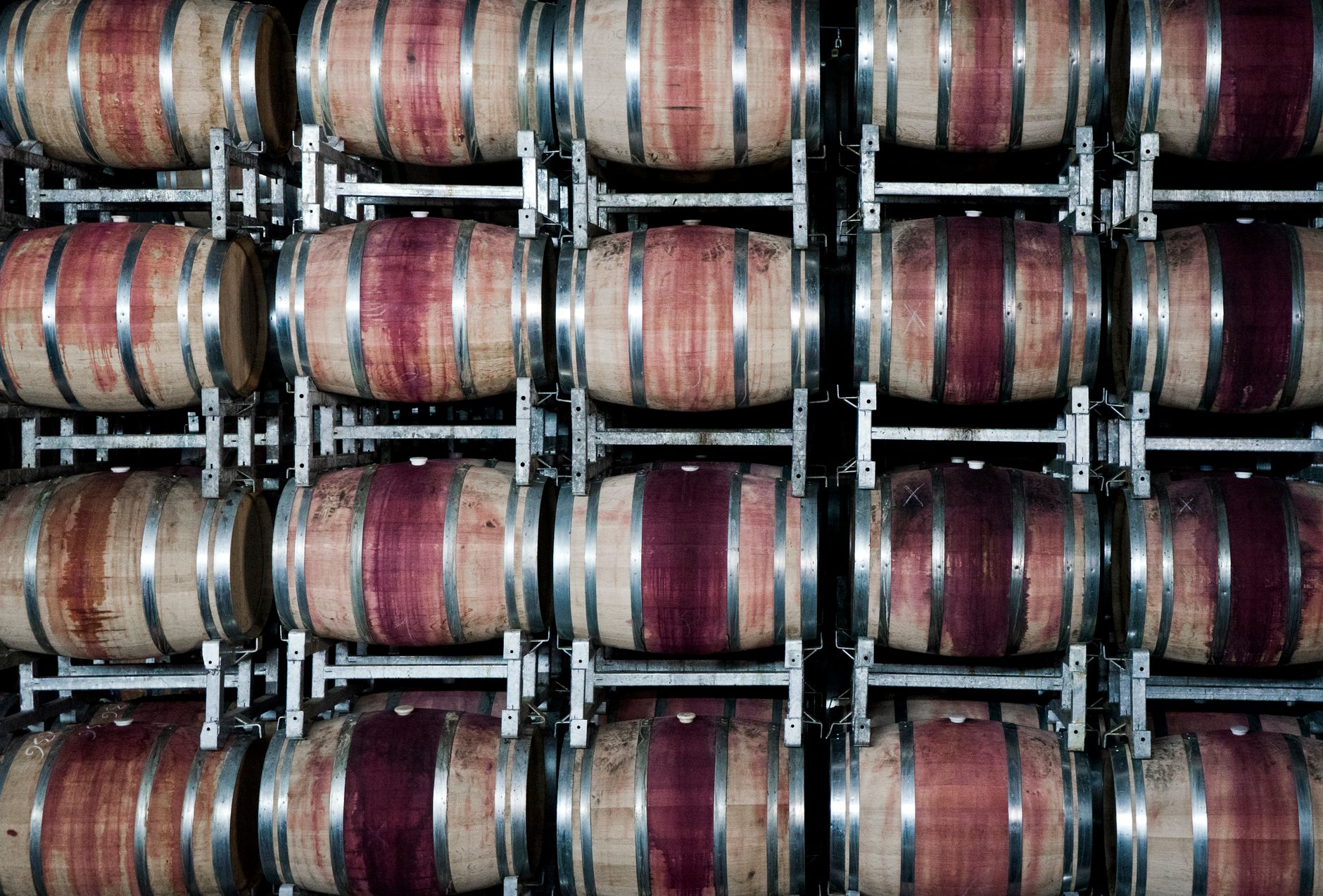
Lechazo asado, milk-fed lamb roasted in clay ovens until the skin crisps and the meat separates from the bone, defines the table in this province. The dish demands a bold red wine from the nearby Ribera del Duero, a region shaped by the limestone soils along the river banks. For those seeking lighter fare, sopa de ajo provides a simple base of garlic, bread, and paprika, often enriched with an egg poached in the broth. Local bakeries supply mantecados, small lard-based cakes that mirror the traditional pastries of the wider Castilian plains.
Castilla y León: the whole region
The largest region in Spain, and the one that most rewards a car: a plateau of walled cities, Romanesque churches and vineyards, with Salamanca, León, Burgos and Segovia as four genuine anchors spread across four hundred kilometres. There…
Minimum 5 days · better 8-10 days · deep 2 weeks

In Castilla y León



In Castilla y León





In Castilla y León












Logistics are verified only. We don't publish schedules we haven't confirmed.
Ready to build Iglesia de San Pablo into a trip?
You've found a place worth going. When you're ready to turn discovery into an itinerary, Travel Itinerary Co picks up where the Field Guide leaves off — with your saved places already in hand.
Build this into a tripContinues on Travel Itinerary Co
Spain Field Guide may earn a commission when you book through selected links. Recommendations are editorial and independent of commission.