Segovia Cathedral
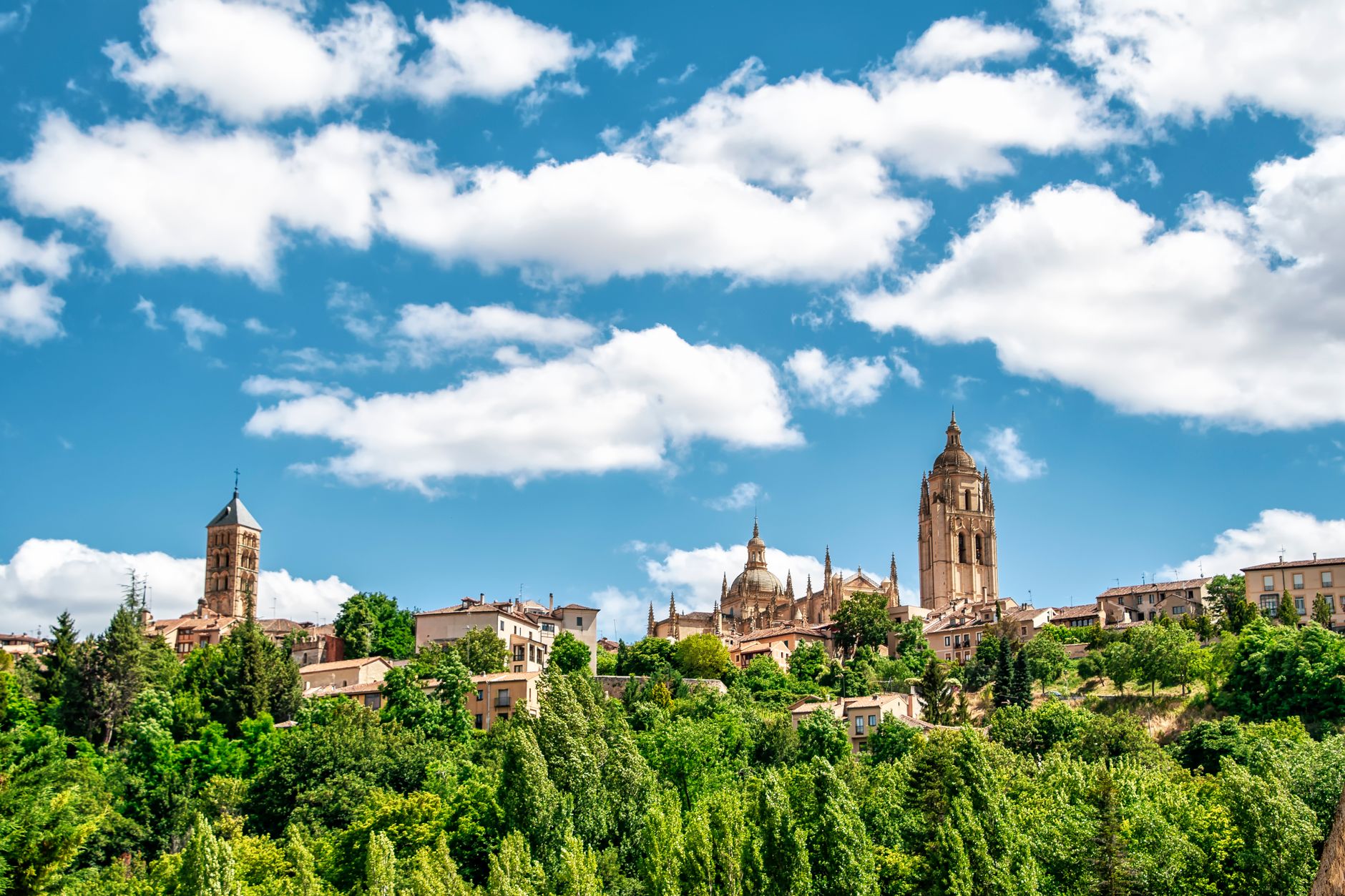
Climb the tower for the rooftop-and-Alcázar view. It's the third stop on the Segovia triangle (aqueduct, cathedral, Alcázar). 45 minutes inside.
The 'Lady of Cathedrals' — a 16th-century late-Gothic masterpiece with a 90m tower, the last great Gothic cathedral built in Spain.
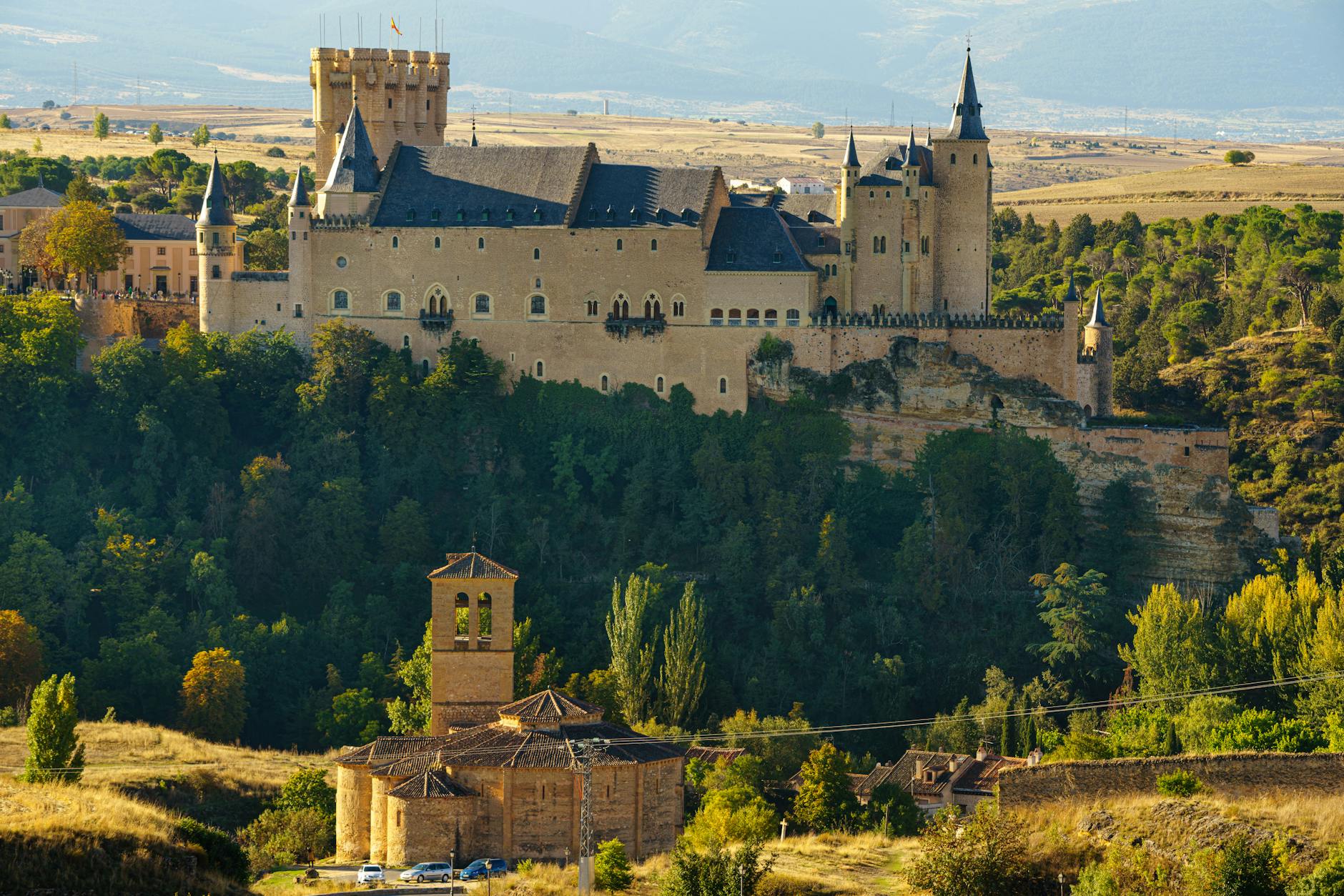
Cochinillo (Segovia) · Roman Aqueduct of Segovia · Alcázar de Segovia
At a Glance
- — You've seen too many Gothic cathedrals
Known as the Lady of Cathedrals, this 16th-century structure marks the final, soaring achievement of the Gothic era in Spain. The massive 90-meter tower commands the skyline, and a climb to the top rewards visitors with a sweeping view of the Alcázar and the surrounding rooftops. It sits as the final, grand piece of the Segovia triangle, requiring at least forty-five minutes to properly absorb the scale of the late-Gothic vaulting.
How it got here
Construction began in 1525 under the direction of Juan Gil de Hontañón and his son Rodrigo following the destruction of the former cathedral during the Revolt of the Comuneros. The building stands on the highest point in the city on a site formerly occupied by the church of Santa Clara. Its design prioritizes late Gothic verticality while incorporating Renaissance details that define the architectural transition of the sixteenth century. It stands as the last major Gothic cathedral built in the kingdom of Castile and completes a building project that shifted the ecclesiastical and administrative weight of the city toward the Plaza Mayor.
Where it sits
The cathedral commands the high ground of the city ridge between the Eresma and Clamores rivers. Cold winds sweep across the high plains of the Meseta throughout the winter months, often bringing frost to the limestone masonry. The terrain drops sharply into deep valleys where dense woods transition into the open wheat fields of the Castilian interior. Visitors arrive from the lowlands of Madrid by way of the Sierra de Guadarrama, crossing mountain passes that delineate the northern edge of the plateau. Sunlight hits the pale stone of the facade at dusk, turning the golden surfaces orange against the darkening sky.
What to eat and drink
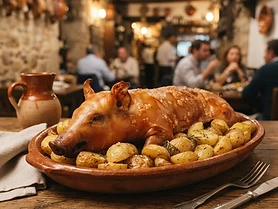
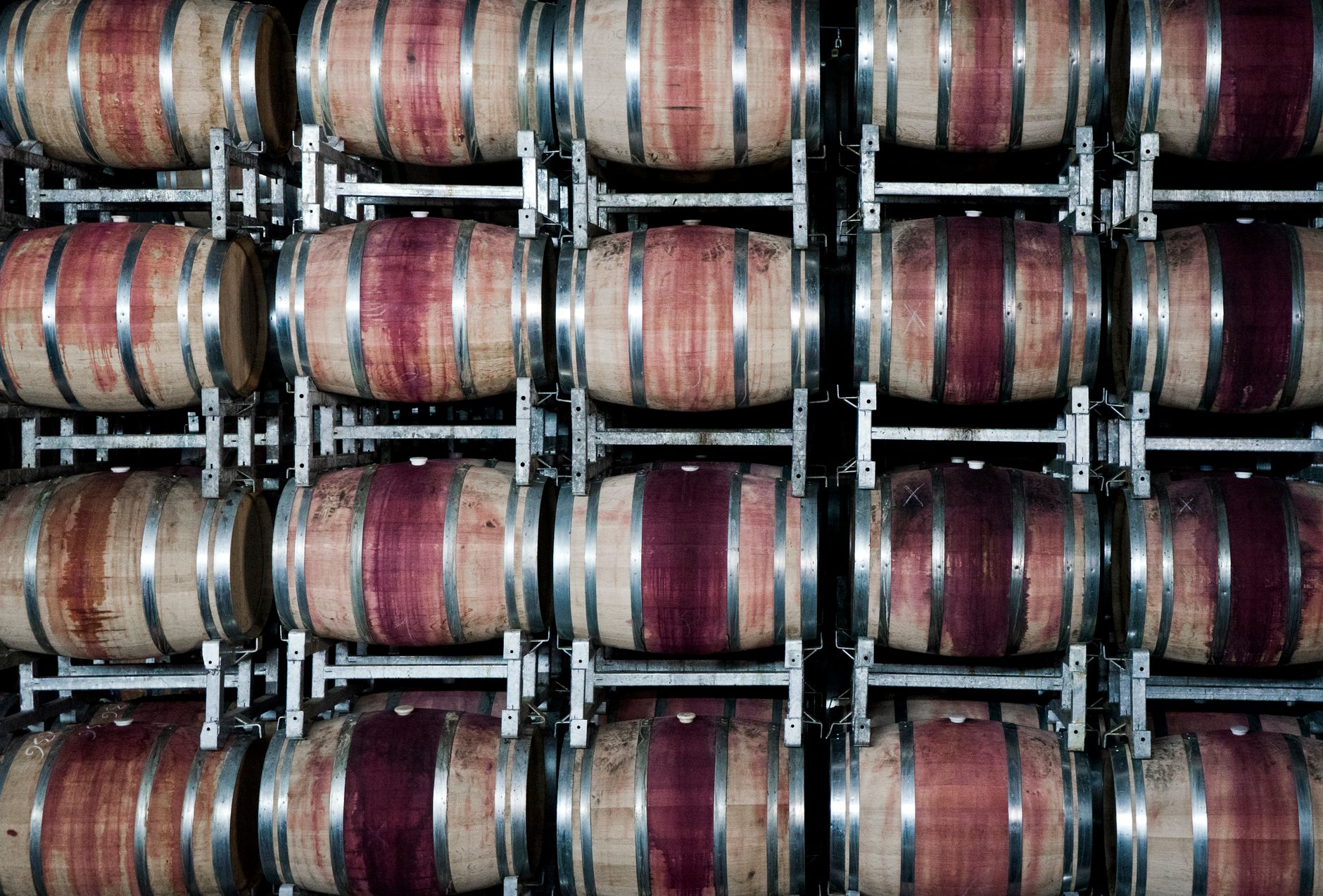
Cochinillo asado, a young suckling pig roasted in a clay pot until the skin crackles and the meat loses all resistance, defines the local table. Sopa castellana, a bread soup flavored with garlic, cured ham, and paprika, anchors the diet against the chill of the highlands. For dessert, ponche segoviano provides layers of sponge cake filled with egg yolk cream and toasted with caramelized sugar. Local red wines from the nearby Ribera del Duero provide the necessary weight to balance the fat of the roasted meats, while dark fruit flavors linger through the finish.
Castilla y León: the whole region
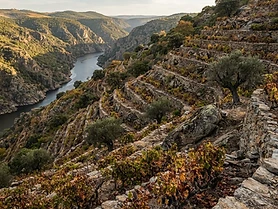
The largest region in Spain, and the one that most rewards a car: a plateau of walled cities, Romanesque churches and vineyards, with Salamanca, León, Burgos and Segovia as four genuine anchors spread across four hundred kilometres. There…
Minimum 5 days · better 8-10 days · deep 2 weeks
What's Nearby

Pair It With

In Castilla y León


In Castilla y León





In Castilla y León










Linked from elsewhere
Entries that name this place in their own nearby lists.
Logistics are verified only. We don't publish schedules we haven't confirmed.
Appears In
Experiences worth booking ahead
- Three Cities in One Day: Segovia, Avila and Toledo from Madrid4.8 (11,350)12 hrsFrom €81
- Avila & Segovia Tour with Tickets to Monuments from Madrid4.8 (12,152)9 hrsFrom €63
- From Madrid: Toledo & Segovia Day Tour with Lunch & Tickets4.6 (5,949)11 hrsFrom €38
- Madrid to Avila & Segovia: Full-Day Highlights Tour4.6 (712)9 hrsFrom €45
Spain Field Guide may earn a commission when you book through selected links. Recommendations are editorial and independent of commission.
Ready to build Segovia Cathedral into a trip?
You've found a place worth going. When you're ready to turn discovery into an itinerary, Travel Itinerary Co picks up where the Field Guide leaves off — with your saved places already in hand.
Build this into a tripContinues on Travel Itinerary Co
Spain Field Guide may earn a commission when you book through selected links. Recommendations are editorial and independent of commission.