Sierra de Guadarrama

Essential as a day out from Madrid. Go on a weekday if you can, or accept that you will share the mountain.
Because this is what Madrileños do at weekends, and it explains the city better than another museum does.
At a Glance
- — You expect solitude on an August weekend
Madrid ends and this begins: a granite wall of a mountain range separating the city from Castilla y León, protected as a national park since 2013. The passes at Navacerrada and Cotos carry skiers in winter and walkers all year, and the valleys below hold villages such as Cercedilla and Rascafría, with pine woods, reservoirs and roadside restaurants that serve roast meat to crowds on Sundays. It is not wilderness. It is where several million people go to breathe, and that is part of what makes it interesting: the queues at the trailhead, the families with cool boxes, the whole city moving in the same direction.
How it got here
These granite summits served as a strategic barrier between the kingdoms of Old Castile and the plateau of Madrid for centuries. The mountain passes dictated the movement of livestock and armies moving across the central meseta. During the Reconquista, these heights acted as a natural border, later functioning as hunting grounds for the royal court when the capital moved to Madrid in the sixteenth century. The subsequent rise of the railway in the nineteenth century transformed quiet mountain villages into accessible retreats for the city population. The designation of the national park in 2013 codified the long transition from a working pastoral landscape into a primary recreation space for the central provinces.
Where it sits
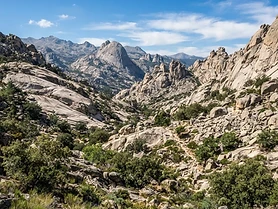
The granite ridges form a sharp, weathered horizon that catches the harsh light of the plateau. Pine forests cling to the slopes above villages built from local stone, while seasonal snow blankets the higher peaks from December through March. The range acts as a physical wall dividing the arid Castilian plains from the valley systems leading toward the capital. Access follows the old rail lines and mountain roads that wind through pine thickets and highland meadows. Weekends bring a steady movement of people from the city who crowd the trails and fill the mountain squares, creating a rhythmic pulse of constant human transit.
What to eat and drink
Roast meat defines the table in these mountain villages, particularly cordero lechal, suckling lamb seasoned simply with salt and roasted in wood-fired ovens. Diners also seek out judiones de la Granja, large white beans slow-cooked with chorizo, morcilla, and pork belly, a dish that provides warmth during the cold months. Trout harvested from the mountain streams appears frequently on village menus, often prepared with thin slices of jamón. Meals conclude with postres de monja, traditional egg-based sweets prepared in local convents, usually paired with a glass of anise-flavored liqueur or robust red wine from the neighboring vineyards of Madrid.
Madrid: the whole region
Madrid is a province with one great city in it, and that city is worth three or four days on its own: three major museums within a few hundred metres of each other, a working market culture, a nightlife that starts late and does not stop,…
Minimum 3 days · better 5-6 days · deep 8-10 days
What's Nearby

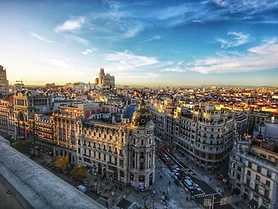
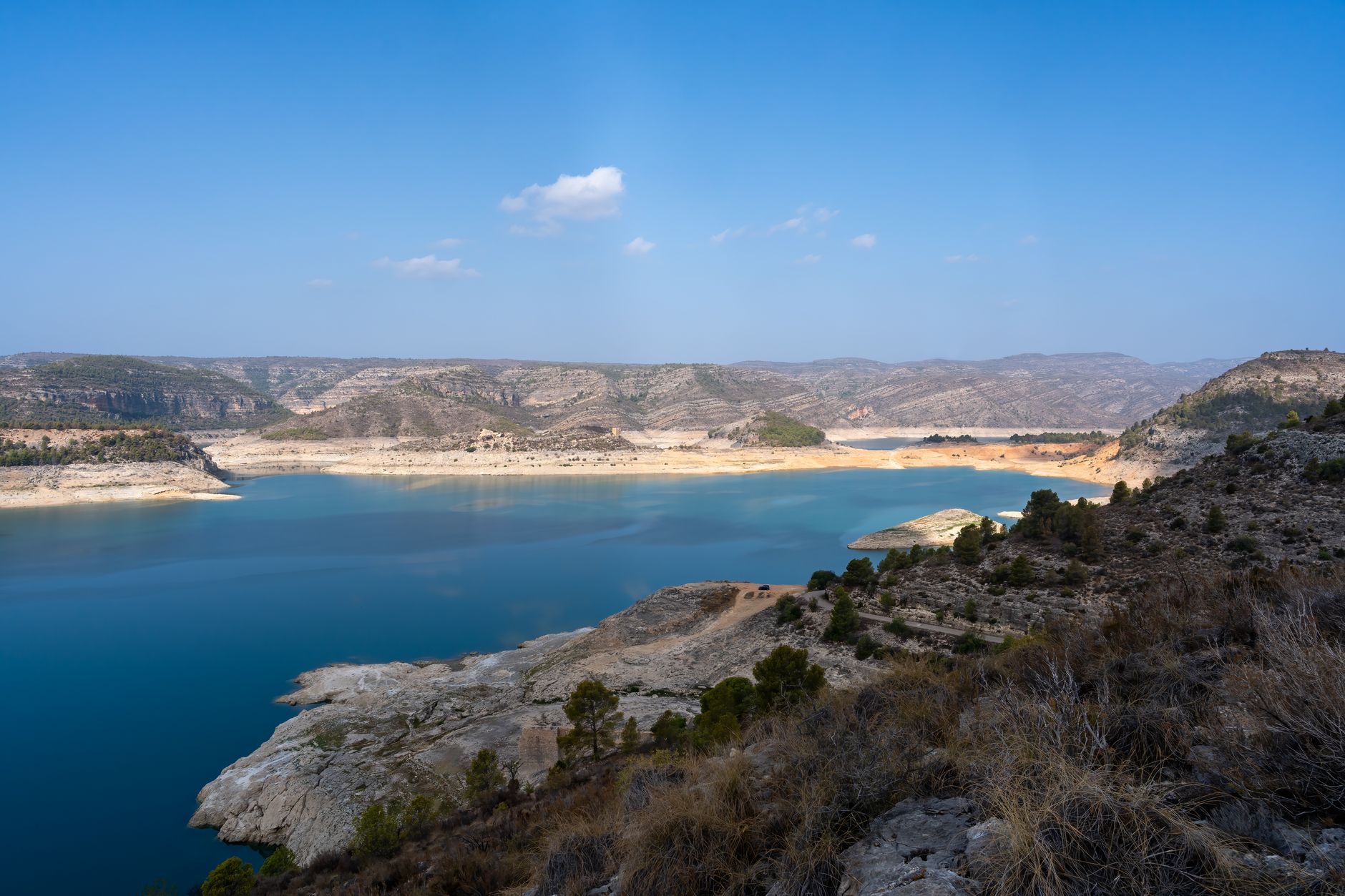

In Madrid

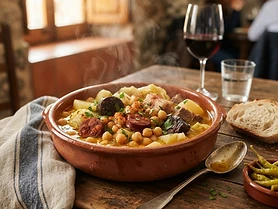

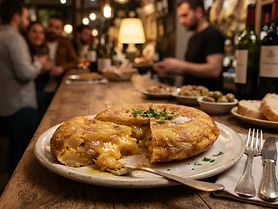





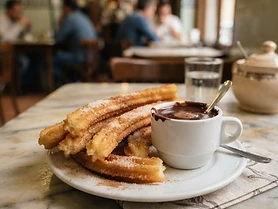

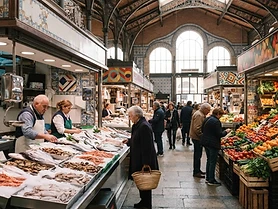
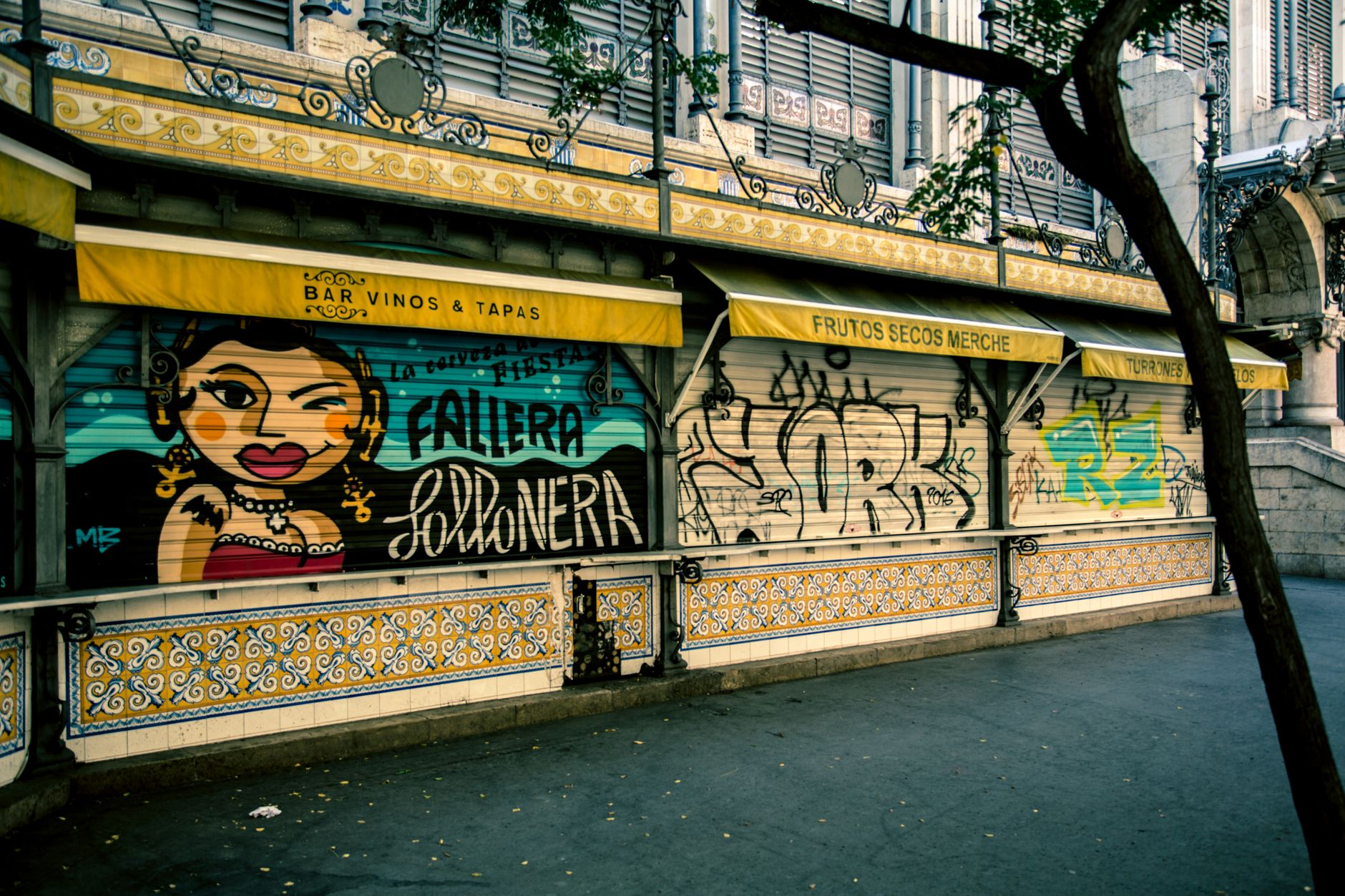

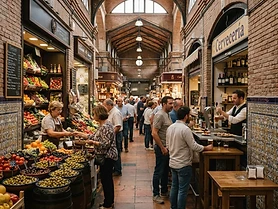

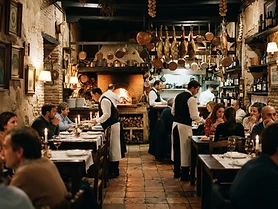
In Madrid


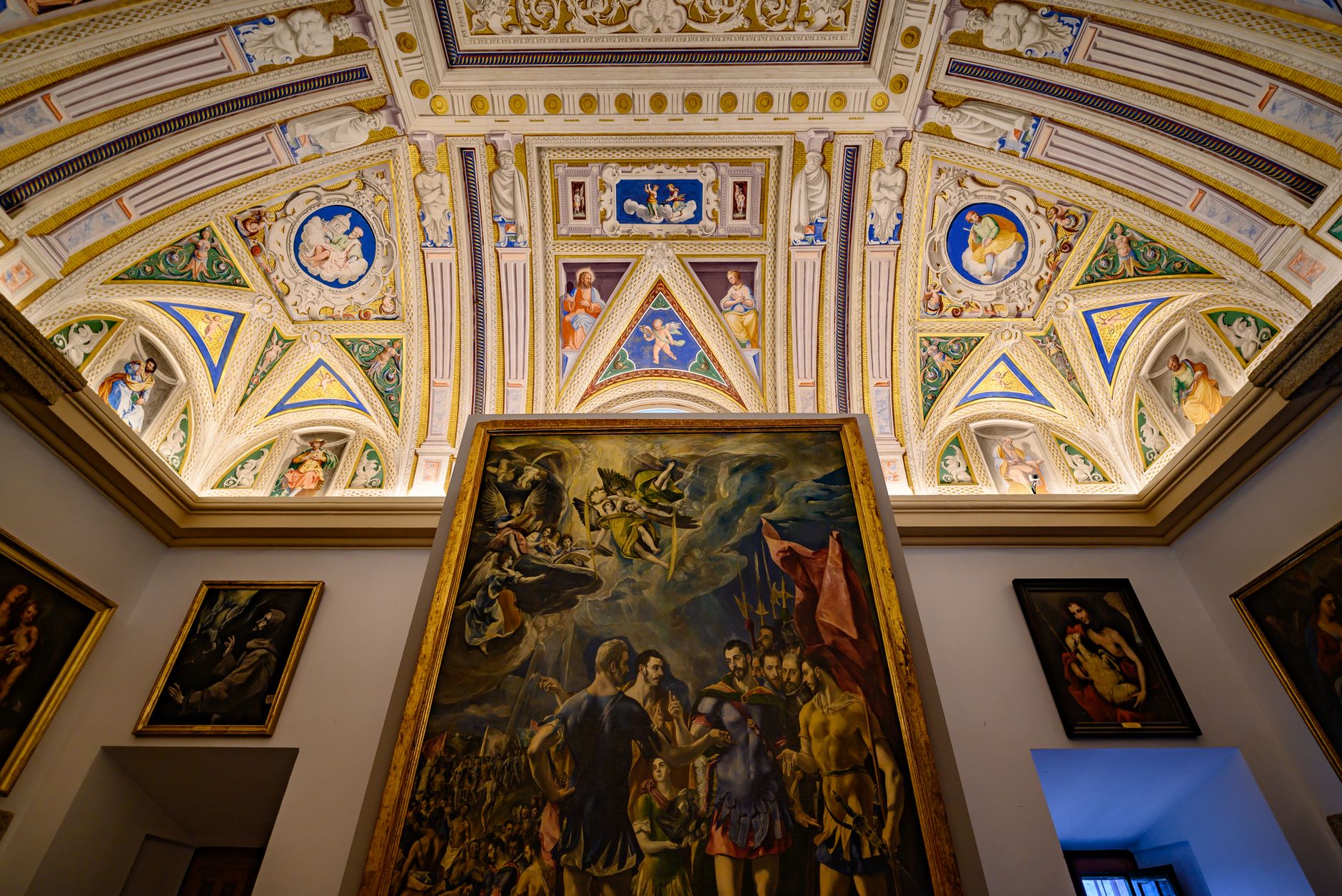











Linked from elsewhere
Entries that name this place in their own nearby lists.

Logistics are verified only. We don't publish schedules we haven't confirmed.
Appears In
Ready to build Sierra de Guadarrama into a trip?
You've found a place worth going. When you're ready to turn discovery into an itinerary, Travel Itinerary Co picks up where the Field Guide leaves off — with your saved places already in hand.
Build this into a tripContinues on Travel Itinerary Co
Spain Field Guide may earn a commission when you book through selected links. Recommendations are editorial and independent of commission.