Plaza de Toros de Las Ventas

The tour and museum are worth it for anyone interested in Spanish culture. The fight itself is a personal and increasingly controversial choice; Spain is split on it, and you should be informed before you decide.
To understand Spain's most contested tradition at its national stage, either in the ring or in the museum.
At a Glance
- — You have no interest in bullfighting
- — You'd find attending a fight upsetting
Las Ventas is Madrid's bullring and the most important venue in bullfighting, built in 1931 in neo-Mudéjar style with a ceramic-tiled façade and seating for 23,000. It's the equivalent of Wimbledon for tennis or Wembley for football: a matador who succeeds at Las Ventas has made it; one who fails may retire. The season runs from March to October, with the headline San Isidro festival in late May and early June. For visitors who won't attend a fight, the ring runs a daily tour (with an attached Museo Taurino) that explains the architecture, the ritual, and the history — a calmer way to engage with a deeply contested tradition.
How it got here
Architects José Espelius and Manuel Muñoz Monasterio designed this structure in the neo-Mudéjar style during the 1920s to replace the older ring at Carretera de Aragón. Construction finished in 1929, though the inaugural event occurred in 1931. The building uses red brick and ceramic tiles to recall the Islamic architectural heritage of the Iberian Peninsula. It replaced the previous venue as the center of the local bullfighting tradition, consolidating the prominence of the San Isidro festival. The ring sustains the intense cultural focus on the matador as a public figure, acting as the primary stage where professional reputations in the sport solidify or fracture over a single afternoon.
Where it sits
The ring stands in the Salamanca district, east of the Madrid city center. Broad avenues approach the site, which sits apart from the dense medieval core of the capital. The area sees heavy transit movement and residential activity throughout the year. Summer heat radiates from the brick exterior during the day, while evenings bring the crowds that fill the open air of the arena. When the bullfighting season ends, the structure remains a static presence against the skyline, shifting from a focal point of public spectacle to a quiet, imposing monument of red brick and archways.
What to eat and drink
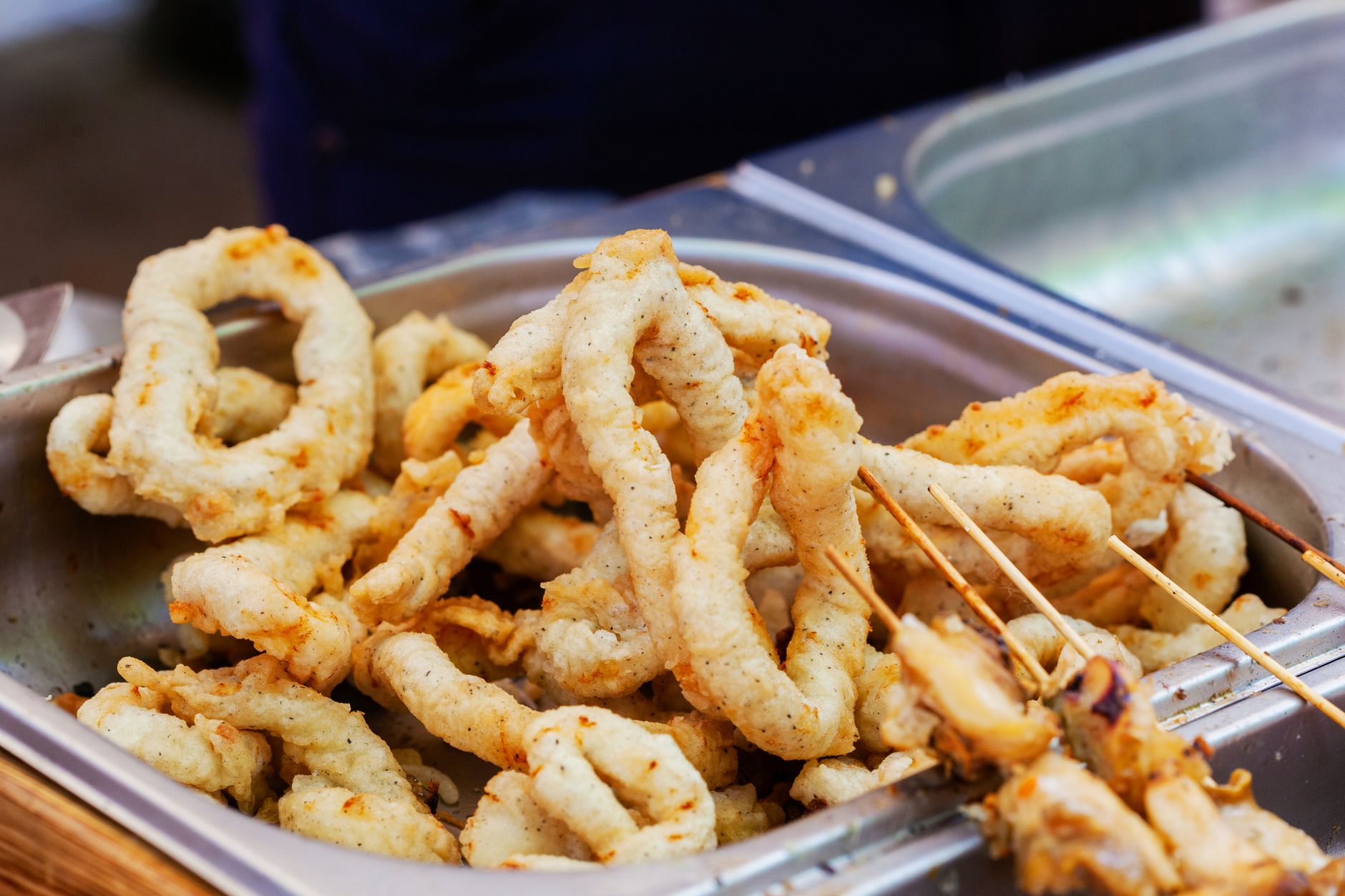
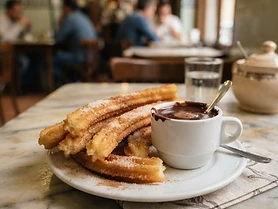
Visitors near the district seek out plates central to Madrid cuisine. Cocido madrileño, a chickpea-based stew cooked with meat, ham, and vegetables, remains the definitive dish of the city. Calamari sandwiches, deep-fried rings of squid served on a crusty roll with a splash of lemon, persist as the standard street food. Bartenders pour cañas of light lager to accompany these meals. For a sweet conclusion, thin, fried dough sticks known as churros dipped into dense, dark hot chocolate provide the traditional replenishment after the intensity of a long afternoon in the sun.
Madrid: the whole region
Madrid is a province with one great city in it, and that city is worth three or four days on its own: three major museums within a few hundred metres of each other, a working market culture, a nightlife that starts late and does not stop,…
Minimum 3 days · better 5-6 days · deep 8-10 days
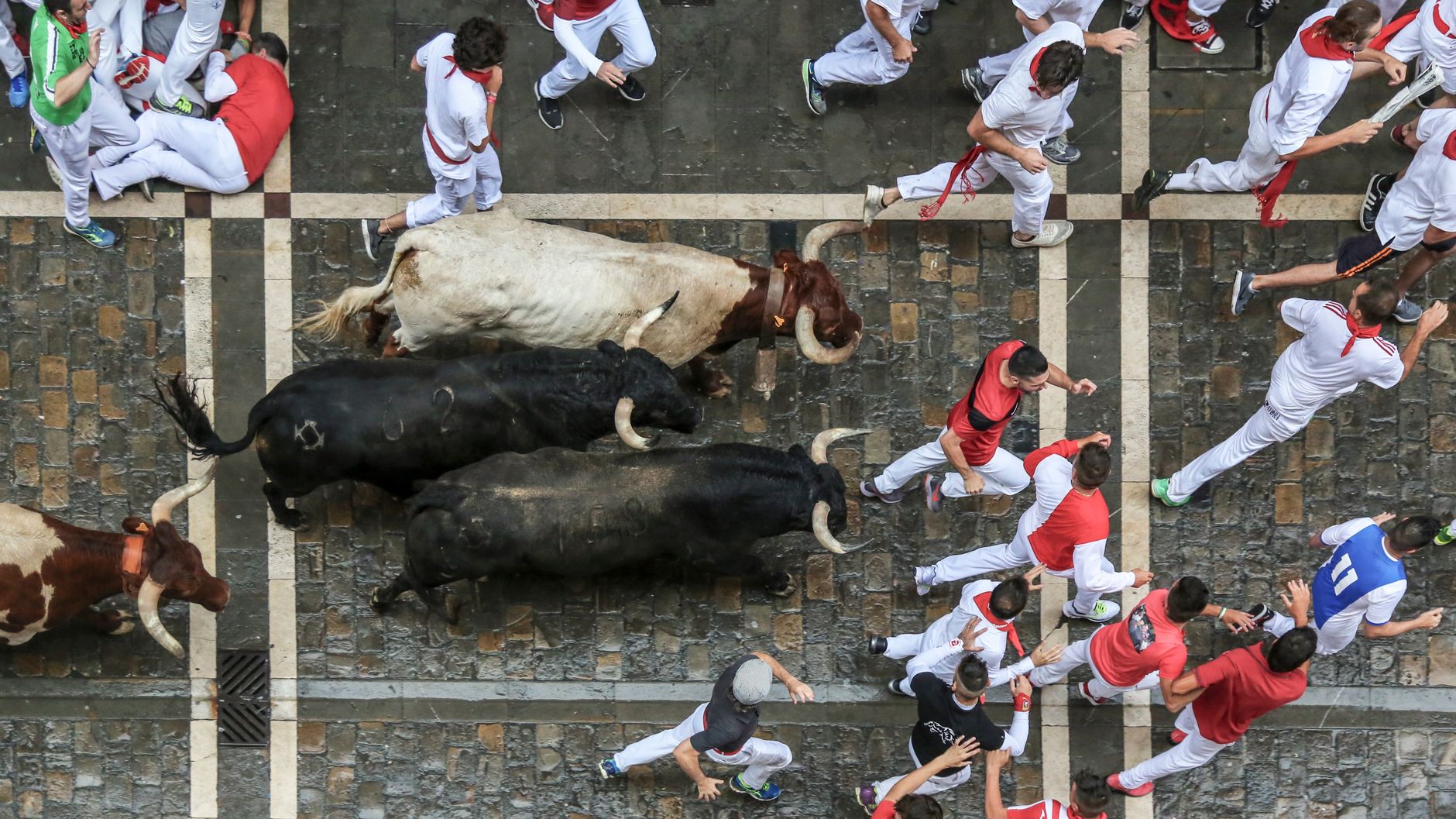
In Madrid

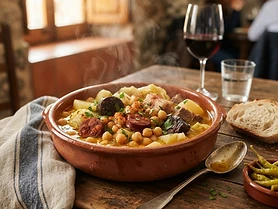

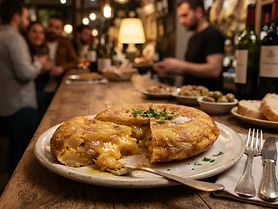


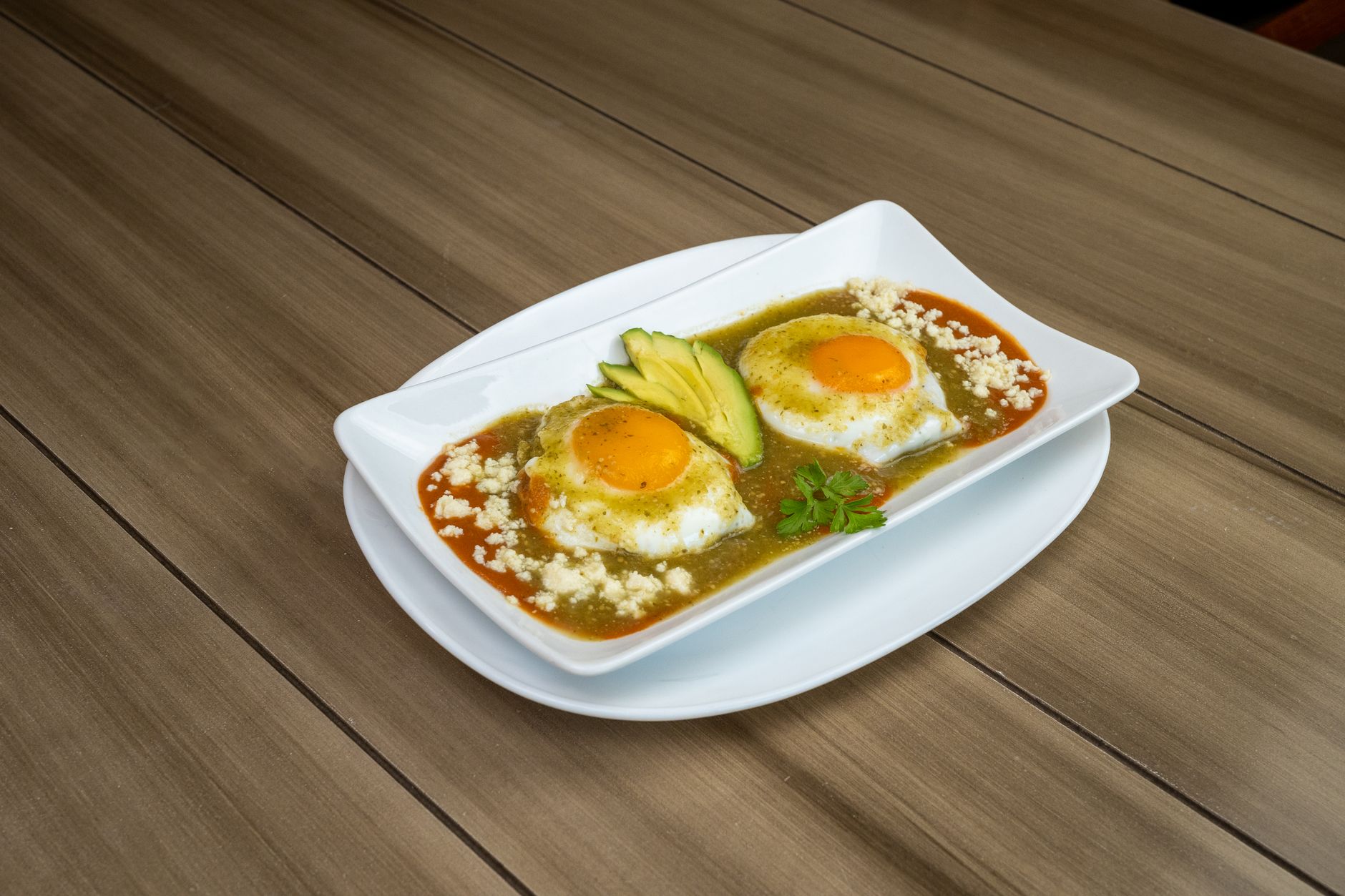






In Madrid















Experiences worth booking ahead
Spain Field Guide may earn a commission when you book through selected links. Recommendations are editorial and independent of commission.
Ready to build Plaza de Toros de Las Ventas into a trip?
You've found a place worth going. When you're ready to turn discovery into an itinerary, Travel Itinerary Co picks up where the Field Guide leaves off — with your saved places already in hand.
Build this into a tripContinues on Travel Itinerary Co
Spain Field Guide may earn a commission when you book through selected links. Recommendations are editorial and independent of commission.