Patatas Bravas
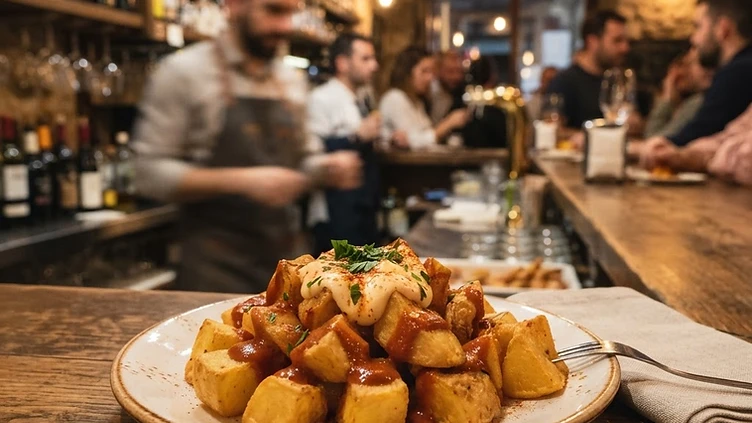
Madrid's version is the benchmark. The sauce is the secret — every bar has its own, and the best (Docamar, Las Bravas) are fiercely guarded recipes.
Crispy fried potato cubes with a spicy-sweet brava sauce — the litmus test of a tapas bar and the most ordered tapa in Spain.
At a Glance
- — You're on a low-fat diet
Twice-fried cubes of potato, served with a sauce that balances paprika heat against tomato sweetness. Every bar in Madrid claims the definitive version, and the dish is the standard companion to a cold beer. It is a humble snack, eaten with a toothpick standing at the bar.
How it got here
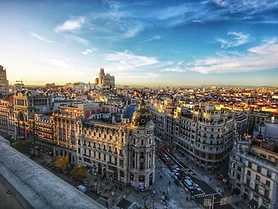
Madrid evolved from a ninth-century frontier outpost established by the Emirate of Córdoba into the capital of the Spanish monarchy in 1561. This shift brought a surge in population and the development of a distinct social culture centered around communal gathering spots. The evolution of tapas culture stems from this dense urban living where informal meals were consumed while standing. Simple ingredients like potatoes became staples during periods of rationing and economic transition. The dish emerged as a practical adaptation of these pantry items, refined through successive generations of kitchen practice into the specific preparation recognized today as a standard element of the local social architecture.
Where it sits
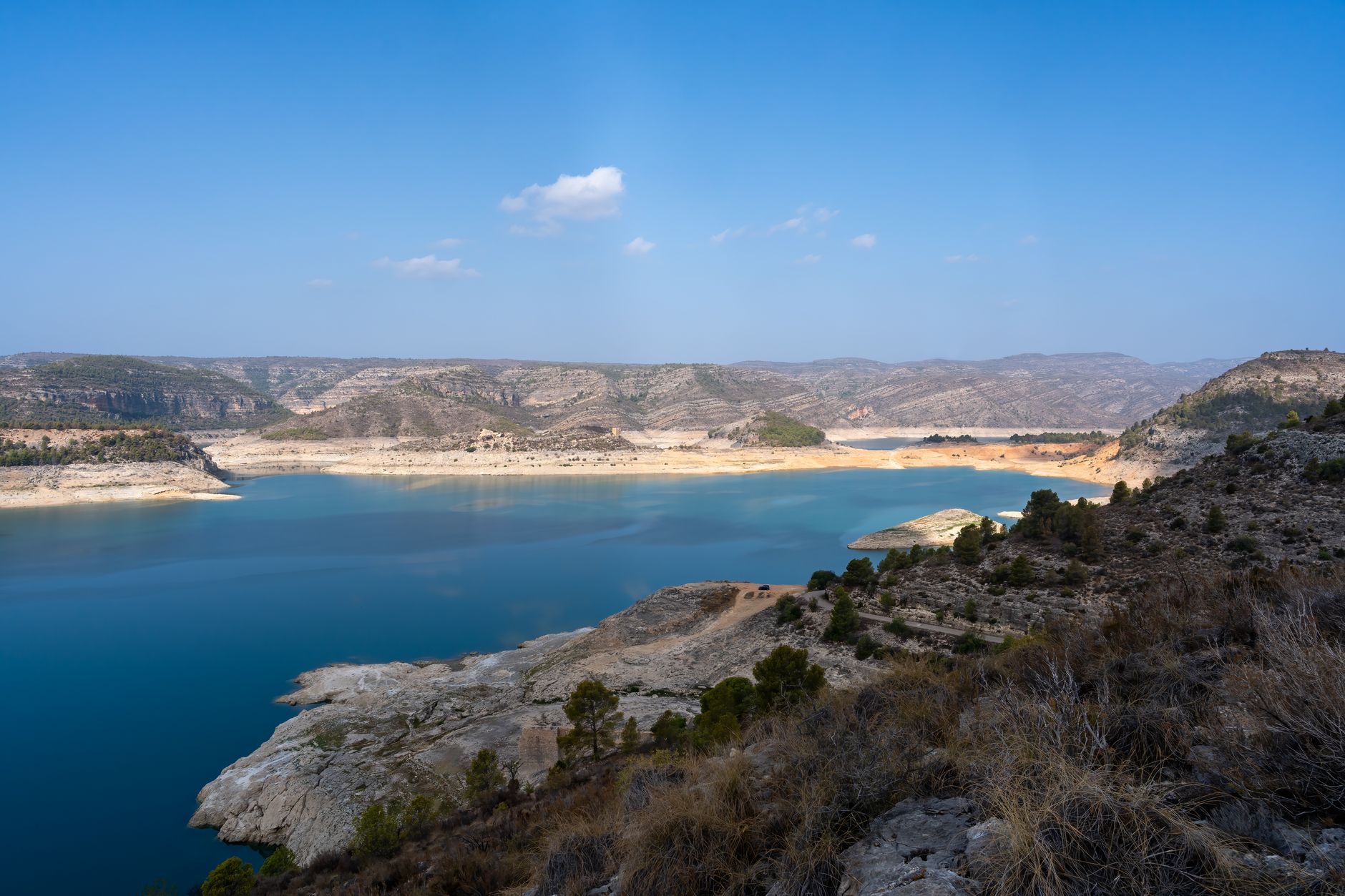
The central plateau of the Meseta surrounds the capital, a landscape of high elevation and dry air. Winters bring sharp frost from the Guadarrama mountains, while summers turn the city streets into heat sinks that only cool after the sun drops. The climate dictates the pace of life, pulling crowds into shaded interiors during the afternoon and spilling them onto pavements once the evening cools. Public spaces prioritize movement and proximity, creating a rhythm of transit between narrow streets and open plazas. This environment supports a culture that favors quick, standing consumption over lengthy, solitary dining.
What to eat and drink
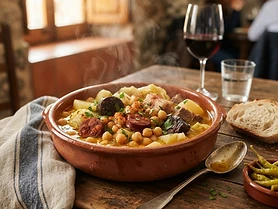
Patatas bravas consist of fried potato cubes served with a piquant sauce made from pimentón, a ground spice dried over oak fires. In the capital, the sauce relies on this paprika for heat rather than vinegar or tomato. Beyond this staple, order callos a la madrileña, a stew of beef tripe, chickpeas, and blood sausage. The standard accompaniment is a caña of cold lager or a glass of vermut de grifo, a fortified local wine served on tap with a slice of orange and an olive. These items sustain a tradition of standing at bars for quick, sharp refreshments.
Madrid: the whole region
Madrid is a province with one great city in it, and that city is worth three or four days on its own: three major museums within a few hundred metres of each other, a working market culture, a nightlife that starts late and does not stop,…
Minimum 3 days · better 5-6 days · deep 8-10 days
Pair It With


In Madrid









In Madrid

















Linked from elsewhere
Entries that name this place in their own nearby lists.
Logistics are verified only. We don't publish schedules we haven't confirmed.
Ready to build Patatas Bravas into a trip?
You've found a place worth going. When you're ready to turn discovery into an itinerary, Travel Itinerary Co picks up where the Field Guide leaves off — with your saved places already in hand.
Build this into a tripContinues on Travel Itinerary Co
Spain Field Guide may earn a commission when you book through selected links. Recommendations are editorial and independent of commission.