Parque del Retiro

Free, always open. Row a boat on the lake, see the Glass Palace, then walk to the Prado five minutes away. Sunday morning is when Madrileños use it.
Madrid's 125-hectare green heart — a former royal park with a boating lake, the Glass Palace, and rose gardens. The retreat from the city's concrete.
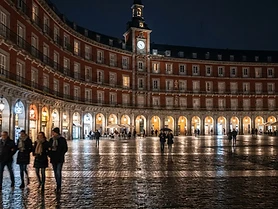
Museo del Prado · Reina Sofía Museum (Guernica) · Plaza Mayor de Madrid
At a Glance
- — You don't do city parks
At 125 hectares, the Retiro is Madrid's green lung and the necessary break from the heat of the center. On Sunday mornings the paths fill with families heading for the boating lake or the glass pavilion in the rose gardens. It works as the city's living room, and it sits five minutes from the Prado.
How it got here
Felipe IV commissioned these gardens in the seventeenth century as a royal hunting ground and recreation area outside the city walls. The monarchy held exclusive access until the park opened to the public during the nineteenth century. The destruction of much of the site during the Peninsular War compelled extensive replanting. When the monarchy fell, the municipal authorities assumed control, converting the royal grounds into a public space. Today the layout reveals the historical hierarchy of the court through its formal garden paths and the grand proportions of its architectural monuments, preserving the distinction between private royal seclusion and the modern democratic access that defines the current city.
Where it sits
The park lies on the eastern edge of the central district, providing a dense canopy of trees amidst the limestone architecture of the capital. Dry winds sweep across the plateau in the summer months, turning the earth dusty and the grass pale, while winters bring biting air from the nearby Sierra de Guadarrama. Foot traffic pulses through the gates from the Prado museum corridor, filling the wide gravel boulevards as sunlight fades. The terrain remains flat, dominated by managed plane trees and rose bushes, though the elevation of the city plateau keeps the air thinner and colder than the lowlands to the south.
What to eat and drink
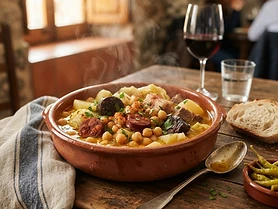
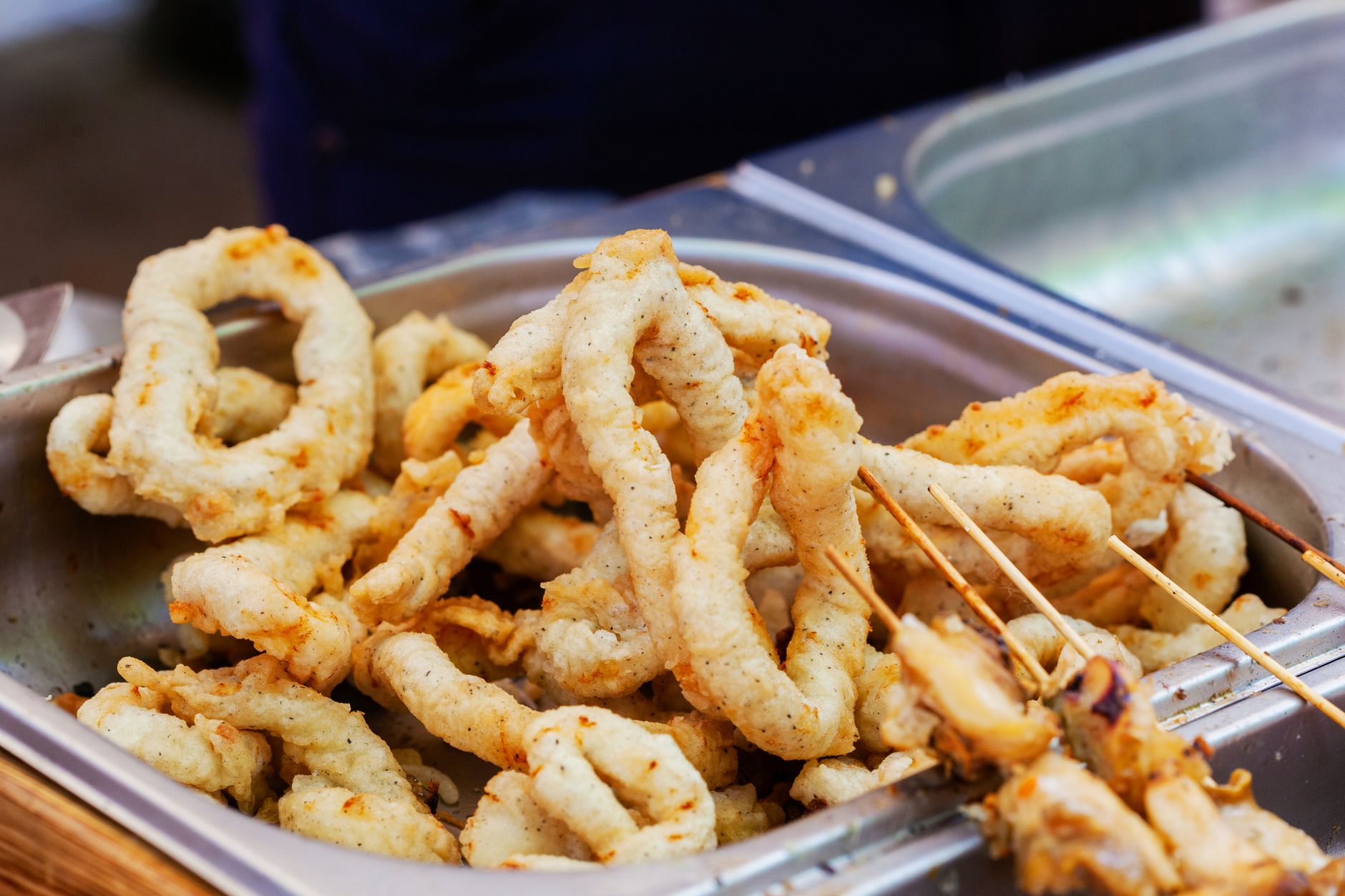
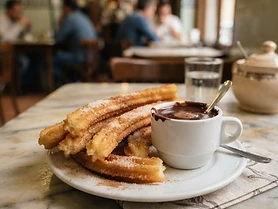
The culinary habits of Madrid favor the midday menu and the late evening snack. Order a bocadillo de calamares, a fried squid sandwich on crusty bread, which persists as the quintessential street food of the capital. For a lighter bite, churros dipped into thick, molten hot chocolate provide the traditional start to the day or a late afternoon recovery. In the cooler months, cocido madrileño, a chickpea-based stew cooked with chorizo, morcilla, and pork belly, warms the palate. Drink a glass of vermut de grifo, a local fortified wine served chilled with a slice of orange and a single green olive.
Madrid: the whole region
Madrid is a province with one great city in it, and that city is worth three or four days on its own: three major museums within a few hundred metres of each other, a working market culture, a nightlife that starts late and does not stop,…
Minimum 3 days · better 5-6 days · deep 8-10 days

Pair It With


In Madrid










In Madrid













Linked from elsewhere
Entries that name this place in their own nearby lists.
Logistics are verified only. We don't publish schedules we haven't confirmed.
Experiences worth booking ahead
Spain Field Guide may earn a commission when you book through selected links. Recommendations are editorial and independent of commission.
Ready to build Parque del Retiro into a trip?
You've found a place worth going. When you're ready to turn discovery into an itinerary, Travel Itinerary Co picks up where the Field Guide leaves off — with your saved places already in hand.
Build this into a tripContinues on Travel Itinerary Co
Spain Field Guide may earn a commission when you book through selected links. Recommendations are editorial and independent of commission.