Palacio Real de Aranjuez
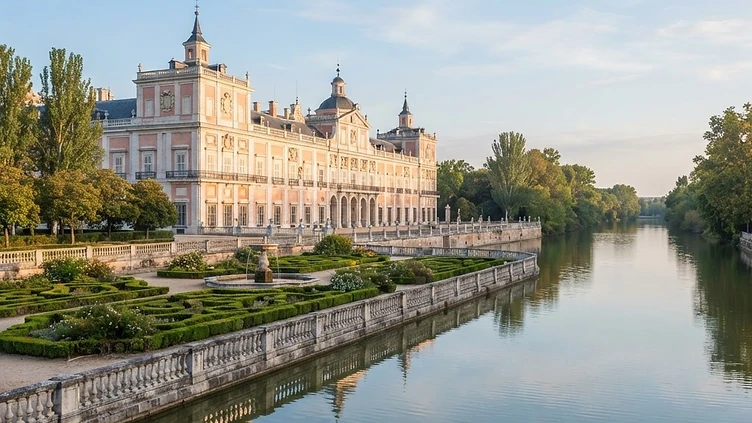
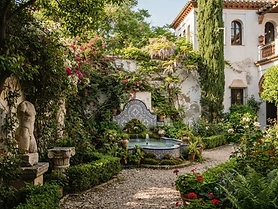
Spend the time outdoors. The Prince's garden, the island garden and the avenues are worth more than the state rooms, spring is the season, and it closes on Mondays.
A royal garden that works as a garden, and a river landscape on the edge of the meseta.
At a Glance
- — You came for mountain or coast scenery
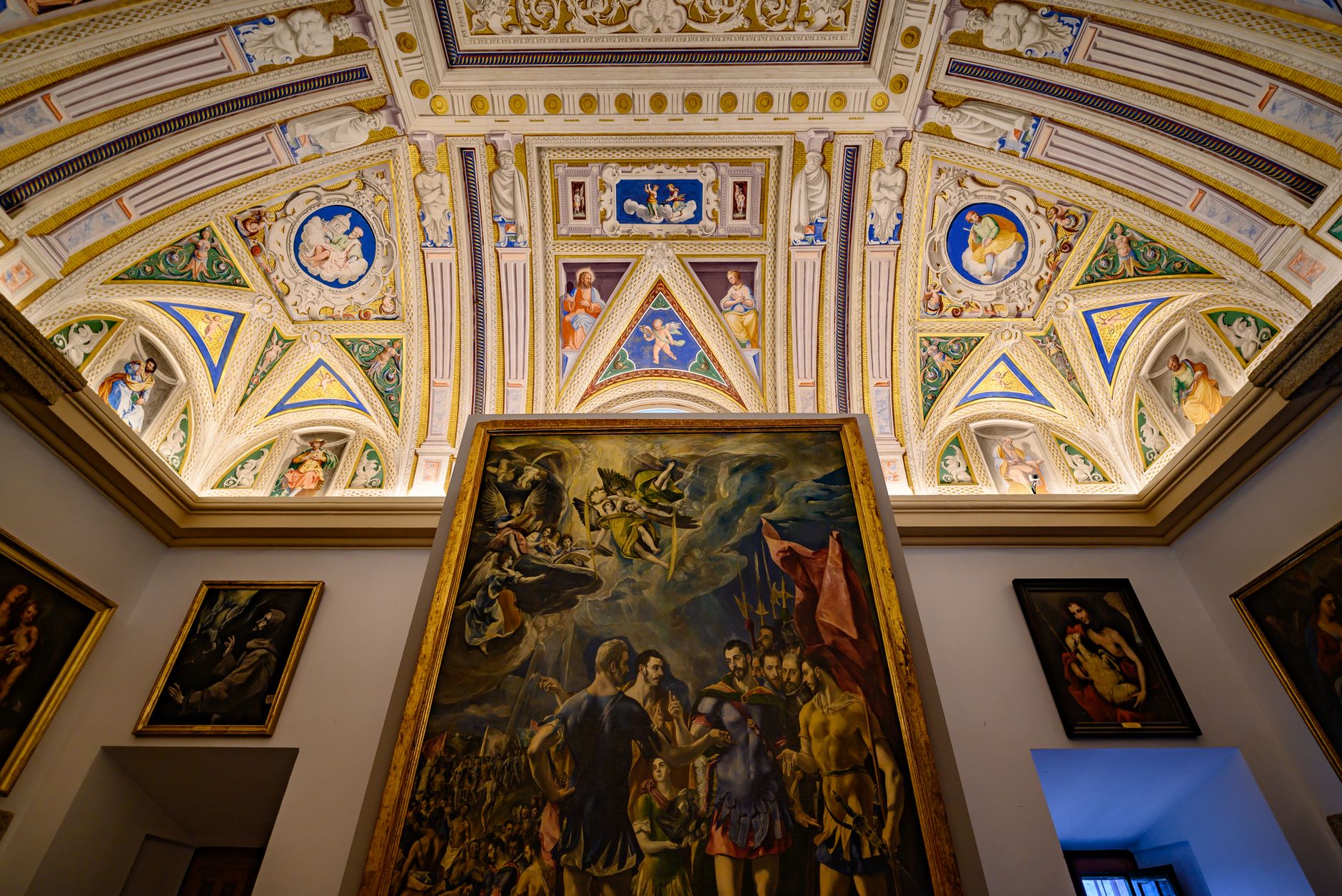
The palace that gave Spanish its phrase for a place of indulgence, built in the eighteenth century on the banks of the Tagus with rooms of porcelain and gardens laid out to the river. The interiors are the least interesting part; the parterre, the island garden and the long avenues are the reason to come.
How it got here
Felipe II commissioned the construction of the palace on the site of a prior retreat used by the Order of Santiago. The location served as a seasonal residence for the Spanish monarchy for over three centuries. Its design draws from the architectural transition between the Renaissance and the Baroque styles. Philip V expanded the gardens to mirror the layout of Versailles. The development of the surrounding town grew as a direct consequence of the courtly presence, creating a planned site that centralized power during the spring months when the royals moved south from Madrid to escape the heat of the central plateau.
Where it sits
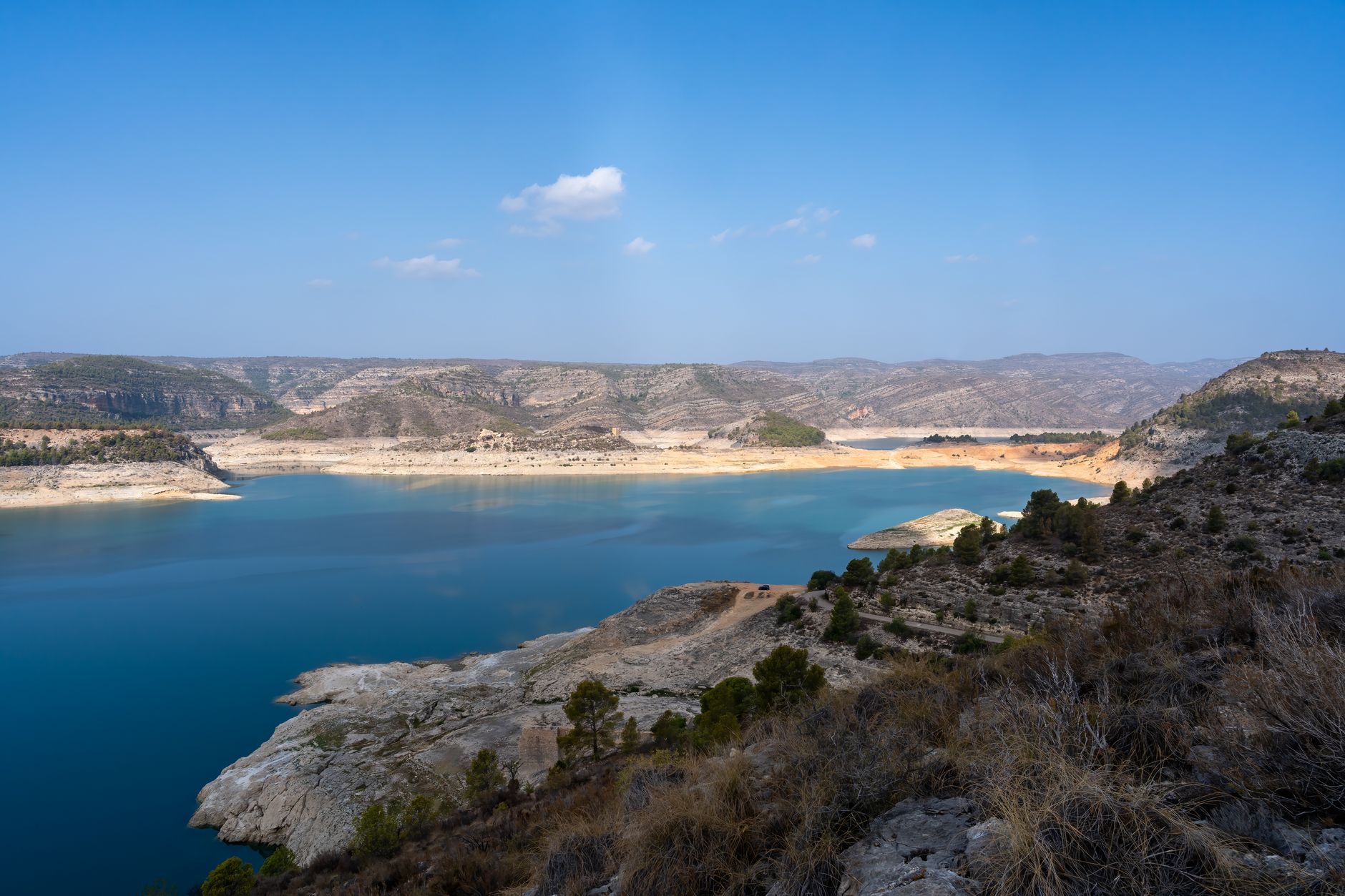
The Tagus river bends through a flat, fertile valley that contrasts with the arid landscape of the surrounding Meseta Central. Elms and plane trees line the riverbanks, providing shade against the intense sun of the Castilian summer. The irrigation systems built in the eighteenth century sustain lush greenery that persists even during the driest months. The site sits on the transit corridor toward Andalusia, and the flat topography makes the palace a focal point in an otherwise stark, open countryside. Autumn leaves turn the river gardens gold as the temperatures drop, thinning the crowds that visit during the spring.
What to eat and drink
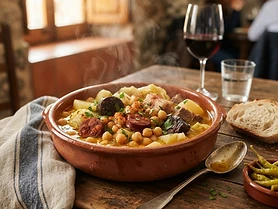
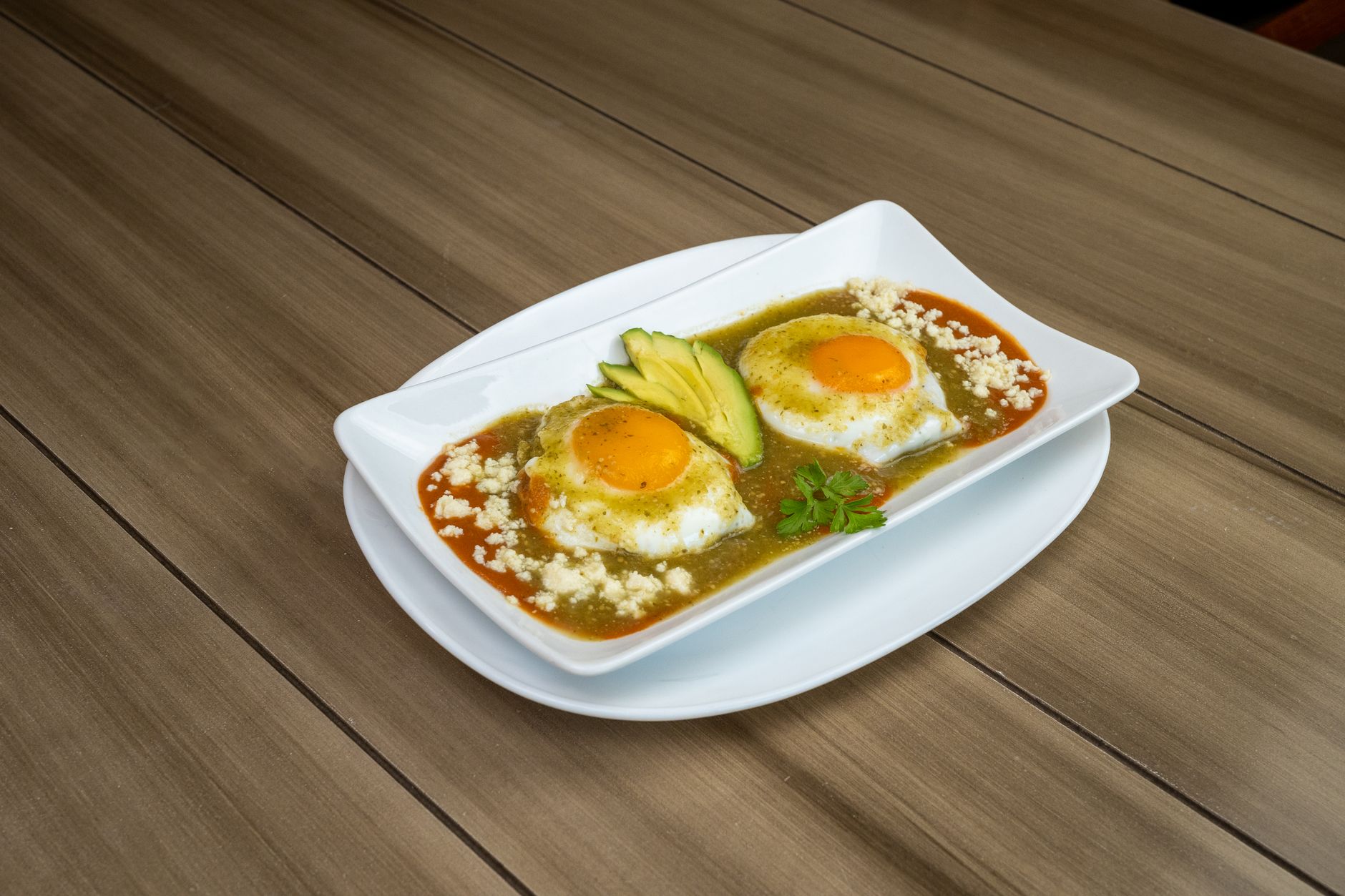
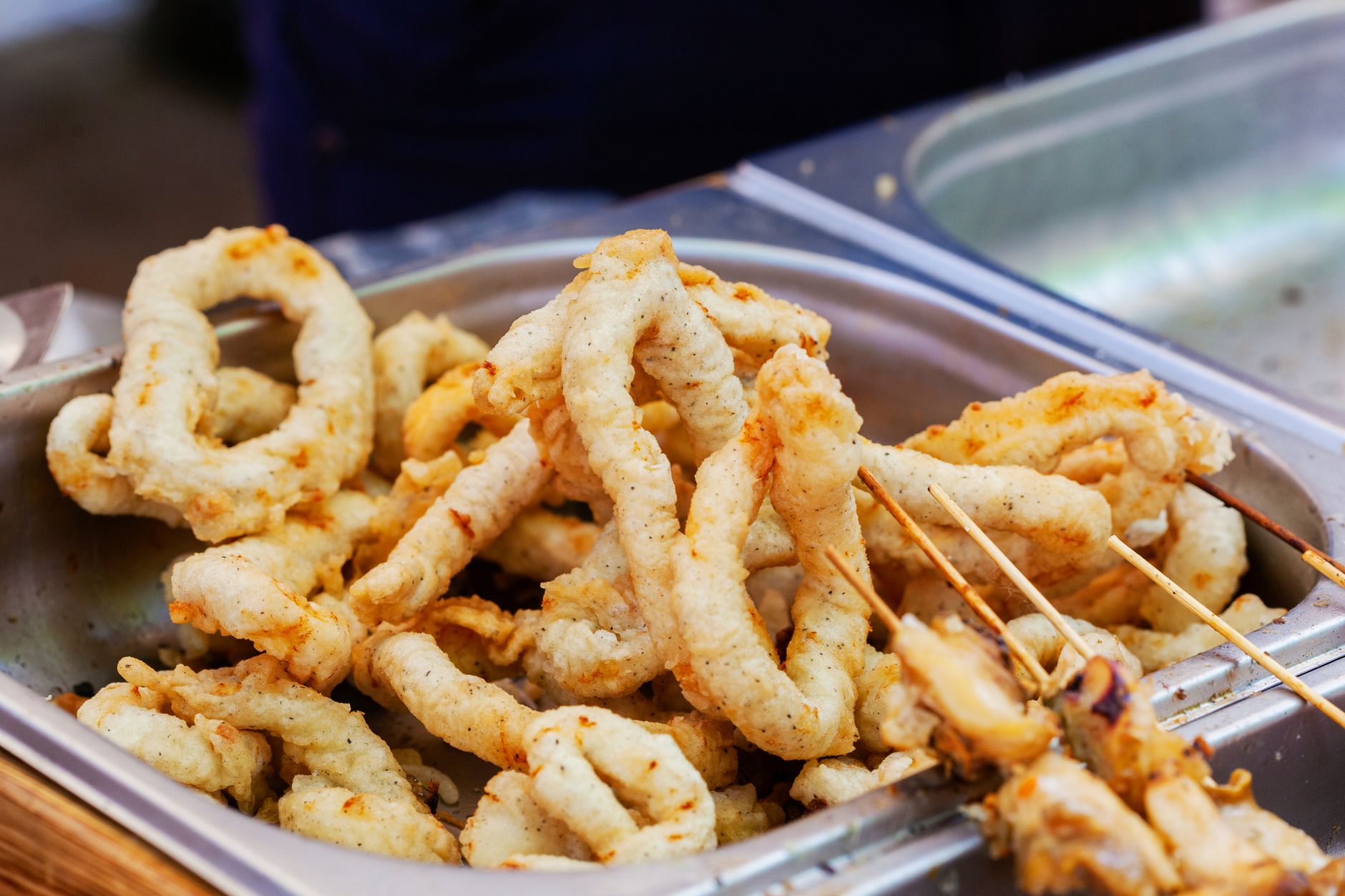
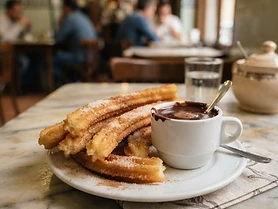
The produce of Aranjuez centers on the seasonal vegetables grown in the heavy soil of the river valley. Asparagus and strawberries are the traditional staples, often eaten fresh or prepared in simple preparations that highlight their flavor. Nearby, in the province of Madrid, dishes like cocido madrileño rely on chickpeas, chorizo, morcilla, and slow-cooked pork belly. Gambas al ajillo, shrimp sautéed in oil with garlic and dried chili, is a standard dish found in the wider region. Anise-flavored spirits from the nearby town of Chinchón provide the traditional finish to a meal.
Madrid: the whole region
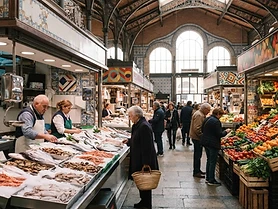
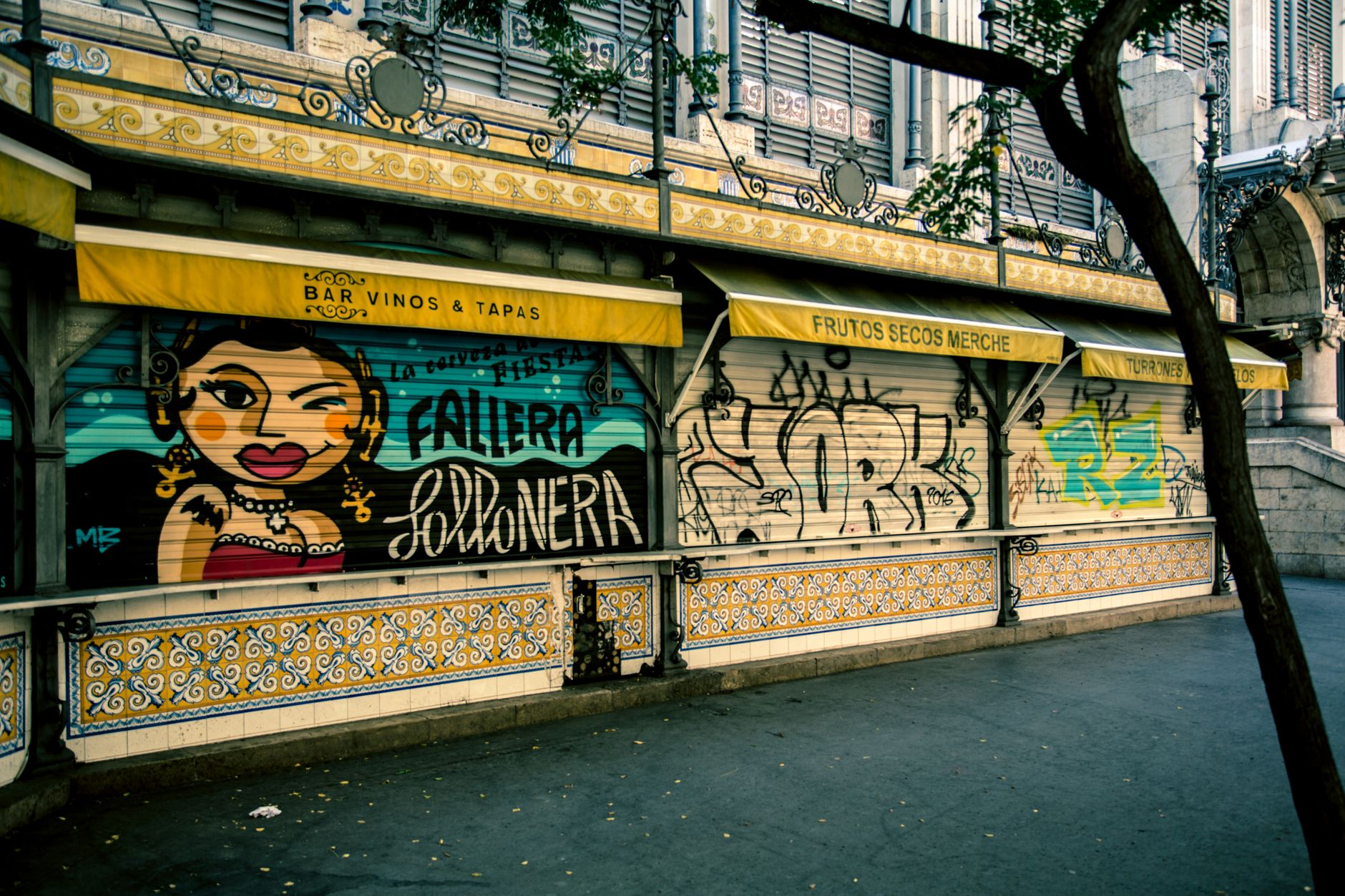
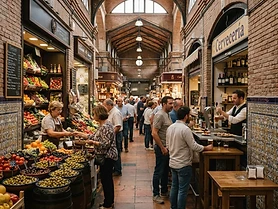
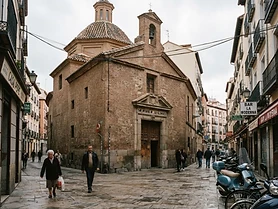
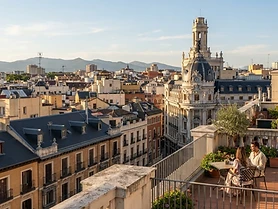
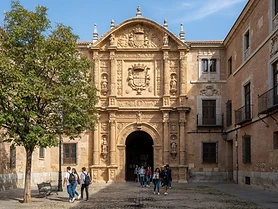
Madrid is a province with one great city in it, and that city is worth three or four days on its own: three major museums within a few hundred metres of each other, a working market culture, a nightlife that starts late and does not stop,…
Minimum 3 days · better 5-6 days · deep 8-10 days

In Madrid










In Madrid














Logistics are verified only. We don't publish schedules we haven't confirmed.
Ready to build Palacio Real de Aranjuez into a trip?
You've found a place worth going. When you're ready to turn discovery into an itinerary, Travel Itinerary Co picks up where the Field Guide leaves off — with your saved places already in hand.
Build this into a tripContinues on Travel Itinerary Co
Spain Field Guide may earn a commission when you book through selected links. Recommendations are editorial and independent of commission.