Museo del Prado

The Prado alone justifies Madrid for art travelers. Pair with Reina Sofía (Guernica) across the city. Buy a skip-the-line ticket.
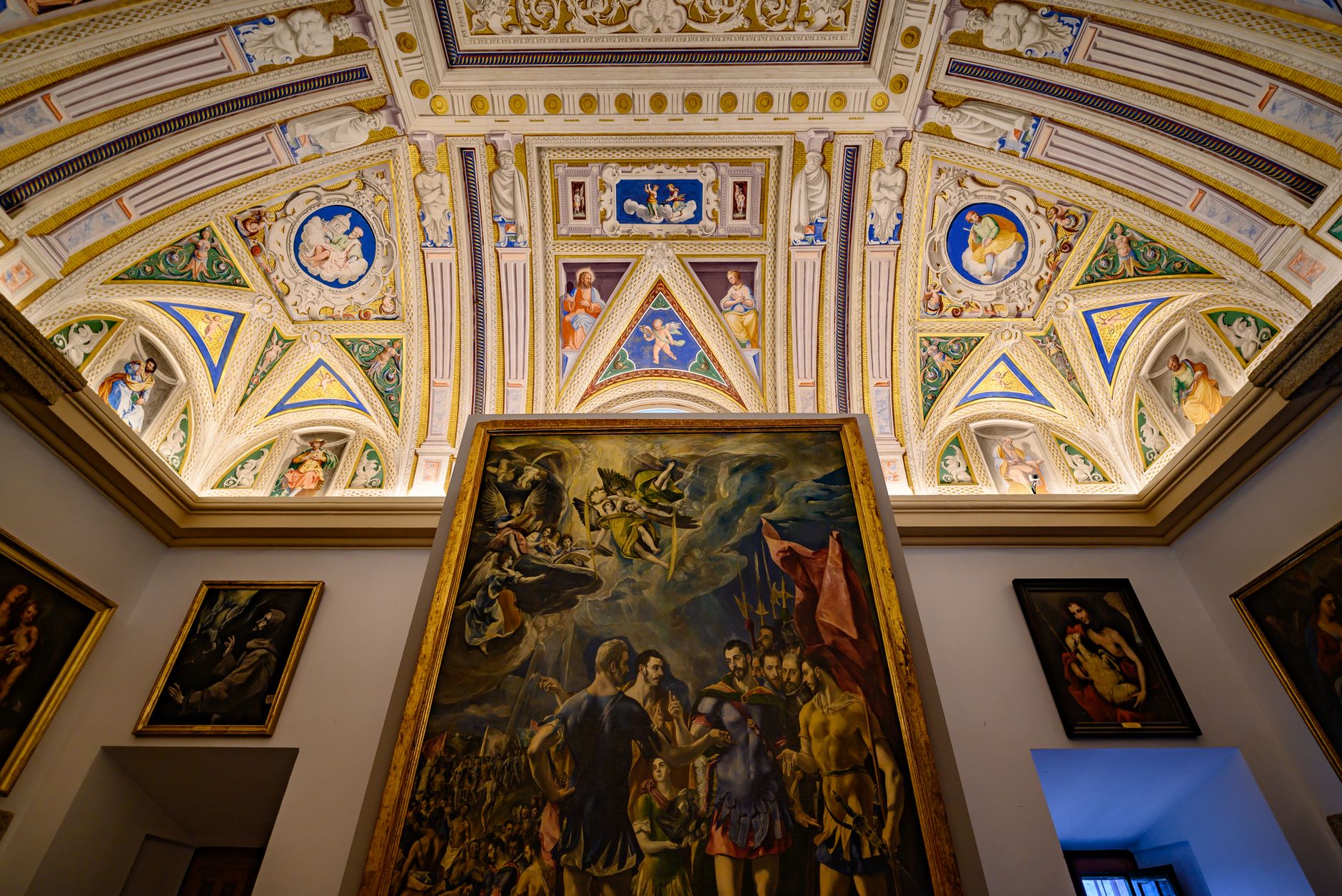
One of the world's great art museums — Velázquez, Goya, El Greco, and Bosch in depth. The best single collection of Spanish painting anywhere.
At a Glance
- — European painting isn't your thing
This grand neoclassical hall guards the soul of Spanish painting, housing Velázquez’s complex light and Goya’s haunting late-period shadows. Wandering the quiet, echoing galleries beneath the high ceilings offers an intimate encounter with Bosch’s surreal visions and El Greco’s elongated saints. It is a place for slow, deliberate observation, far removed from the frantic pace of the streets outside, demanding a full day to process the sheer density of genius spanning centuries of royal collection and historical upheaval.
How it got here
Charles III commissioned Juan de Villanueva to design this building in 1785 to house the Natural History Cabinet. Napoleonic troops later occupied the site for military purposes, which caused extensive damage to the structure and the collections. Ferdinand VII authorized the building to hold the Royal Painting and Sculpture collection, and it opened to the public in 1819. The layout follows the traditions of the Spanish monarchy, pulling together art from the various royal sites into one central gallery. This concentration of work provides a clear record of the tastes held by the Habsburg and Bourbon dynasties throughout centuries of patronage.
Where it sits
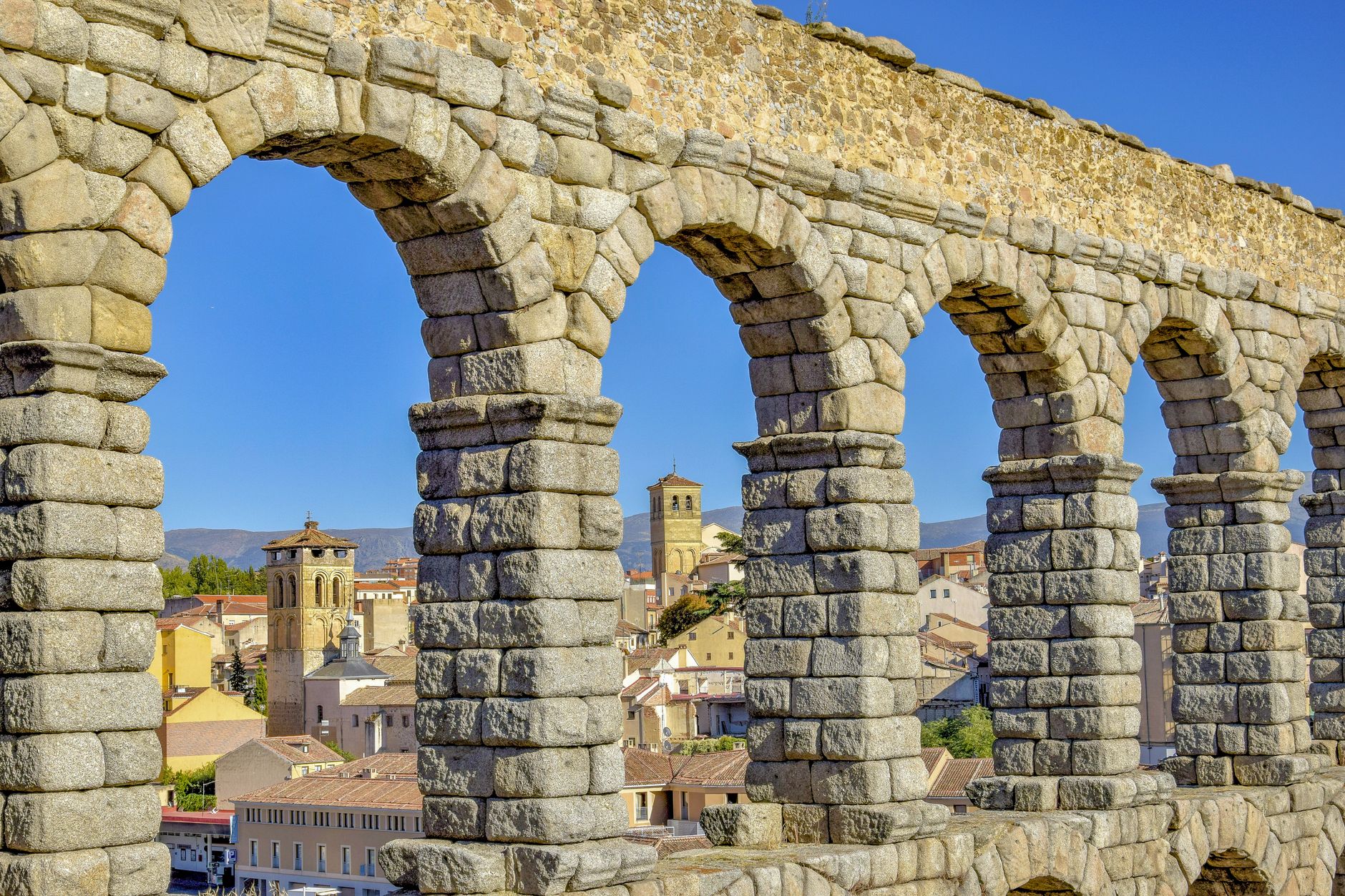
The building sits at the edge of the Paseo del Prado, a wide tree-lined boulevard that links the Atocha railway station to the Plaza de Cibeles. This part of Madrid retains the planned layout of the eighteenth century with wide sidewalks and stone fountains. Summer heat radiates from the pavement while winter brings a sharp chill from the nearby Sierra de Guadarrama. The surrounding neighborhood consists of high-density apartment blocks, government offices, and smaller museums. Pedestrian traffic remains constant throughout the year as commuters and travelers move between the dense city center and the expansive greenery of the Retiro park nearby.
What to eat and drink
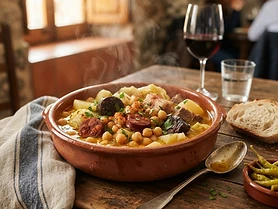
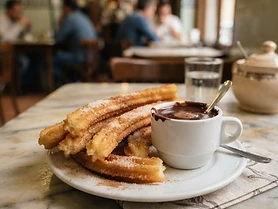
Madrid cooking relies on the legacy of the surrounding Castilian plains. Cocido madrileño is the standard midday meal, a slow-cooked chickpea stew served in stages with broth, noodles, meat, and vegetables. Boquerones en vinagre, fresh anchovies cured in vinegar and garlic, provide a sharp contrast to the heavier braised dishes. The city drinks vermut de grifo, a fortified wine from the tap served with ice and an orange slice. Thick mugs of chocolate served with churros, fried dough pastries dusted in sugar, act as the traditional breakfast or mid-afternoon restorative during the colder months of the year.
Madrid: the whole region
Madrid is a province with one great city in it, and that city is worth three or four days on its own: three major museums within a few hundred metres of each other, a working market culture, a nightlife that starts late and does not stop,…
Minimum 3 days · better 5-6 days · deep 8-10 days
What's Nearby


Pair It With


In Madrid








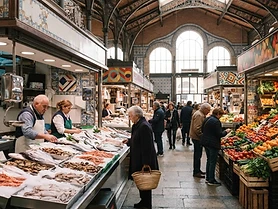
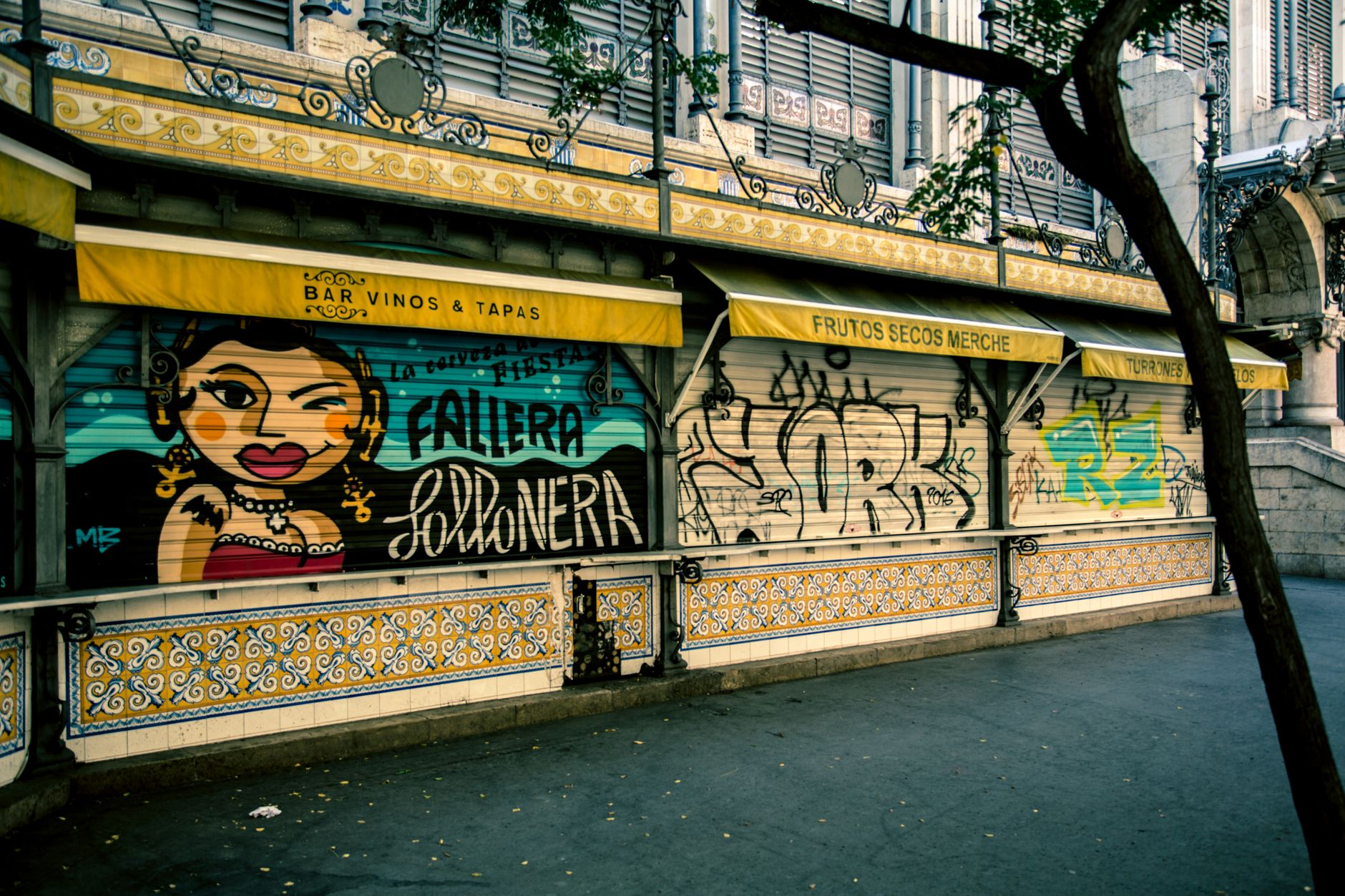

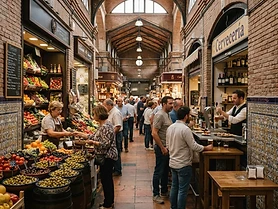

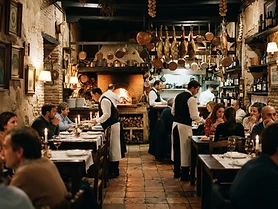
In Madrid











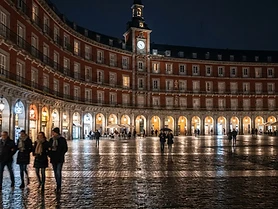

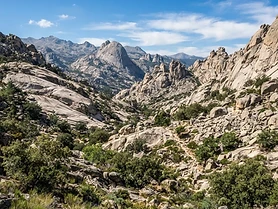

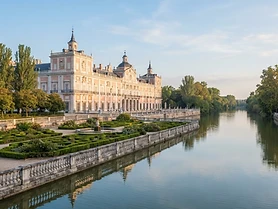
Linked from elsewhere
Entries that name this place in their own nearby lists.


Logistics are verified only. We don't publish schedules we haven't confirmed.
Experiences worth booking ahead
Spain Field Guide may earn a commission when you book through selected links. Recommendations are editorial and independent of commission.
Ready to build Museo del Prado into a trip?
You've found a place worth going. When you're ready to turn discovery into an itinerary, Travel Itinerary Co picks up where the Field Guide leaves off — with your saved places already in hand.
Build this into a tripContinues on Travel Itinerary Co
Spain Field Guide may earn a commission when you book through selected links. Recommendations are editorial and independent of commission.