Iglesia de San Antonio de los Alemanes
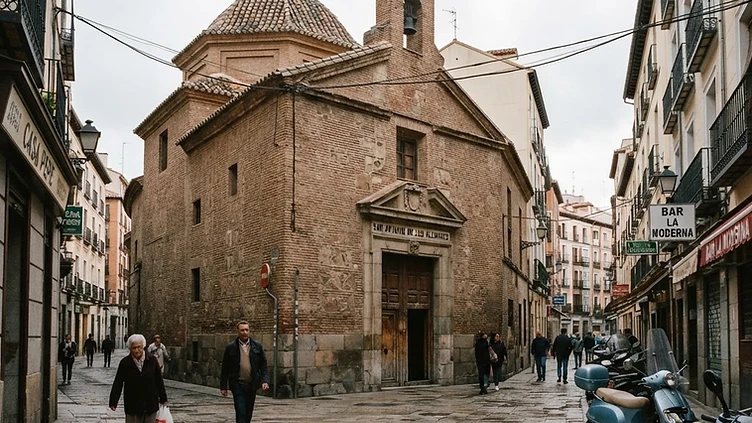
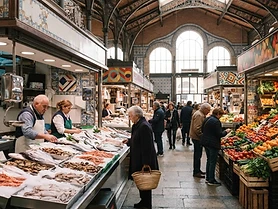
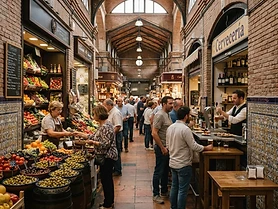
Fifteen minutes of the best Baroque interior in Madrid, and you will likely have it to yourself: a round room painted end to end by Luca Giordano. Weekday mornings are quietest, and it is ten minutes from Casa Labra and the Mercado de San Miguel.
A round 17th-century church on a side street off Gran Vía whose dome, walls and ceiling were covered by Luca Giordano — Madrid's most complete Baroque interior, and one of its emptiest.
At a Glance
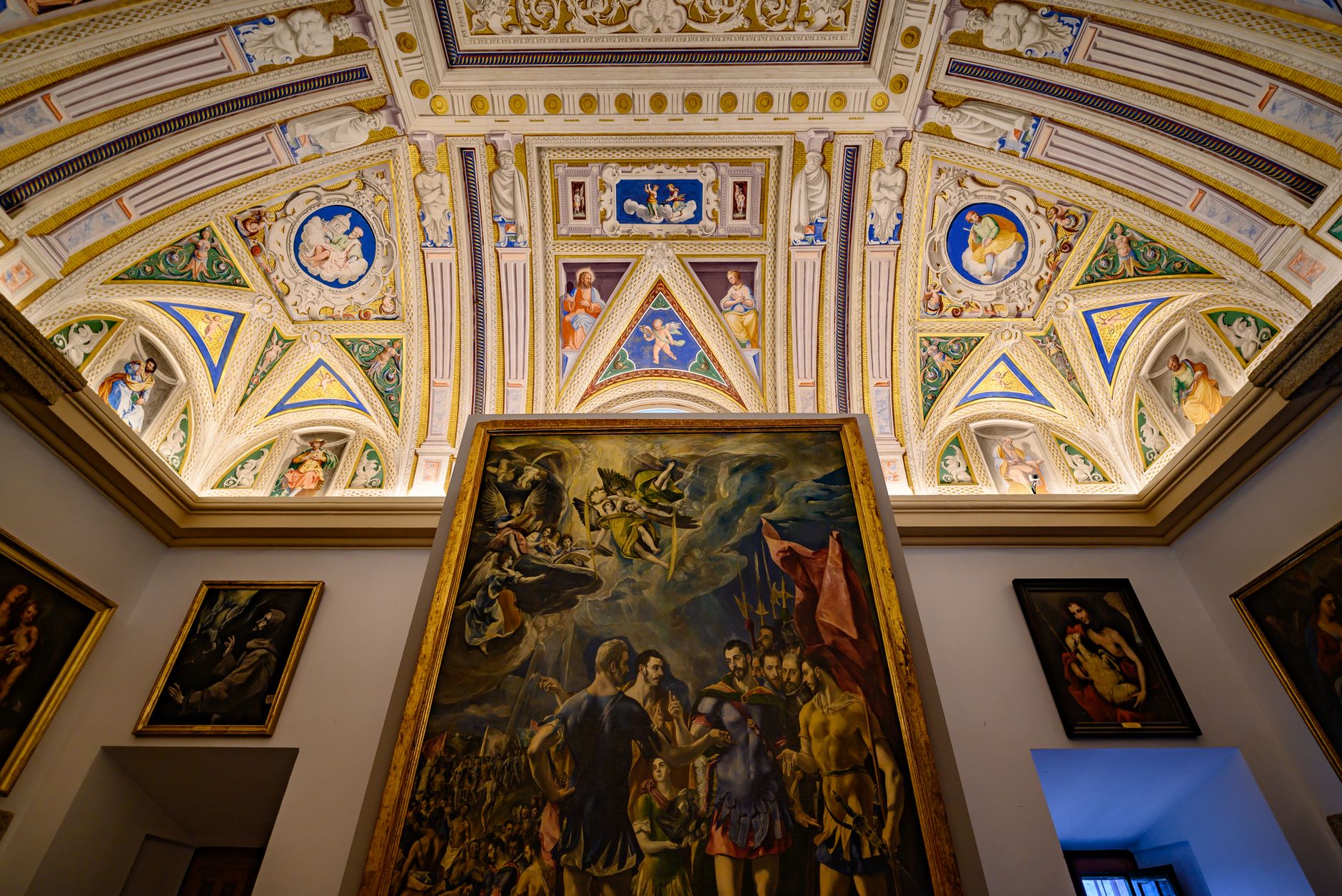
The circular interior of San Antonio de los Alemanes is covered end to end in frescoes by Luca Giordano, a 17th-century cycle that leaves no wall bare. Light falls from the dome and catches the gold-flecked paint. It is a disorienting room: the only sensible response is to stand still and look up.
How it got here
Philip III founded the hospital in the early 17th century to support Portuguese migrants arriving in Madrid. The church took its present form under the patronage of Mariana of Austria, who provided for the German community living in the capital. Luca Giordano applied the fresco cycle in the 1690s. The walls depict the lives of saints and the lineage of the Spanish monarchy. The building survived successive centuries of shifting urban planning and social reform. The baroque interior stands as an early statement of the Habsburg aesthetic of total integration of paint and architecture, preserving the original spirit of the royal foundation.
Where it sits
The church sits on a corner in the Malasaña district, surrounded by narrow streets that maintain the dense layout of the old city center. Modern Madrid traffic flows nearby, yet the interior provides a silence that isolates the observer from the activity outside. Stone facades of mid-rise apartment blocks enclose the street front, leaving the structure modest from the exterior. Summer heat settles into the surrounding paving stones, while winter air chills the unheated marble floors. Sunlight reaches the upper dome through small windows, changing the intensity of the colors on the walls as the day passes.
What to eat and drink
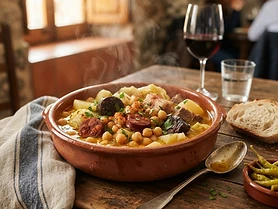
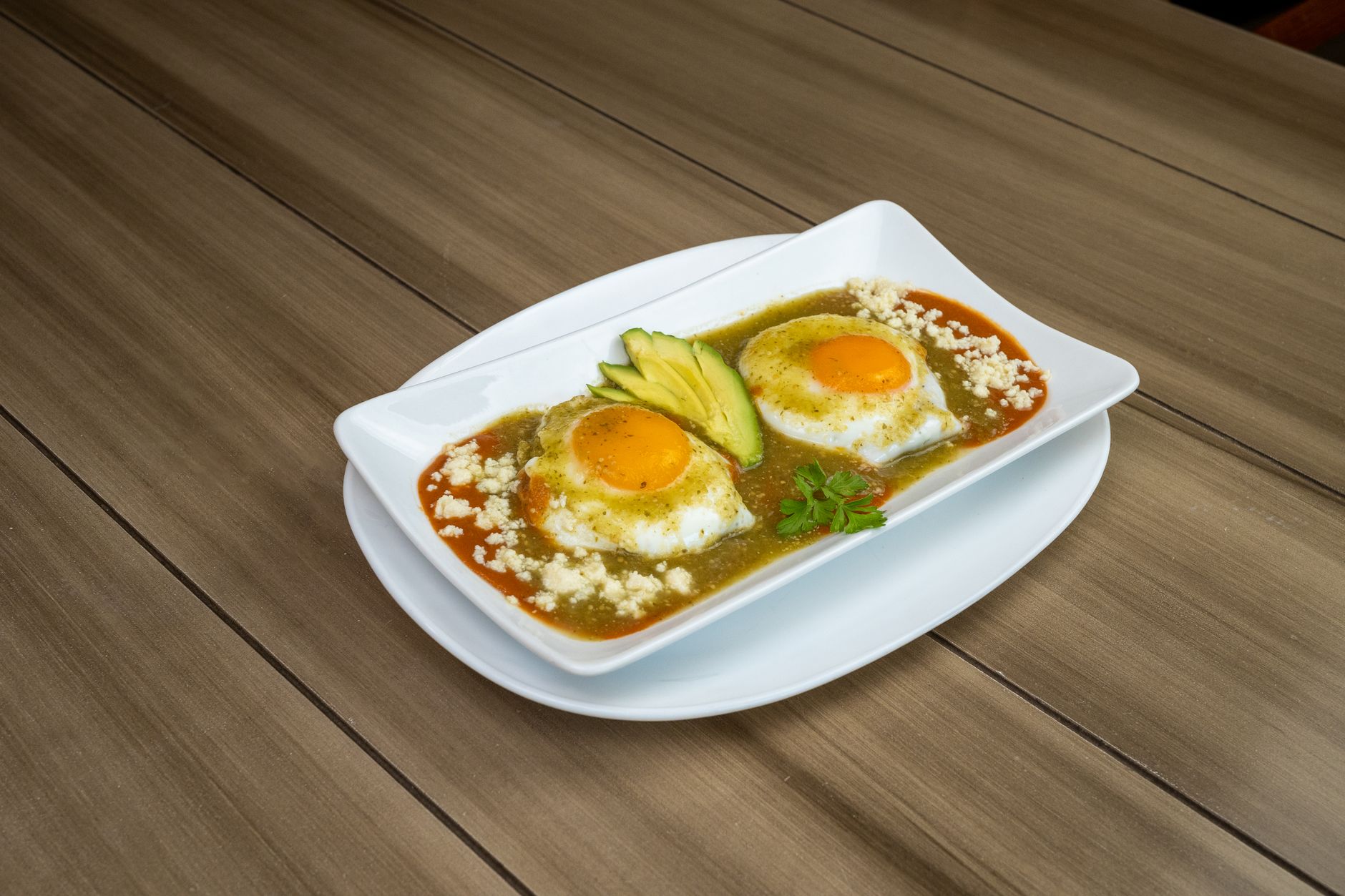
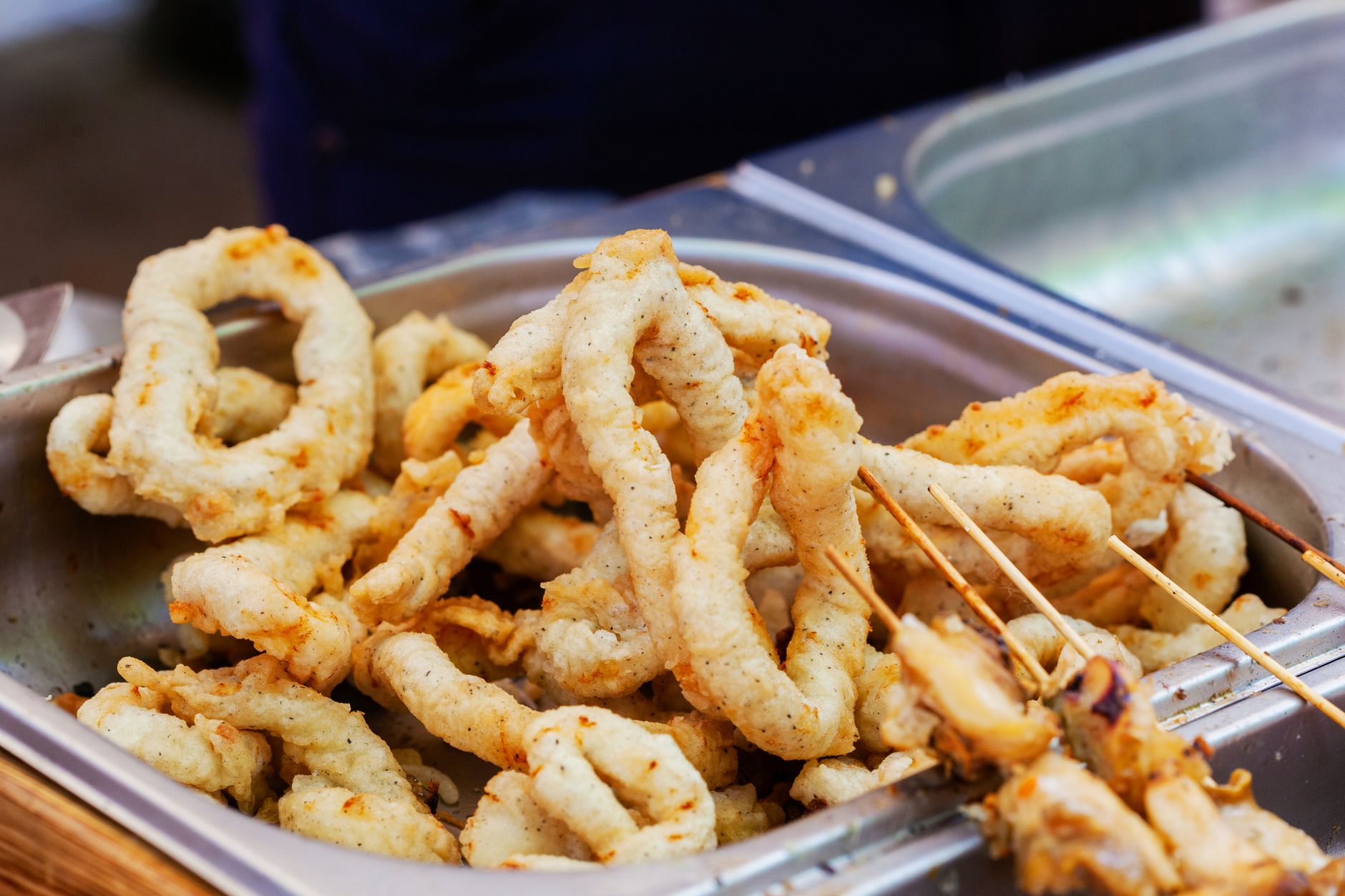
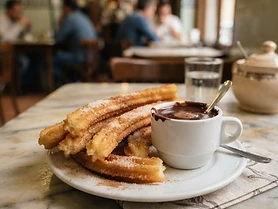
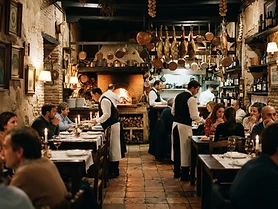
Madrid cooking relies on the classic staples of the Castilian plateau. Cocido madrileño is the standard midday meal, a slow-cooked stew of chickpeas, chorizo, morcilla, and pork belly served in sequence. Callos a la madrileña, tripe braised with spicy sausage and paprika, provides the heavy sustenance common in the city taverns. For a lighter bite, churros dipped in dense, hot chocolate remain the standard breakfast. Vermú de grifo, herbal vermouth drawn from a tap and served with a slice of orange and a few olives, accompanies the afternoon ritual of the aperitivo before the main meal.
Madrid: the whole region
Madrid is a province with one great city in it, and that city is worth three or four days on its own: three major museums within a few hundred metres of each other, a working market culture, a nightlife that starts late and does not stop,…
Minimum 3 days · better 5-6 days · deep 8-10 days
What's Nearby


In Madrid









In Madrid














Logistics are verified only. We don't publish schedules we haven't confirmed.
Experiences worth booking ahead
Spain Field Guide may earn a commission when you book through selected links. Recommendations are editorial and independent of commission.
Ready to build Iglesia de San Antonio de los Alemanes into a trip?
You've found a place worth going. When you're ready to turn discovery into an itinerary, Travel Itinerary Co picks up where the Field Guide leaves off — with your saved places already in hand.
Build this into a tripContinues on Travel Itinerary Co
Spain Field Guide may earn a commission when you book through selected links. Recommendations are editorial and independent of commission.