Plaza Mayor de Madrid

Worth walking through, not worth building your day around — a handsome square that's mostly tourist restaurants now.
The arcaded 17th-century square is a good orientation point in central Madrid and has genuine history as a site of markets, bullfights, and inquisition trials.
At a Glance
- — avoiding tourist-priced dining
- — seeking authentic local dining
- — expecting a quiet space
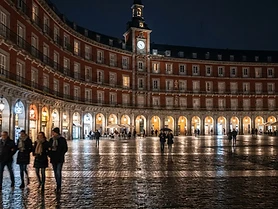
Arcaded walkways wrap around this grand 17th-century square, which once served as the stage for royal inquisitions and raucous public markets. Today, the space functions primarily as a transit point for locals and a dining spot for visitors among the outdoor cafe tables. It remains a handsome piece of urban design, though the historic pulse has largely been replaced by the quiet hum of tourism.
How it got here
Philip II moved the court to Madrid in 1561 and the square grew from a peripheral market to a royal stage. Architects Juan de Herrera and Juan Gómez de Mora finalized the design in 1619. Fires decimated the structure in the eighteenth century which led Juan de Villanueva to enclose the perimeter with four-story buildings and nine entry arches. The plaza hosted autos de fe during the Inquisition and bullfights for the Habsburg monarchs. These state spectacles demanded a rigid, enclosed architecture that forced the public into a singular, controlled perspective under the watchful eyes of the crown.
Where it sits
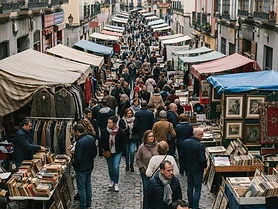
Madrid sits on a high, dry plateau at the center of the Iberian Peninsula. The city expands across a landscape of limestone and gypsum soil that offers little shelter from the biting winds of the Guadarrama mountains in winter or the intense heat of July. Stone and clay define the surrounding terrain. Walking into the center involves navigating narrow streets that suddenly open into this vast, paved rectangle. Crowds occupy the space during daylight hours, but the early morning stillness reveals the geometric precision of the grey slate roofs and the weathered, ochre-painted facades.
What to eat and drink
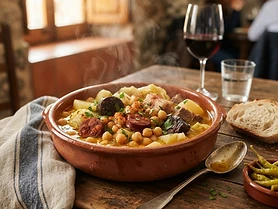
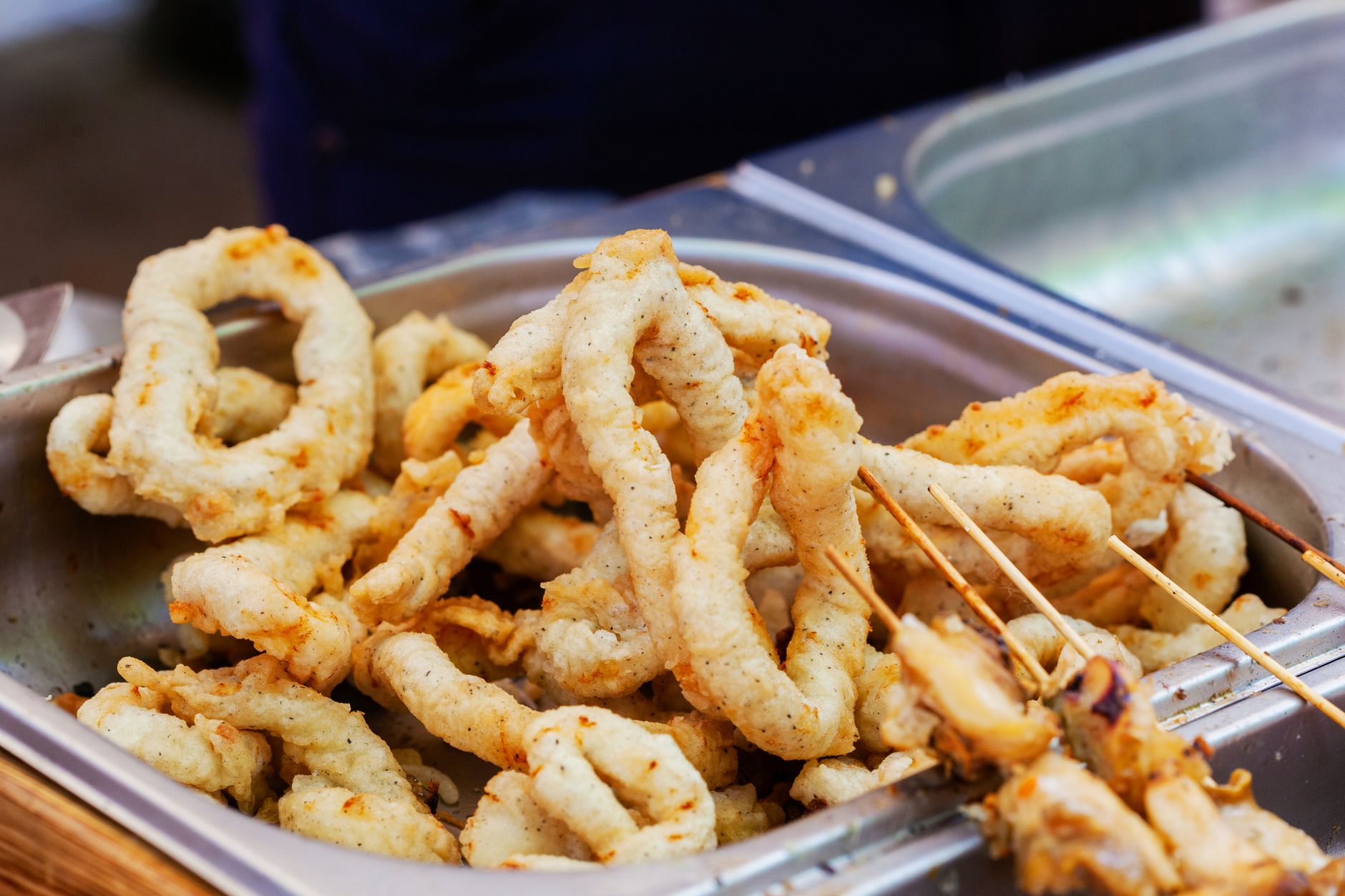
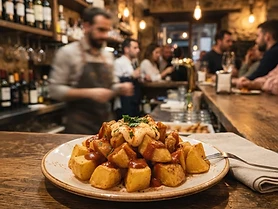
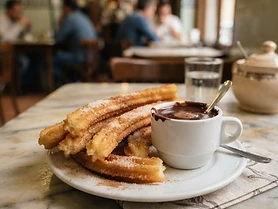
Bocadillo de calamares defines the local meal, consisting of battered squid rings stuffed into a crusty roll. The kitchen of the province relies on cocido madrileño, a chickpea-based stew cooked in three stages with vegetables, various cuts of pork, and beef. Vermut de grifo, a fortified wine drawn from a tap, acts as the standard midday aperitif. For dessert, churros dipped in dense, dark hot chocolate provide the traditional conclusion. These foods prioritize heavy, sustaining fats that counter the cold winters and long hours of labor required by the historical life of the city.
Madrid: the whole region
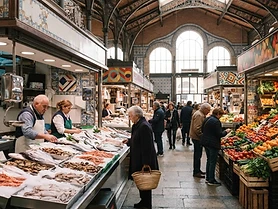
Madrid is a province with one great city in it, and that city is worth three or four days on its own: three major museums within a few hundred metres of each other, a working market culture, a nightlife that starts late and does not stop,…
Minimum 3 days · better 5-6 days · deep 8-10 days

Pair It With

In Madrid










In Madrid





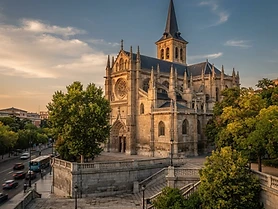


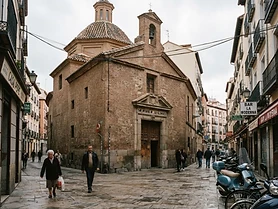

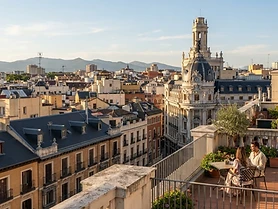







Linked from elsewhere
Entries that name this place in their own nearby lists.

Logistics are verified only. We don't publish schedules we haven't confirmed.
Experiences worth booking ahead
Spain Field Guide may earn a commission when you book through selected links. Recommendations are editorial and independent of commission.
Ready to build Plaza Mayor de Madrid into a trip?
You've found a place worth going. When you're ready to turn discovery into an itinerary, Travel Itinerary Co picks up where the Field Guide leaves off — with your saved places already in hand.
Build this into a tripContinues on Travel Itinerary Co
Spain Field Guide may earn a commission when you book through selected links. Recommendations are editorial and independent of commission.