El Rastro
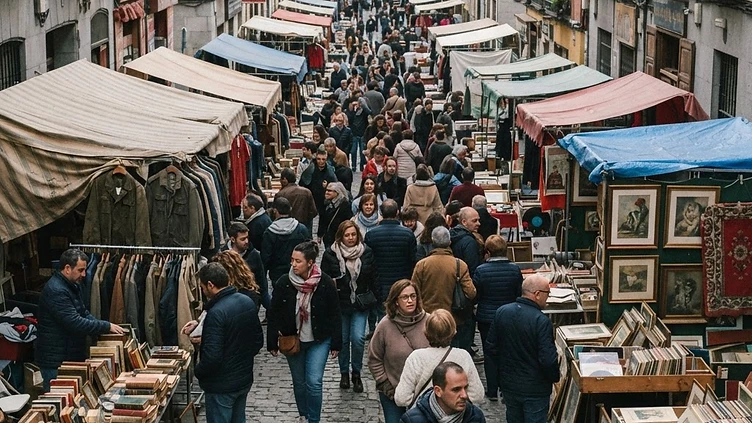
Go before eleven to browse and after twelve for the atmosphere. The genuine antiques are at the top of the hill near the Plaza de Cascorro; lower down the stalls thin out into cheap goods.
The best Sunday morning in Madrid, and the only place to buy a set of 1970s postcards you did not need.
At a Glance
- — Crowds bother you, or you dislike haggling
A weekly open-air market of books, frames, records, old tools, clothes and things nobody can identify, running down the Ribera de Curtidores through La Latina every Sunday morning. It is half antiques and half junk, which is the point, and the surrounding bars do a brisk trade in the middle of it.
How it got here
The name derives from the Rastro de la Caballería, the slaughterhouse that stood here until the early twentieth century. Hides and leather goods moved from the abattoir down the Ribera de Curtidores, establishing a trade route that evolved into the weekly commerce of secondhand goods. Street sellers organized themselves over the decades into the current arrangement of stalls that colonize the slope every Sunday. This lineage of informal trade traces back to the medieval tanners who worked along the edges of the city wall, as the layout of the streets dictates the flow of the modern market.
Where it sits
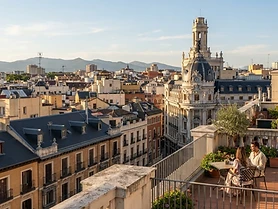
The market spills down the steep southern slope of the historic center, dropping from the heights of Embajadores toward the river valley. The Ribera de Curtidores acts as the spine of the descent, flanked by dense blocks of six-story apartment buildings. In summer, the heat intensifies as the crowds compress into the narrow, winding alleys of the Lavapiés and La Latina districts. Winter brings biting winds from the Guadarrama mountains that funnel through the grid, though the mass of people usually shields the morning air from the worst of the cold.
What to eat and drink
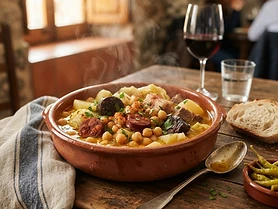
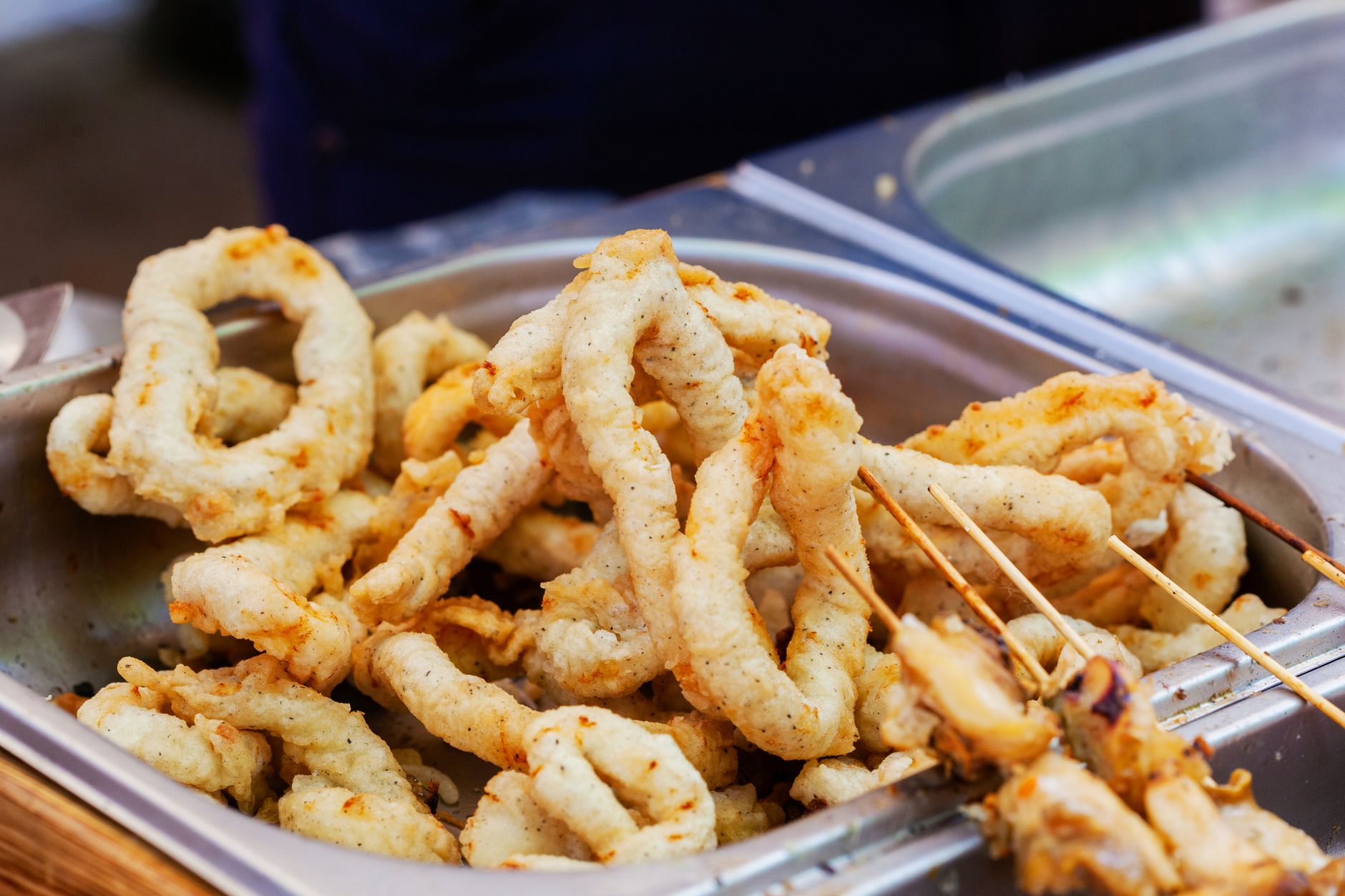
Calamares a la romana, squid rings battered and deep-fried, define the mid-morning snack for those navigating the stalls. The bars lining the surrounding streets serve vermut de grifo, a fortified wine drawn from a tap and seasoned with a citrus twist. One finds plates of callos a la madrileña, a thick stew of beef tripe, chickpeas, and morcilla sausage, simmered slowly to soften the textures. These offerings rely on the traditions of the Castilian table, which prioritizes hearty, warming fats to sustain the daily pace of city life in the high plateau.
Madrid: the whole region
Madrid is a province with one great city in it, and that city is worth three or four days on its own: three major museums within a few hundred metres of each other, a working market culture, a nightlife that starts late and does not stop,…
Minimum 3 days · better 5-6 days · deep 8-10 days

In Madrid









In Madrid















Logistics are verified only. We don't publish schedules we haven't confirmed.
Cooking classes and food tours worth booking ahead
- 100% Hands-on Cooking Class Paella Tapas Sangria in Madrid5.0 (1,459)4 hrsFrom €85
- Madrid Tapas & Taverns Small Group Food & History Tour4.9 (3,735)From €63
- Madrid: Paella Cooking Class with Bottomless Wine Pairing5.0 (1,095)2.5 hrsFrom €119
- Madrid Tapas & Wine Tasting Food Tour – Small Group Local Bars4.9 (5,507)3 hrsFrom €79
Spain Field Guide may earn a commission when you book through selected links. Recommendations are editorial and independent of commission.
Ready to build El Rastro into a trip?
You've found a place worth going. When you're ready to turn discovery into an itinerary, Travel Itinerary Co picks up where the Field Guide leaves off — with your saved places already in hand.
Build this into a tripContinues on Travel Itinerary Co
Spain Field Guide may earn a commission when you book through selected links. Recommendations are editorial and independent of commission.