Cabalgata de Reyes (Madrid)

A lovely, free, low-stress evening if you're in Madrid in early January. Bring a bag and stand on a corner.
To see how Spain actually does Christmas — the parade, the roscón, the gift-giving on the 6th, not the 25th.
At a Glance
- — You're not in Spain in early January
- — You're not into parades
The Cabalgata de Reyes Magos is the Three Kings parade held on the evening of 5 January in Madrid (and across Spain, but Madrid's and Barcelona's are the biggest). Elaborate floats carrying the Three Kings roll through the city center, throwing sweets to crowds of children, who line the streets with bags and ladders. The next morning, 6 January (Día de Reyes), is the day Spaniards exchange gifts and eat the roscón de reyes (king's cake with a hidden figurine and bean). It's the climax of the Spanish Christmas season, not the 25th — and it's the most family-public of the winter festivals.
How it got here
Public celebrations of the Epiphany evolved from medieval church processions into the modern secular street theater seen today. While informal processions occurred throughout the nineteenth century, the city formalized the route and scale during the early twentieth century to anchor the domestic gift-giving traditions of 6 January. The event centers on the arrival of Melchior, Gaspar, and Balthasar, whose entry into the capital signals the close of the winter cycle. This tradition persists as a civic performance, marking the shift from religious observance toward the collective celebration of childhood and family that dominates the Madrid calendar during the first week of January.
Where it sits
Madrid occupies a high central plateau where the winter air stays thin and dry. During early January, the city experiences sharp temperature drops as dusk falls, yet the streets fill with people walking toward the center. The route moves through major thoroughfares, creating a crush of movement against the cold stone facades of the city. While the rest of the year sees the capital shift between intense heat and quiet industry, the night of 5 January turns the center into a singular, slow-moving mass under the winter dark.
What to eat and drink
The roscón de reyes defines the season, a leavened ring of brioche dough scented with orange flower water and topped with candied fruits and flaked almonds. Custom dictates a bean and a ceramic figurine hidden within the crumb, bringing either the duty to pay for the next cake or a year of luck to the recipient. Accompanied by thick, dark chocolate caliente, the cake anchors the morning of 6 January. Families finish their meals with these sweet portions while waiting to open gifts, continuing a practice that sustains the local pastry shops through the post-holiday cold.
Madrid: the whole region
Madrid is a province with one great city in it, and that city is worth three or four days on its own: three major museums within a few hundred metres of each other, a working market culture, a nightlife that starts late and does not stop,…
Minimum 3 days · better 5-6 days · deep 8-10 days

In Madrid





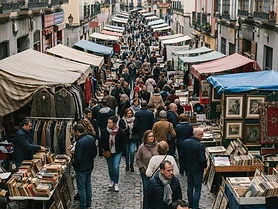

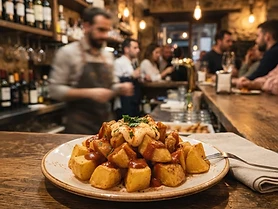

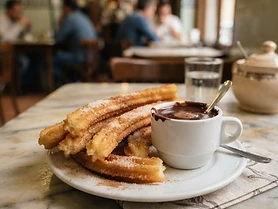

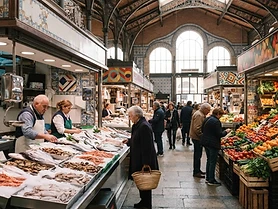


In Madrid
















Experiences worth booking ahead
Spain Field Guide may earn a commission when you book through selected links. Recommendations are editorial and independent of commission.
Ready to build Cabalgata de Reyes (Madrid) into a trip?
You've found a place worth going. When you're ready to turn discovery into an itinerary, Travel Itinerary Co picks up where the Field Guide leaves off — with your saved places already in hand.
Build this into a tripContinues on Travel Itinerary Co
Spain Field Guide may earn a commission when you book through selected links. Recommendations are editorial and independent of commission.