Tortilla Española
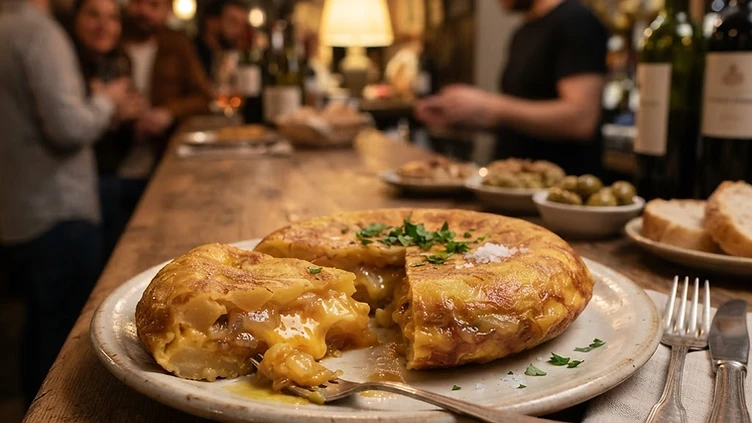
Judge a bar by its tortilla. The good ones are runny in the middle; the best (Casa Dani in Madrid, Juanito in Hondarribia) are worth the trip.
The Spanish omelette — potatoes, eggs, onion (or not, depending on which fight you pick), cooked slowly in olive oil. The national bar snack.
At a Glance
- — You don't eat eggs
The definitive version of this national staple relies on thick slices of potato slow-poached in high-quality olive oil until they are soft and golden. Whether or not to include onion remains the most heated debate in Spanish kitchens, but the true mark of quality is a center that stays slightly runny and creamy, contrasting with the firm, browned exterior. Served as a simple wedge at a neighborhood bar, it is the ultimate measure of a kitchen’s integrity and a staple of the daily Spanish diet.
How it got here
Potatoes arrived in Spain from the Americas in the sixteenth century and slowly integrated into the culinary life of Madrid as the city grew into a permanent capital. By the early nineteenth century accounts of a humble egg and potato preparation appeared in written records linking the dish to rural domestic kitchens during periods of scarcity. The transition from a peasant meal to a standard tavern dish tracked the migration of workers from the countryside into the city. Today the consistency of the omelette acts as a bridge between the traditional agricultural practices of the plateau and the modern requirements of a capital city kitchen.
Where it sits
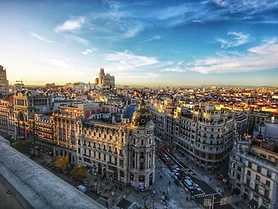
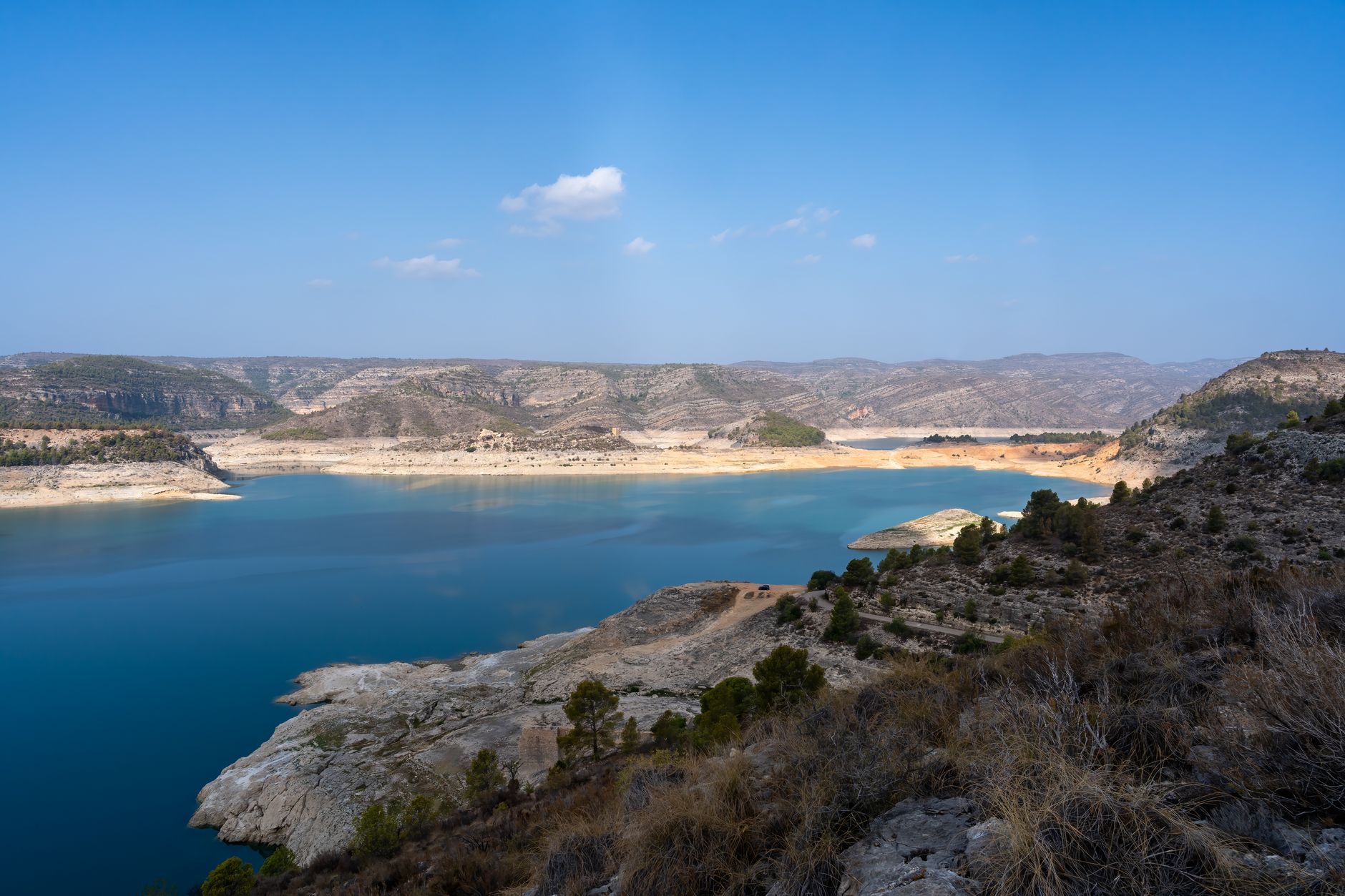
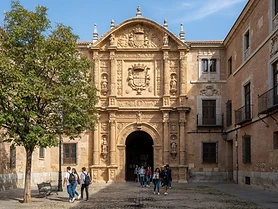
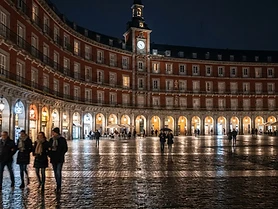
Madrid sits upon a high, dry plateau at the center of the Iberian Peninsula. The terrain consists of rolling plains broken by the Guadarrama mountains to the north and the Tagus river valley to the south. Hot, desiccated summers turn the grasslands into shades of straw and ochre while winters bring sharp frosts and biting winds from the sierra. Daily life revolves around the intense light and the slow pace of the afternoon sun. Travelers reach the capital through the radial train lines and highways that bisect the heart of Castile where human activity centers on dense, stone-built squares.
What to eat and drink
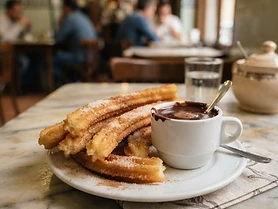
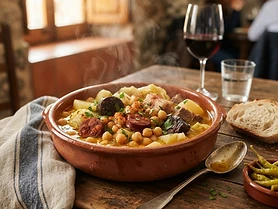
The culinary focus of the region centers on simple, hearth-based cooking. Callos a la madrileña, a dense stew of beef tripe and chickpeas, utilizes the long-simmering traditions of the local tavern. Cocido madrileño provides a heavy, multi-course meal beginning with broth and noodles followed by chickpeas and boiled meats. To drink, the local preference leans toward light, crisp vermouth drawn from the tap or a glass of dry, pale wine from the vineyards of the surrounding Castilian plains. The finish of the meal often includes anise-based spirits or churros dipped in thick, dark chocolate during the colder months.
Madrid: the whole region
Madrid is a province with one great city in it, and that city is worth three or four days on its own: three major museums within a few hundred metres of each other, a working market culture, a nightlife that starts late and does not stop,…
Minimum 3 days · better 5-6 days · deep 8-10 days
Pair It With



In Madrid








In Madrid

















Logistics are verified only. We don't publish schedules we haven't confirmed.
Appears In
Ready to build Tortilla Española into a trip?
You've found a place worth going. When you're ready to turn discovery into an itinerary, Travel Itinerary Co picks up where the Field Guide leaves off — with your saved places already in hand.
Build this into a tripContinues on Travel Itinerary Co
Spain Field Guide may earn a commission when you book through selected links. Recommendations are editorial and independent of commission.