Museo Sorolla
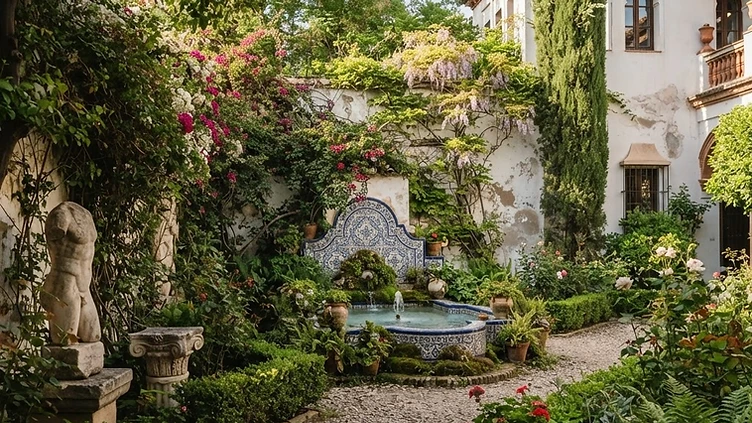
Recommended for anyone with a spare morning and enough of the big three. Go in the morning when the garden is quiet, and pair it with a walk through Chamberi or the Retiro.
The best small museum in Madrid, with a garden almost nobody expects to find.
At a Glance
- — You have three days and want the big collections
Sorolla's studio, house and garden, kept much as he left them: light-filled rooms hung with his own paintings of Spanish beaches and gardens, and one of the best small gardens in Madrid. It is the opposite of the Prado, intimate and quiet, and twenty minutes from end to end.
How it got here
Joaquín Sorolla built this house in 1910 to serve as both family residence and workspace. The architect Enrique María Repullés designed the structure, incorporating the painter’s desire for ample light and Andalusian-inspired garden aesthetics. Sorolla lived and worked here until his death in 1923. His widow, Clotilde García del Castillo, bequeathed the property and the collection of artworks to the Spanish state in 1925. The house opened as a museum in 1932, preserving the original studio and furnishings. It provides a rare look at the domestic environment of a major early twentieth-century artist working within the cultural climate of Madrid.
Where it sits
The house sits in the Chamberí district, a quiet residential sector of northern Madrid characterized by wide streets and turn-of-the-century architecture. It lacks the crowded density of the city center. During summer, the garden creates a cool microclimate, sheltering visitors from the intense heat of the Meseta. The surrounding neighborhood experiences quiet mornings and steady activity throughout the working week. Transit connections via the nearby metro lines provide access from the bustling plazas of the city core, yet the immediate streets around the house retain an atmosphere of deliberate calm even during the peak of the tourist season.
What to eat and drink
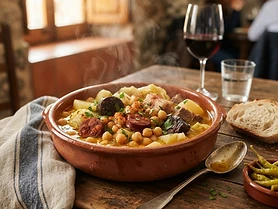
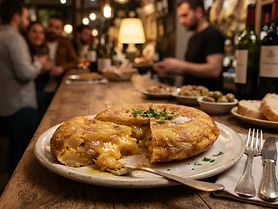
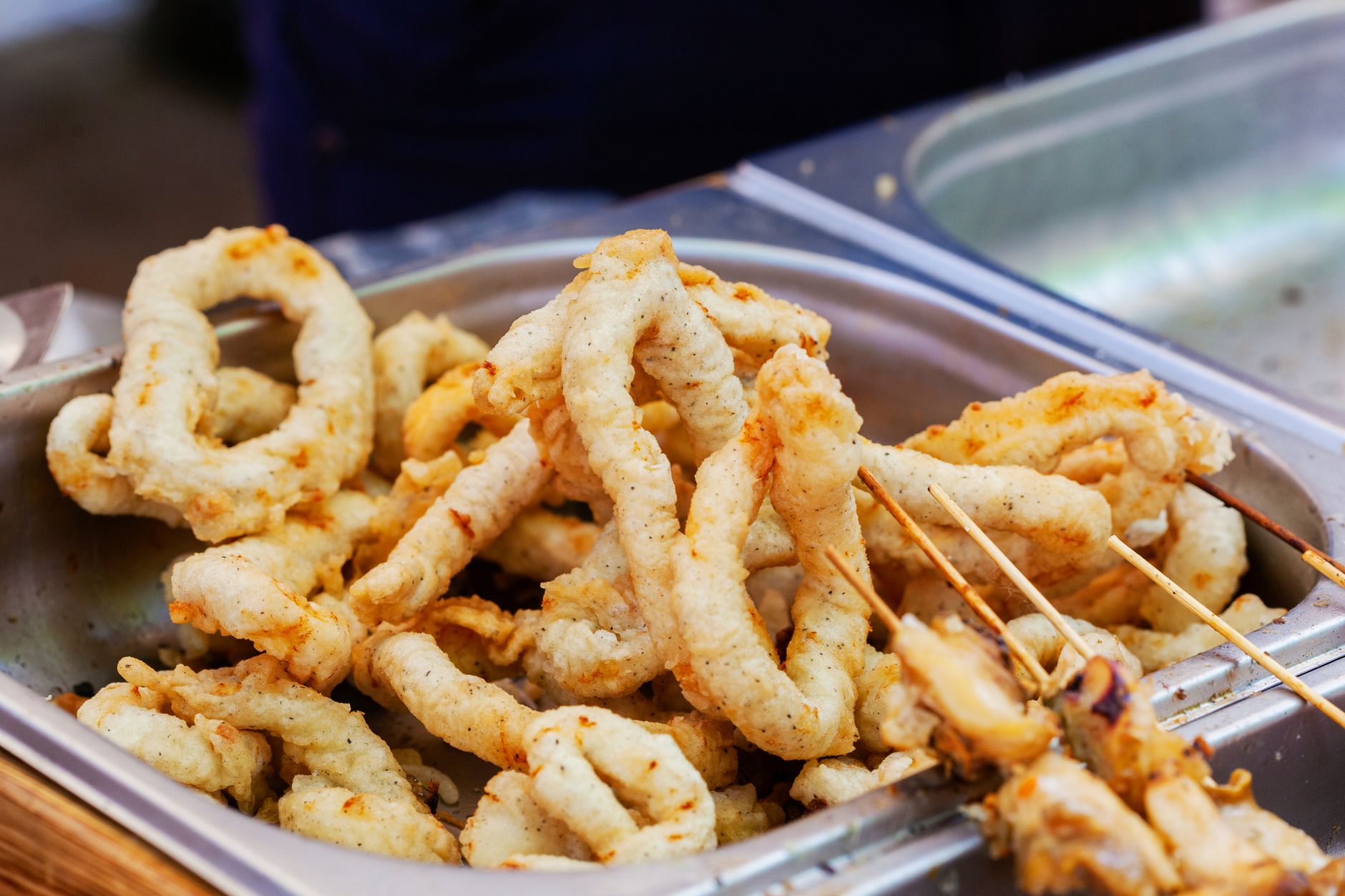
The culinary traditions of Madrid revolve around the hearty fare of central Spain. Callos a la madrileña, a slow-cooked stew of tripe, chickpeas, and morcilla, defines the local preference for robust textures. Cocido madrileño, the traditional three-course chickpea soup served with meats and vegetables, persists as the definitive meal of the province. For lighter fare, the local habit involves eating bocadillos de calamares, fried squid rings stuffed into a crusty roll, usually accompanied by a glass of cold vermut de grifo. These dishes rely on the simple, direct preparation methods long practiced in the kitchens of the capital.
Madrid: the whole region
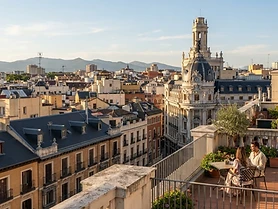
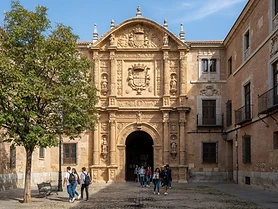
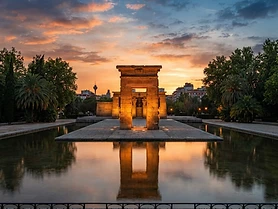
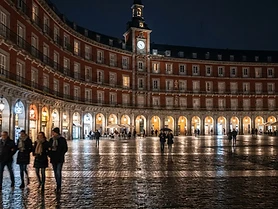
Madrid is a province with one great city in it, and that city is worth three or four days on its own: three major museums within a few hundred metres of each other, a working market culture, a nightlife that starts late and does not stop,…
Minimum 3 days · better 5-6 days · deep 8-10 days

In Madrid










In Madrid


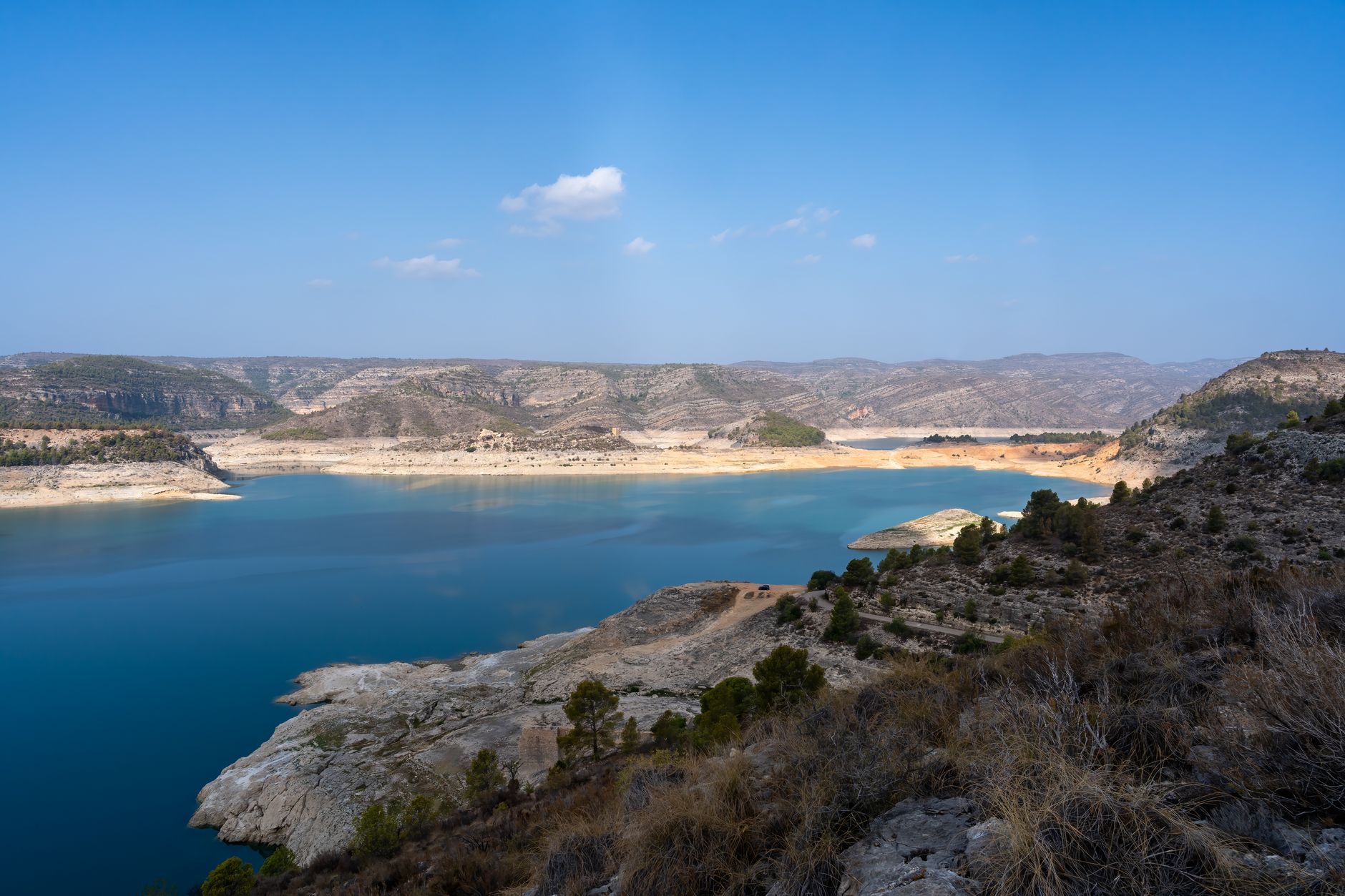


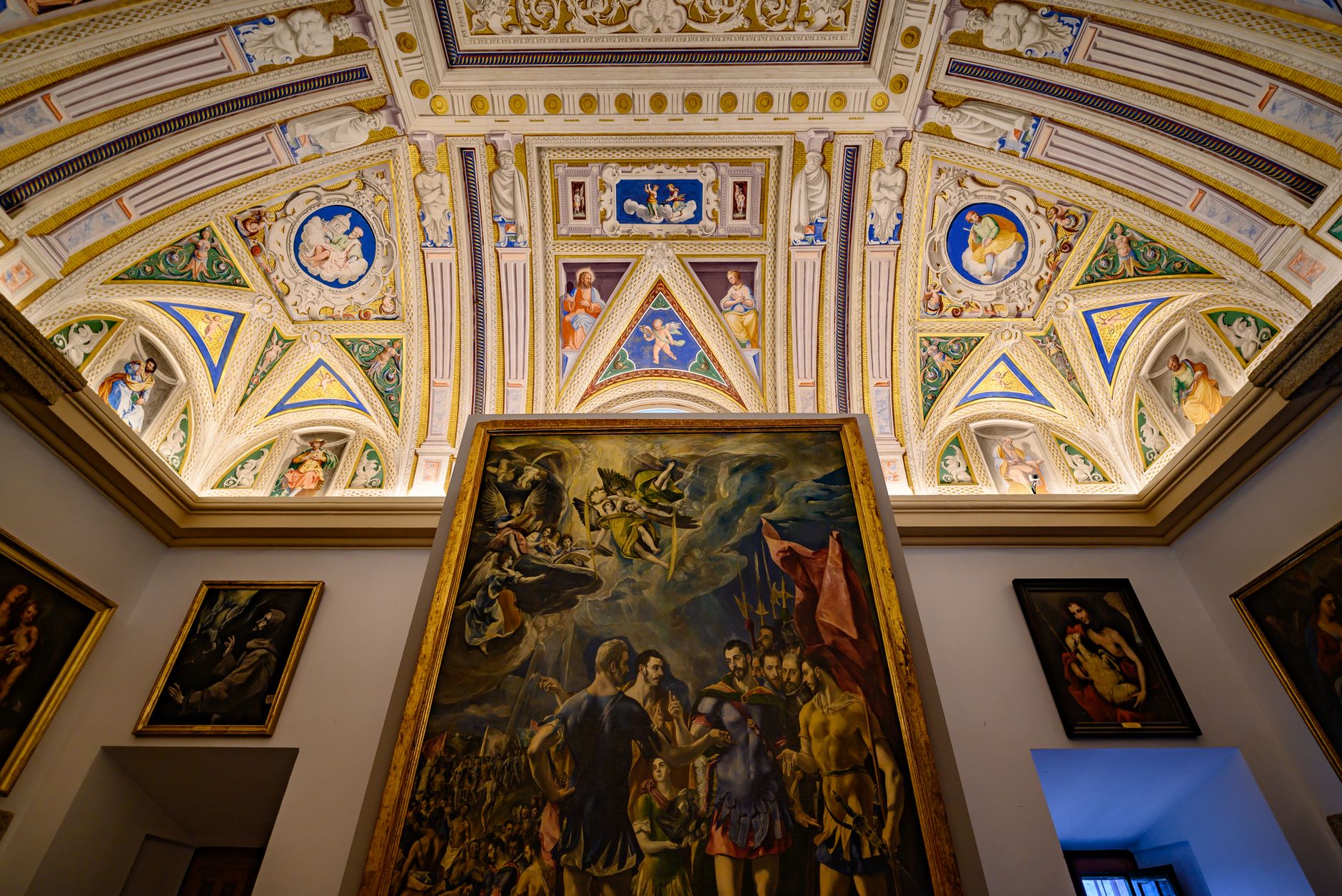










Logistics are verified only. We don't publish schedules we haven't confirmed.
Experiences worth booking ahead
Spain Field Guide may earn a commission when you book through selected links. Recommendations are editorial and independent of commission.
Ready to build Museo Sorolla into a trip?
You've found a place worth going. When you're ready to turn discovery into an itinerary, Travel Itinerary Co picks up where the Field Guide leaves off — with your saved places already in hand.
Build this into a tripContinues on Travel Itinerary Co
Spain Field Guide may earn a commission when you book through selected links. Recommendations are editorial and independent of commission.