Universidad de Alcalá
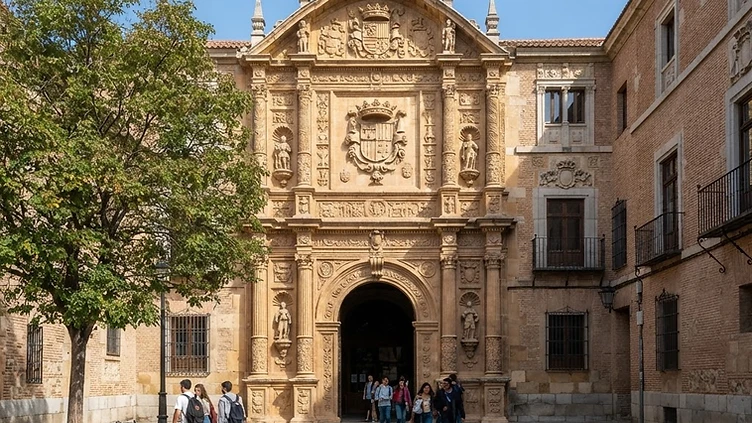
Essential if you are in Alcala at all, and it takes about an hour. Climb the tower if it is open, and see the facade in morning light, when the carving reads.
The finest Renaissance front in Spain, half an hour's walk from the station.
At a Glance
- — You are avoiding stairs and courtyards
The Colegio de San Ildefonso's plateresque facade, three storeys of carved stone, opens onto courtyards and a lecture hall in use since 1508. Alcala's university is a UNESCO site and the reason the city has a shape at all, and Cervantes' baptismal church is two streets away.
How it got here
Cardinal Cisneros founded the university in 1499 to consolidate the intellectual power of the Castilian church. The Colegio de San Ildefonso grew into the primary engine of the city after the papacy granted the institution the right to confer degrees. The stone plateresque facade took shape in the early sixteenth century as the prestige of the faculty grew. It maintained a central role in Spanish academic life until the mid nineteenth century when the institution moved to the capital. The university returned to these halls in 1977. This cycle of departure and return preserved the architectural integrity of the core structures against the pressures of industrial growth.
Where it sits
The city sits on a flat plain along the Henares river valley where the landscape transitions from the arid plateaus of central Castile toward the mountains of the north. Wide avenues and compact medieval streets divide the institutional core from the residential expansion of the modern province. Summer heat radiates from the stone pavements while the winter brings dry cold from the Guadarrama mountains. Commuter trains connect the city to the capital within forty minutes. Crowds fluctuate with the academic calendar and the schedule of local cultural festivals that draw visitors into the plazas during the temperate spring and autumn months.
What to eat and drink
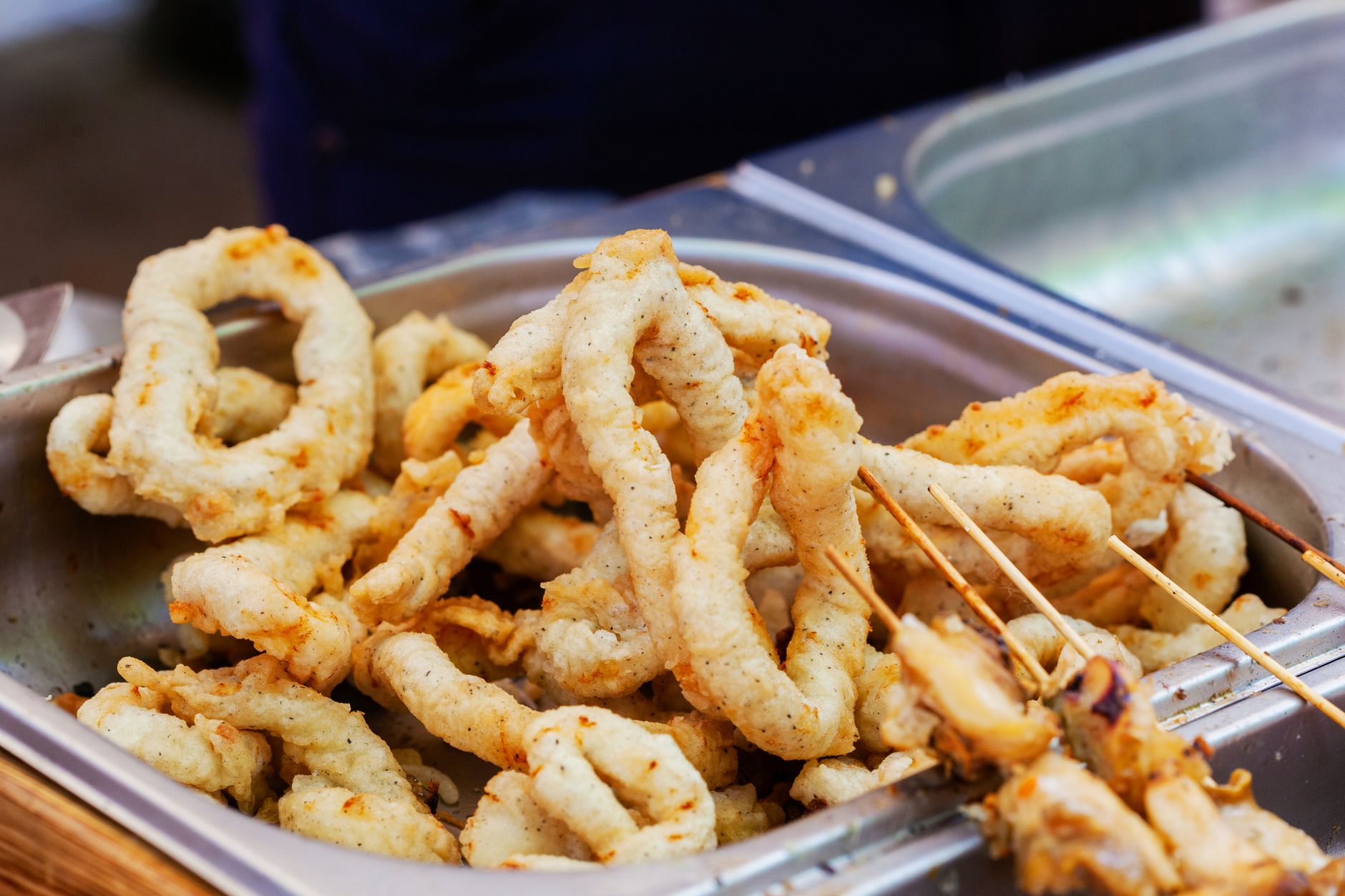
Castilian cuisine defines the table here, centering on the products of the surrounding wheat fields and livestock pastures. Rosquillas de Alcalá, ring-shaped pastries glazed with sugar, provide the traditional finish to a meal. Migas, pan-fried breadcrumbs cooked with garlic and chorizo, reflect the agrarian history of the region. Roast suckling lamb or pig remains the standard main course in taverns across the province. Diners pair these heavy dishes with strong red wines produced in the nearby vineyards of the Vinos de Madrid designation, which benefit from the varied soils of the basin and the significant temperature shifts between day and night.
Madrid: the whole region
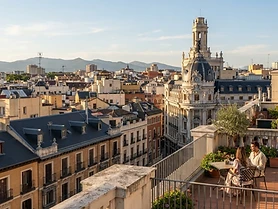
Madrid is a province with one great city in it, and that city is worth three or four days on its own: three major museums within a few hundred metres of each other, a working market culture, a nightlife that starts late and does not stop,…
Minimum 3 days · better 5-6 days · deep 8-10 days
In Madrid





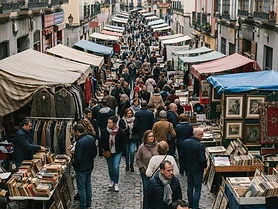

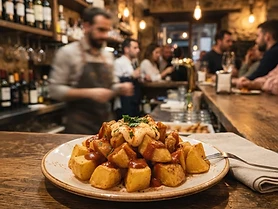

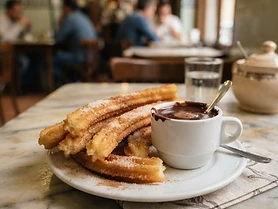

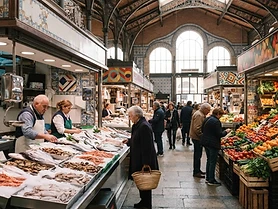
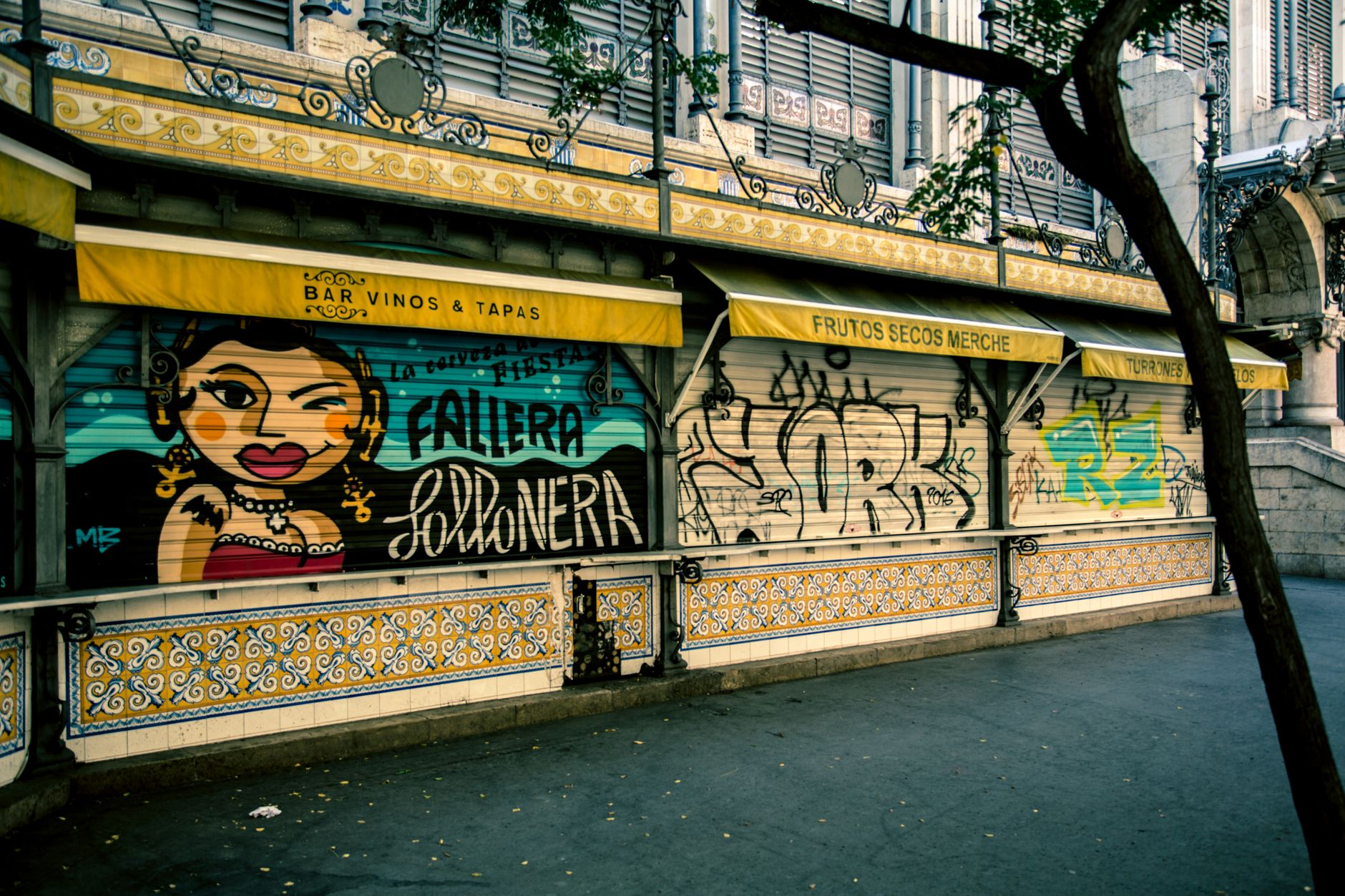

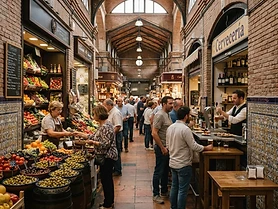

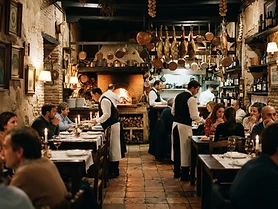
In Madrid














More cultural site in Madrid
Logistics are verified only. We don't publish schedules we haven't confirmed.
Experiences worth booking ahead
Spain Field Guide may earn a commission when you book through selected links. Recommendations are editorial and independent of commission.
Ready to build Universidad de Alcalá into a trip?
You've found a place worth going. When you're ready to turn discovery into an itinerary, Travel Itinerary Co picks up where the Field Guide leaves off — with your saved places already in hand.
Build this into a tripContinues on Travel Itinerary Co
Spain Field Guide may earn a commission when you book through selected links. Recommendations are editorial and independent of commission.