Thyssen-Bornemisza Museum
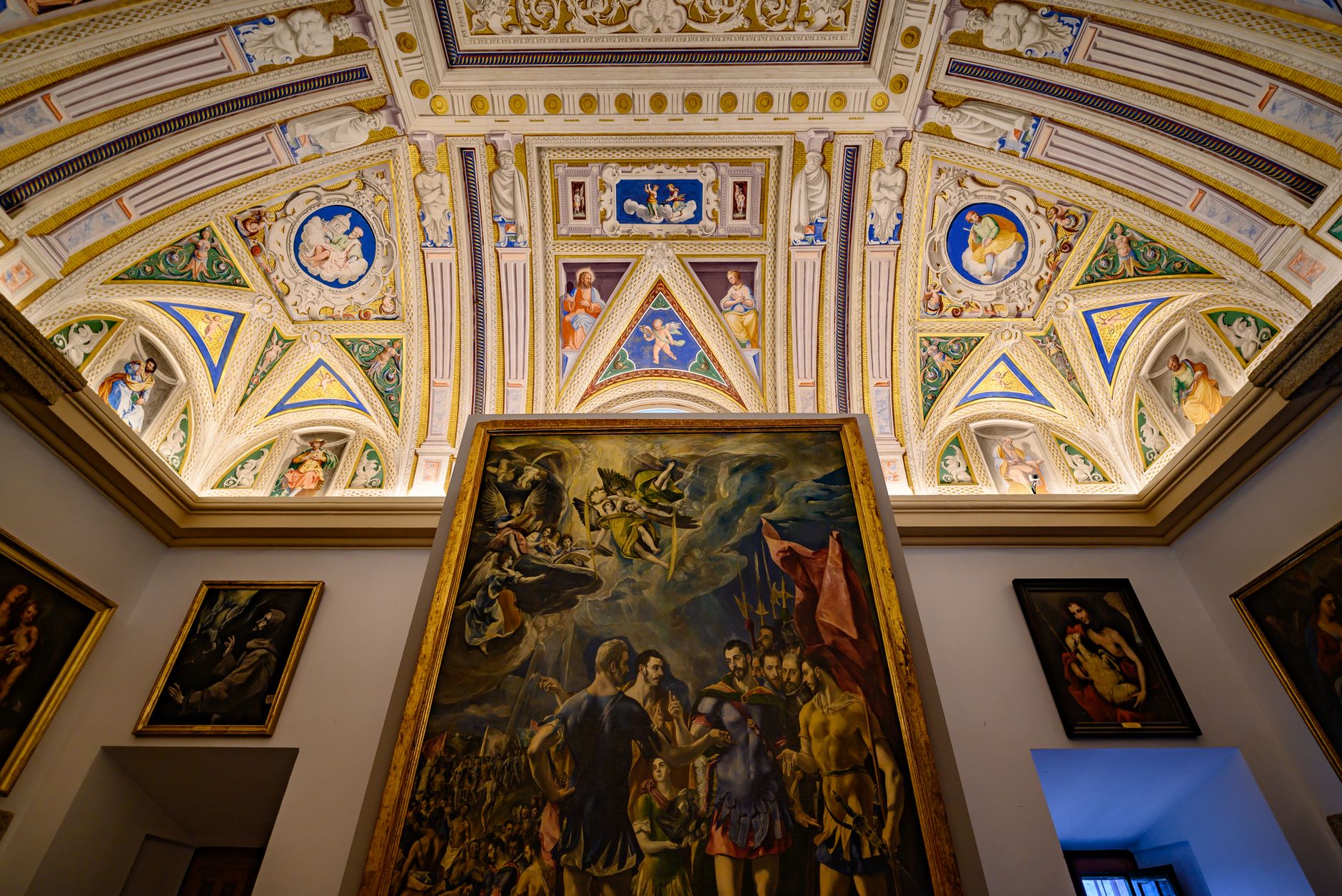
The most accessible of Madrid's big three. The Impressionist and early-Renaissance rooms are the highlights. Free on Mondays 3pm-close.
Madrid's third great museum — a private collection of 1,000 works across eight centuries, the bridge between the Prado (old masters) and Reina Sofía (modern).
At a Glance
- — You're doing Prado and Reina Sofía the same trip
Bridging the stylistic divide between the old masters of the Prado and the modern sensibilities of the Reina Sofía, this private collection tracks eight centuries of art in a manageable, intimate space. The Impressionist rooms and early-Renaissance galleries stand out as the museum's quiet triumphs. It provides a more accessible, relaxed experience than its larger peers, especially on Monday afternoons when the doors open to the public for free.
How it got here
The collection began as a private pursuit of the Thyssen-Bornemisza family before the Spanish state acquired the works in 1993. The building itself, the Palacio de Villahermosa, underwent extensive renovations by architect Rafael Moneo to accommodate the breadth of the paintings. This site occupies the Paseo del Prado, a corridor where royal patronage once dictated the concentration of art and institutional power. By bridging the gap between the historical focus of the Prado and the twentieth-century collection at the Reina Sofía, the museum creates a continuous timeline of European movements that previously felt fragmented across the capital's galleries.
Where it sits
The Paseo del Prado acts as a green artery through the center of Madrid, shaded by plane trees and flanked by neoclassical architecture. Broad sidewalks handle the pedestrian traffic moving between the Atocha station and the city center. In summer, the heat radiates off the stone pavement, turning the museum interiors into a relief for those escaping the midday sun. Winter brings clear, cold light that clarifies the façades of the surrounding structures. The proximity to the Retiro park makes this section of the city a natural gathering point for locals throughout the year.
What to eat and drink
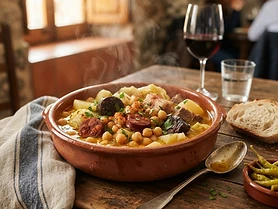
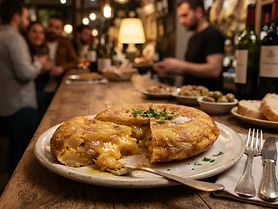
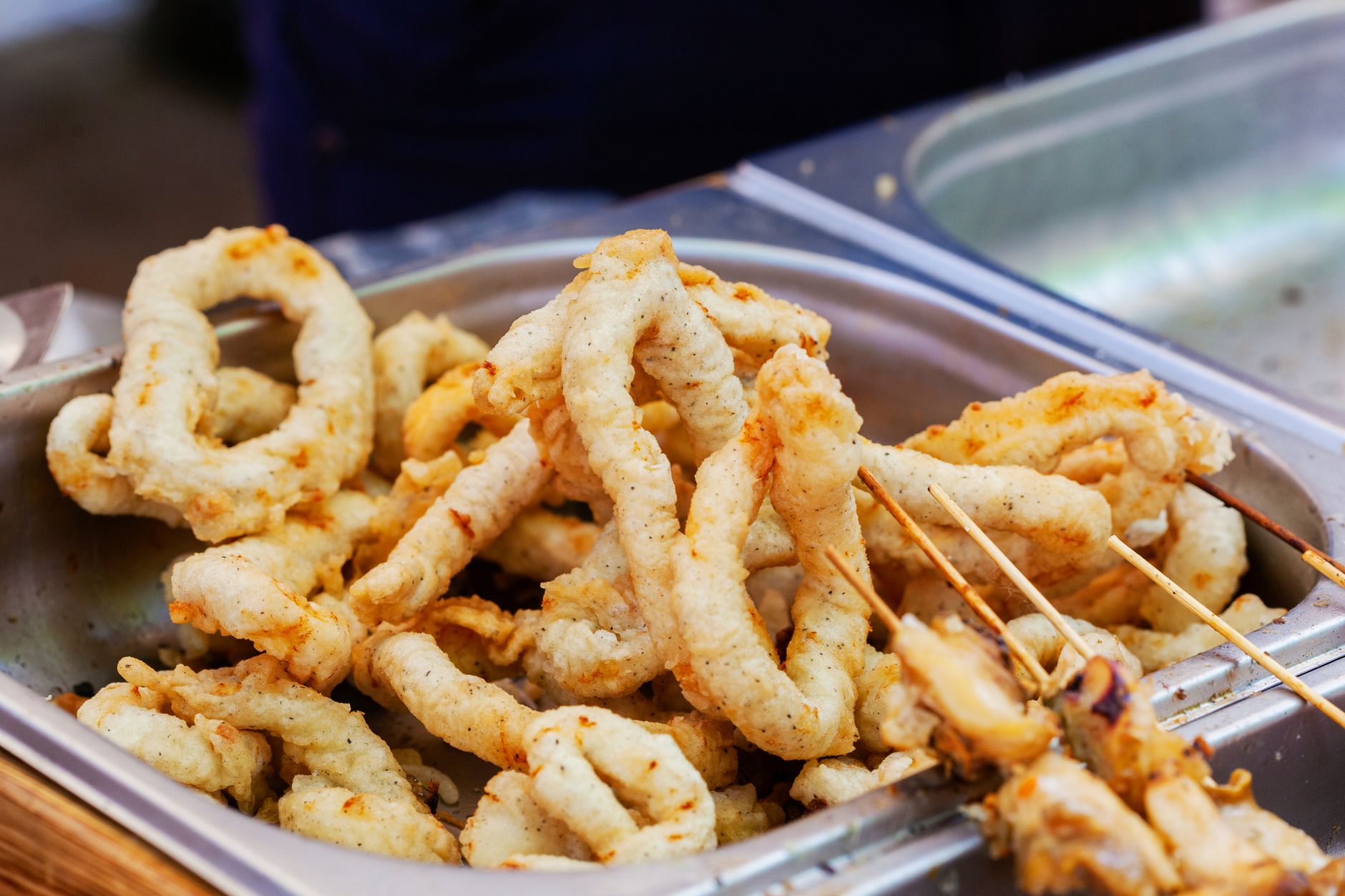
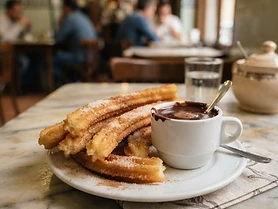
The culinary traditions of Madrid revolve around the hearty staples of the central plateau. Cocido madrileño is the definitive dish, a slow-cooked chickpea stew layered with meats, chorizo, and vegetables. Bocadillo de calamares, fried squid rings tucked into crusty bread, remains a staple of the city bars. For dessert, churros with thick, dark chocolate provide energy for the afternoon. To drink, vermut de grifo, served from a tap with an olive and a slice of orange, defines the pre-lunch ritual in the old taverns scattered through the nearby districts of Huertas and Lavapiés.
Madrid: the whole region
Madrid is a province with one great city in it, and that city is worth three or four days on its own: three major museums within a few hundred metres of each other, a working market culture, a nightlife that starts late and does not stop,…
Minimum 3 days · better 5-6 days · deep 8-10 days

Pair It With

In Madrid










In Madrid














Logistics are verified only. We don't publish schedules we haven't confirmed.
Experiences worth booking ahead
Spain Field Guide may earn a commission when you book through selected links. Recommendations are editorial and independent of commission.
Ready to build Thyssen-Bornemisza Museum into a trip?
You've found a place worth going. When you're ready to turn discovery into an itinerary, Travel Itinerary Co picks up where the Field Guide leaves off — with your saved places already in hand.
Build this into a tripContinues on Travel Itinerary Co
Spain Field Guide may earn a commission when you book through selected links. Recommendations are editorial and independent of commission.