Mercado de San Fernando
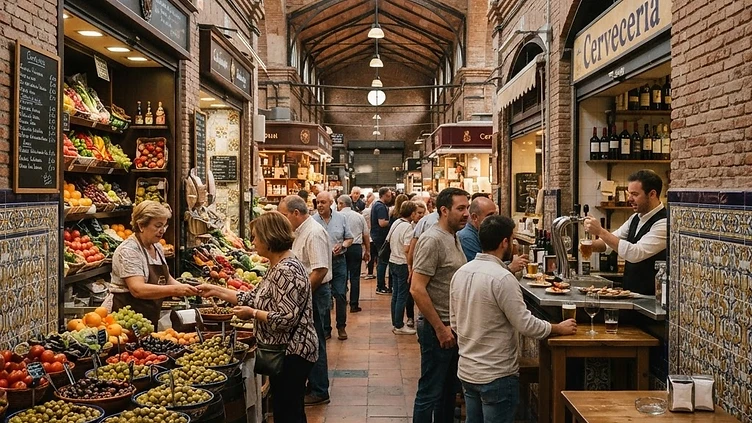
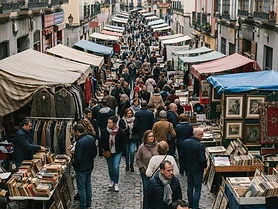
Good for a cheap dinner or a late morning beer, and worth half an hour if you are in Lavapies anyway. Weekends are crowded, weekdays are local.
A market that has not been turned into an attraction, with a proper evening trade.
At a Glance
- — You want a landmark; this is a market hall, nothing more
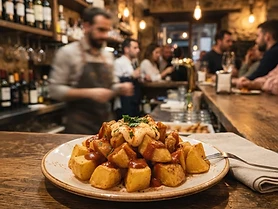
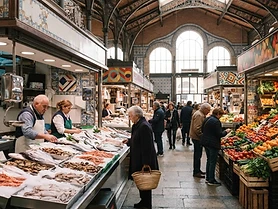
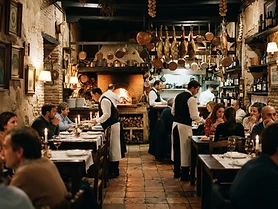
A neighbourhood market that stayed a market and then added a bar: vegetables and fish during the day, plates and wine in the evening, with people eating at shared tables in the middle of the hall. It is the least self-conscious of Madrid's markets and the most useful.
How it got here
The site opened its doors in 1944 to serve the residential district of Lavapiés. During the twentieth century the hall provided food supplies to the working-class families of this densely packed quarter. While many markets in the capital transitioned into commercial hubs for tourists during the early twenty-first century, this hall kept its original purpose. It operates as a link between the traditional market architecture of the post-war period and the contemporary habits of a multicultural neighbourhood. The structure holds its ground against the gentrification of the city center by maintaining stalls that sell raw produce alongside stalls that prepare cooked food for the local population.
Where it sits
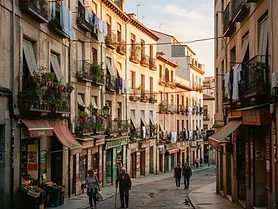
Lavapiés sits on the southern edge of the historic center of Madrid where the streets descend toward the river. The surrounding quarters are dense with narrow tenements and steep alleys that trap the heat during midsummer afternoons. In the colder months the brick market hall provides a protected space away from the wind that cuts through the slopes of the district. The market serves as the daily center of gravity for residents who navigate the grid of the city on foot. It remains a constant point of friction and connection between the migrant communities and the long-term inhabitants of the capital.
What to eat and drink
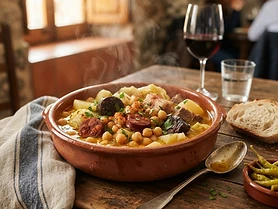
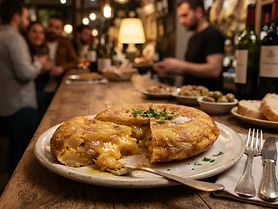
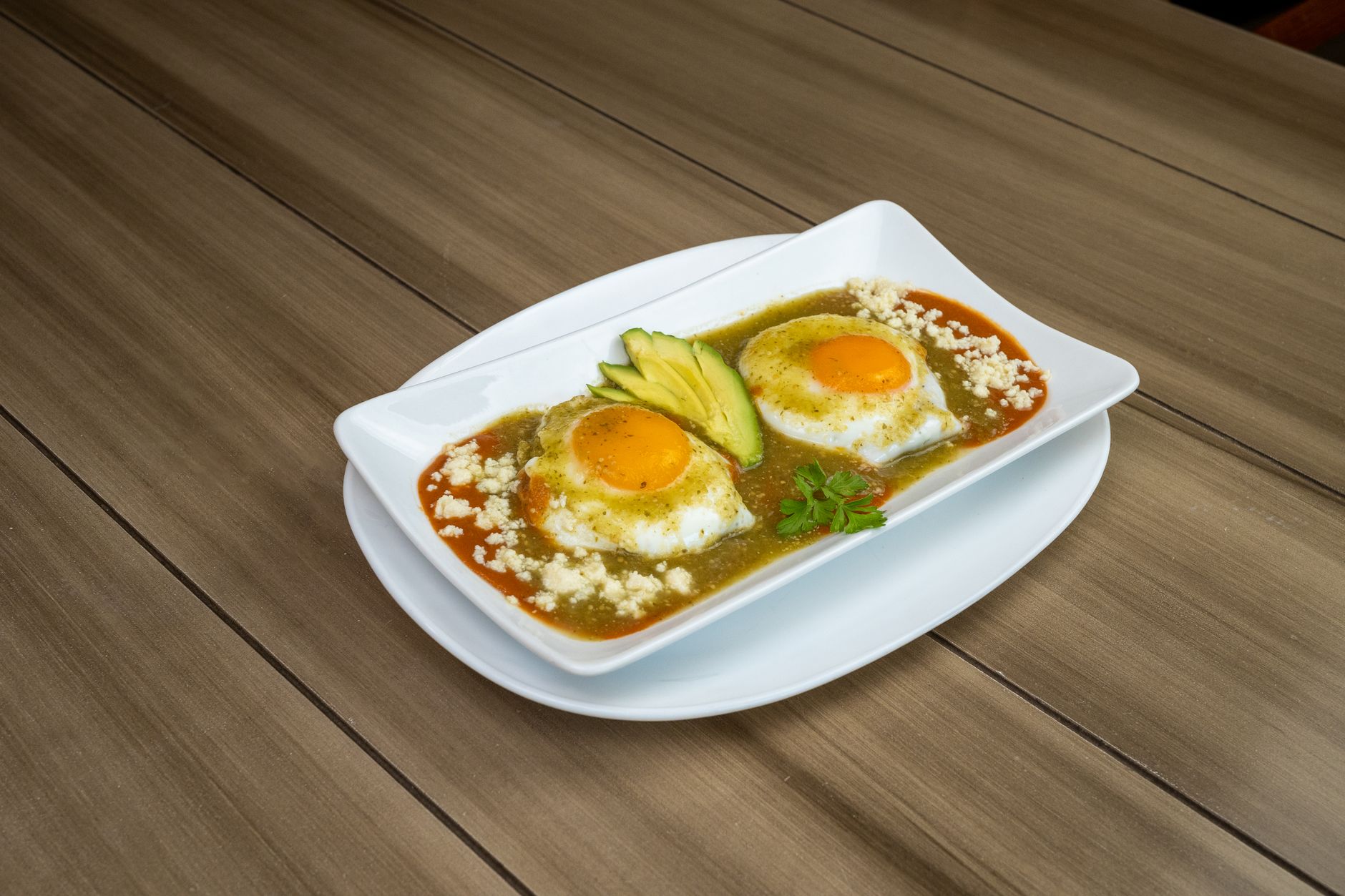
The plates follow the standard of Madrid taverns where tradition dictates the menu. Callos a la madrileña, a stew of tripe and spicy sausage simmered for hours, provides the staple comfort of the colder months. Bacalao, salt cod rehydrated and cooked in olive oil or tomato sauce, persists as a regional essential. Diners wash down these portions with glasses of vermut de grifo, a fortified wine infused with botanicals served cold over ice with a slice of orange. The market provides a setting for these dishes that avoids the ceremony of dining rooms in favor of shared wooden tables.
Madrid: the whole region
Madrid is a province with one great city in it, and that city is worth three or four days on its own: three major museums within a few hundred metres of each other, a working market culture, a nightlife that starts late and does not stop,…
Minimum 3 days · better 5-6 days · deep 8-10 days

In Madrid










In Madrid

















Logistics are verified only. We don't publish schedules we haven't confirmed.
Cooking classes and food tours worth booking ahead
- 100% Hands-on Cooking Class Paella Tapas Sangria in Madrid5.0 (1,459)4 hrsFrom €85
- Madrid Tapas & Taverns Small Group Food & History Tour4.9 (3,735)From €63
- Madrid: Paella Cooking Class with Bottomless Wine Pairing5.0 (1,095)2.5 hrsFrom €119
- Madrid Tapas & Wine Tasting Food Tour – Small Group Local Bars4.9 (5,507)3 hrsFrom €79
Spain Field Guide may earn a commission when you book through selected links. Recommendations are editorial and independent of commission.
Ready to build Mercado de San Fernando into a trip?
You've found a place worth going. When you're ready to turn discovery into an itinerary, Travel Itinerary Co picks up where the Field Guide leaves off — with your saved places already in hand.
Build this into a tripContinues on Travel Itinerary Co
Spain Field Guide may earn a commission when you book through selected links. Recommendations are editorial and independent of commission.