Reina Sofía Museum (Guernica)

Go for Guernica (room 206) and stay for the Dalís and Mirós around it. 90 minutes is enough. Free in the last two hours daily.
Spain's national modern art museum, home to Picasso's Guernica — the most powerful anti-war painting of the 20th century, and the reason the museum exists.
At a Glance
- — Modern art isn't your thing
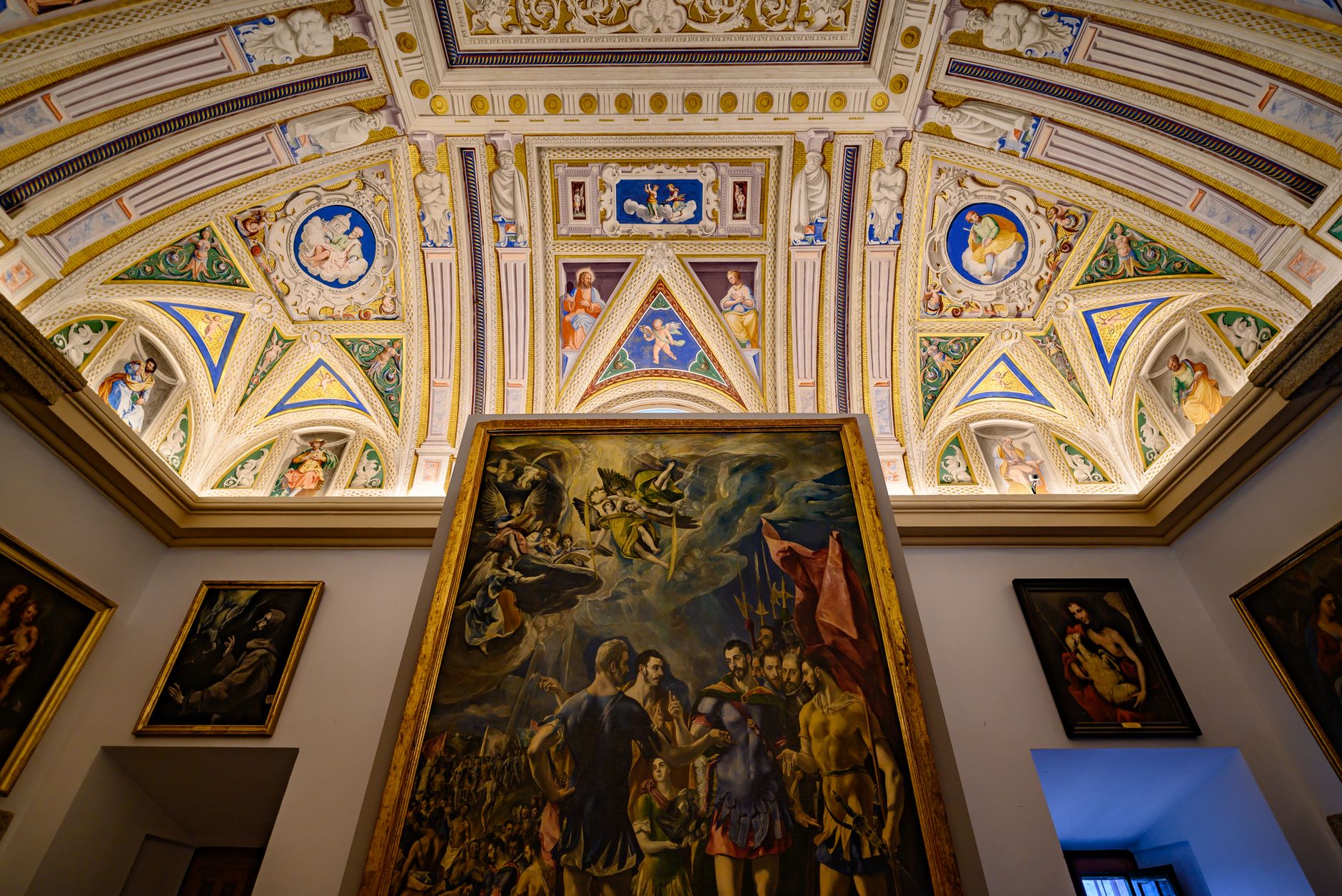
Anchored by Picasso’s Guernica, this modern art museum is a stark, industrial space that houses the defining visual narratives of the twentieth century. The anti-war mural occupies its own dedicated room, demanding a quiet, reverent pace from the crowds that file through daily. Beyond the Picasso, the galleries offer deep dives into the surrealist minds of Dalí and Miró, providing a comprehensive tour of Spain’s artistic reaction to the turmoil of the modern era.
How it got here
The hospital building housing these collections dates to the eighteenth century as a general hospital commissioned by King Carlos III. Its neoclassical design by Francisco Sabatini served the city for two centuries before the structure transitioned to a dedicated museum space in the late twentieth century. The collection prioritizes works created after 1881 to maintain a chronological focus on the modern era. The placement of Guernica here acknowledges the mural's return to Spanish soil in 1981 following the transition to democracy, marking the final chapter in a long exile that began after the end of the Civil War.
Where it sits
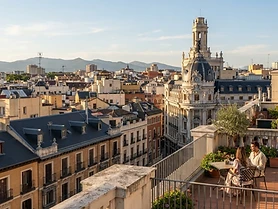
The museum sits on the southern edge of the historic center near the Atocha train station. This sector of Madrid feels industrial compared to the older quarters, defined by wide avenues and massive stone facades. Sunlight hits the glass elevators on the exterior, which provide views over the rooftops toward the southern districts. Crowds gather throughout the day, though the noise of the city fades once visitors pass through the thresholds of the galleries. Winter days bring sharp, cold air from the plateau while summer afternoons push heat into the wide plazas surrounding the building.
What to eat and drink
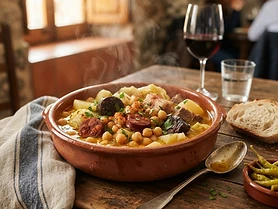
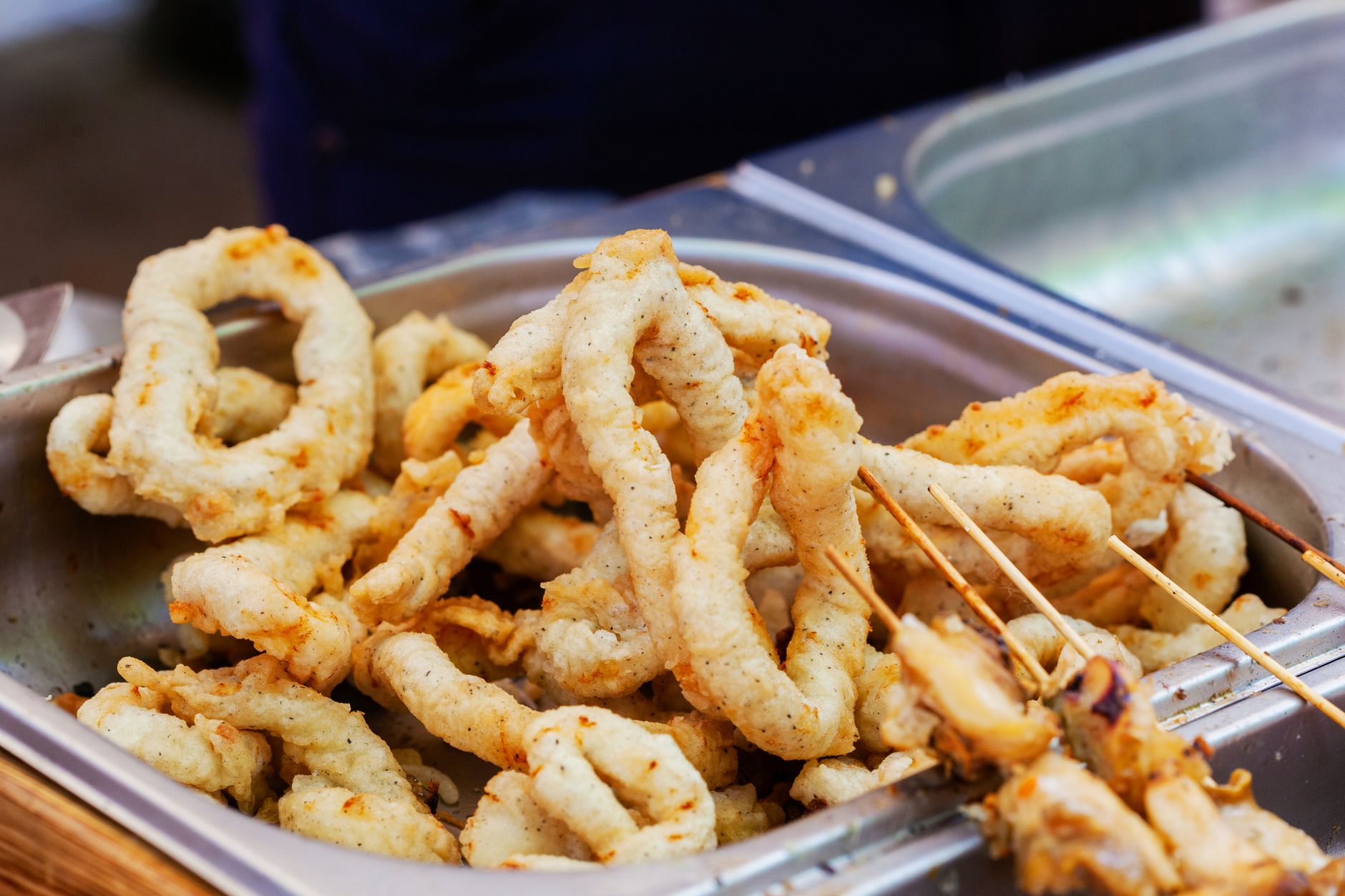
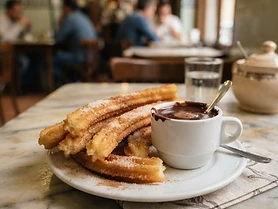
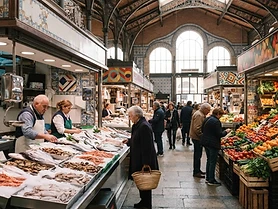
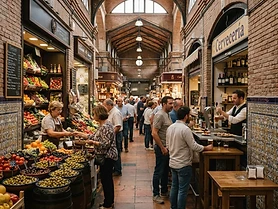
The culinary traditions of Madrid revolve around the hearty stews of the interior. Cocido madrileño, a slow-cooked dish of chickpeas, vegetables, and various cuts of pork and beef, sustains the city through the winter. Bocadillo de calamares, a crusty roll filled with deep-fried squid rings, provides a quick meal near the center. For dessert, churros dipped in thick, dark chocolate satisfy the morning appetite. Locals wash down these heavy plates with red wine from the nearby Vinos de Madrid designation, which produces bold tempranillo-based labels in the vineyard belts surrounding the capital.
Madrid: the whole region
Madrid is a province with one great city in it, and that city is worth three or four days on its own: three major museums within a few hundred metres of each other, a working market culture, a nightlife that starts late and does not stop,…
Minimum 3 days · better 5-6 days · deep 8-10 days

Pair It With
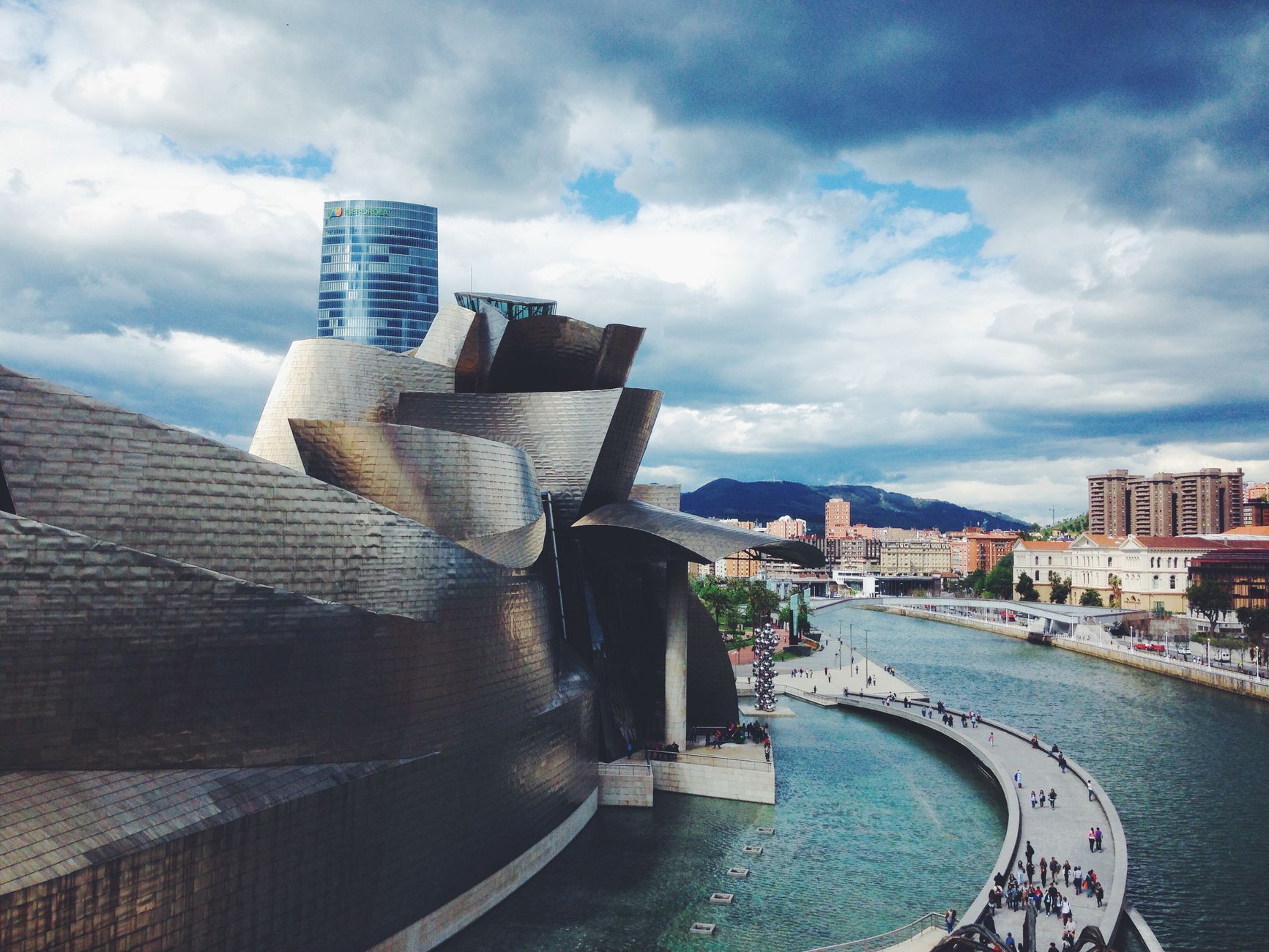
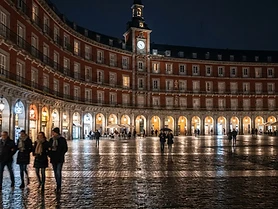
In Madrid










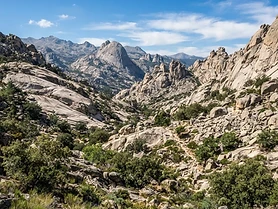
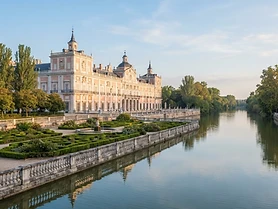
In Madrid














Linked from elsewhere
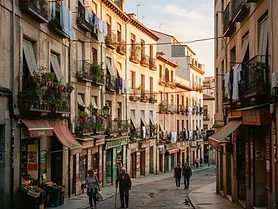
Entries that name this place in their own nearby lists.

Logistics are verified only. We don't publish schedules we haven't confirmed.
Experiences worth booking ahead
Spain Field Guide may earn a commission when you book through selected links. Recommendations are editorial and independent of commission.
Ready to build Reina Sofía Museum (Guernica) into a trip?
You've found a place worth going. When you're ready to turn discovery into an itinerary, Travel Itinerary Co picks up where the Field Guide leaves off — with your saved places already in hand.
Build this into a tripContinues on Travel Itinerary Co
Spain Field Guide may earn a commission when you book through selected links. Recommendations are editorial and independent of commission.