Guggenheim Bilbao
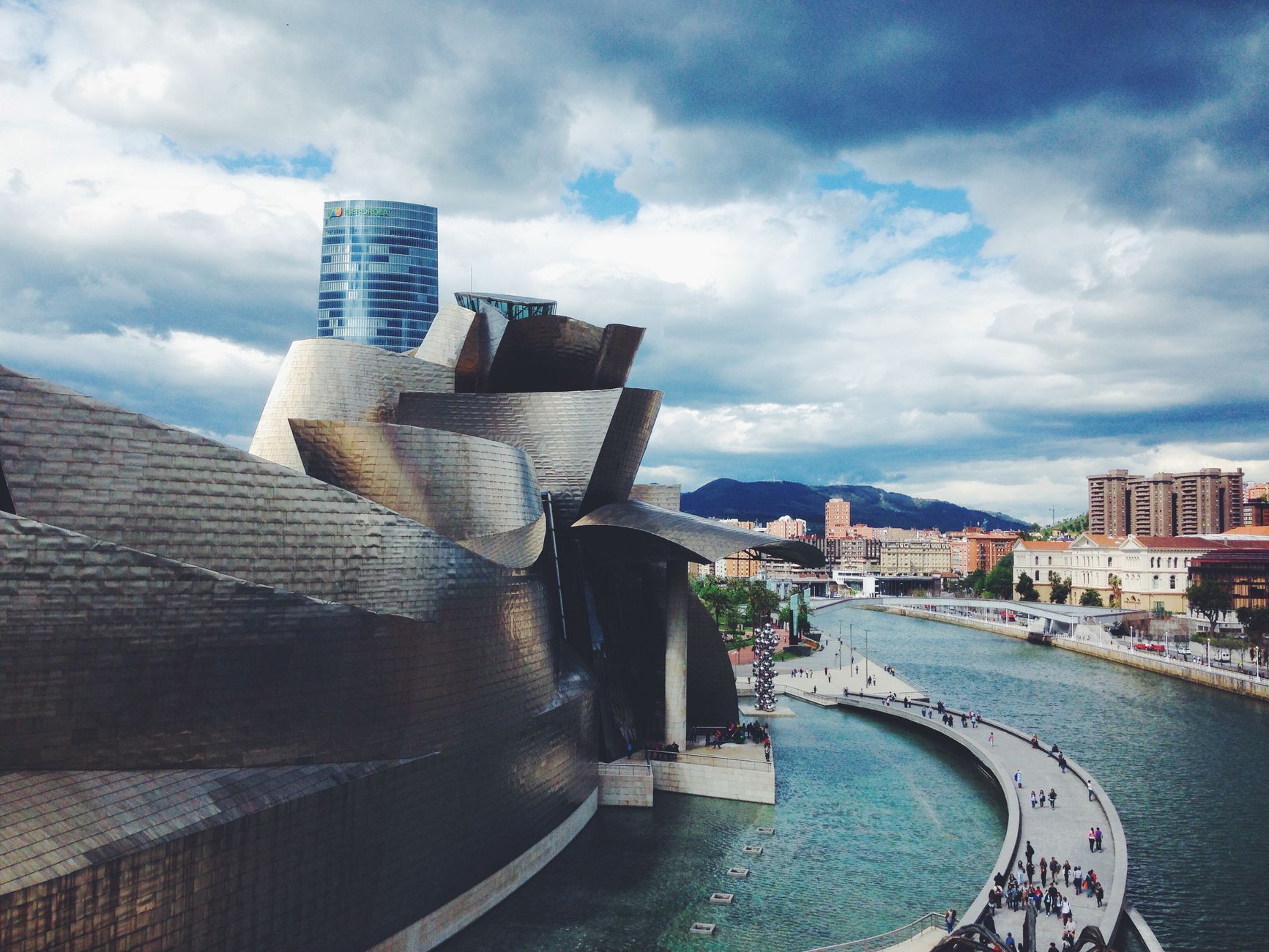
Worth the detour even if you don't go inside. The Jeff Koons puppy at the entrance is the photo.
Gehry's titanium building that single-handedly revived a declining industrial city — the original 'Bilbao effect.' The building matters more than the collection.
San Sebastián · Mercado de la Ribera · Casco Viejo de Bilbao
At a Glance
- — Contemporary art leaves you cold
Swirling titanium sheets catch the soft Atlantic light, creating a sharp, metallic contrast against the grey stone of the surrounding industrial riverside. While the rotating exhibitions often favor large-scale contemporary works, the true draw is the building itself, a masterpiece of curves that redefined the city’s skyline. Standing by the Jeff Koons floral puppy sculpture, you can see how this bold architecture pulled a once-declining port into a new era of cultural prominence, turning a former shipping hub into a required stop for any architecture enthusiast.
How it got here
Bilbao grew through the shipping and iron industries of the Nervión river estuary during the nineteenth century. By the late twentieth century, the decline of these industries left behind disused wharves and decaying docks along the water. The regional government initiated a massive urban renewal project to shift the economy from manufacturing toward services and tourism. This museum arrived in 1997 as the centerpiece of that transformation, occupying land once dedicated to shipping logistics. Its arrival triggered a period of rapid development that reoriented the city toward the river and solidified the place of the Basque Country in the global cultural economy.
Where it sits
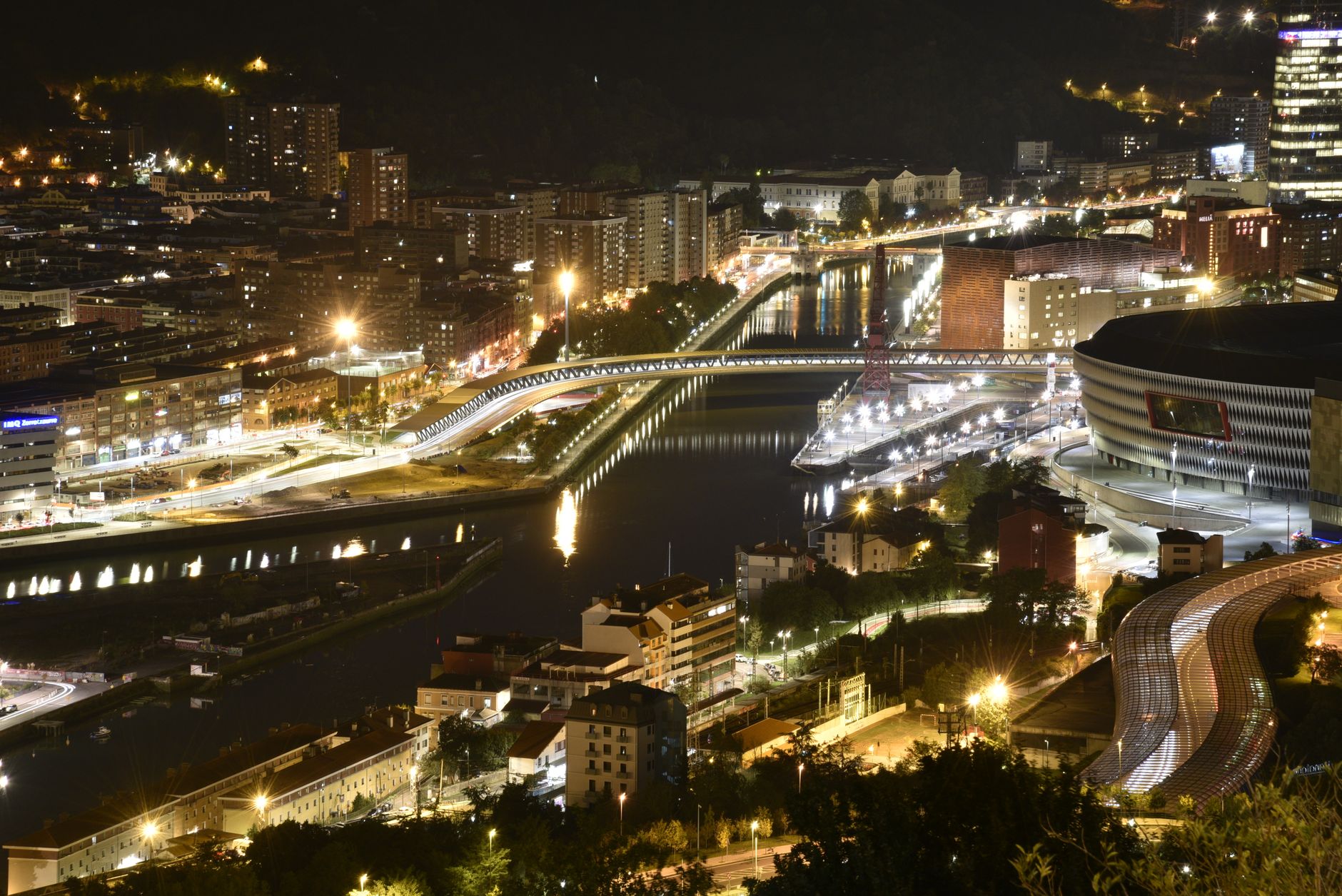
The building sits directly on the banks of the Nervión where the river bends through the heart of the city. Rainfall keeps the surrounding hillsides lush and deep green throughout the year, even as the limestone and steel of the city reflect the grey light common to the Bay of Biscay. Public transport and pedestrian walkways provide access along the riverfront, connecting the old town districts to these modern developments. The climate stays mild and humid, though heavy maritime winds often blow in from the coast during the winter months.
What to eat and drink
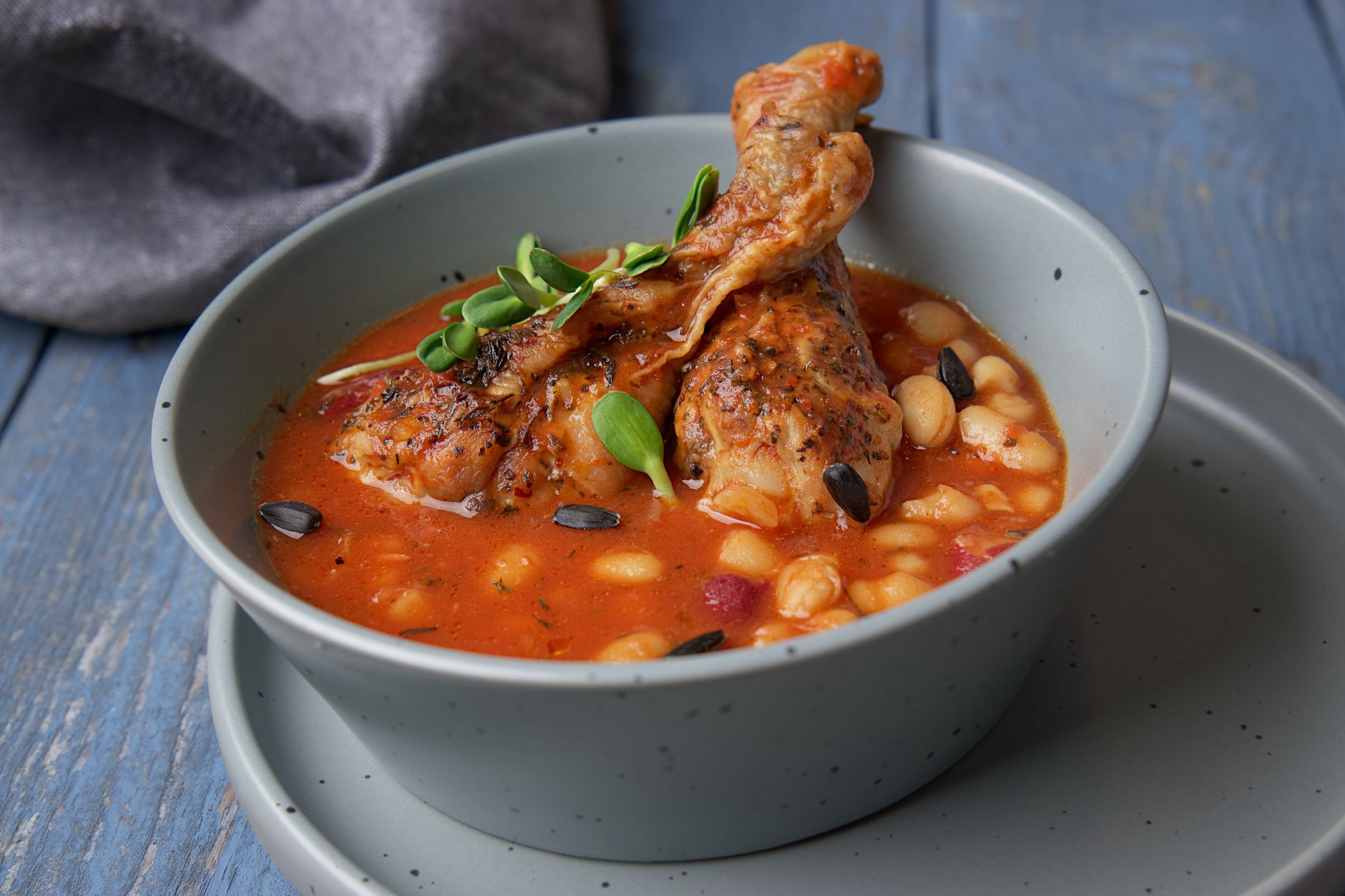
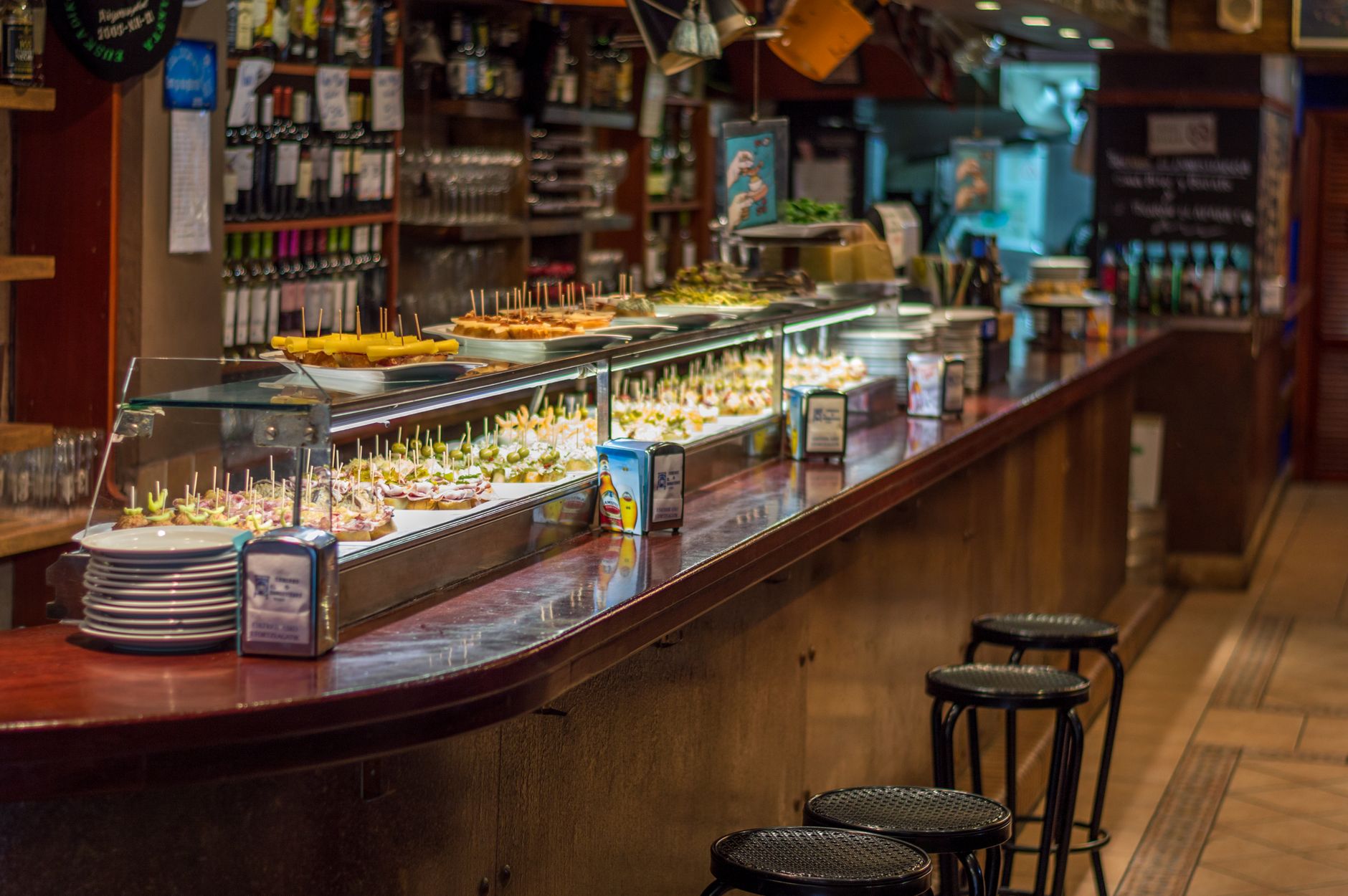
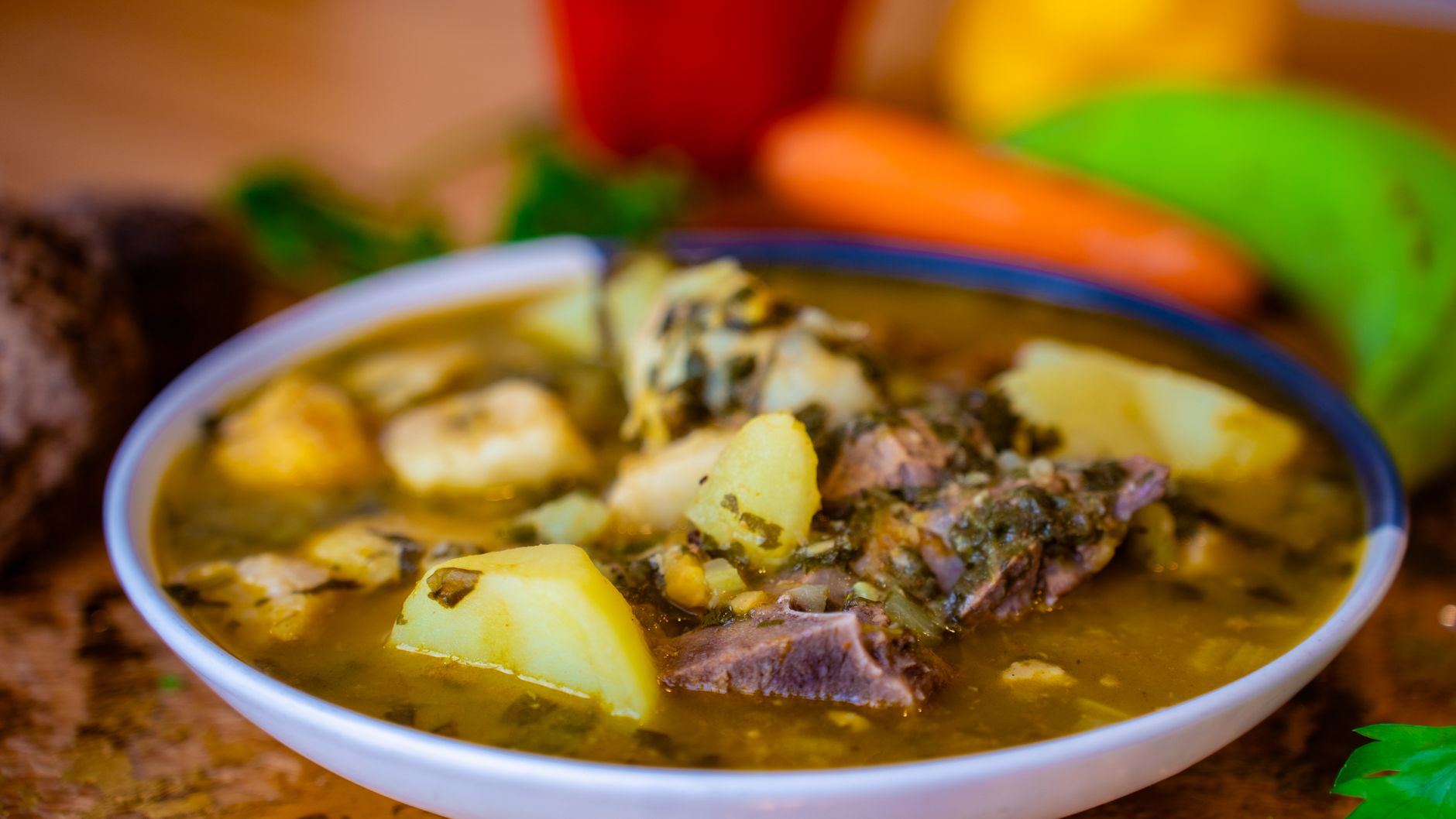
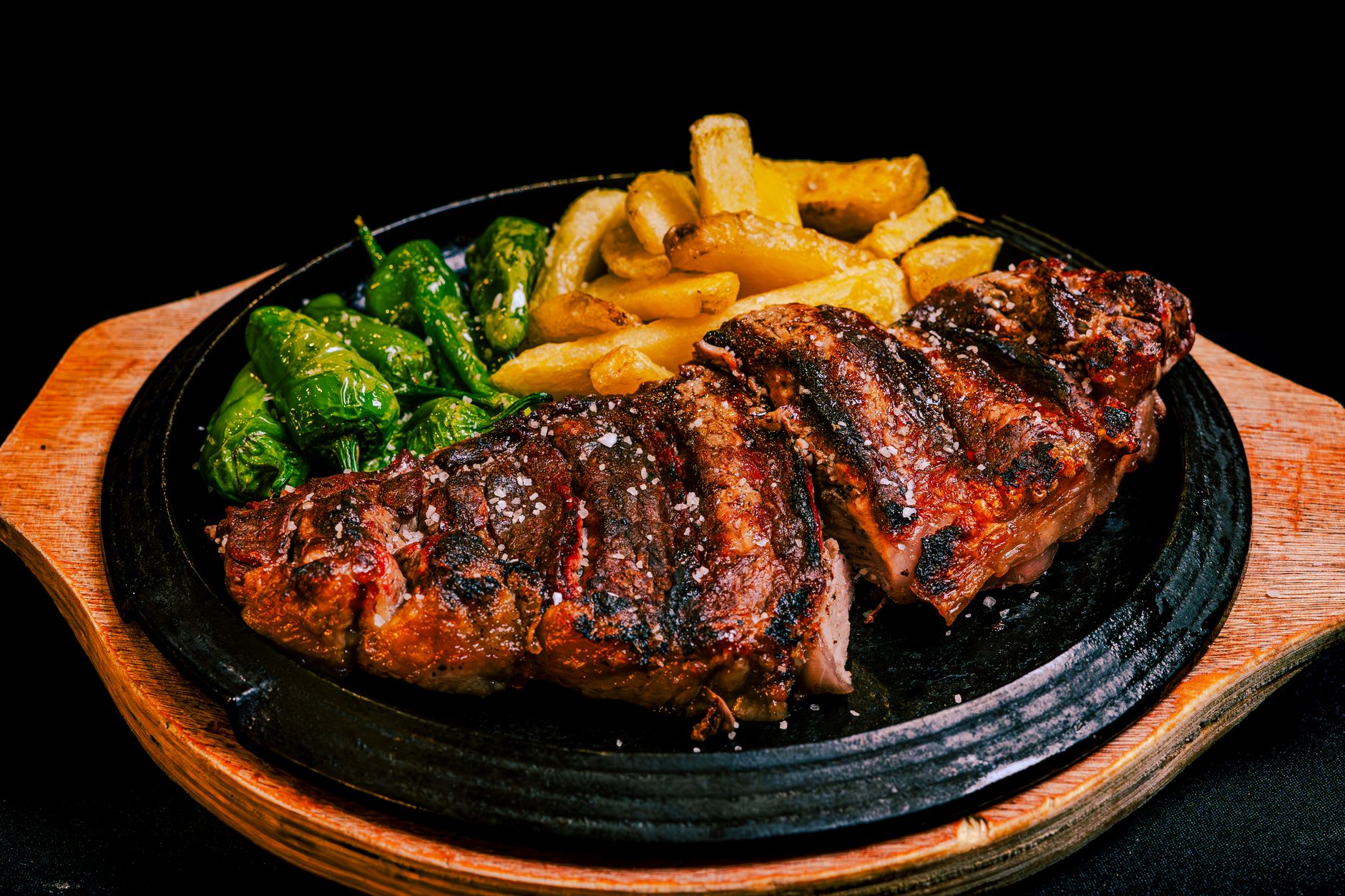
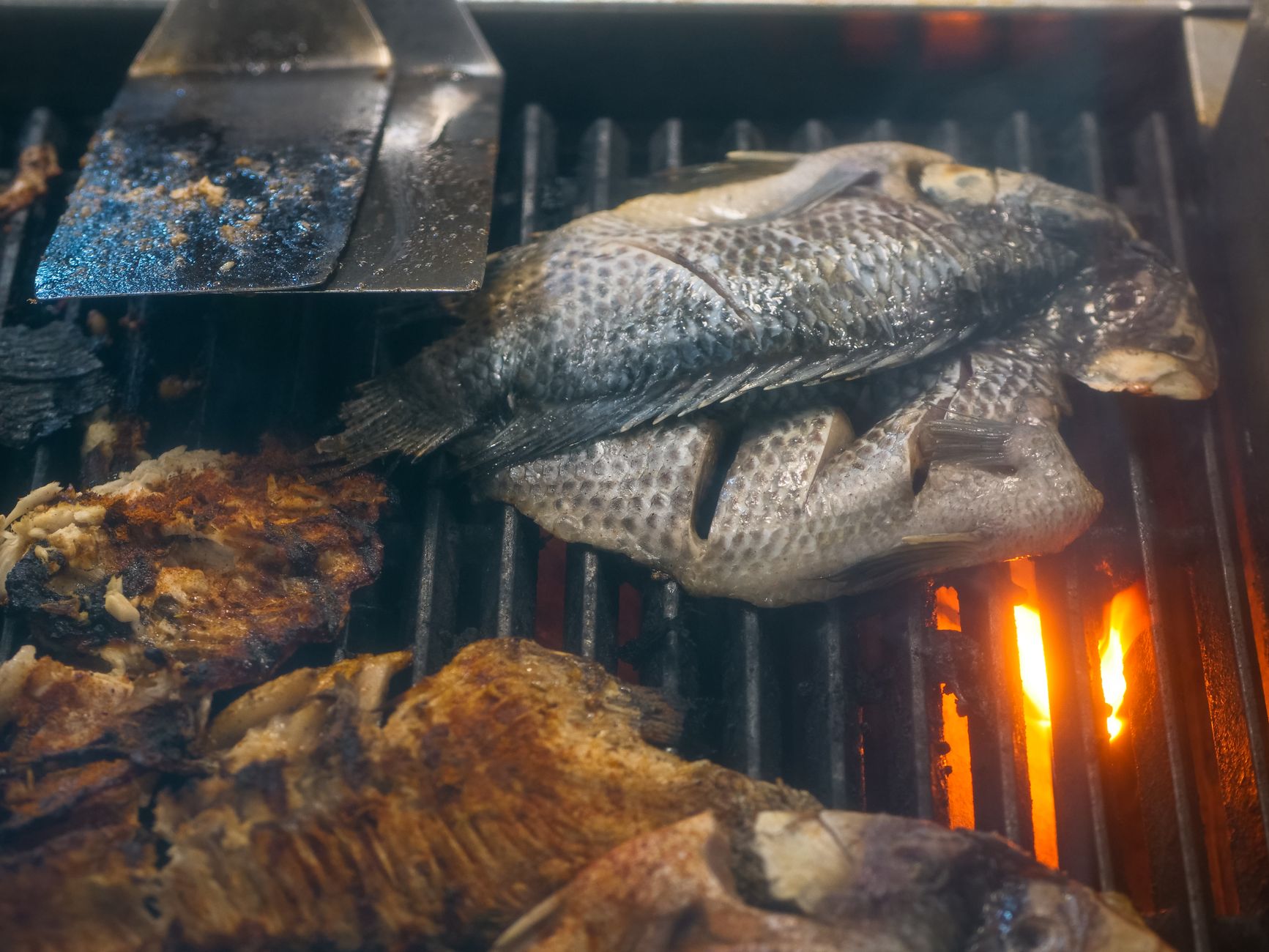
Basque cooking relies on the freshness of the Atlantic coast and the produce of the surrounding hills. Bacalao al pil-pil, salt cod fried slowly in a base of olive oil, garlic, and chili, creates an emulsion from the fish gelatin. Pintxos represent the standard way to eat, usually small pieces of bread topped with local anchovies, peppers, or idiazábal cheese. Drink txakoli, a dry, slightly sparkling white wine poured from a height to release its subtle acidity, which cuts through the richness of the fried fish and salty snacks found in the city bars.
Basque Country: the whole region
The Basque Country is the most expensive and the most rewarding corner of northern Spain: three small provinces, each with its own character, all within an hour of each other. It suits travellers who want to eat well and move slowly far…
Minimum 4 days · better 7 days · deep 2 weeks

Pair It With


In Basque Country








In Basque Country


In Basque Country









Linked from elsewhere
Entries that name this place in their own nearby lists.

Logistics are verified only. We don't publish schedules we haven't confirmed.
Experiences worth booking ahead
Spain Field Guide may earn a commission when you book through selected links. Recommendations are editorial and independent of commission.
Ready to build Guggenheim Bilbao into a trip?
You've found a place worth going. When you're ready to turn discovery into an itinerary, Travel Itinerary Co picks up where the Field Guide leaves off — with your saved places already in hand.
Build this into a tripContinues on Travel Itinerary Co
Spain Field Guide may earn a commission when you book through selected links. Recommendations are editorial and independent of commission.