Vizcaya Bridge

Optional, but excellent if engineering interests you at all. Take the gondola across and back, and walk down from Portugalete.
A riveted iron bridge from 1893 that still does the job it was built for, twenty minutes from Bilbao.
At a Glance
- — You want a picturesque old town — this is a working industrial river
The Vizcaya Bridge, opened in 1893, was the first of its kind anywhere: instead of a roadway, it suspends a gondola that carries cars, bikes and foot passengers across the river on cables, high enough that ships using the port pass underneath. It was built to link the two banks of the Nervión without interrupting port traffic, and it has been running ever since, so you can ride it for the price of a bus fare. It has been a UNESCO World Heritage site since 2006, and the iron lattice towers at either end are worth the walk across the top, if the lift is working. The walkway is often closed for maintenance; the gondola almost never is.
How it got here
Alberto de Palacio designed this structure in the late nineteenth century to connect the industrial communities of Portugalete and Las Arenas across the Nervión estuary. Palacio studied under Gustave Eiffel and applied his knowledge of iron engineering to span the river without impeding the heavy maritime traffic moving toward the port of Bilbao. The bridge opened in 1893 during a period of rapid industrial growth in Bizkaia fueled by iron ore extraction and shipbuilding. UNESCO inscribed the bridge as a World Heritage site in 2006 to preserve this example of iron architecture from the industrial age. It operates today as a functional link for locals traveling between the two banks.
Where it sits
The Nervión estuary divides these dense riverbank towns where high iron balconies and narrow streets define the architecture. Heavy rain and mist roll off the Cantabrian Sea during winter months while summer brings Atlantic warmth. The landscape shifts from industrial concrete at the water level to steeper hillsides holding older residential districts. Commuter trains and foot traffic sustain a steady pace throughout the working week. Salt spray leaves the steelwork weathered and brown despite routine maintenance. On quiet mornings the tide pulls hard against the pylons while ferries and small cargo vessels navigate the channel toward the open sea.
What to eat and drink
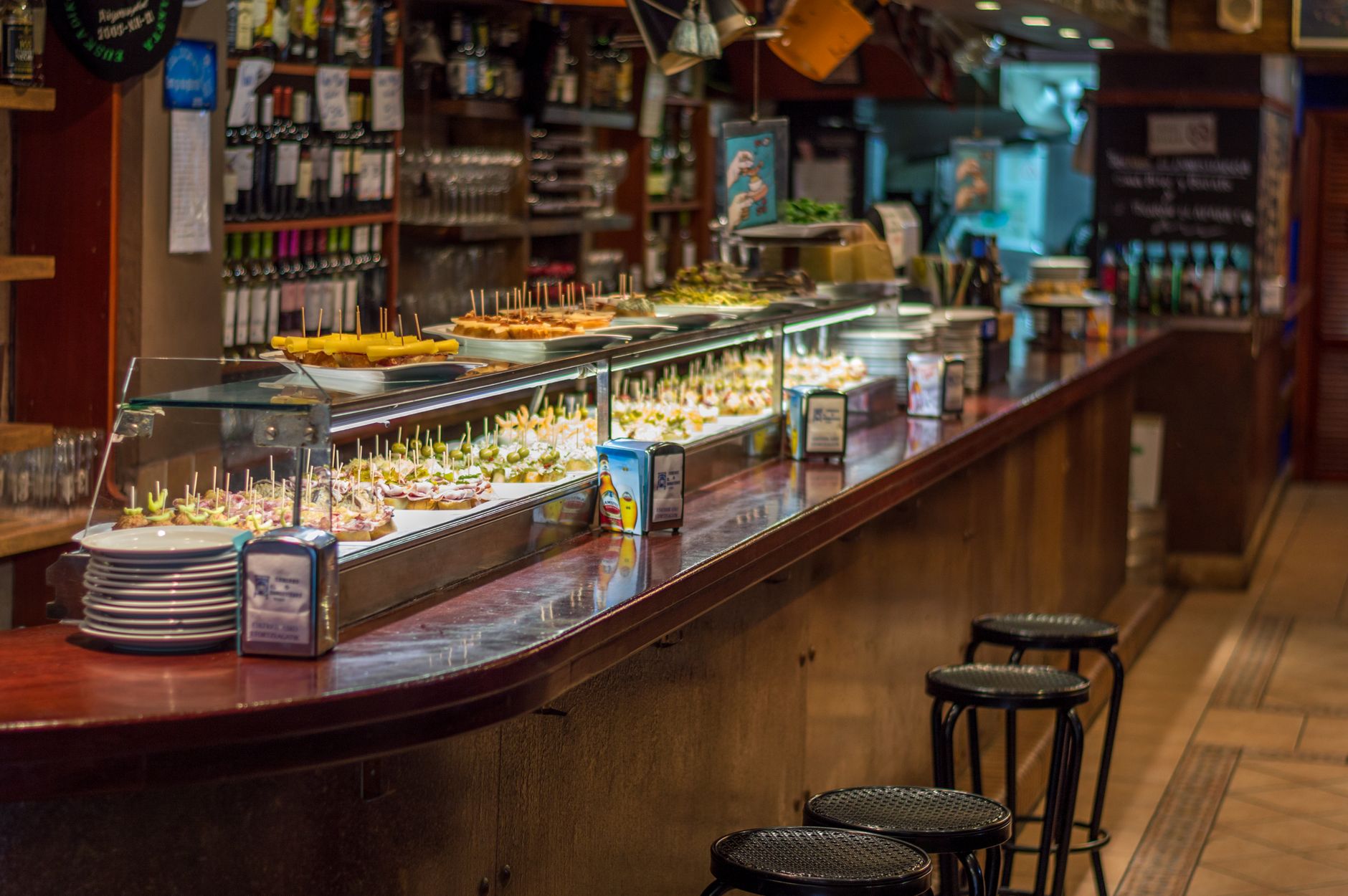
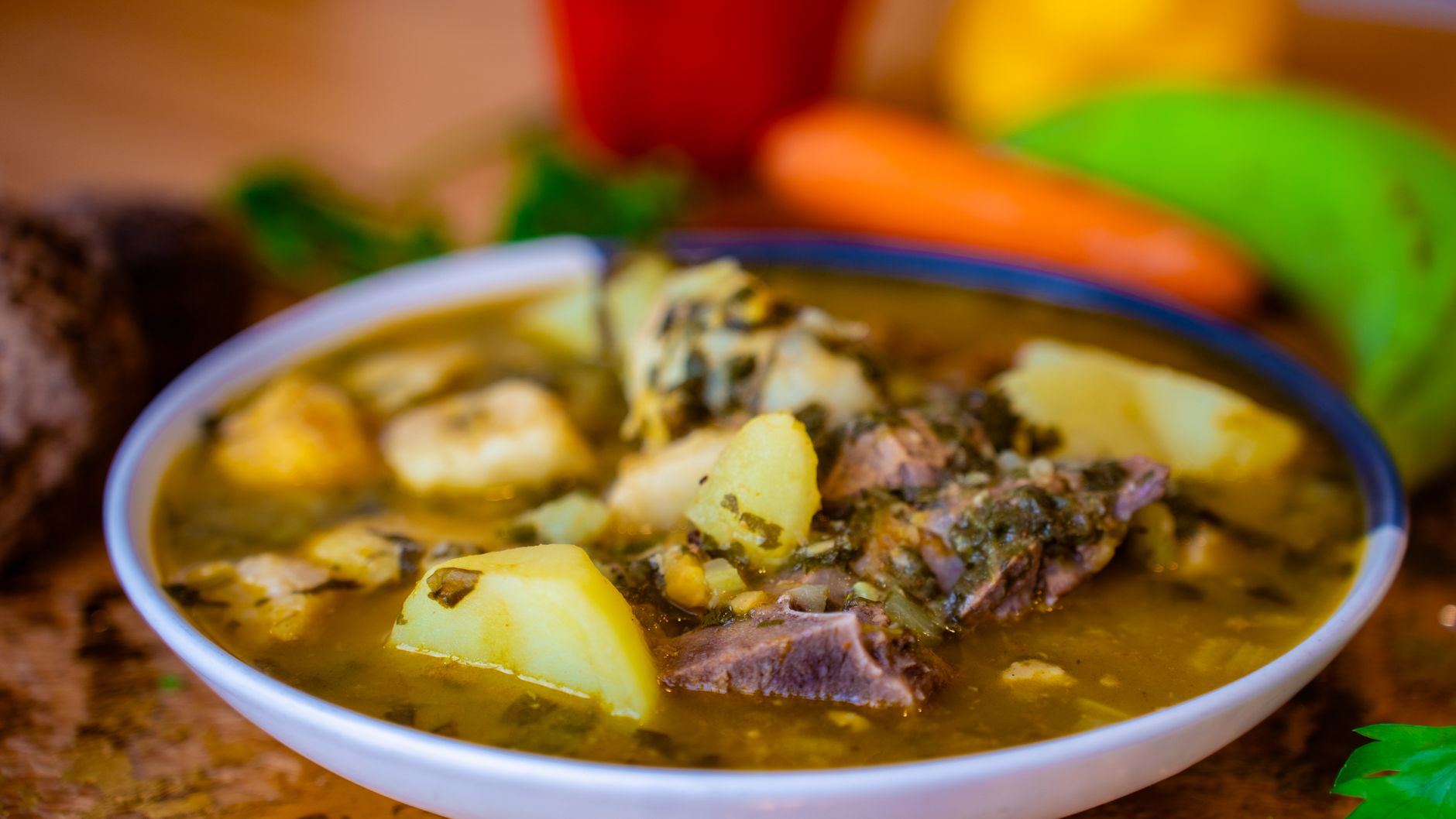
The Basque coast prioritizes the catch of the day from the Cantabrian Sea. Bacalao al pil-pil uses salted cod emulsified with olive oil, garlic, and chili peppers in a clay pot. Marmitako, a tuna and potato stew originally made by fishermen on their boats, provides a staple meal during colder months. Fried angulas or elvers served with garlic offer a traditional delicacy. Drink txakoli, a dry, lightly sparkling white wine poured from a height to release its crisp acidity. The salty tang of the wine pairs with pintxos, small portions of bread topped with local anchovies, peppers, or regional cheeses.
Basque Country: the whole region
The Basque Country is the most expensive and the most rewarding corner of northern Spain: three small provinces, each with its own character, all within an hour of each other. It suits travellers who want to eat well and move slowly far…
Minimum 4 days · better 7 days · deep 2 weeks
What's Nearby


Pair It With
In Basque Country










In Basque Country


In Basque Country












Linked from elsewhere
Entries that name this place in their own nearby lists.
Logistics are verified only. We don't publish schedules we haven't confirmed.
Appears In
Ready to build Vizcaya Bridge into a trip?
You've found a place worth going. When you're ready to turn discovery into an itinerary, Travel Itinerary Co picks up where the Field Guide leaves off — with your saved places already in hand.
Build this into a tripContinues on Travel Itinerary Co
Spain Field Guide may earn a commission when you book through selected links. Recommendations are editorial and independent of commission.