Pintxos
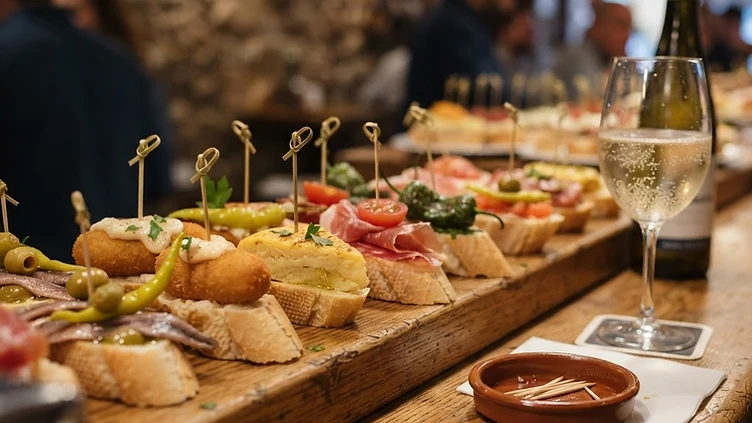
A reason to visit the Basque Country on its own. Crawl the Parte Vieja bar to bar.
The Basque answer to tapas — bite-sized creations on bread, eaten standing at bars with a glass of Txakoli. The core of San Sebastián's food culture.
At a Glance
- — You want a sit-down three-course dinner
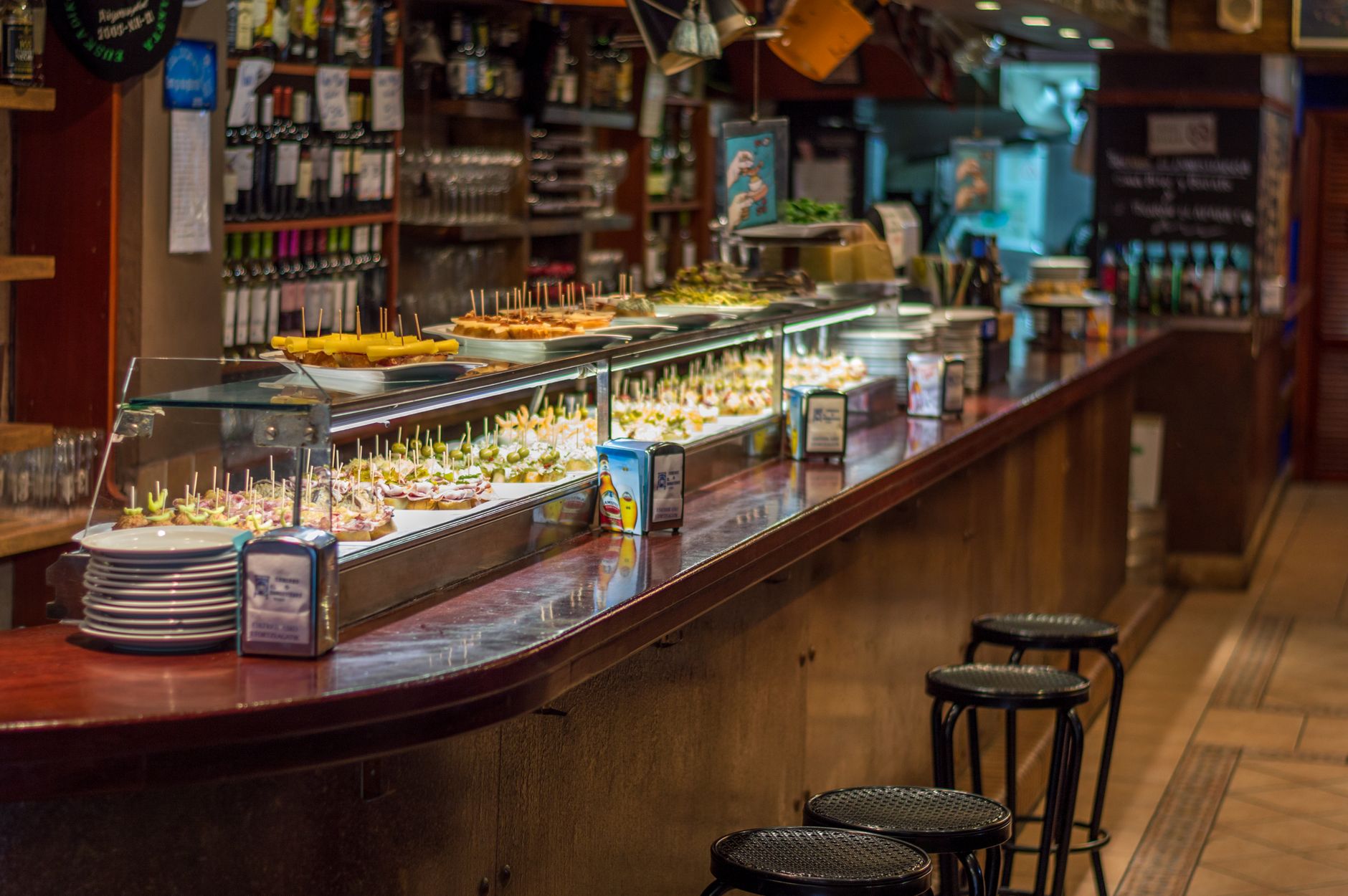
Small, intricate bites mounted on crusty bread are lined up in dense, crowded displays along the bar tops of the Parte Vieja. Each is a miniature culinary statement—a single grilled mushroom, a skewer of salty boquerones, or a spoonful of creamy Russian salad—best eaten standing up while balancing a glass of crisp, white wine. It is a social, high-energy way of eating that turns every dinner into a sprawling, multi-stop adventure through the best produce and flavors of the Basque country.
How it got here
These snacks trace their lineage to the mid-twentieth century when bar owners in San Sebastián began offering small portions of food to encourage patrons to linger over drinks. The culture of the txikiteo, or the act of moving from tavern to tavern, grew out of Basque social traditions that prioritized communal spaces. This practice solidified the counter as the primary site of public life in the province of Gipuzkoa. By abandoning formal dining tables, residents transformed the act of eating into a continuous movement through the city. The evolution of these bites from simple bar snacks to complex culinary compositions parallels the broader modernization of Basque gastronomy that occurred during the twentieth century.
Where it sits
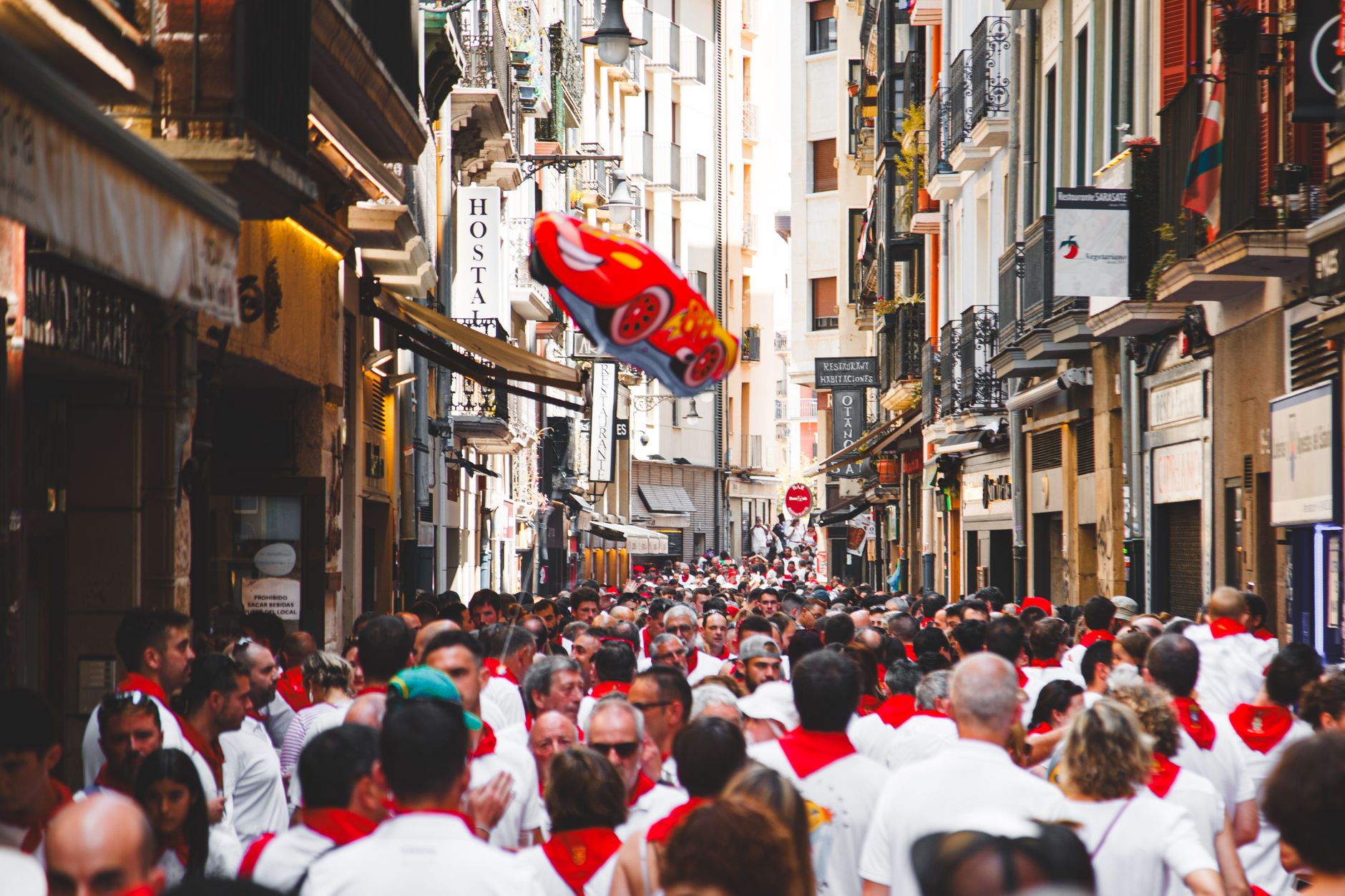
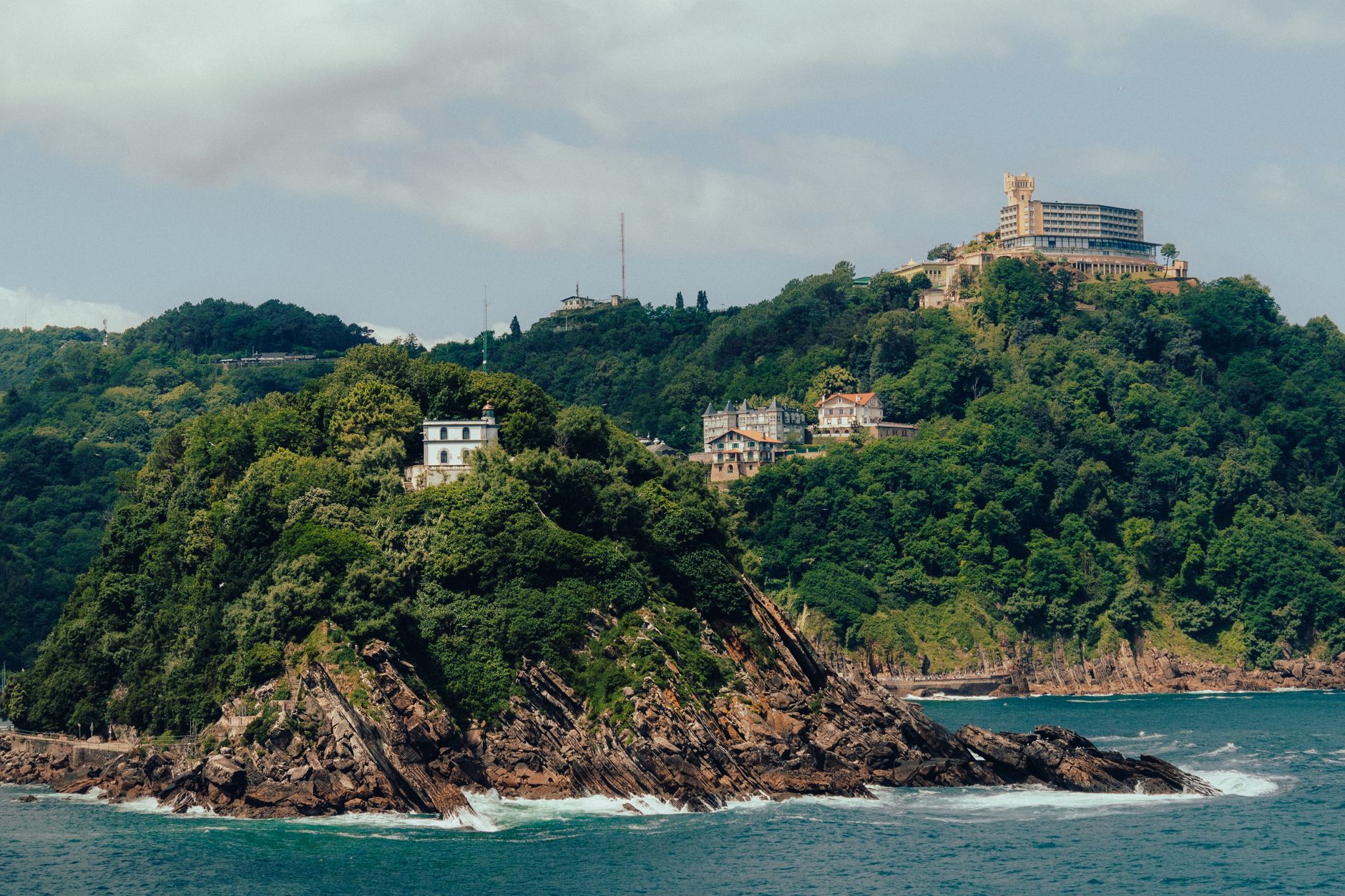
The Basque coast occupies a narrow strip of rugged green landscape between the Cantabrian Sea and the steep foothills of the Pyrenees. Wet maritime winters yield to mild summers where the climate remains damp and the vegetation stays dense. The topography forces development into tight valleys and along the rocky shoreline, creating compact town centers with limited space for traditional dining halls. Because of this terrain, life spills out onto the sidewalks and into the small, narrow streets of the old quarters. During the humid evenings, the density of the crowds makes the movement between bars the only logical way to traverse the city.
What to eat and drink
Gilda is the archetypal bite, combining a single guindilla pepper with an anchovy and an olive on a wooden skewer to provide a sharp, salty contrast. Variations include txangurro, a rich spider crab meat preparation, and slices of tortilla de patata that emphasize the quality of local eggs and potatoes. These are paired with txakoli, a bone-dry, slightly effervescent white wine produced in the coastal vineyards of the province. The wine comes from the Hondarribi Zuri grape, providing the necessary acidity to cut through the salt of the preserved fish and the fats used in the preparation of the small bread-based snacks.
Basque Country: the whole region
The Basque Country is the most expensive and the most rewarding corner of northern Spain: three small provinces, each with its own character, all within an hour of each other. It suits travellers who want to eat well and move slowly far…
Minimum 4 days · better 7 days · deep 2 weeks
What's Nearby


Pair It With

In Basque Country






In Basque Country


In Basque Country











Linked from elsewhere
Entries that name this place in their own nearby lists.
Logistics are verified only. We don't publish schedules we haven't confirmed.
Appears In
Ready to build Pintxos into a trip?
You've found a place worth going. When you're ready to turn discovery into an itinerary, Travel Itinerary Co picks up where the Field Guide leaves off — with your saved places already in hand.
Build this into a tripContinues on Travel Itinerary Co
Spain Field Guide may earn a commission when you book through selected links. Recommendations are editorial and independent of commission.