Txomin Etxaniz

Recommended, and the most useful introduction to a wine most visitors have never heard of. Book ahead.
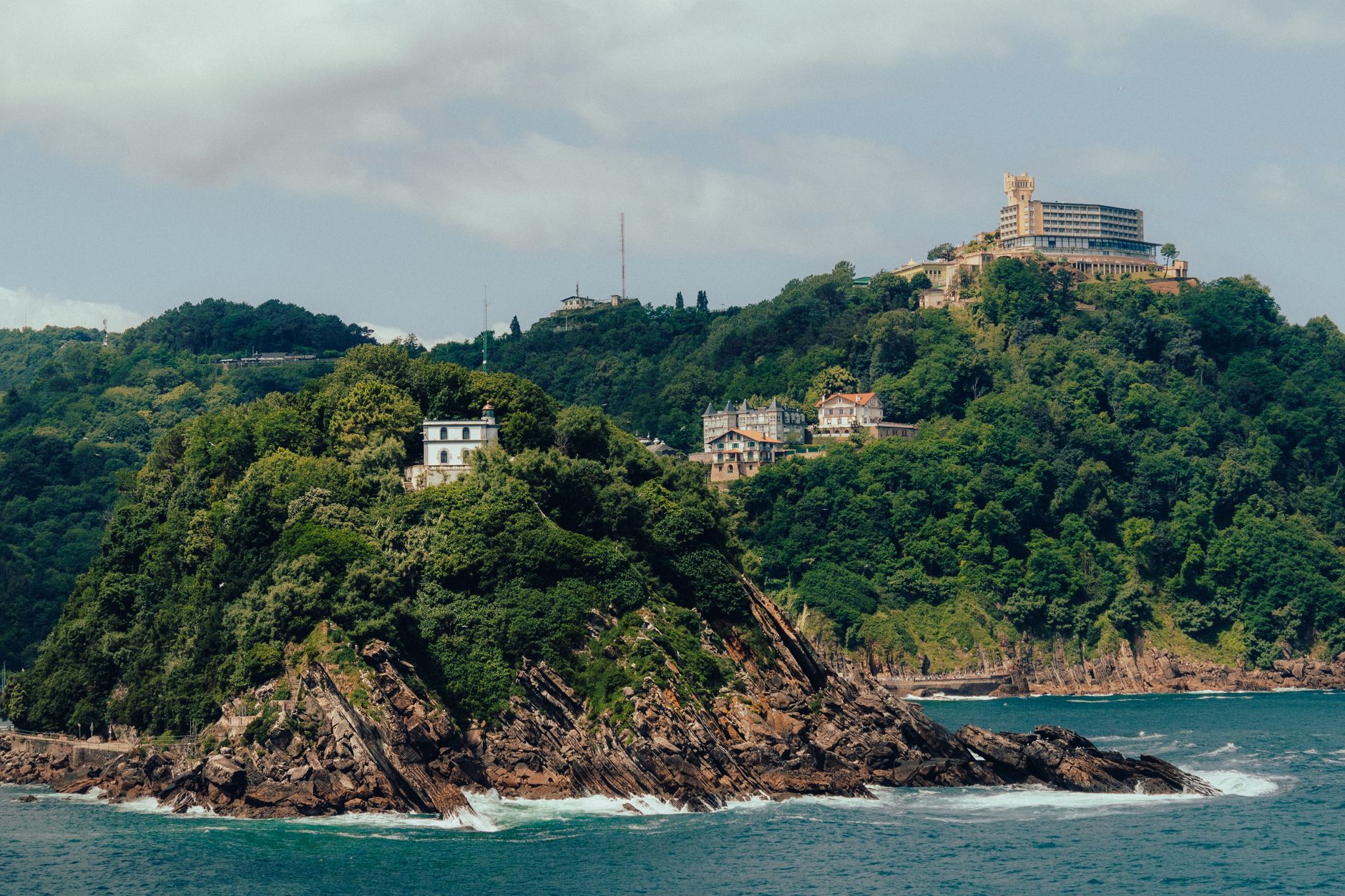
Vines on slopes above the Atlantic, making the sharp young white wine this coast drinks with its fish.
At a Glance
- — You want big estate wines or long cellar tours
Txomin Etxaniz is a family winery in Getaria that has been making txakoli for over a century, and it is the name that comes up when Spaniards ask what txakoli tastes like. The vines stand on slopes above the village looking straight down at the sea, and the wine is thin, sharp and slightly fizzy, drunk young and with anything that comes out of the ocean. Visits run by appointment and include a walk through the vines and a tasting; the shop sells the current vintage, which is the one to buy, because txakoli does not improve with age and is not meant to. In September the harvest brings the village alive.
How it got here
The production of txakoli in Getaria stretches back to the sixteenth century, when records mention the cultivation of vines on the slopes of the Gipuzkoan coast. The wine served as a traditional household staple for generations of fishing families who worked the Cantabrian waters. In the twentieth century, the formalization of the Getariako Txakolina denomination protected the distinct methods of trellising and processing that define the style. The winery operates within this lineage, continuing the practice of using local Hondarribi Zuri grapes. Today, the focus remains on the specific acidity and low alcohol levels that historically distinguished the drink from the heavier wines of the Spanish interior.
Where it sits
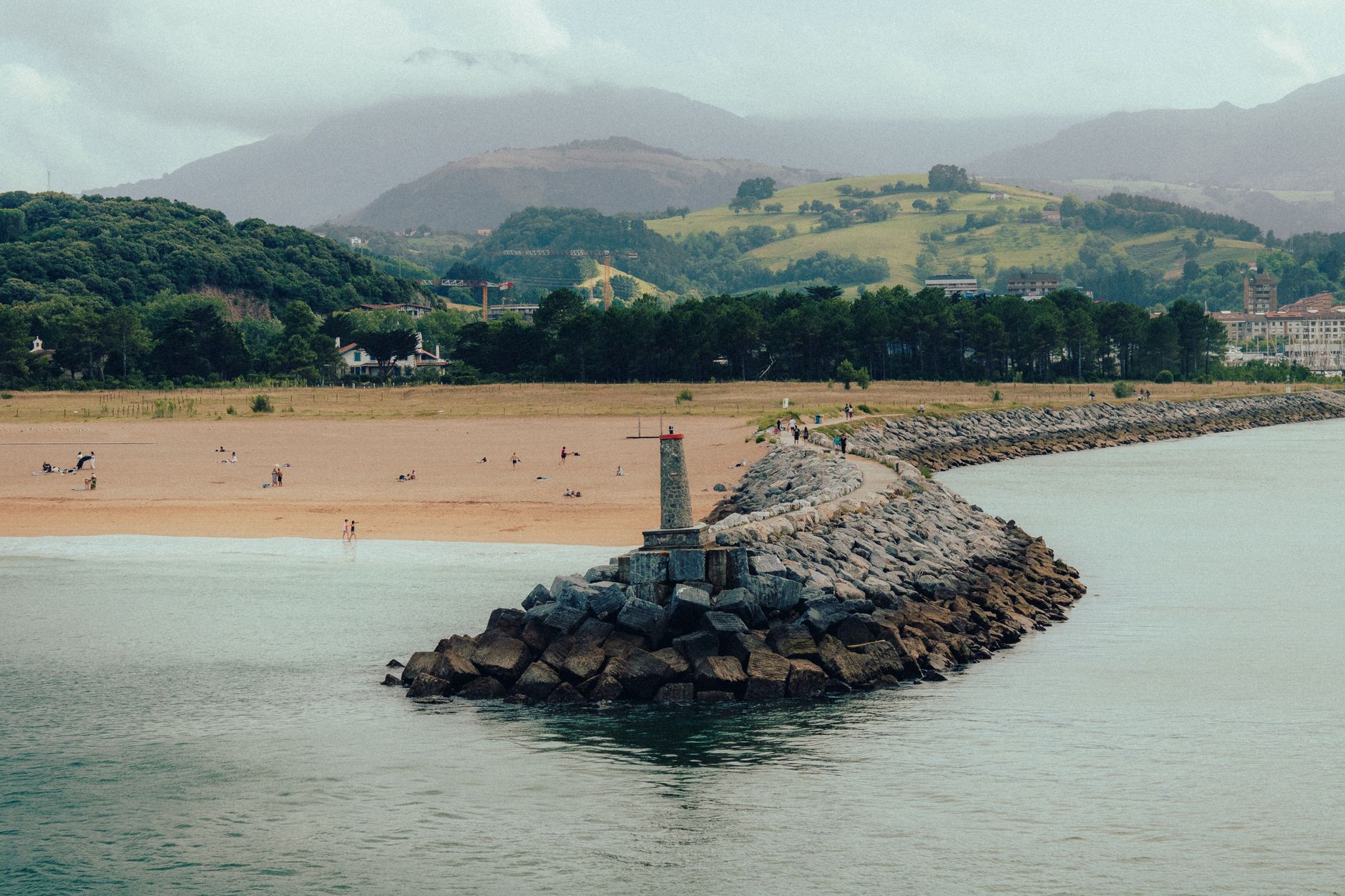
The vineyard occupies the steep slopes overlooking the Bay of Biscay, where the salt air and constant humidity influence the growth of the vines. Green mountains fall abruptly into the sea, defining the geography of this stretch of the coast. The weather stays volatile, with frequent Atlantic rain and mist moderating the temperature even through the summer. Travel to the coast requires navigating winding roads that hug the cliffs, providing views of the jagged shoreline. The harvest occupies the month of September, when the pace of life shifts to meet the demands of the vintage.
What to eat and drink
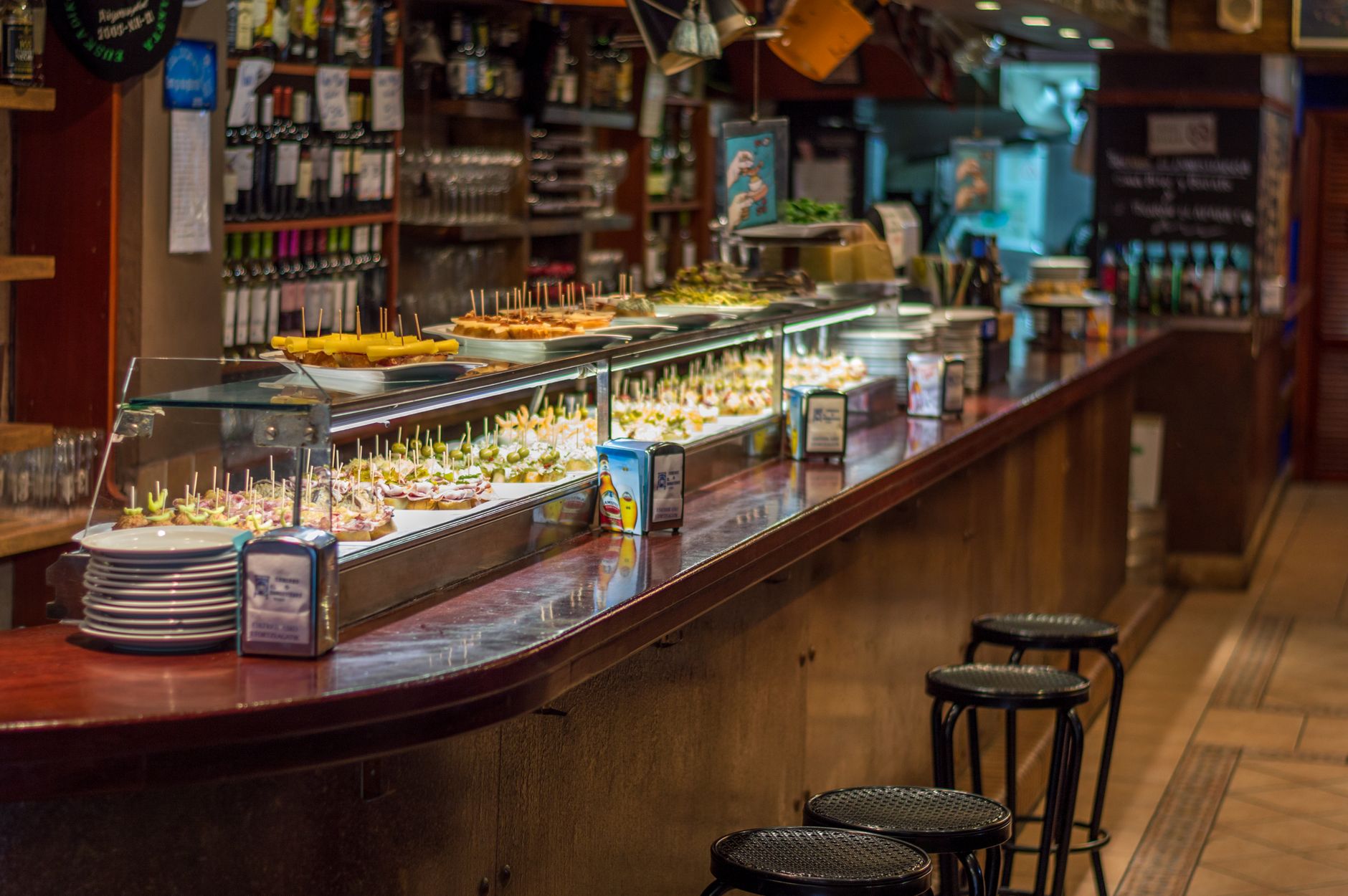
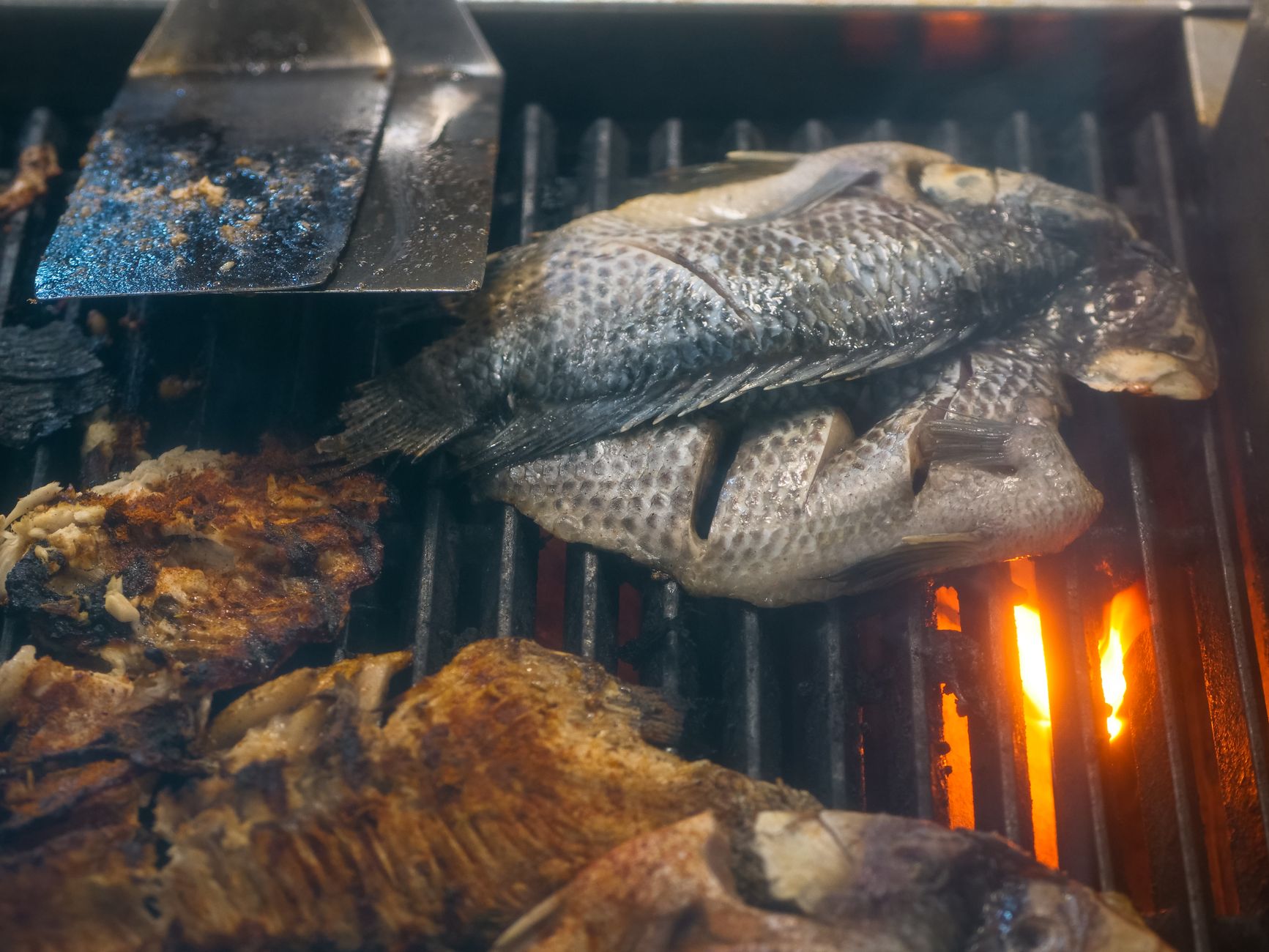
Txakoli arrives as a thin, acidic wine with a natural effervescence, intended for consumption within a year of the harvest. It pairs with the seafood harvested from the local waters, particularly anchoas, which are salted and preserved anchovies from the Cantabrian Sea. Gildas, skewers of olive, pickled guindilla pepper, and salted anchovy, provide the standard bite to accompany the pour. Fresh grilled fish, often prepared over open embers in the kitchens of the neighboring port towns, balances the sharp profile of the wine. The drink functions as a seasonal accompaniment to the salt-heavy diet of the Basque coast.
Basque Country: the whole region
The Basque Country is the most expensive and the most rewarding corner of northern Spain: three small provinces, each with its own character, all within an hour of each other. It suits travellers who want to eat well and move slowly far…
Minimum 4 days · better 7 days · deep 2 weeks
What's Nearby

Pair It With

In Basque Country








In Basque Country


In Basque Country
















Linked from elsewhere
Entries that name this place in their own nearby lists.
Logistics are verified only. We don't publish schedules we haven't confirmed.
Appears In
Ready to build Txomin Etxaniz into a trip?
You've found a place worth going. When you're ready to turn discovery into an itinerary, Travel Itinerary Co picks up where the Field Guide leaves off — with your saved places already in hand.
Build this into a tripContinues on Travel Itinerary Co
Spain Field Guide may earn a commission when you book through selected links. Recommendations are editorial and independent of commission.