Txakoli de Getaria

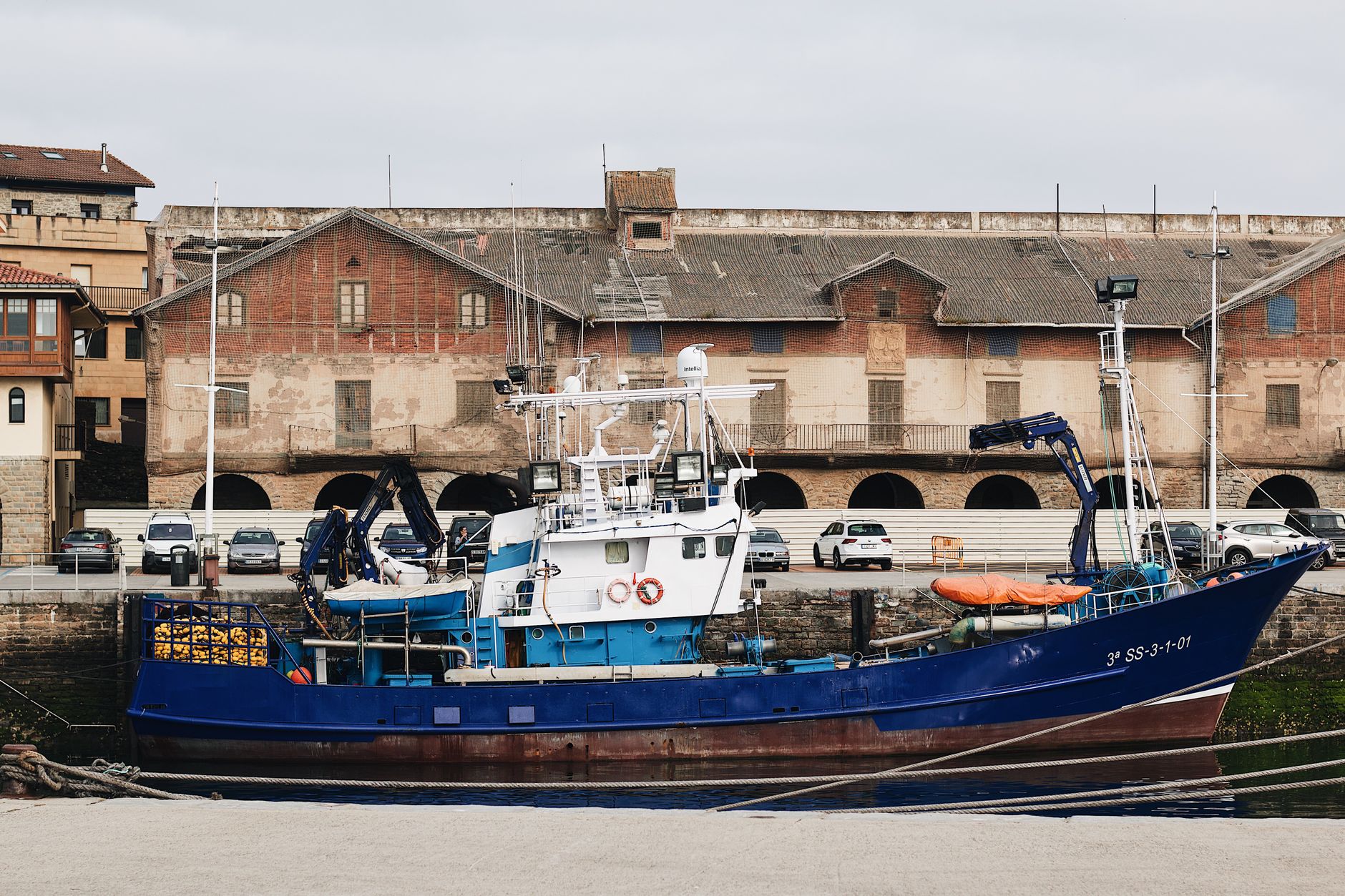
Do it as a lunch stop between San Sebastián and Bilbao. Eat at Elkano, drink txakoli at the source, buy a bottle from the harbor cellars.
The Basque coastal white — a dry, slightly petillant, low-alcohol wine poured from a height into a glass, made to drink with pintxos and grilled fish. Getaria is its heart.
At a Glance
- — You don't drink tart, low-alcohol whites
Crisp, low-alcohol white wine poured from a height to release a prickly, natural effervescence, this coastal staple defines the Basque drinking experience. It is the perfect acidic partner for the salty, charred flavor of turbot pulled straight from the grills of Getaria’s harbor. Best enjoyed on a cool afternoon while standing at a rough wooden counter, it serves as a bright, herbaceous wake-up call to the palate, capturing the briny essence of the Bay of Biscay in every pale, straw-colored glass.
How it got here
Vines have occupied the slopes above the Bay of Biscay since at least the sixteenth century. Coastal Basque farmers cultivated the Hondarribi Zuri and Hondarribi Beltza grape varieties on steep terraces facing the sea. The distinct practice of pouring wine from a height evolved to aerate the young, cloudy liquid, breaking its initial tightness and releasing carbon dioxide trapped during the brief fermentation. This technique turned a simple local farm wine into a ritualized coastal tradition. The lack of heavy aging preserves the acidity necessary for the region's culinary focus, connecting the output of the present-day smallholders to the maritime heritage of the Guipuzcoan coast.
Where it sits
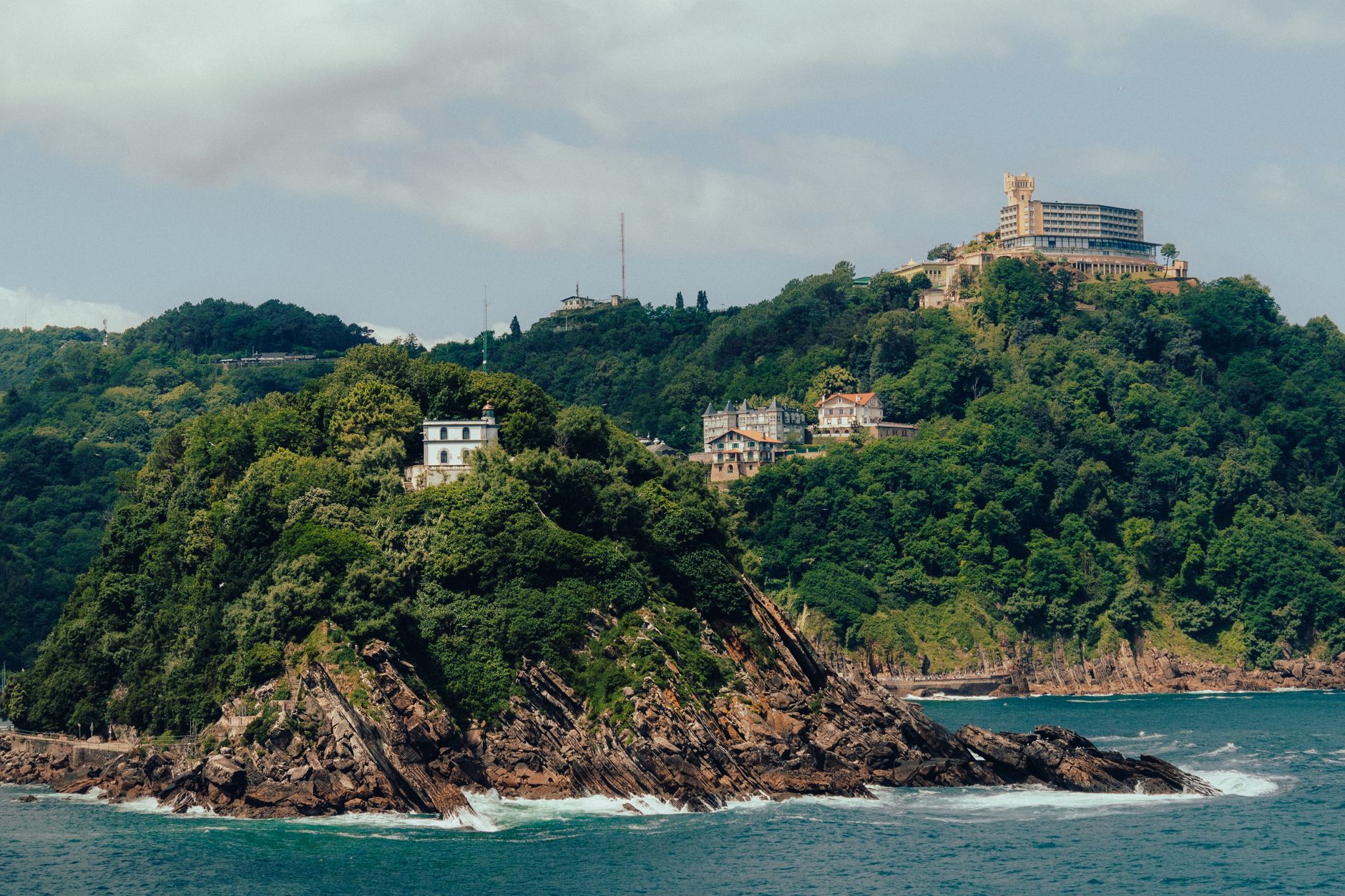
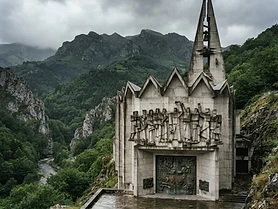
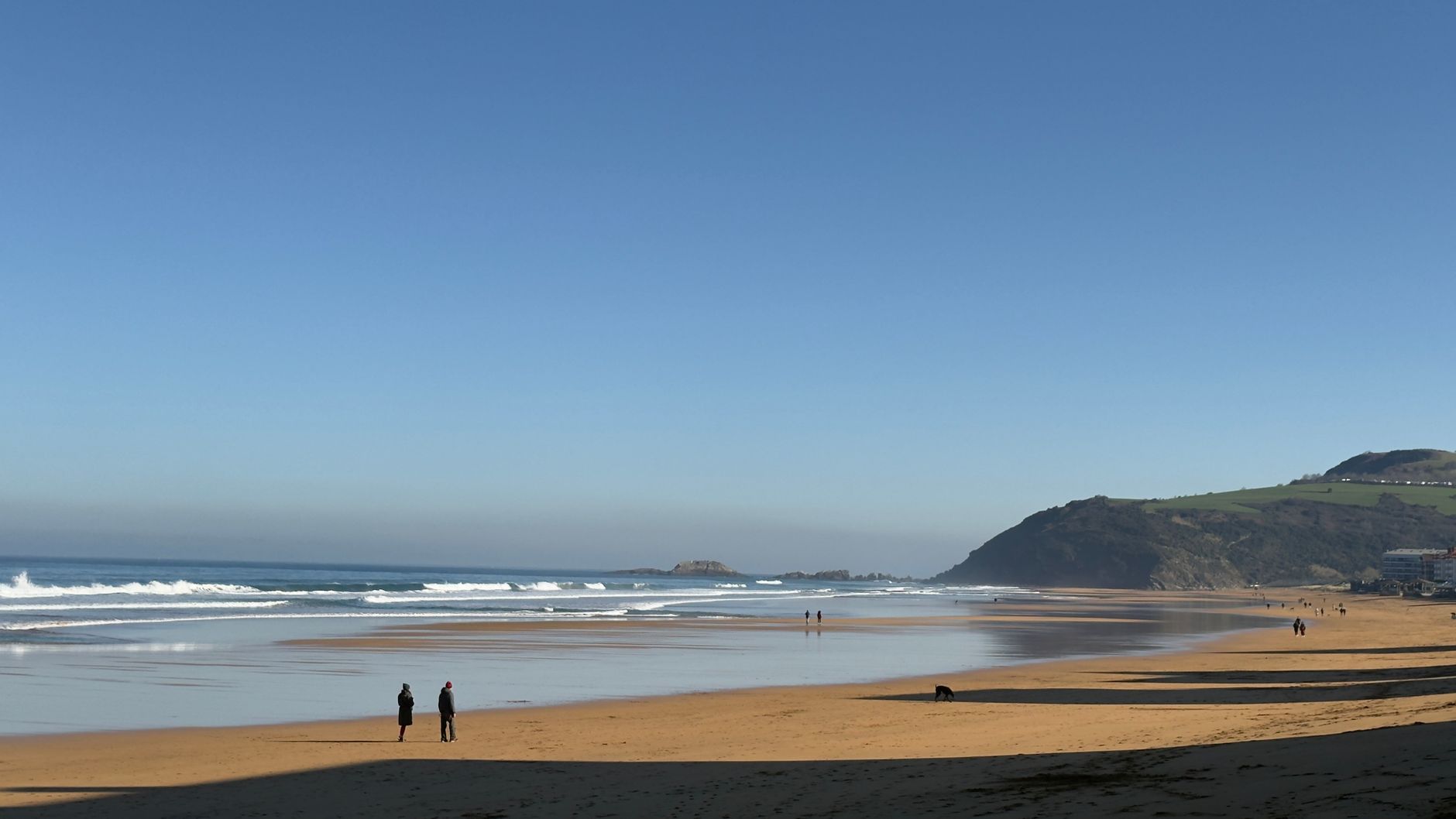
The terrain rises sharply from the Cantabrian Sea, folding into green, rain-washed hills that catch the salt spray of the Atlantic. Vineyards cling to these limestone-heavy inclines, sheltered from the fiercest winds but exposed to the constant humidity of the northern littoral. Reachable by narrow, winding roads that trace the cliffside, the landscape remains lush and verdant throughout the year due to consistent rainfall. Summer brings a thick, maritime fog that clings to the harbor, while winter leaves the hillsides empty and quiet under gray skies. The proximity to the water dictates the rhythm of the harvest and the daily life of the coast.
What to eat and drink
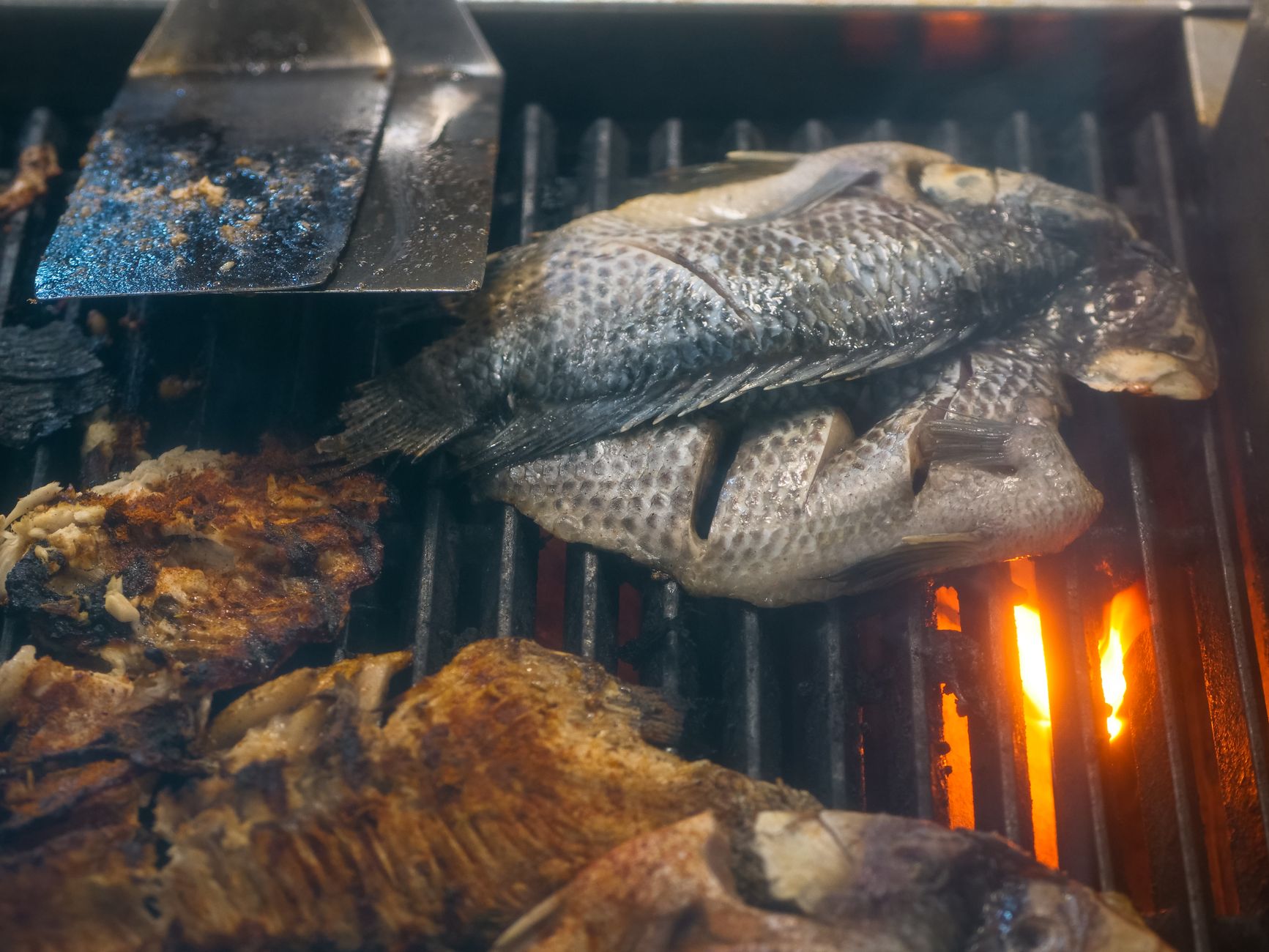
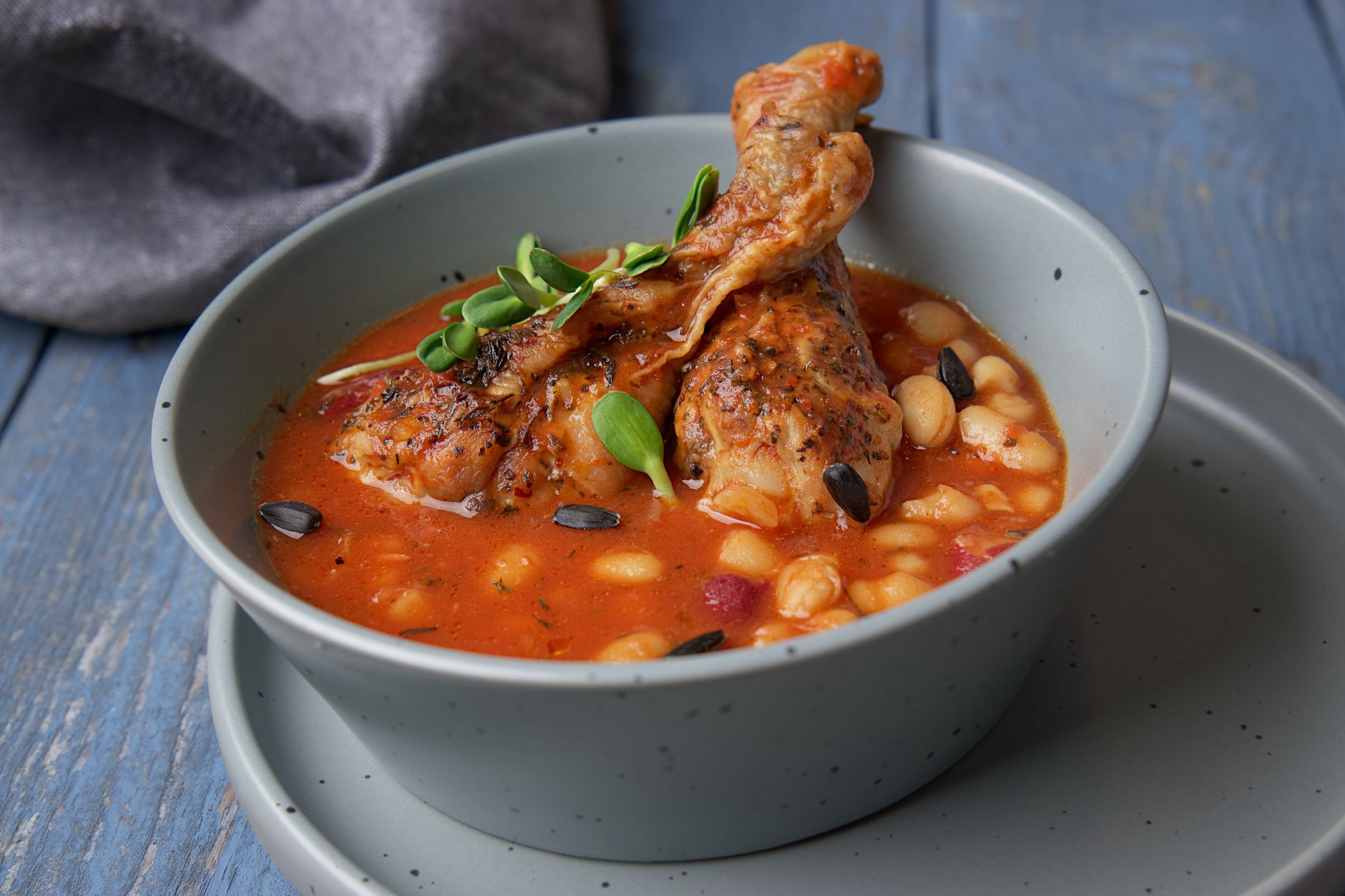
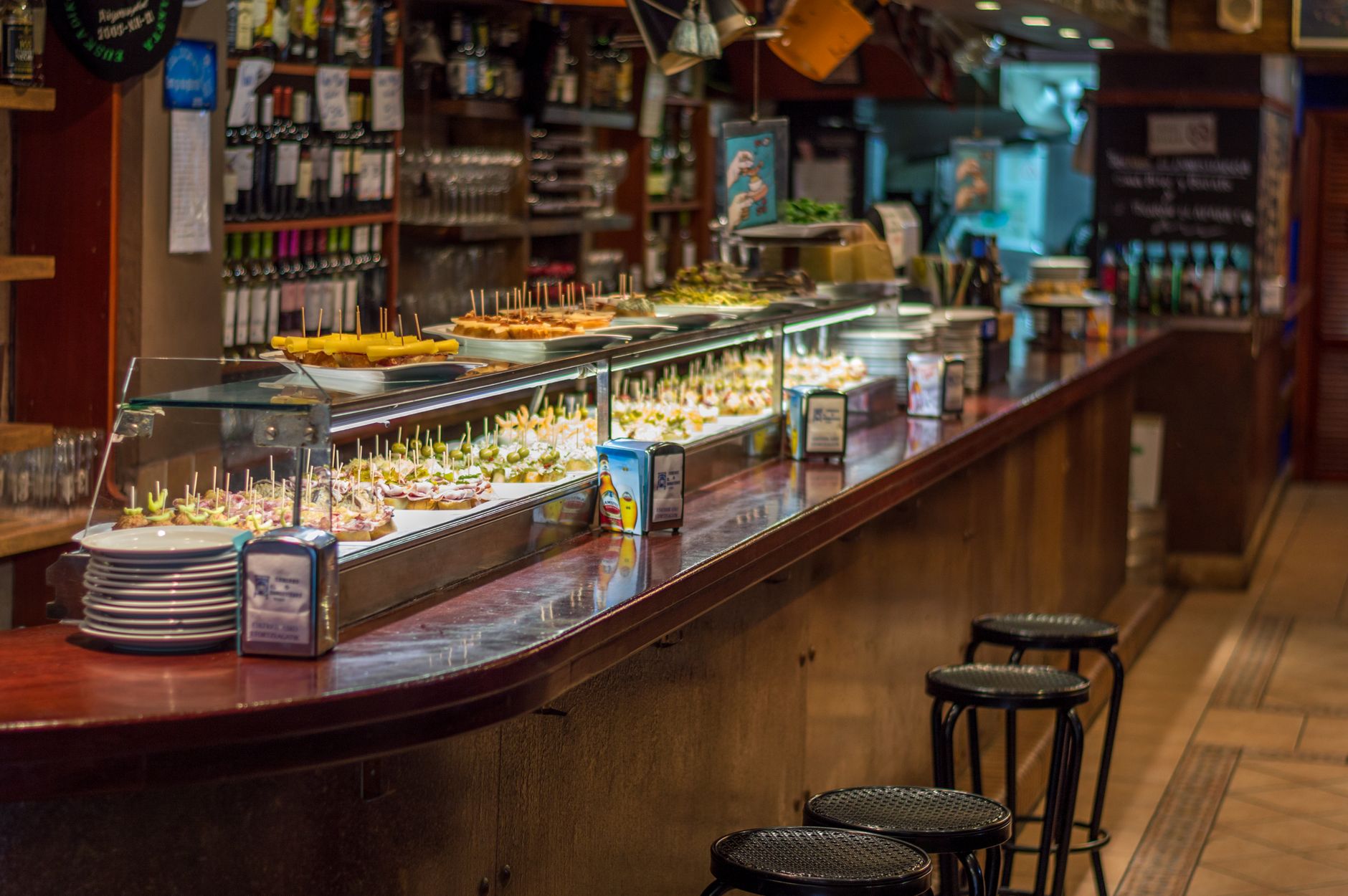
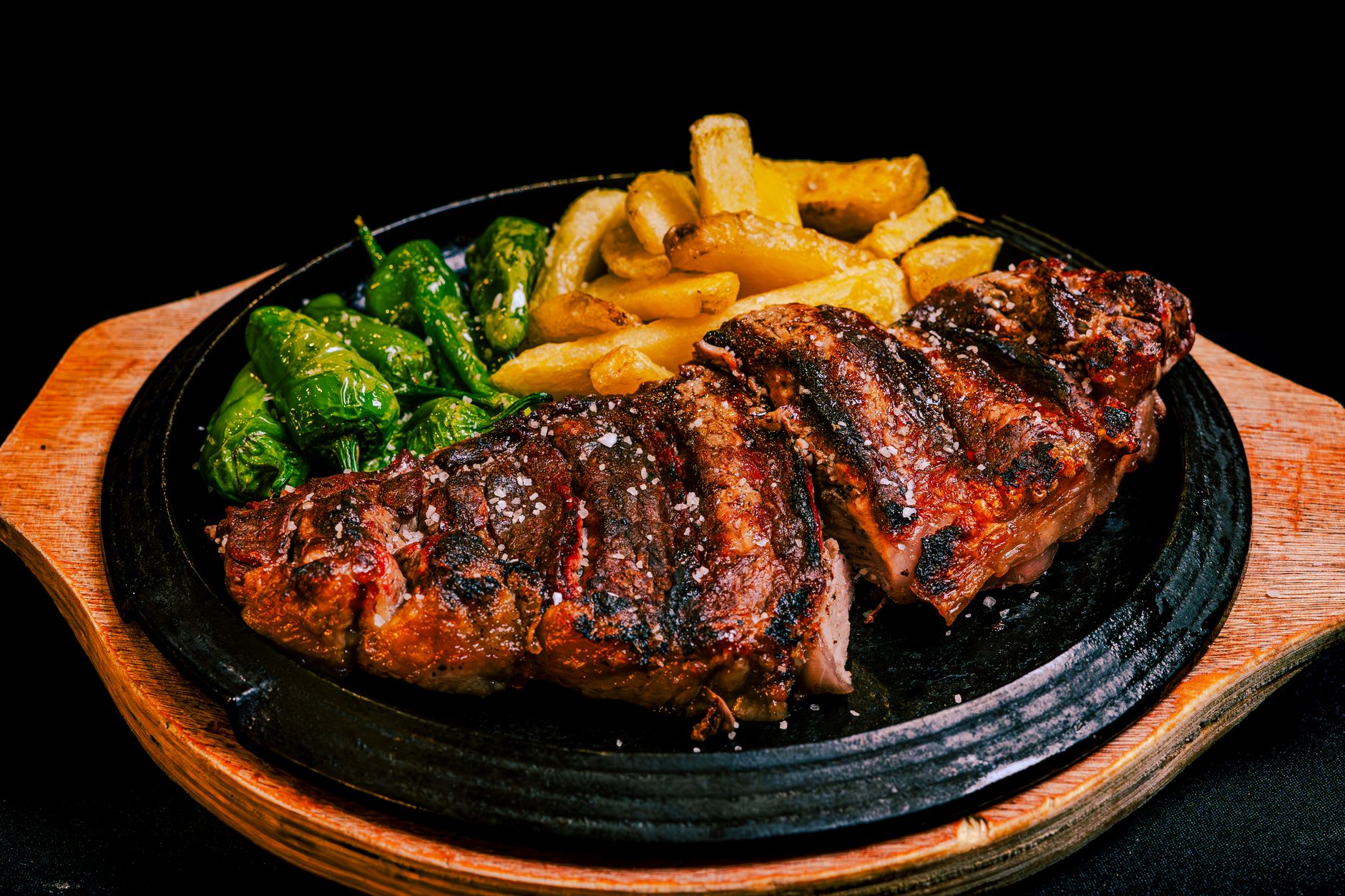
Order grilled rodaballo, whole turbot cooked over hot coals until the skin blisters and the flesh turns pearlescent. The high acidity and natural effervescence of Txakoli cut through the heavy oils of the fish and the salt of the sea air. In the local taverns, small plates of gildas, skewers of pickled guindilla peppers, salty anchovies, and olives, provide the necessary briny bite to accompany the wine. Other seasonal options include perretxikos, wild spring mushrooms gathered in the nearby valleys, which pair with the lean, mineral profile of the local white wine to balance the richness of the hearth-cooked main courses.
Basque Country: the whole region
The Basque Country is the most expensive and the most rewarding corner of northern Spain: three small provinces, each with its own character, all within an hour of each other. It suits travellers who want to eat well and move slowly far…
Minimum 4 days · better 7 days · deep 2 weeks
Pair It With


In Basque Country








In Basque Country


In Basque Country











Linked from elsewhere
Entries that name this place in their own nearby lists.

Logistics are verified only. We don't publish schedules we haven't confirmed.
Appears In
Ready to build Txakoli de Getaria into a trip?
You've found a place worth going. When you're ready to turn discovery into an itinerary, Travel Itinerary Co picks up where the Field Guide leaves off — with your saved places already in hand.
Build this into a tripContinues on Travel Itinerary Co
Spain Field Guide may earn a commission when you book through selected links. Recommendations are editorial and independent of commission.